Cotton: what we actually check before it goes to print
Bring your brand to life
Explore over 1,000 customisable products designed to showcase your brand and leave a good impression.
It is not the fiber people get wrong
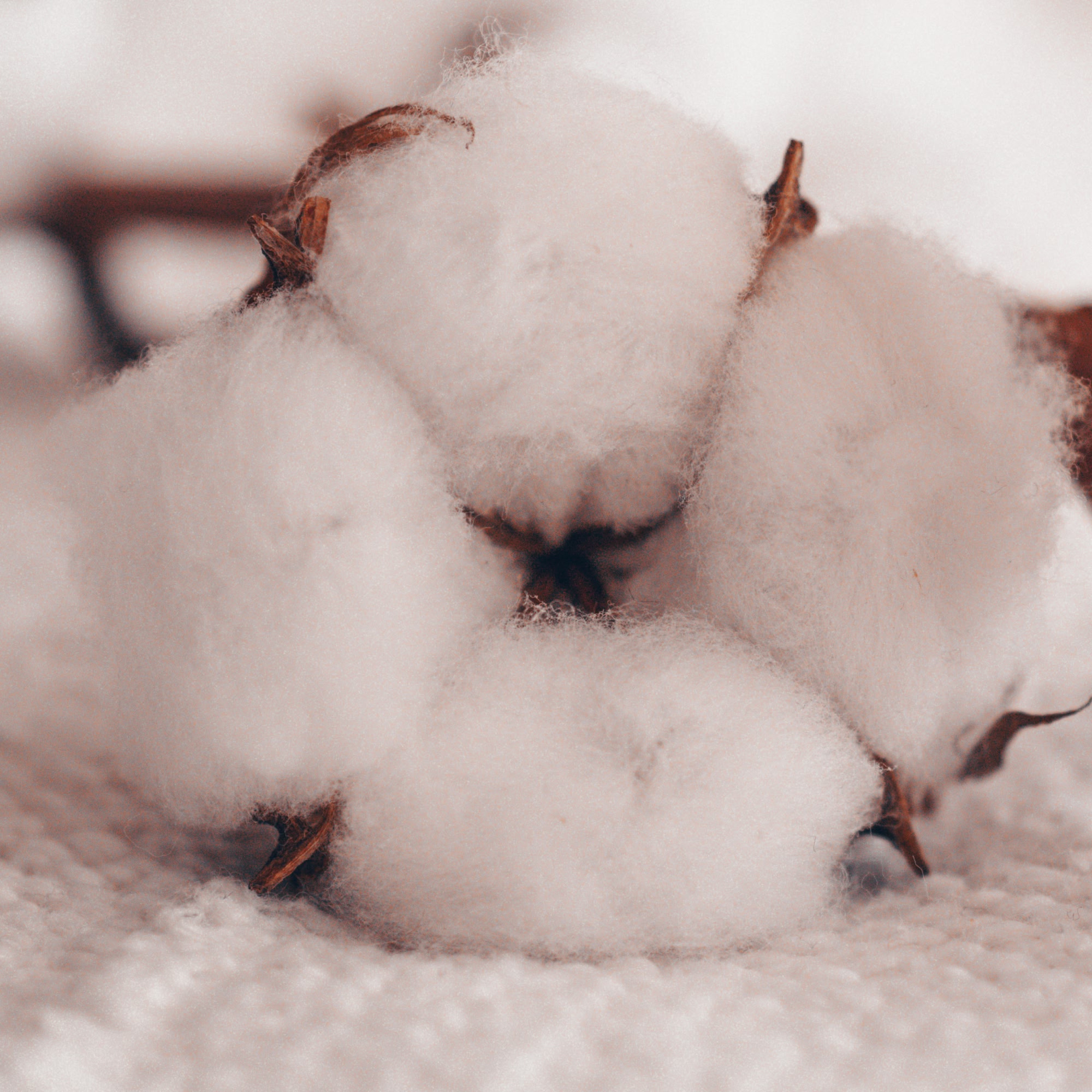
Most people think knowing cotton means knowing it is soft, breathable, natural. That part everyone gets right. What we actually watch for is weight, weave, and finish, because that is where a t-shirt someone wears for two years and a t-shirt someone throws out after one wash come from the same bale.
The arrangement, in one sentence
Before we print anything, we specify the fabric: gram weight, cotton percentage, weave type, pre-shrink treatment. Everything after that, the print, the fit, the durability, follows from that one decision.
Weight and weave
A 180 g/m² cotton tote and a 140 g/m² one look identical in a product photo. They do not look identical after three months of carrying lunch and files. We specify weight per product type, not per catalogue page: totes and workwear go heavier, giveaway items go lighter, because nobody expects a free tote to survive a decade. Most complaints we get about "cheap-feeling cotton" are actually weight complaints. The fiber was fine. The gram weight was wrong for the job.
What print does to cotton
Screen print sits on top of the weave. Embroidery goes through it. On a heavy cotton hoodie, embroidery holds up for years; on a thin cotton t-shirt, the stitching can pull the fabric out of shape at the collar. We do not recommend embroidery on anything under a certain weight, even when a client asks for it, because we would rather explain that once than replace two hundred t-shirts later.
Organic and recycled are not the same claim
Organic cotton reduces pesticide use at the growing stage. Recycled cotton, made from offcuts and post-consumer garments, reduces water and energy use at the production stage. A client asking for "sustainable cotton" is usually asking for one of these two things, not both, and the two claims support different sentences in a sustainability report. We ask which one before we quote a price, because organic and recycled cotton do not cost the same and do not say the same thing.
The honest trade-off
Cotton wrinkles. It can shrink in a hot wash if it was not pre-treated. Growing it uses a lot of water, full stop, no amount of organic certification changes that fact, it only changes how much pesticide went with it. We tell clients this before they order, not after the first wash-cycle complaint.
Our corner of it
Weight, weave, finish, print method, the organic-or-recycled question. That is our corner of the business. And the question underneath it: not whether a product is cotton, but whether someone specified the cotton for what it actually had to do.
About the author
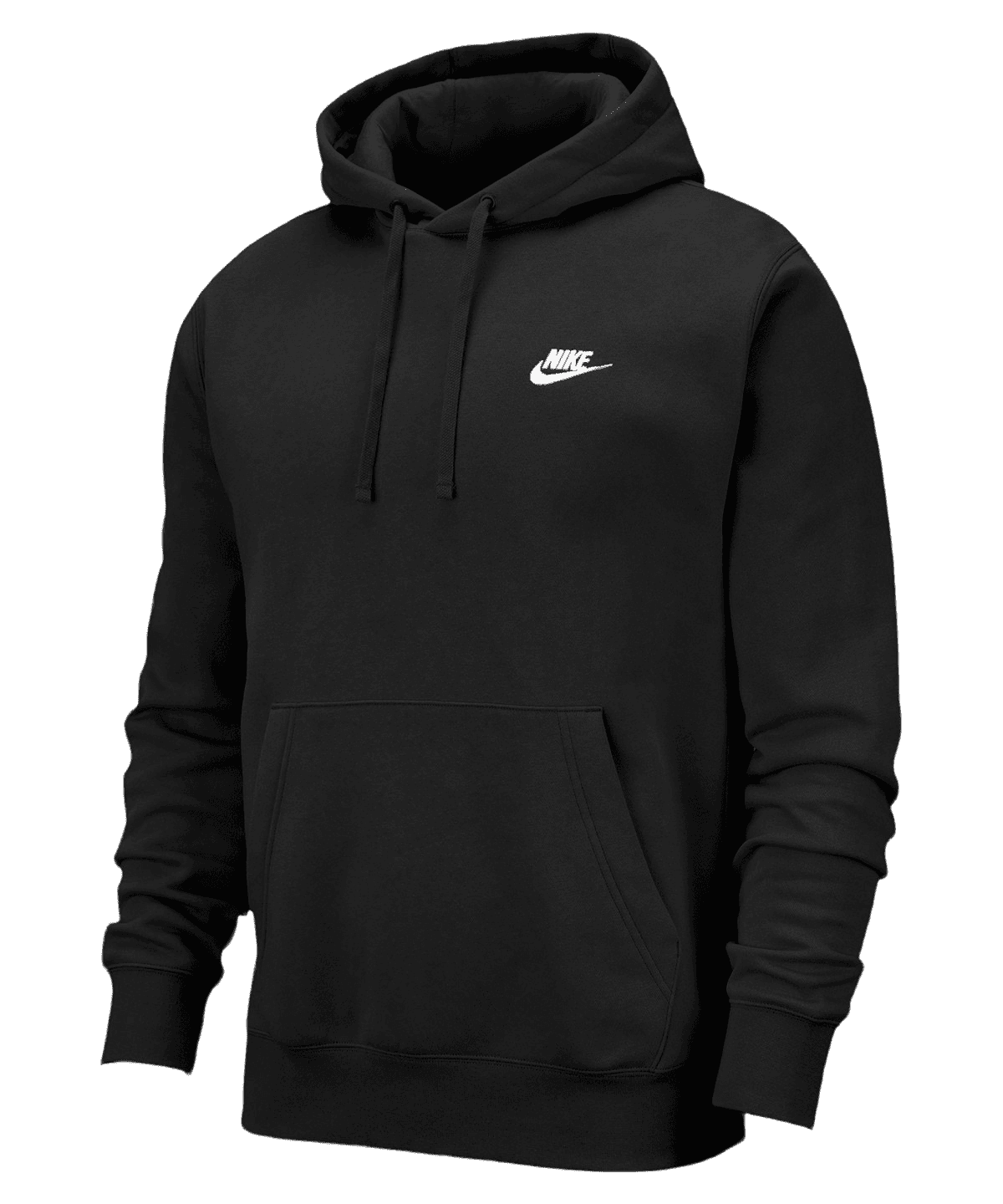
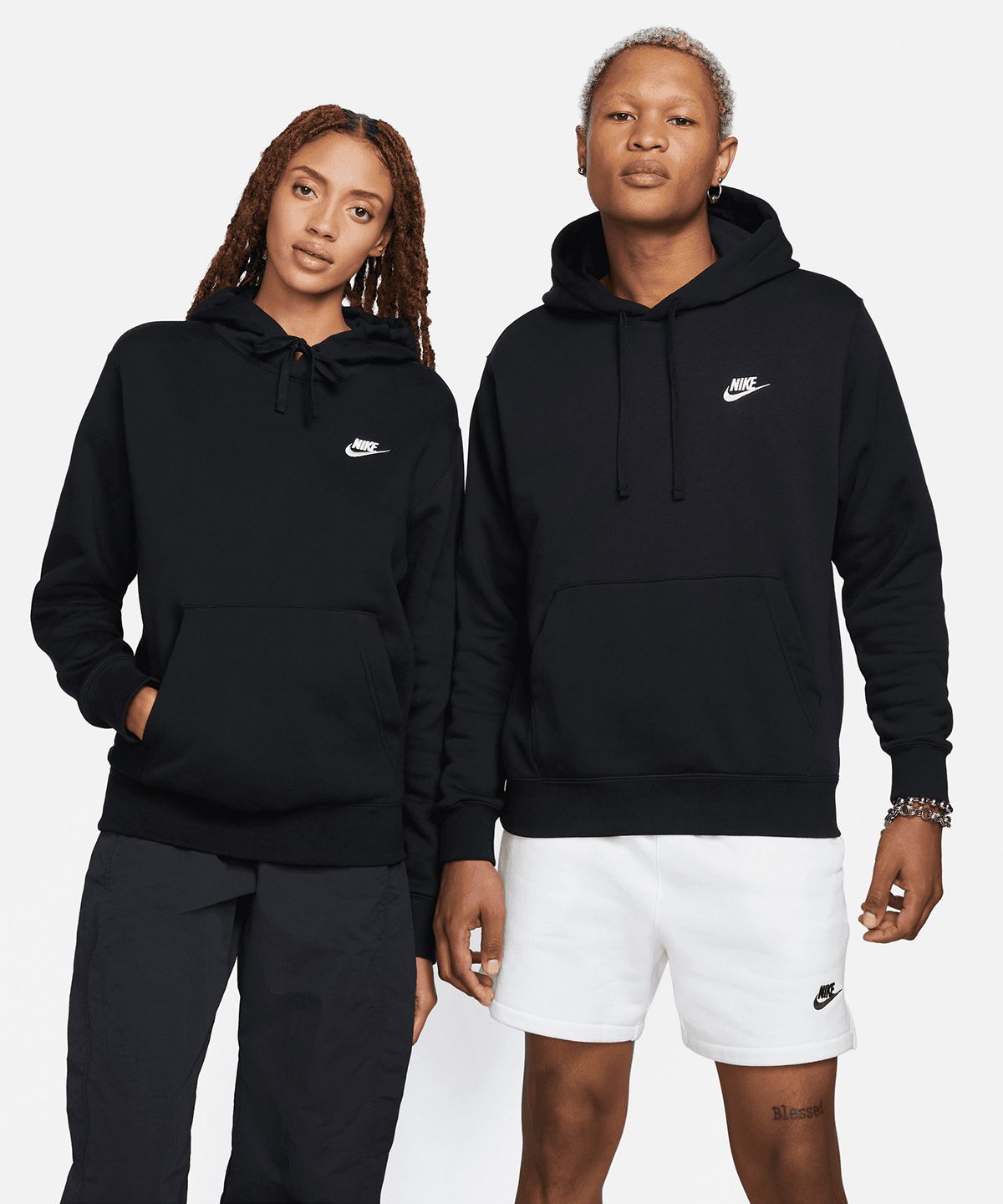
Nike Club Hoodie
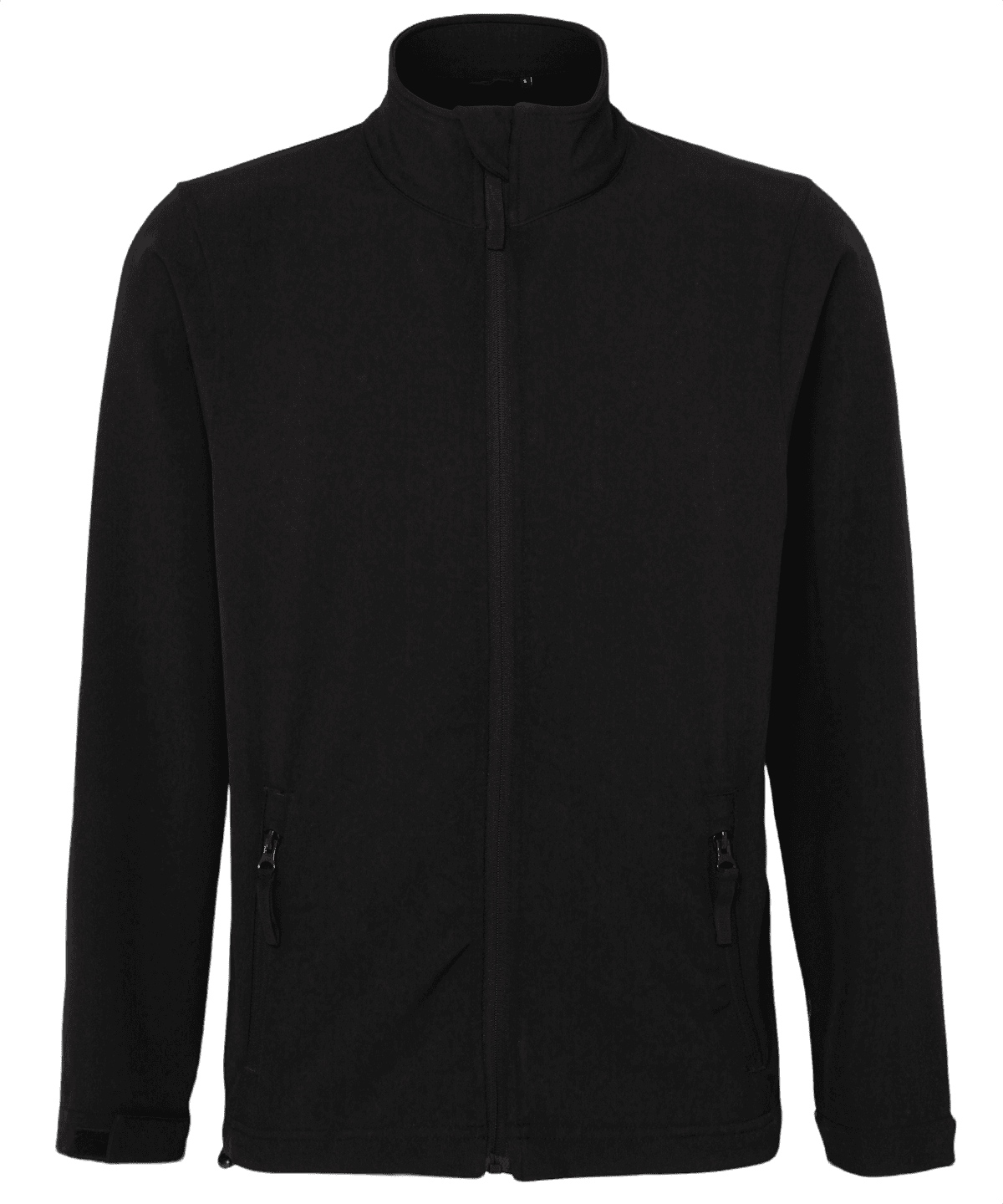
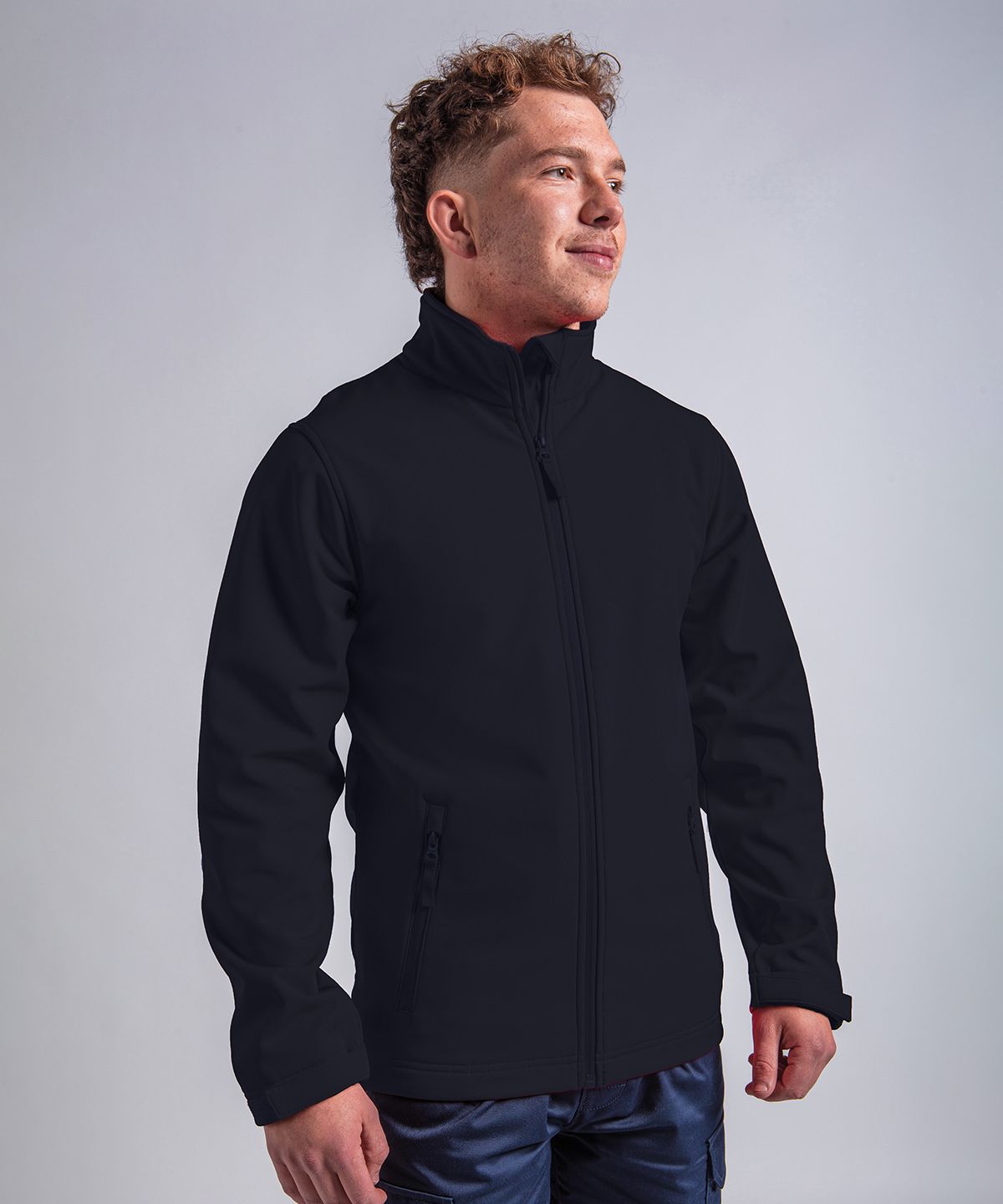
Pro 2-Layer Softshell
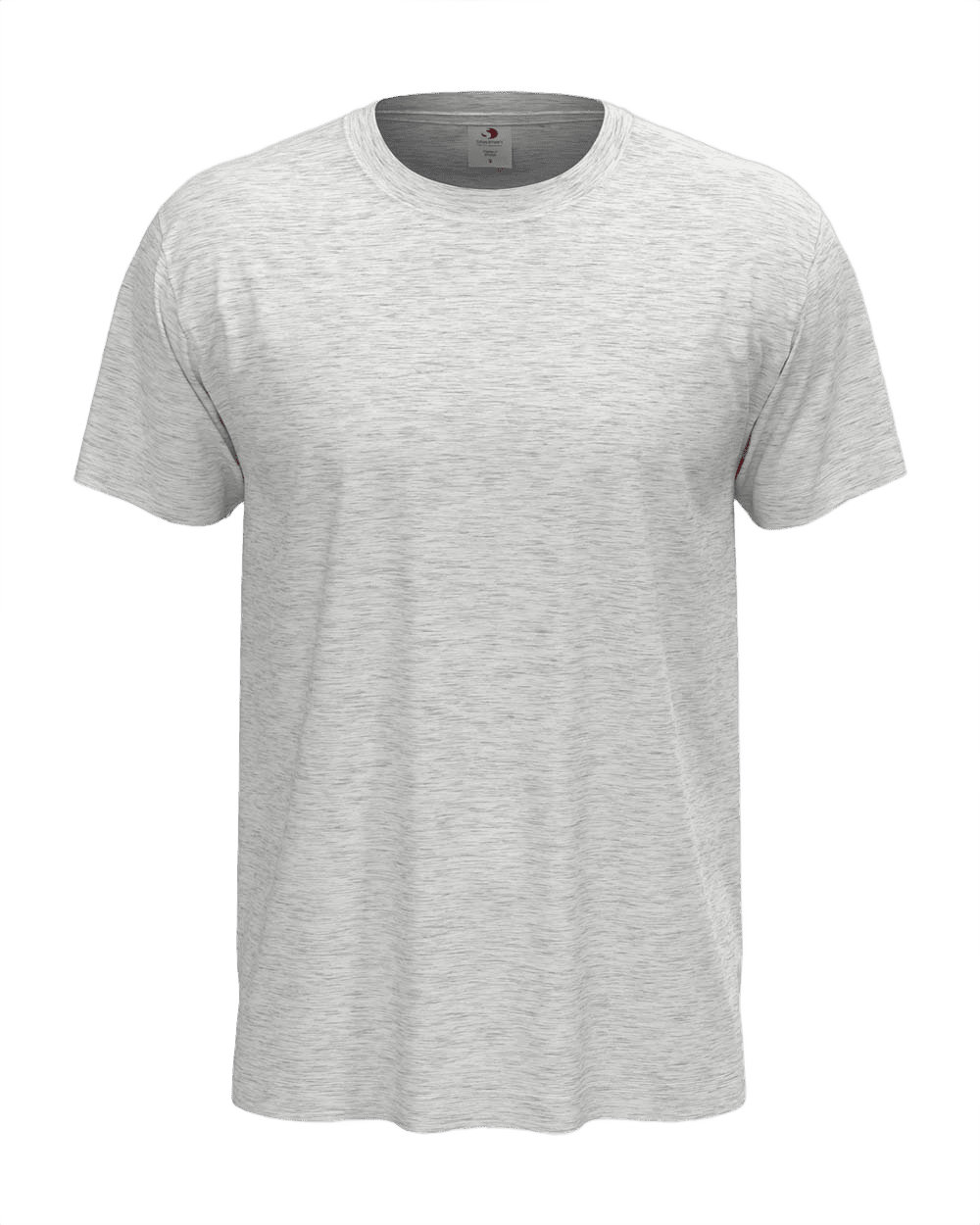
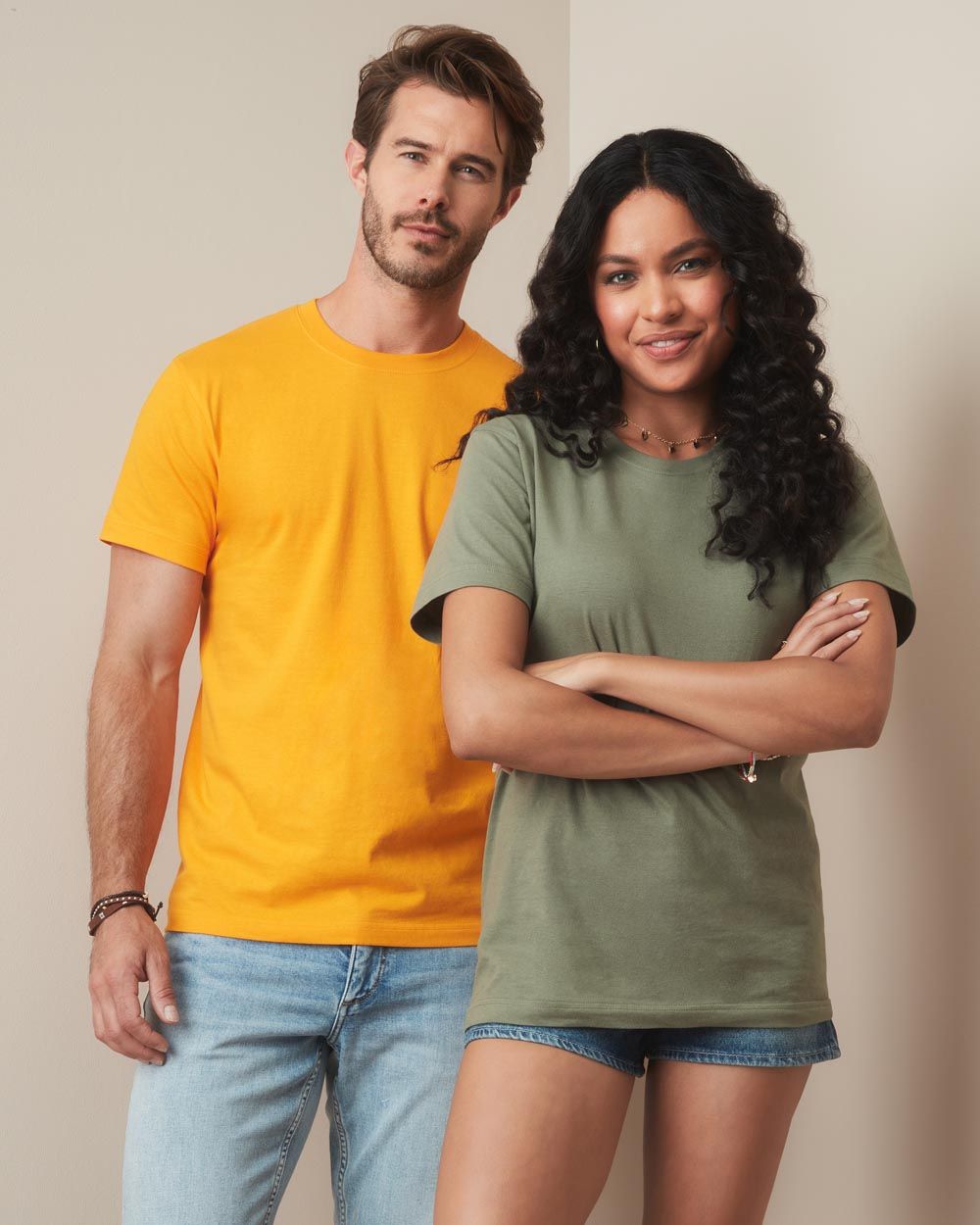
Stedman Classic-T Unisex