Digital printing: Three processes behind one label
Bring your brand to life
Explore over 1,000 customisable products designed to showcase your brand and leave a good impression.
Three processes, one label
Ask someone what digital printing is and they will say: no plates, no setup, straight from a file. That much is true. What most people miss is that "digital printing" is not one process. It is three, and each does a different job on a different material.
We choose between them per order, not per catalogue. A phone case gets sublimation. A run of two hundred tote bags gets inkjet. A batch of laser-engraved USB drives is not digital printing at all, it is a different technique entirely, though it shares the same file-to-surface pitch. The choice happens before a single file is opened, because it decides what the finished piece can and cannot do.
Inkjet and laser: image from a file
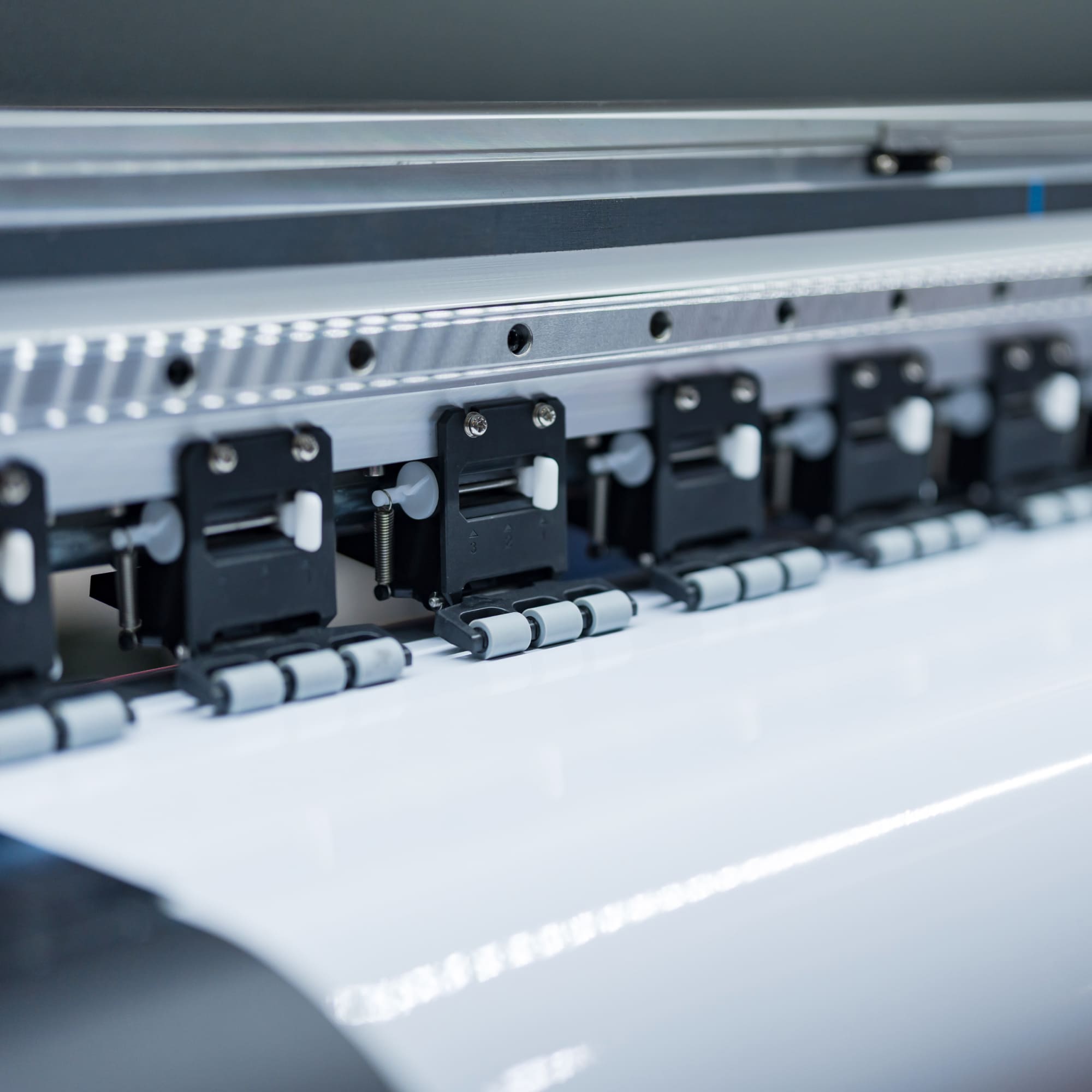
Inkjet printers place tiny droplets of cyan, magenta, yellow and black ink directly onto the surface. Laser printers work differently: a charged drum picks up toner powder and fixes it with heat and pressure. Both skip the plate-making step that screen printing needs, which is why a small run costs roughly the same per unit as a large one and a design can change between jobs without a setup fee.
What it costs to get wrong: a file sent at screen resolution instead of print resolution. It looks fine on a monitor and comes out soft on the product, and by the time anyone notices, the run is finished. We check resolution and colour mode before a job goes to press, not after.
Dye sublimation: into the fibre, not on top of it
Sublimation is a third method and works differently again. Heat turns solid dye into a gas, which bonds with the fibres of the material rather than sitting on the surface. That is why a sublimated print does not crack, peel or fade the way a surface print can, and why it is the default for sportswear, bags and anything polyester.
The limit is the material itself. Sublimation needs polyester or a polyester coating to bond to. Put it on cotton and the dye has nothing to hold onto, the colour comes out pale and patchy, and the job has to be redone on a different substrate. We ask about material before we ask about design.
Where digital printing stops making sense
Digital printing is right for short and medium runs, personalised items, and full-colour artwork with gradients or photography that other methods struggle to reproduce. It is not the cheapest option at very high volumes. Offset and screen printing both bring the unit cost down further as quantities climb, in a way digital printing does not.
Surface matters too. Digital ink performs best on smooth, treated material. On heavy texture or on fabric that was not made for digital ink, the print can come out duller or less sharp than the same design run through embroidery or screen printing. We say so before an order goes ahead, not after a client is disappointed with a proof.
What we choose, and why
Personalised names, small runs, photography, colour that needs to be exact: digital printing, and usually inkjet. Fabric, sportswear, anything that needs to survive a wash: sublimation, and only on polyester. Everything else, we say so, and point at a different technique before the order is placed.
File type, ink or dye, material, volume. That is our corner of the business. And the question underneath it: which of the three gets this particular product through a hundred washes, or across a desk, without anyone noticing it was ever printed at all.
About the author

Oregon Carabiner Water Bottle 750ml
Cotton Shopping Bag 135 g/m2
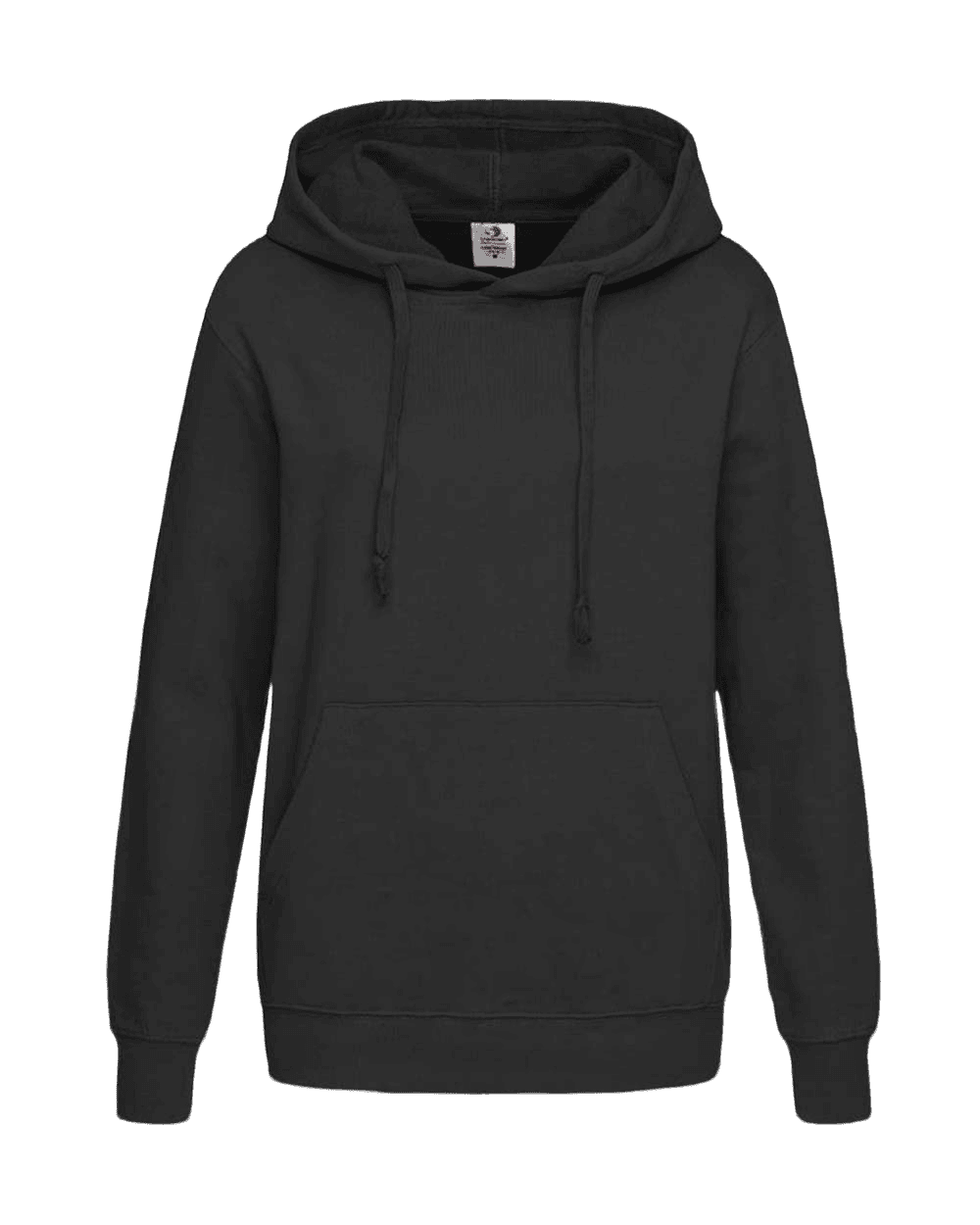
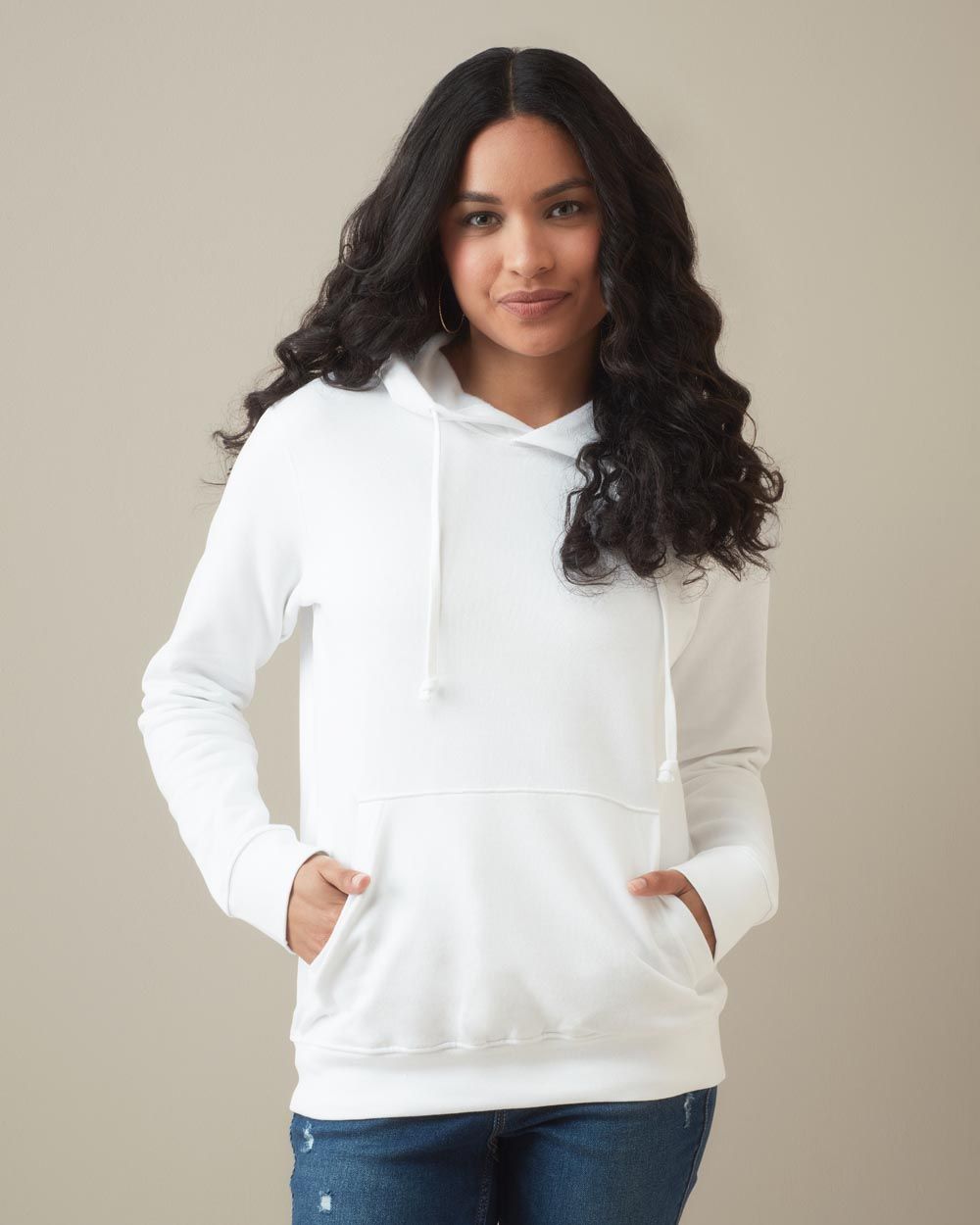
Stedman Classic Sweat Hoodie Women