Digital transfer: When every color and detail matters

Bring your brand to life
Explore over 1,000 customisable products designed to showcase your brand and leave a good impression.
Not one technique, three
Most people hear “digital transfer” and picture one process: print a design, press it onto a t-shirt, done. What it actually covers is three techniques, each suited to a different material and a different way of going wrong. Heat transfer, sublimation and direct-to-garment printing all start the same way, with a design printed digitally. What happens next decides whether the print lasts a wash cycle or a wardrobe's lifetime.
From printed paper to finished product
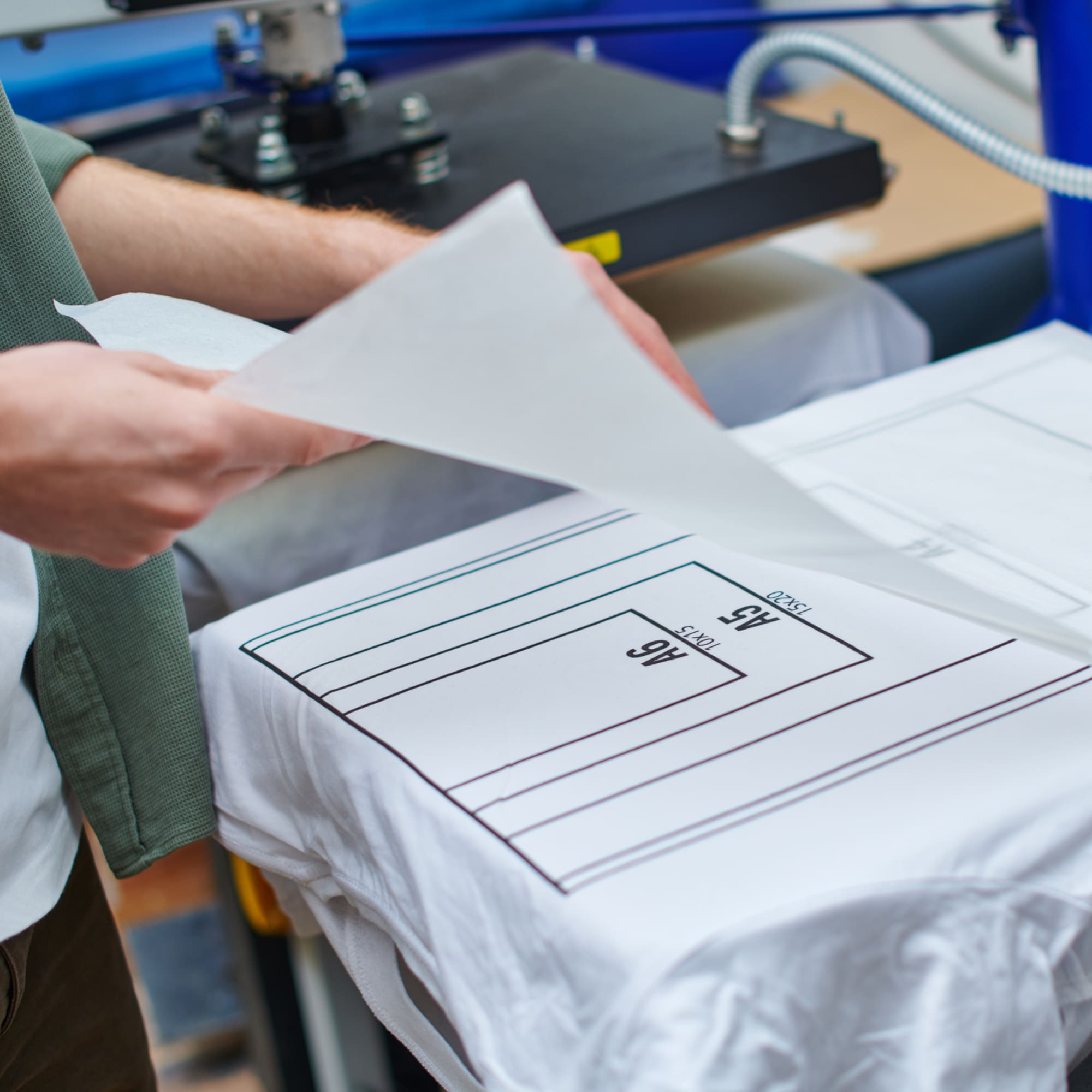
The design goes onto transfer paper first, printed with a standard digital printer. The paper then sits on the target surface and runs through a heat press. The heat bonds the design to the material below: on some surfaces the ink sits on top, on others it soaks in. Which one happens is not a preference. It is chemistry, and it is why the three variations exist at all.
Heat transfer
Heat transfer uses a vinyl or printed film, pressed onto the surface until it adheres. It works on cotton, which sublimation cannot touch, and on most surfaces flat enough to take the press. Match the wrong film to the fabric and the print sits stiff at the chest, a small patch of plastic feel that people notice before they notice the logo. We check the fabric before we choose the film, not after.
Sublimation
Sublimation turns dye into gas under heat, and the gas bonds with the fibres instead of sitting on them. The print becomes part of the material rather than a layer stuck to it, which is why it survives washing without cracking or peeling. The condition is synthetic fibre. Put cotton through a sublimation press and nothing happens: the dye has nowhere to bond. We turn sublimation orders on cotton away before they reach production, not after.
Direct-to-garment
Direct-to-garment skips the transfer paper. Ink goes straight onto the fabric through a specialised printer, and a heat treatment sets it afterwards. It handles photographic detail and colour gradients that film and vinyl cannot reproduce, best on white or light fabric. It is not built for volume: run a thousand identical items through it and the per-unit cost stops making sense next to screen print. We use it for short runs and personalised pieces, not for a company-wide rollout.
Choosing the right one
Fabric, fibre, film, run length. That is our corner of the business. And the question underneath it: not which technique looks best on screen, but which one still looks like something after the tenth wash.
About the author

Cotton Oxford Shirt Long Sleeve Men
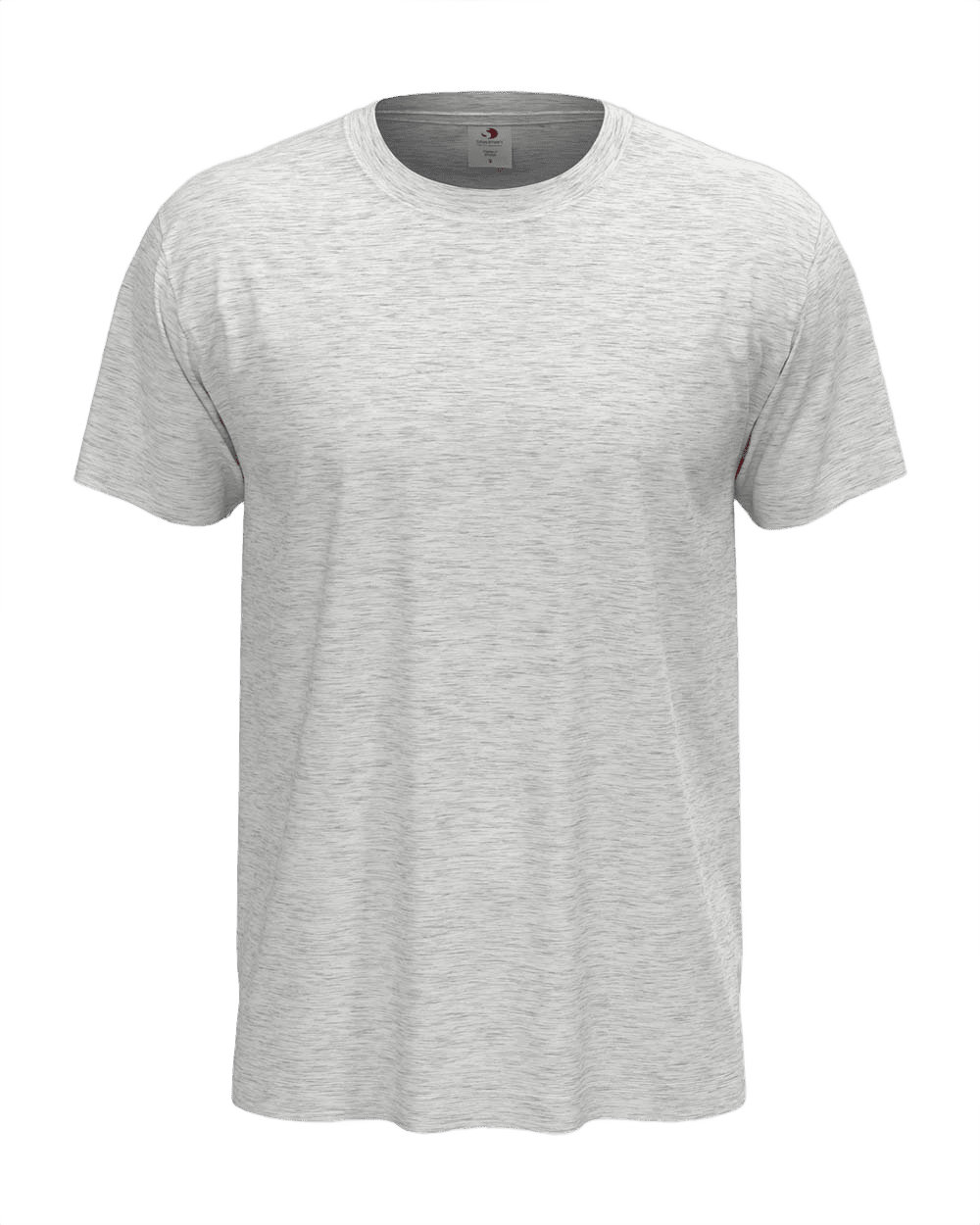
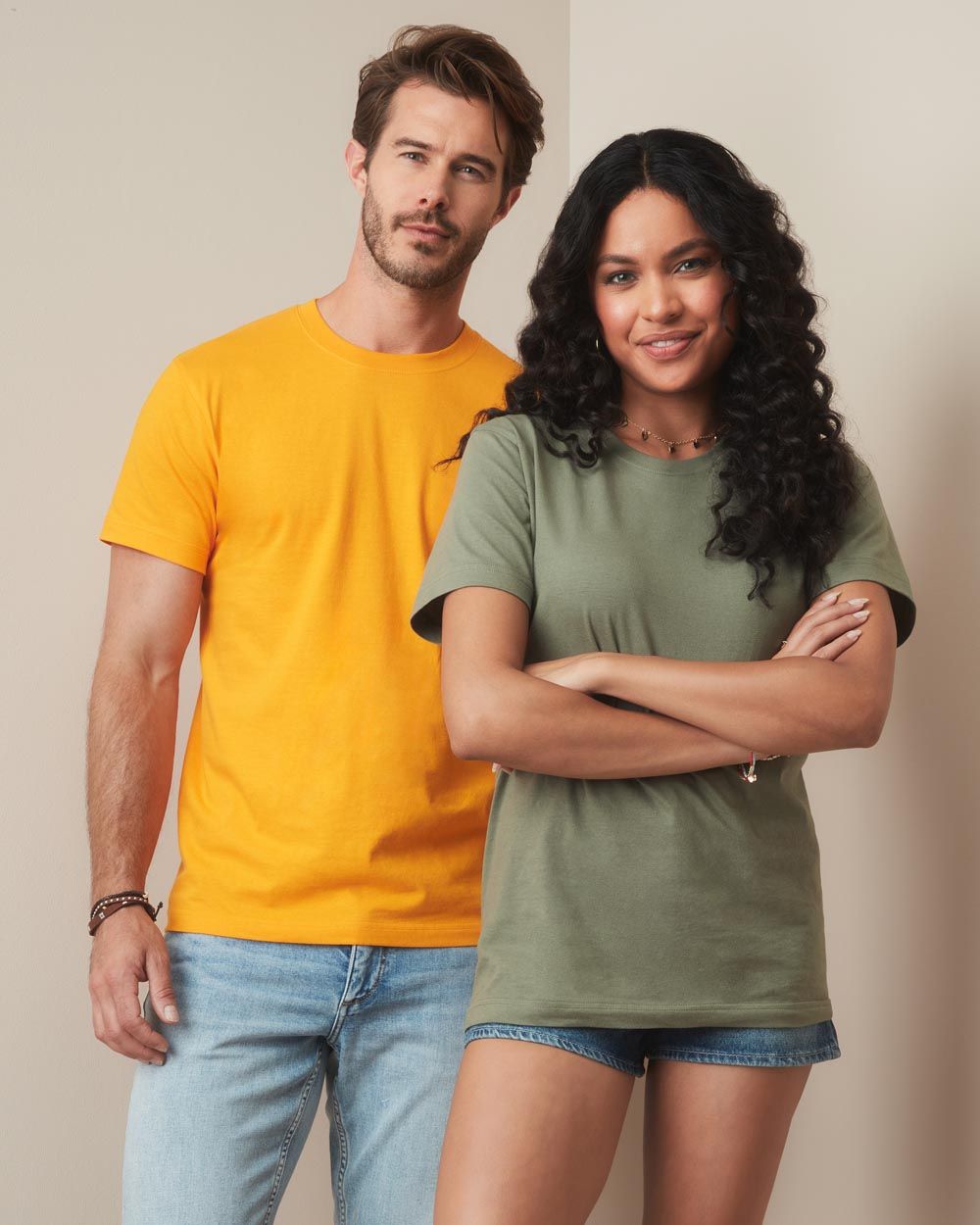
Stedman Classic-T Unisex
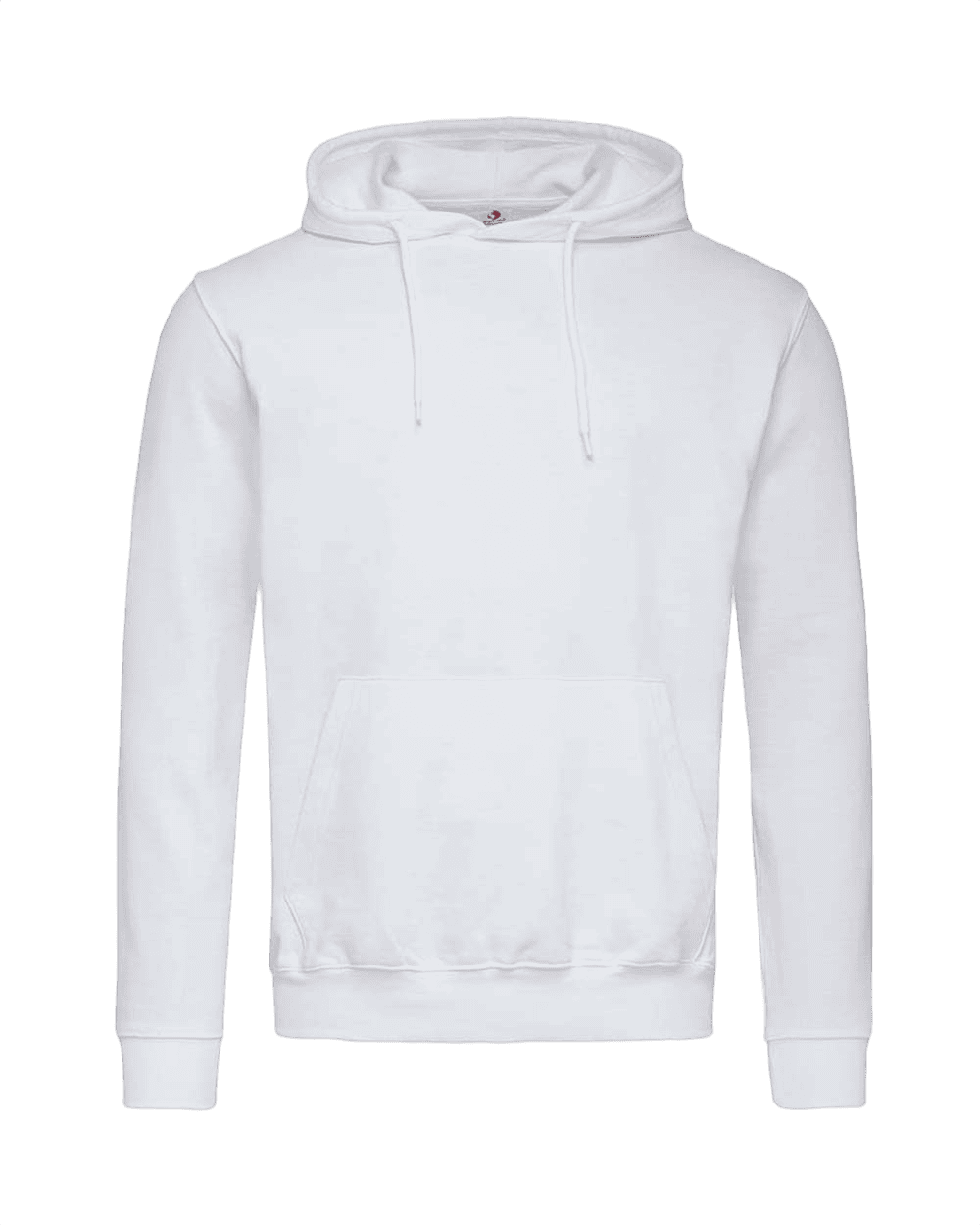
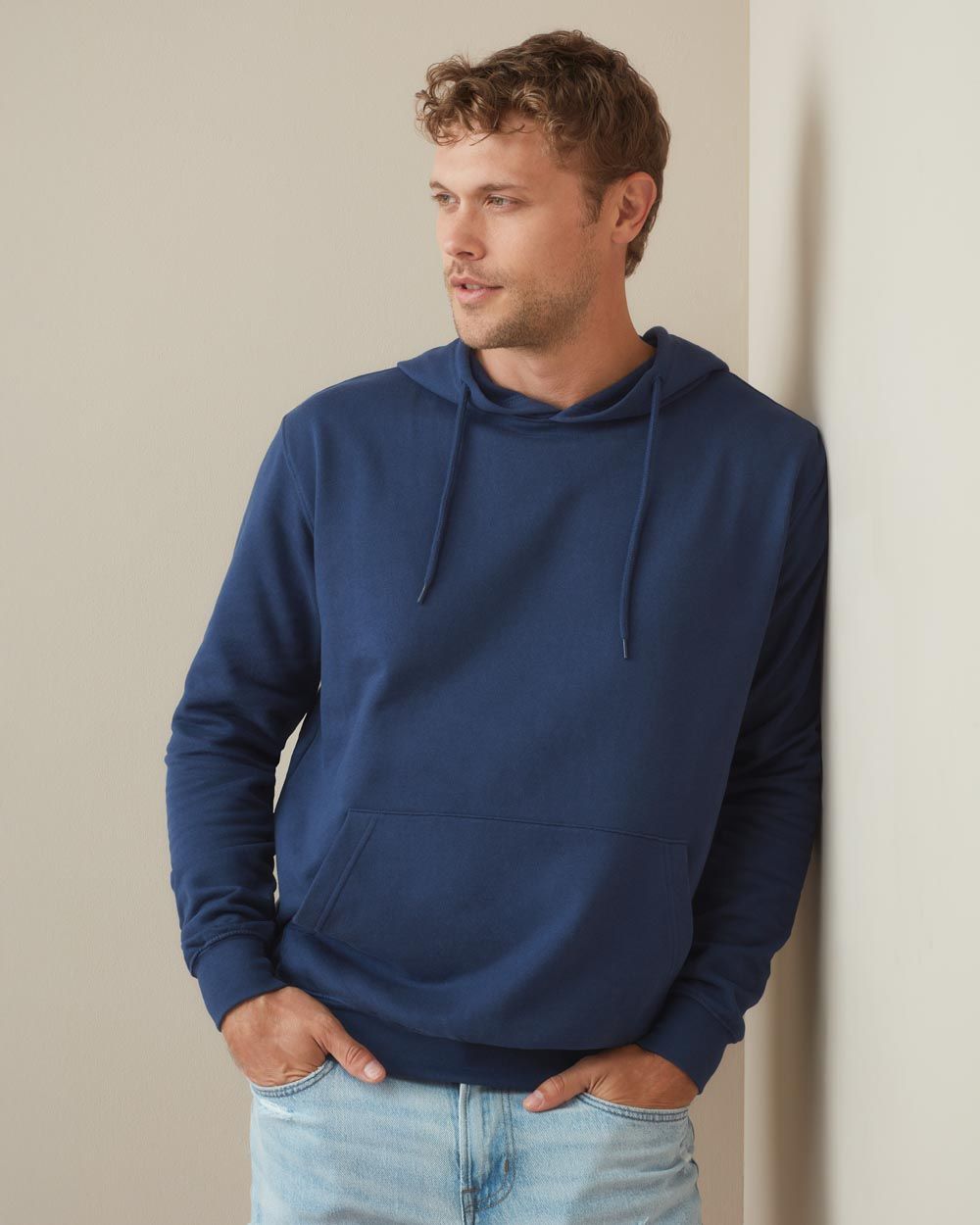
Stedman Classic Sweat Hoodie Men