Doming: The resin layer that protects a print job
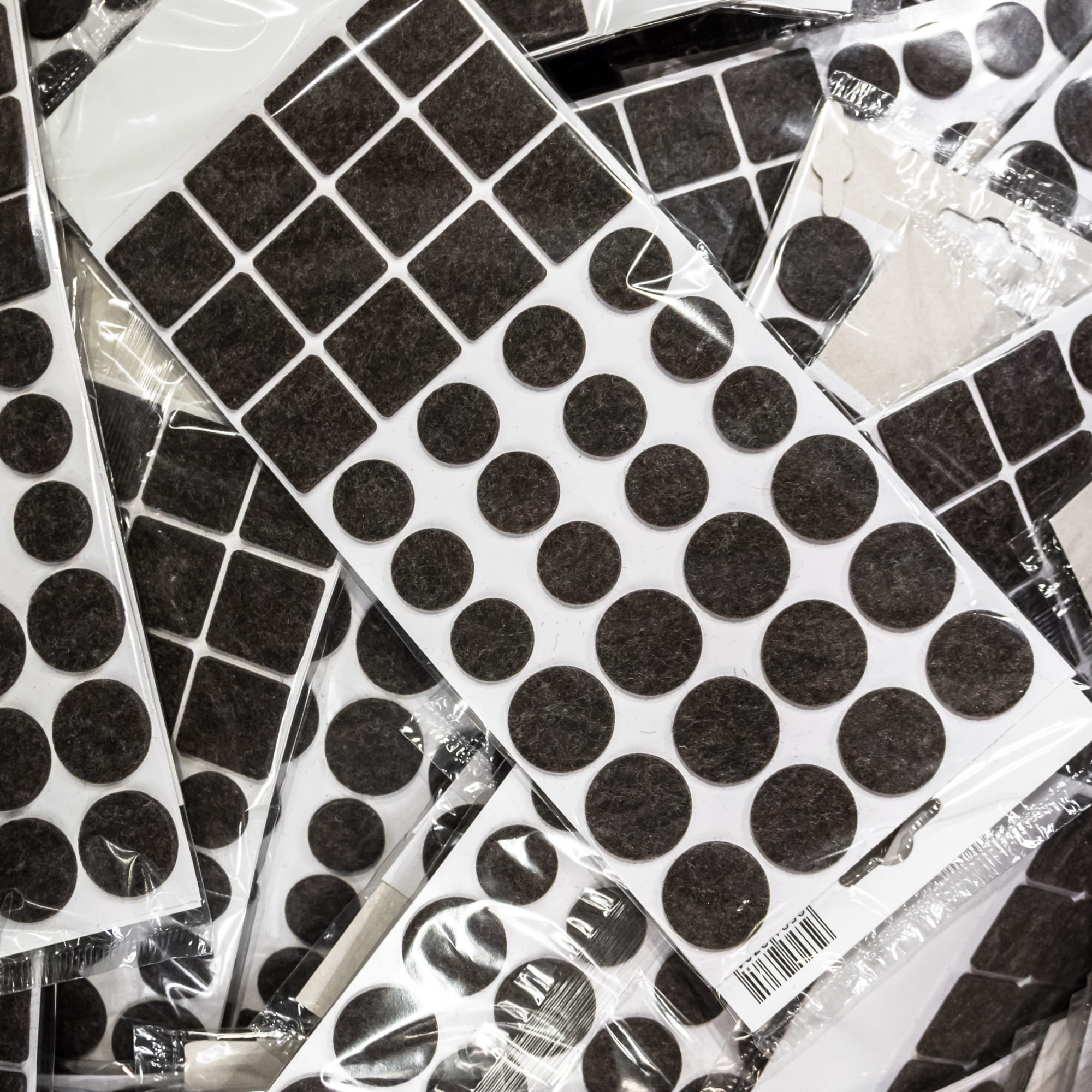

Bring your brand to life
Explore over 1,000 customisable products designed to showcase your brand and leave a good impression.
What doming actually protects against
Most people think doming is about shine. Pour on a bit of resin and a keychain suddenly looks premium. The harder part happens earlier: getting a flat, cleanly cut print ready for a liquid that will not forgive a rough edge or a curved base. Get the surface wrong, and the dome shows every flaw underneath it, magnified.
Doming is print, then resin, in that order. A full-colour design goes down on a solid sticker, cut to shape. Liquid polyurethane resin goes on top. Everything else is detail.
How the resin layer is formed
We print the design, cut the sticker to shape, then pour or apply the resin by hand. It self-levels as it cures, settling into a smooth, rounded dome. Hardened, the layer is transparent, scratch-resistant, and bonded to the sticker beneath it.
The layer runs a few millimetres thick, enough to raise the surface without adding real weight. Pour it unevenly or too fast, and it shows: a flat side, a bubble at the edge, a dome that leans. That part takes a steady hand, not a shortcut.
Where it holds up
Domed labels turn up on cars, laptops, phones, equipment, household appliances - anywhere a label needs to survive contact. In merchandise, that means keychains, USB drives, badges, pins, and small branded accessories: items that get picked up, dropped, and carried in a pocket for years rather than looked at once and filed away.
Because the print sits sealed under the resin, doming suits items that will be handled often or left outside. A tote bag print does not need this. A keychain that lives on a set of car keys does.
What the resin buys, and what it does not
The resin magnifies colour. A logo under a dome reads brighter and sharper than the same logo flat, and it stays that way: sealed against scratches, moisture, and UV. That combination, look and last, is the entire case for doming over a standard sticker.
What it does not do is add colour of its own. The resin is transparent, so it works best over a white or light background. Put it over a dark item and the base colour shows through the design, not just around it. That is a design decision to make before the print goes down, not after the resin is poured.
Where doming stops making sense
Doming wants a flat base and a modest size. Large surfaces are hard to dome evenly, because the resin needs a flat plane to settle on, and a big pour is more likely to run or pool unevenly. Heavily curved surfaces have the same problem from a different angle. Fine, intricate edges in the design need extra care at the border, or the resin creeps past the line.
Most of what comes across our bench with a heavy curve or a large flat panel, we point toward a different technique instead. Doming is not the answer for everything with a logo on it, and pretending otherwise is how a project ends up with an uneven dome and a client asking why.
Deciding if it fits your product
Doming earns its place on small, durable, daily-use items: keychains, USB drives, badges, pins, labels on equipment or vehicles. If the product will be handled, weathered, or kept for years, the resin pays for itself. If the print area is large or the surface curves hard, we would rather suggest something else than force a technique onto a shape it was never built for.
Print, resin, cure, cut. That is our corner of the business. And the question underneath it: does this item need to survive being handled every day, or just look good once.
About the author
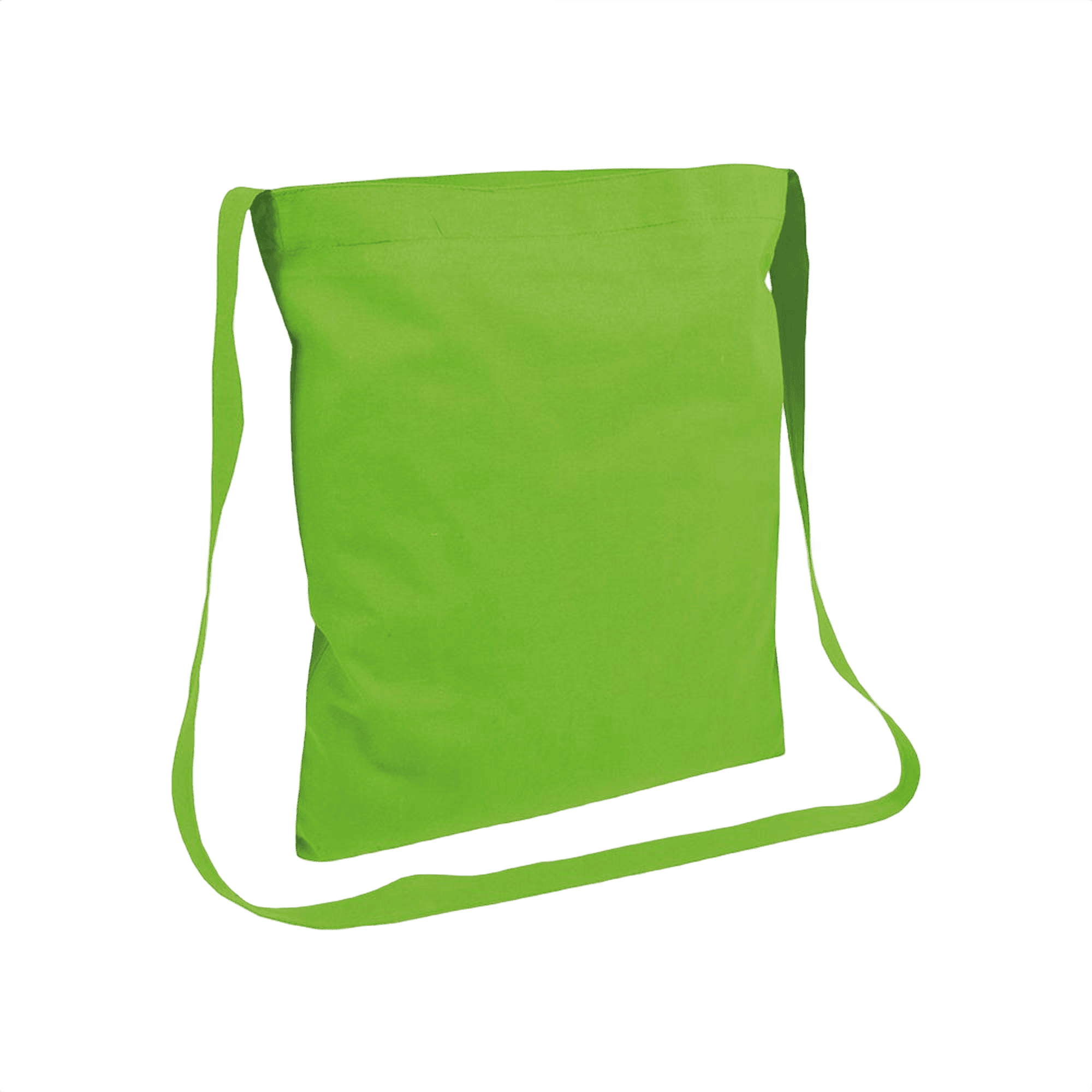
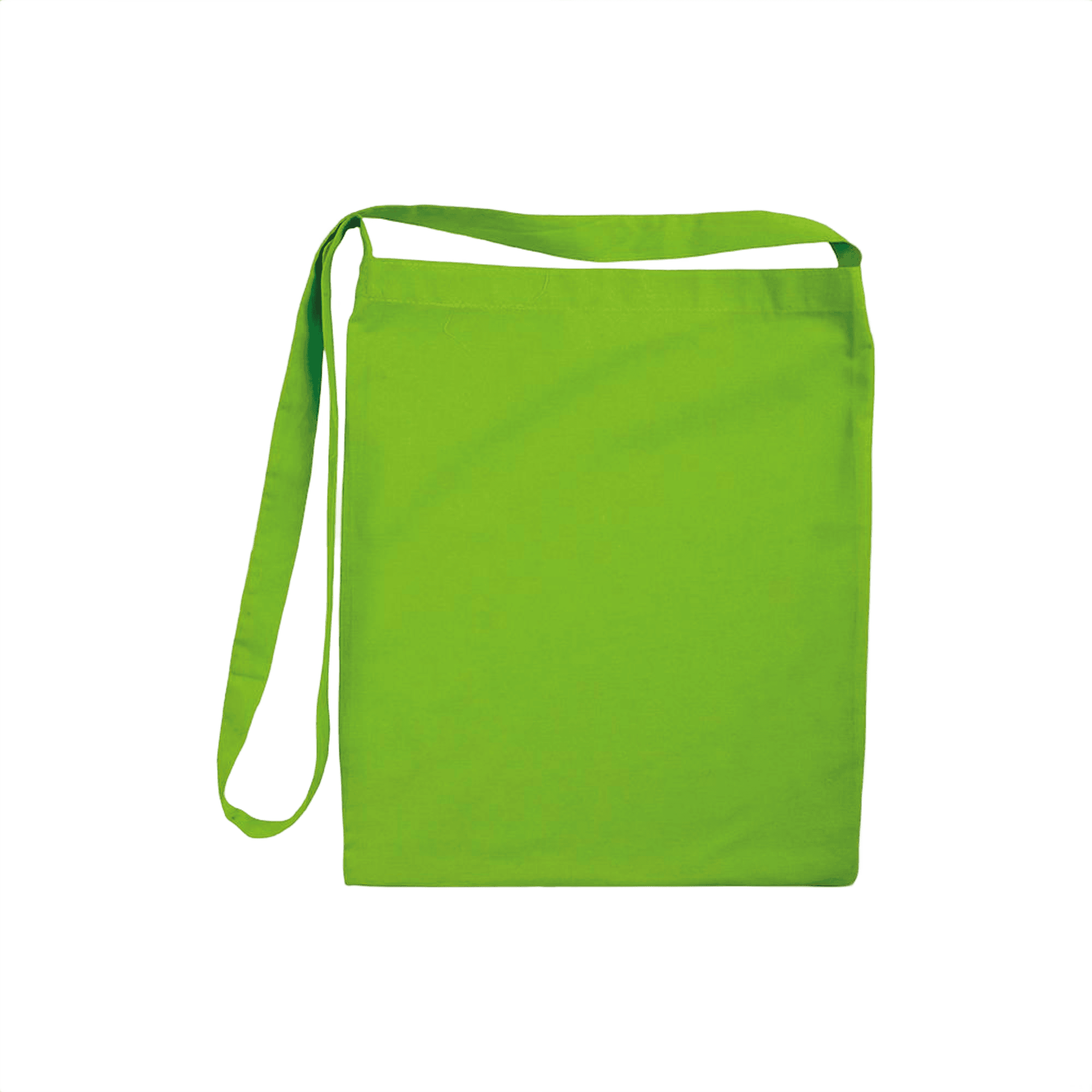
Cotton Shopping Bag 135 g/m2

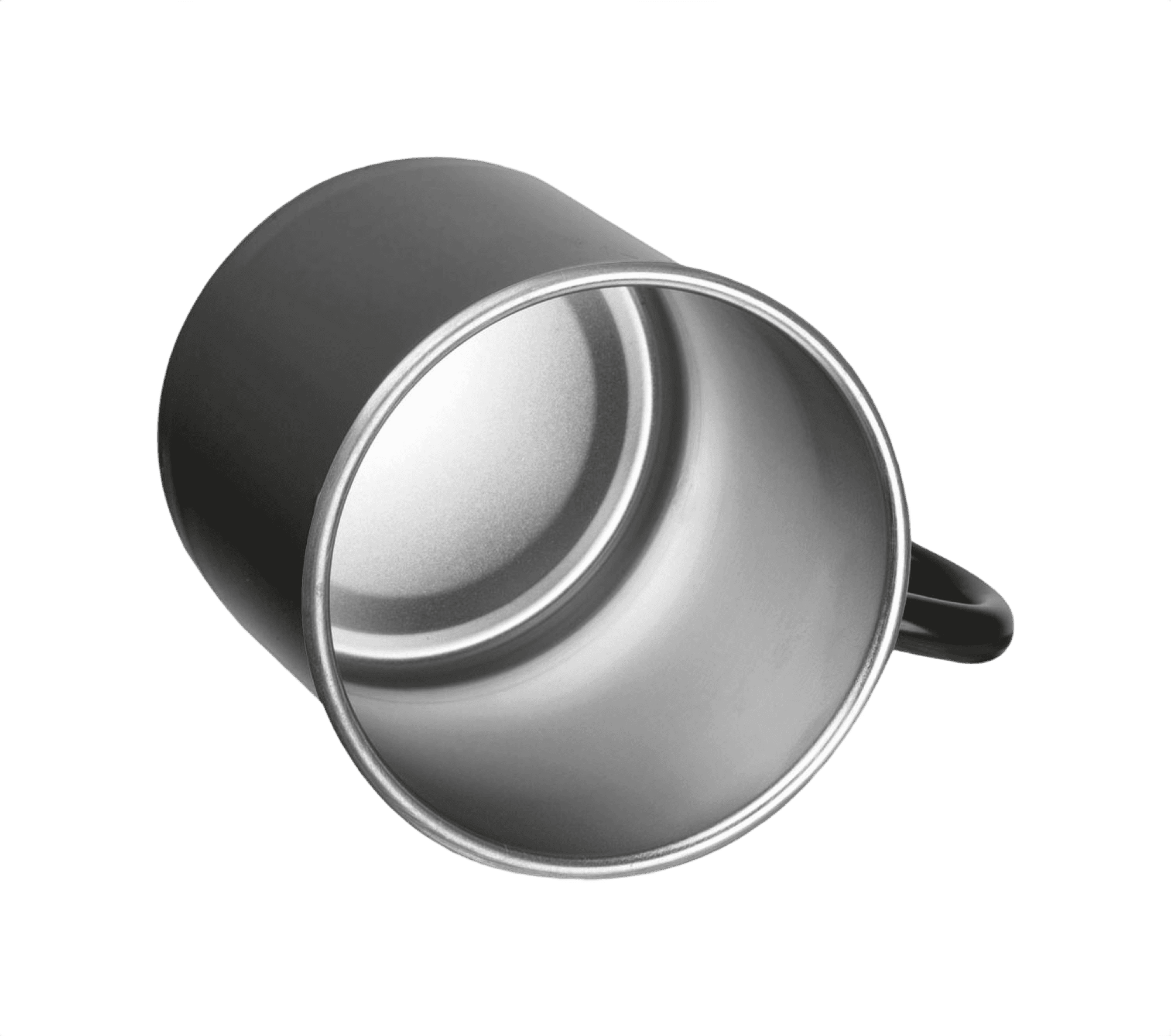
Steel Cup Trezzo

Swing PK822 32GB USB Flash Drive