Hot stamping: The finish with no ink in it
Bring your brand to life
Explore over 1,000 customisable products designed to showcase your brand and leave a good impression.
Ask someone to name a printing technique and hot stamping usually makes the list, filed next to screen print and foil print. It shouldn't be. There is no ink in a hot stamping run, not a drop of it. What lands on the surface is foil: a thin film of metal or pigment, pressed on with a heated die until it bonds to the material underneath.
The process has three parts that always work together: a die that carries the design, foil that carries the colour, and heat and pressure that make the two meet. Take away any one of the three and nothing transfers. That is the whole method, before we get into what each part actually does.
The die, the foil, and the press
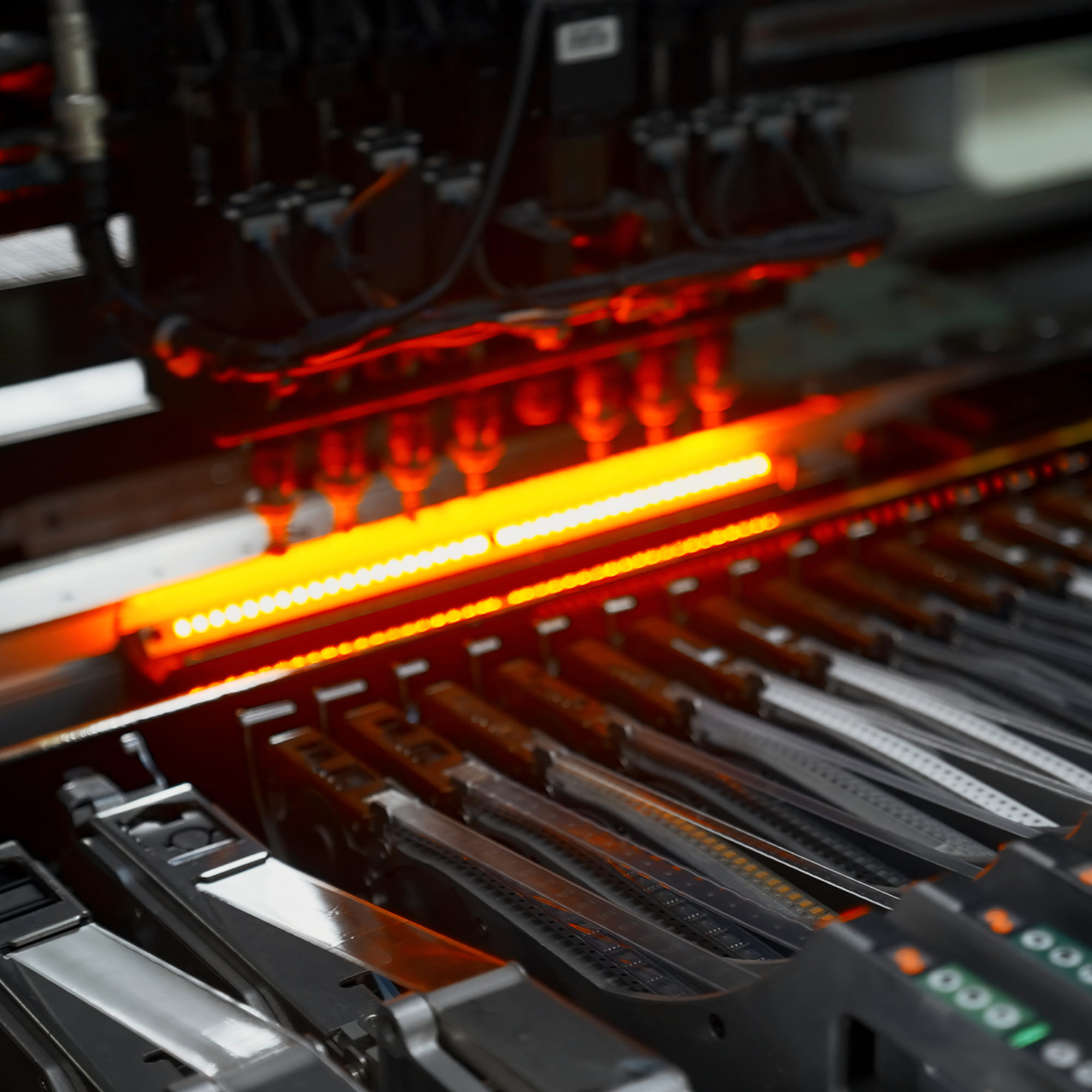
A die is cut or etched with whatever the design calls for and mounted into the stamping machine. It is heated to a set temperature, then pressed down through a roll of foil running between the die and the product. Where the die makes contact, it releases the foil from its backing and fuses it to the surface. Where it doesn't, nothing happens.
That precision is the whole appeal, and also the whole cost. A die is cut for one design at one size. Change the logo and the die is scrap; there is no adjusting an existing one to fit a new brief. For a small order, that upfront cost has to be weighed against what the finish is worth to the product.
Where it shows up
Hot stamping earns its place on packaging, book covers, business cards, certificates, and branded stationery, and in merchandise on notebooks, folders, leather goods, and rigid gift boxes. It is a materials decision more than a logo decision: leather and rigid board take a die cleanly, most soft-sided bags don't.
Foil comes in gold, silver, holographic, matte, and gloss, and in solid colours beyond the obvious metallics. The choice changes what the same design says. Gold on a leather portfolio reads differently to silver on the same product, and neither reads like a printed logo would.
Why it reads as premium
A metallic foil catches light in a way printed ink cannot. That reflective, slightly raised quality is most of why hot stamping turns up on premium corporate gifts and luxury packaging in the first place: it signals attention before anyone reads the logo. It also holds up. Foil bonded correctly resists everyday handling better than most printed finishes do.
It layers well, too. Hot stamping combined with embossing or debossing gives a mark that is both metallic and tactile, which is why the two often turn up on the same product rather than as competing choices.
What it costs to get wrong
The die is the constraint that catches people out. It has to be commissioned before the first unit runs, which rules the technique out for short runs or designs still in flux. Fine text and small detail are the second constraint: the die needs enough surface area to hold the foil cleanly, and letters that are too fine or too tightly spaced blur or drop out.
Curved and heavily contoured products are harder again. The die needs even contact across the whole design, and a surface that isn't flat fights that. None of this is a reason to avoid the technique. It is a reason to check the design and the product shape against it before committing to a die.
When we point clients elsewhere
Hot stamping is the right call when a metallic or foil finish is the point of the product, not a decoration added at the end: premium packaging, leather goods, stationery meant to be kept rather than used up. Where a design needs a full colour range, fine photographic detail, or is likely to change before the next run, we say so and point toward a print-based method instead. A finish that looks expensive on the wrong product just looks like foil.
Die, foil, heat, restraint. That is our corner of the business. And the question underneath it: does the finish tell a client something true about the product, or is it just the most expensive way to say what print would have said for less.
About the author
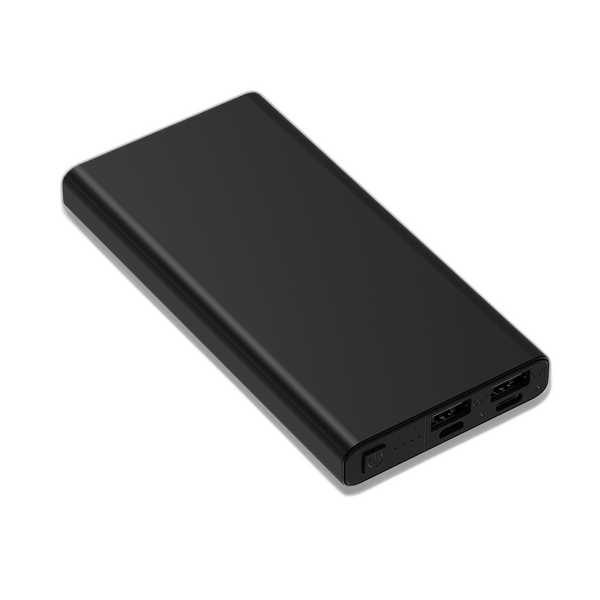
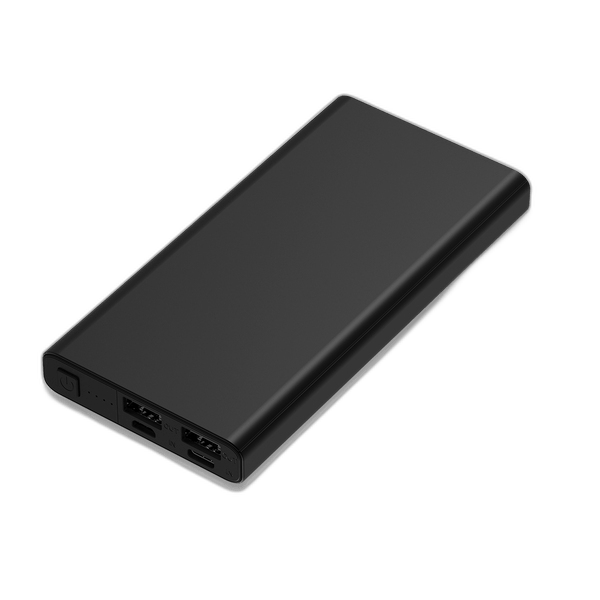
Banco Power Bank 10000 mAh
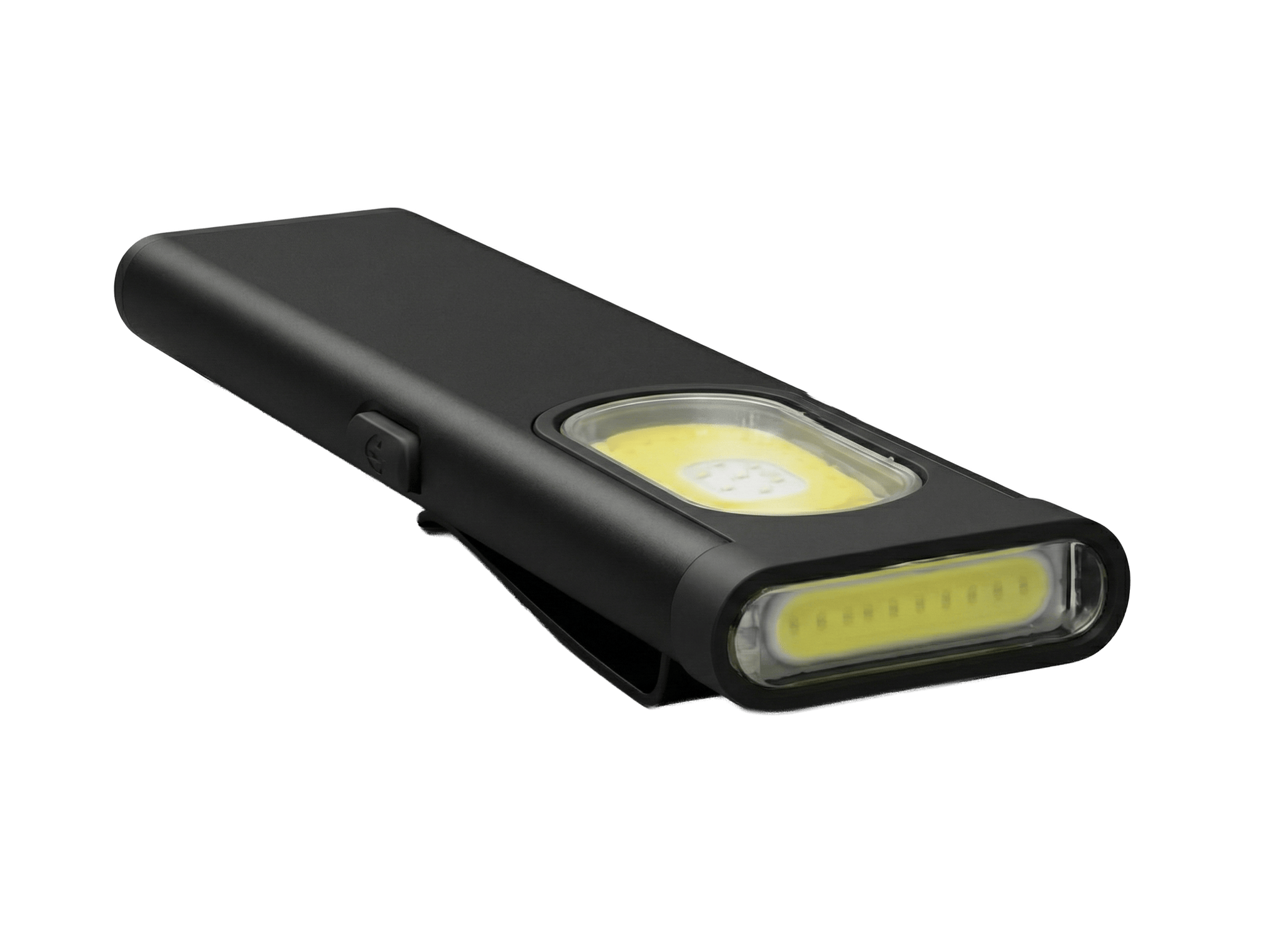
Blaze Flat Light 8in1