Inside printing: Hidden branding with a lasting impression

Bring your brand to life
Explore over 1,000 customisable products designed to showcase your brand and leave a good impression.
Most people judge a branded garment by what's on the front: the logo, the size of it, how sharp the print looks under store lighting. The real tell sits where nobody looks. The inside of the collar, where a label usually goes, and in a growing number of garments, a print sits instead.
What we print instead of stitching
A woven label sewn into the neckline is the industry default. Inside printing replaces it with a design applied directly to the fabric, using heat transfer or screen printing adapted for interior fabric, and inks formulated to bond with the material rather than sit on top of it. The result sits flush with the fabric. No stitching. No raised edge. Nothing scratching the back of a neck.
Where it goes, and what limits it
Placement is fixed by the space available at the neckline, so inside printing suits a compact wordmark or a short line of care information, not a full graphic. It works best on smooth, stable fabric. Heavily textured or highly stretchy material can print unevenly, and we don't push the technique onto a garment that resists it.
Where it shows up
T-shirts, hoodies, polos: the categories where a standard label usually sits are the ones where inside printing replaces it. It turns up most in corporate merchandise, branded workwear, and apparel priced above the basic promotional tier, where the brand wants the inside of the product to say something too. Size, origin, and care instructions can go in the same space, printed rather than woven.
Why it's worth the extra step
A woven label sewn into a collar can scratch after enough washes and enough wear. Inside printing removes that, because there is nothing raised against the skin to begin with. It also tells the wearer something before they've read a word of it: that the product was finished, not just decorated. For a corporate gift, that detail does its work without changing anything visible from across a room.
Not for every order
Inside printing adds a step: precise positioning on interior fabric that a folded label does not need. For high-volume, low-cost promotional t-shirts, a standard label or an outside print is usually the more practical call. We recommend it where the finish is part of the brand, not on every order that crosses the desk.
Wordmark size, fabric stability, neckline placement, the choice to skip the label altogether. That is our corner of the business. And the question underneath it: whether a product tells the wearer it was finished, or just decorated.
About the author
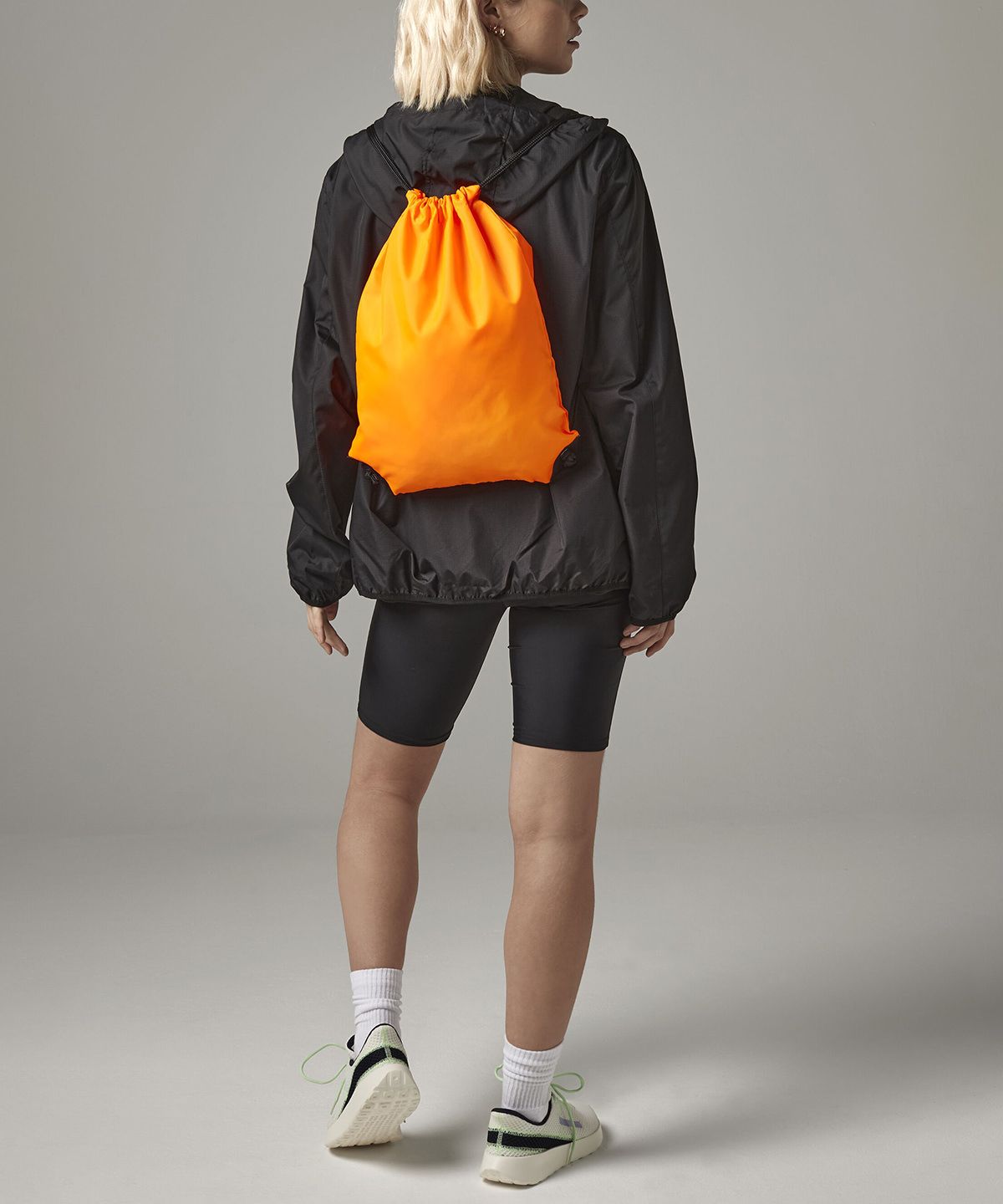
Premium Gymsac
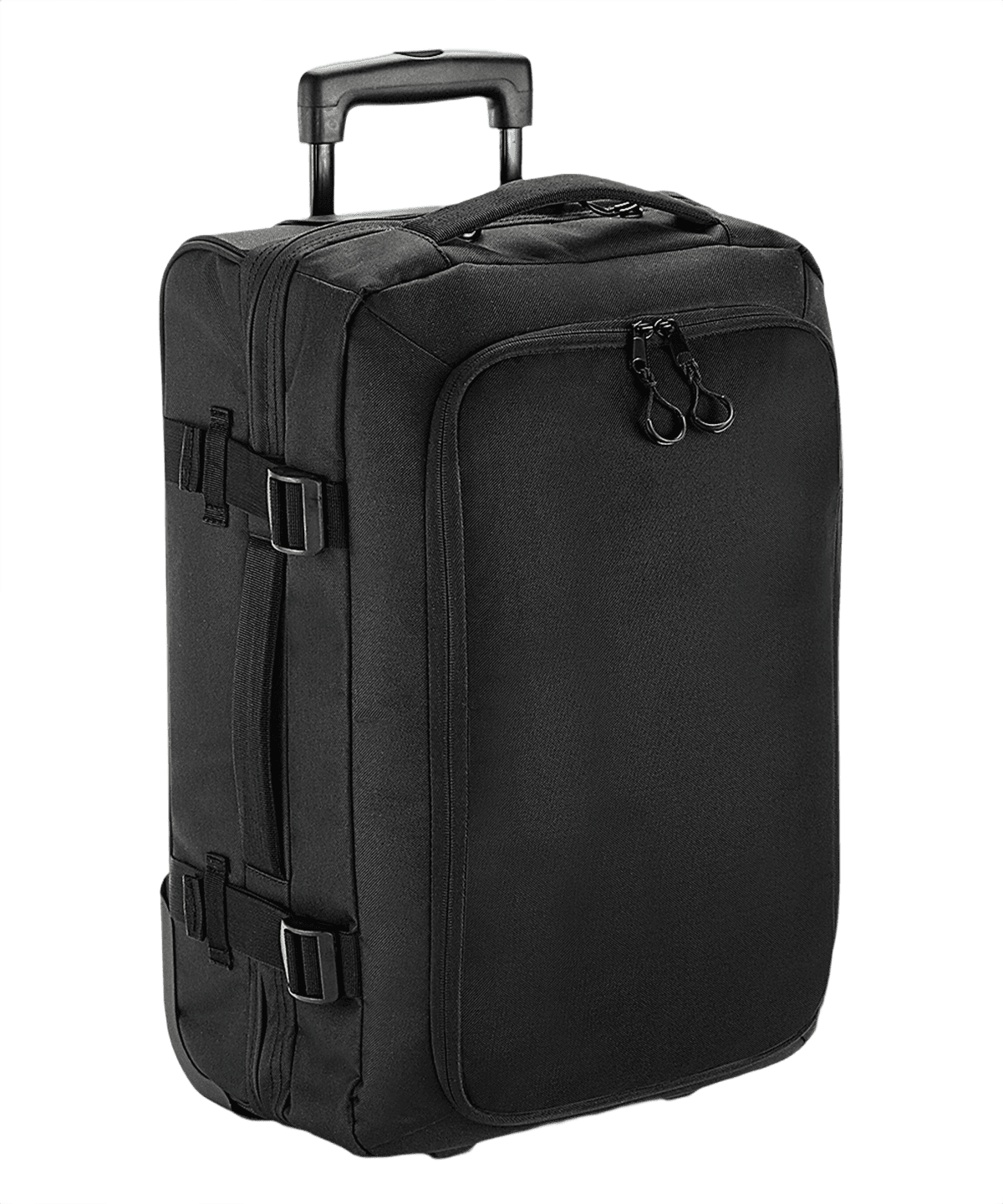

Escape Carry-on Wheelie
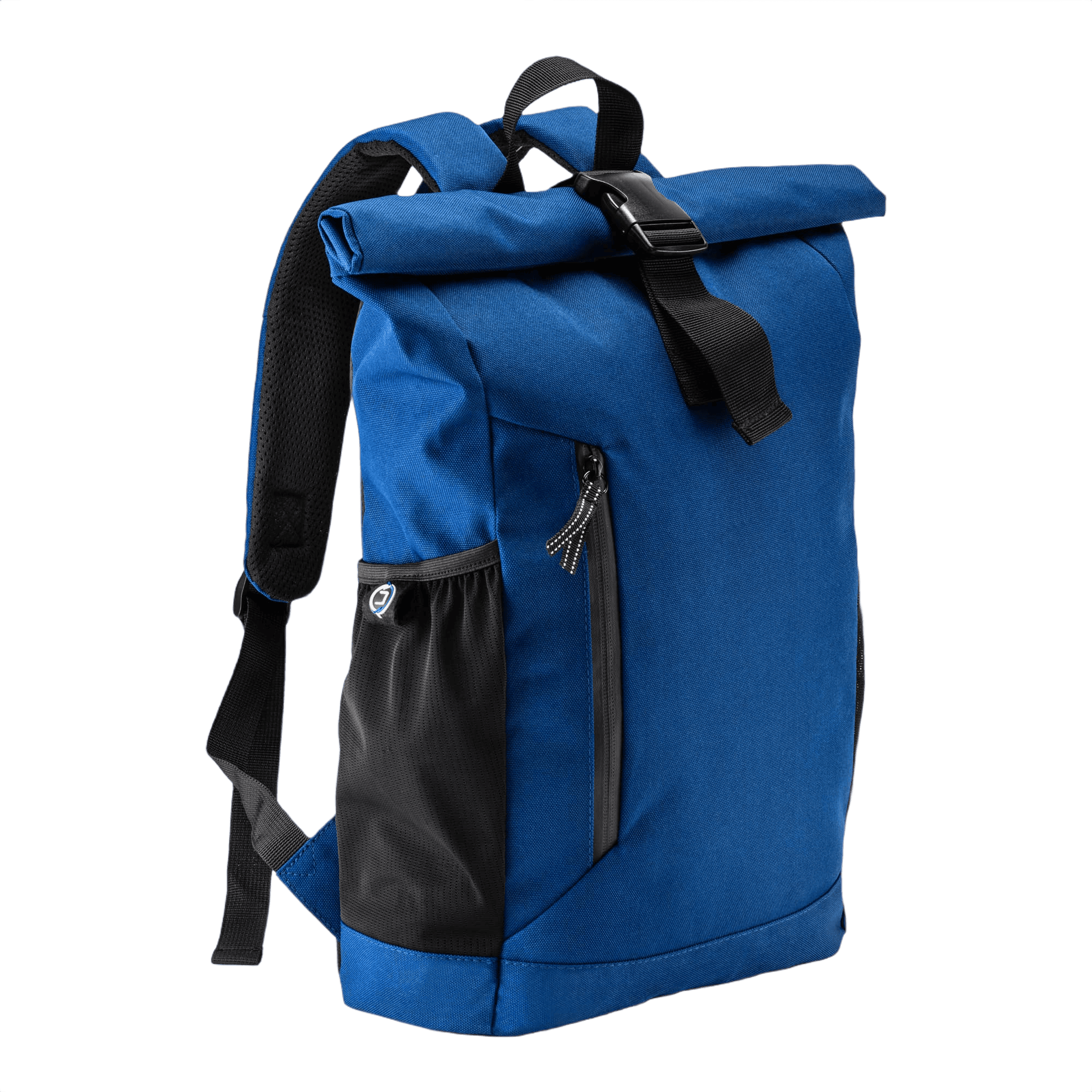
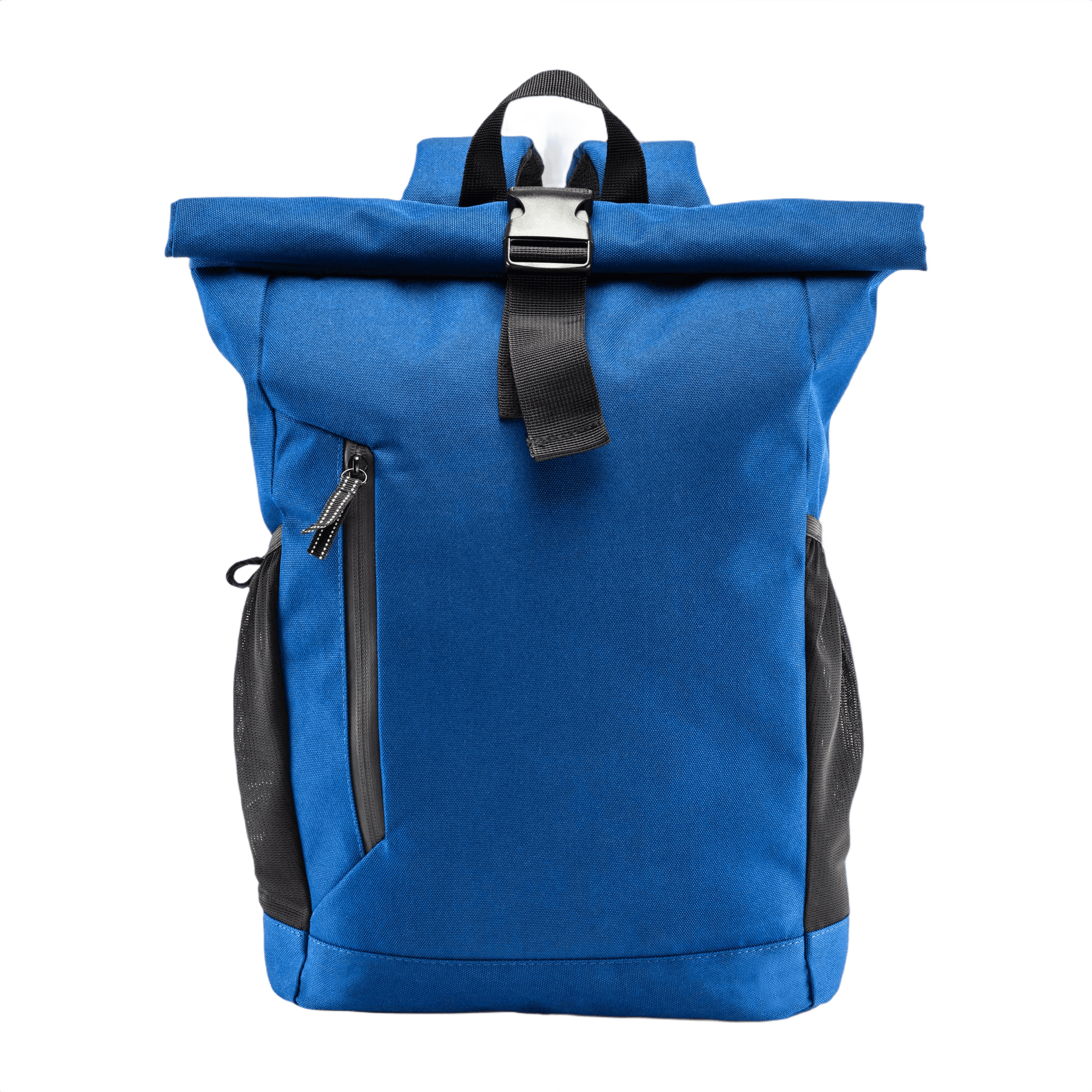
Oceancycle Computer Backpack