Litho printing: When paper needs to look the same, every time
Bring your brand to life
Explore over 1,000 customisable products designed to showcase your brand and leave a good impression.
Not the design. The substrate.
Most people assume the hard part of print is the artwork: how many colours, how sharp the logo, how close to the brand guide. It isn't. The hard part is the surface and the volume. Litho printing does not care how good your design is. It cares whether you are printing on flat paper or board, and whether the order is a hundred units or ten thousand.
Plate, blanket, ink
Litho, short for lithographic printing and also known as offset, works on one principle: oil and water do not mix. The design goes onto a thin aluminium plate. The image areas are treated to hold ink and repel water. The rest does the opposite.
The plate is dampened, then inked. Ink sticks only where the image is. From there it is offset, transferred, onto a rubber blanket, which presses it onto the paper or board. Not plate to paper directly. Plate to blanket to paper. That indirect step is where the name comes from, and it's also what gives litho its soft, even impression, one that direct contact can't match.
Most runs use CMYK, four colours, each printed in its own pass. Pantone spot colours come in when a client's brand colour has to match exactly, not approximately.
A plate has to be made for every colour before a single sheet runs. That's cost and time up front, and it's why litho does not suit a job where the content changes from copy to copy.
Where litho is the standard, not the exception
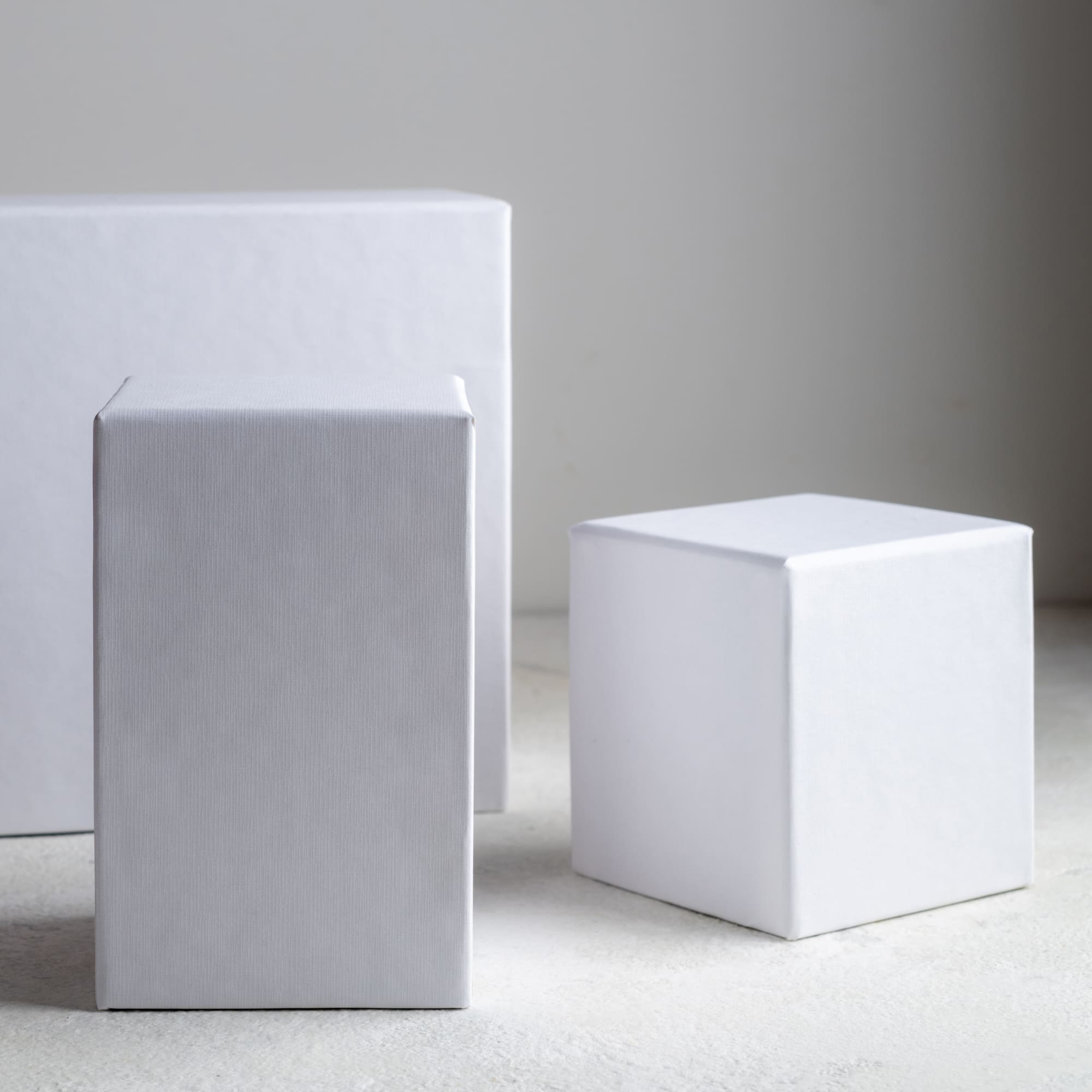
Brochures, catalogues, magazines, posters, business cards. In merchandise, litho is what sits behind the paper bag a product ships in, the gift box, the booklet, the leaflet folded inside. None of it is the product itself. All of it is what the product arrives in.
Nobody frames a paper bag. But when a client orders three thousand of them and every one has to carry the same blue, litho is the reason the three thousandth bag matches the first.
What the cost actually buys
Litho holds fine detail, gradients, and photographic images at a level digital struggles to match once the run gets long. Once the plates are set, the cost per unit drops fast with scale. Finishing options extend from there: gloss or matte lamination, varnish, spot UV, foil stamping, all applied after the base print to change how the piece feels in hand, not just how it looks.
None of that finishing changes the arithmetic underneath it. Below a certain volume, litho is not cheaper. It's just slower to get started, for no benefit at all.
Where it stops making sense
Litho is a flat paper and board process. It does not go on garments, hard goods, or anything with a curve or a seam. For that, screen print, embroidery, engraving, sublimation, and the other methods in our list of nine take over.
And for short runs, or anything where each copy needs to be different, digital printing beats it outright. Plates cost the same whether you print five hundred sheets or fifty thousand. On a run of fifty, that cost has nowhere to hide.
Matching the method to the order
Litho is right for the paper components of a merchandise order: the bag, the box, the insert, the branded stationery, whenever the quantity is high and the colour has to hold. For anything shorter, more variable, or not made of paper, another method earns its place instead.
Plate, blanket, offset, patience. That is litho's corner of the print room. And the question underneath it: is this an order of ten thousand identical pieces, or one that only needs to exist once?
About the author
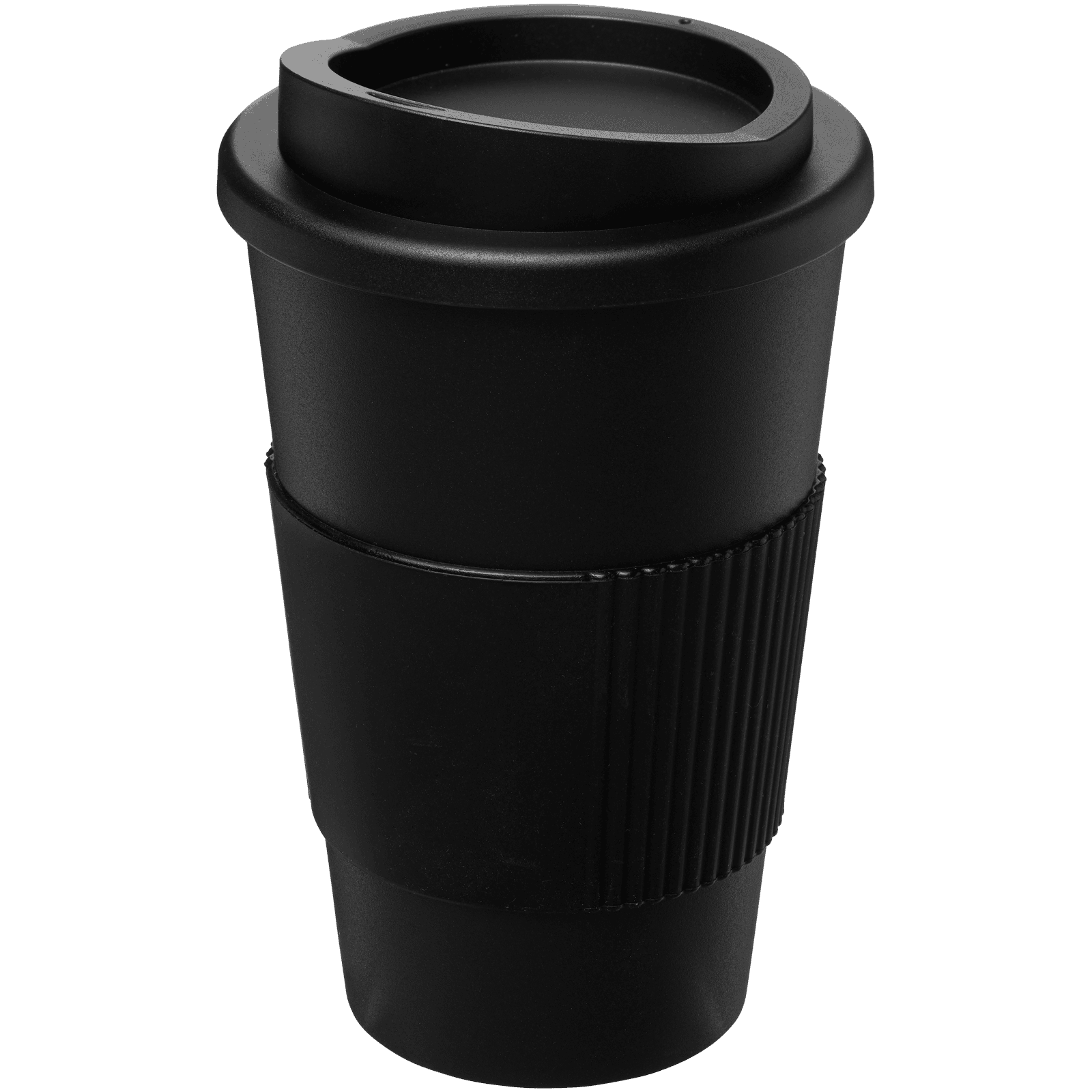
Americano Thermos Mug with Handle 350ml
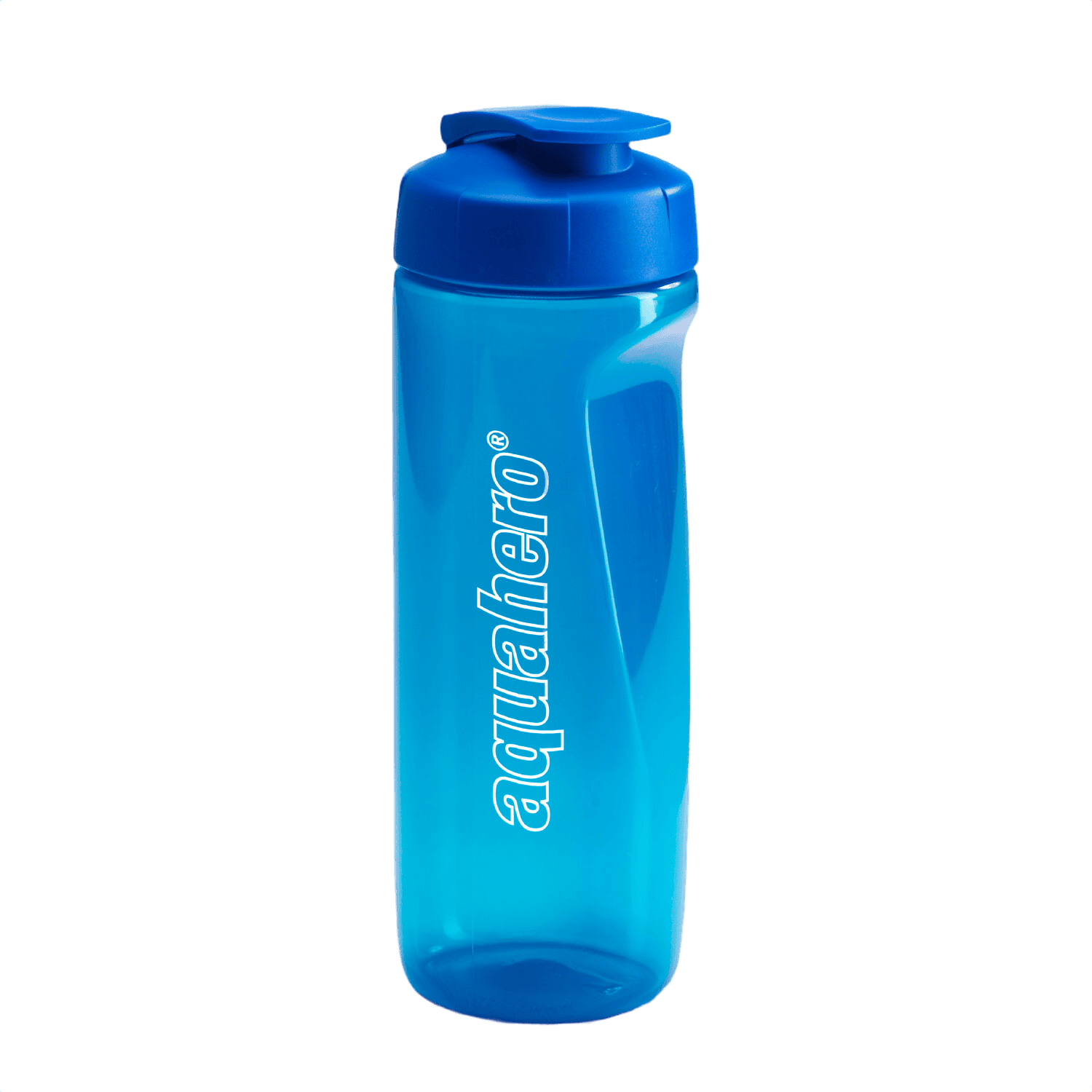
Water Bottle Kick 700ml
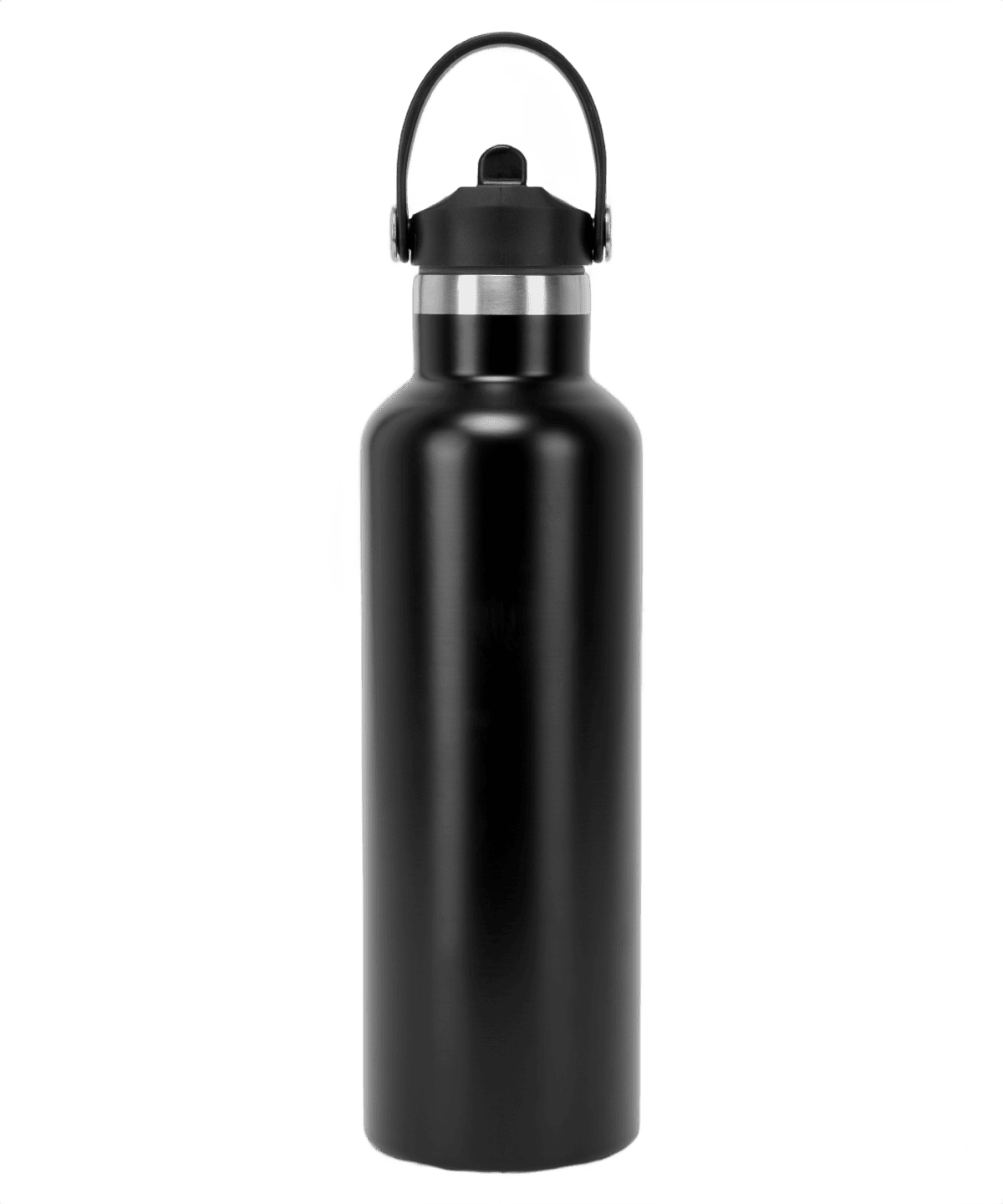
TriDri® Vacuum Sports Water Bottle