Outside printing is a placement decision, not a technique one

Bring your brand to life
Explore over 1,000 customisable products designed to showcase your brand and leave a good impression.
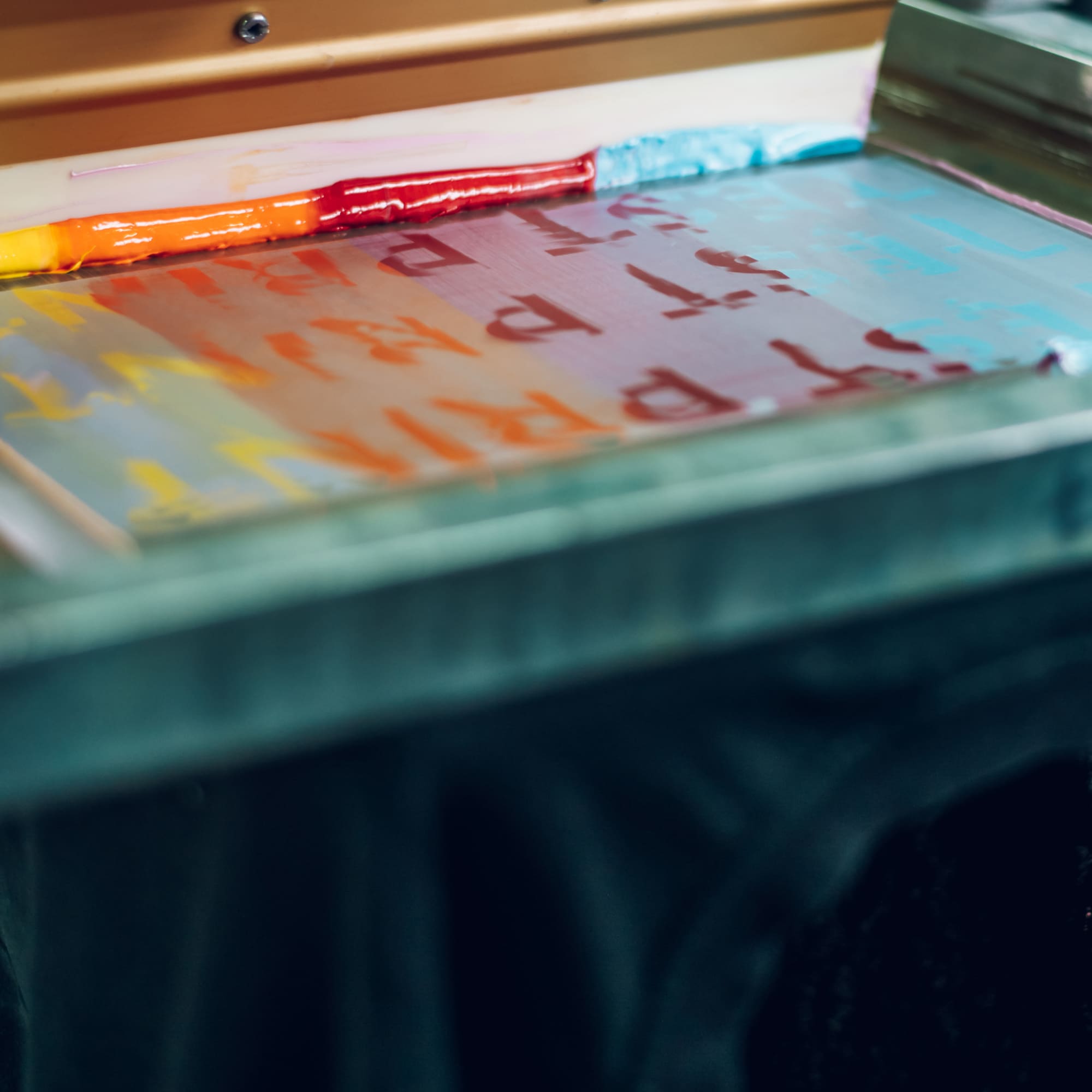
Not the technique. The placement.
Most clients think the hard decision in outside printing is which technique to use: screen print, embroidery, DTF, or digital transfer. It isn't. We can match a technique to a fabric in minutes: screen print for a flat cotton tee, embroidery for a heavier polo, DTF when the artwork carries more colors than a screen setup can justify. The decision that actually determines how the branding looks two years from now is where the mark sits and how big it runs, agreed before the first sample, not after.
The arrangement
Here's how it works. A client brings us a logo and a product. We tell them which technique the fabric and quantity support, where the mark should sit for that product type, and what the print will look like after it's been through forty industrial washes or a summer in a car window. Everything below is what that conversation covers.
Technique: what actually goes on the outside
Outside printing on apparel usually means one of four methods, screen print, embroidery, DTF, or digital transfer. Each gives a different hand feel and a different lifespan. Screen print is flat and cheap at volume, and it cracks eventually. Embroidery costs more and tends to outlast the garment. DTF handles color-heavy artwork that would need six separate screens otherwise, at the cost of some texture. On hard goods such as bottles, bags, and USB drives, the outside options change again: pad printing, laser engraving, digital print, or a sewn label, depending on what the surface is actually made of. Getting this wrong is rarely visible on delivery. A logo screen printed onto a poly blend that should have taken embroidery looks fine in the box and cracks by the third wash, and by then it's the client explaining it to their own team, not us.
Placement: chest, back, sleeve, panel
Chest, back, sleeve, or hem on apparel. Front panel on a bag. The full outer barrel on a bottle. Placement decides how the branding reads before anyone reads the logo itself: a small chest mark says corporate, a full back print says event. We agree this on the actual product, not on a flat mockup, because a placement that looks centered on a template can sit off to one side once a hoodie has a hood and a zip pull in the way.
Durability: what survives the wash
A print that looks right in the box and cracks after two washes has cost the client more than they saved by choosing the cheaper technique. Wash frequency changes the answer. Workwear on an industrial cycle needs a different ink and application than a conference t-shirt worn twice and folded into a drawer. Outdoor hard goods need UV and scratch resistance built into the finish, not added afterward. We'd rather tell a client their preferred technique won't hold up on their fabric than let them find it out from a pile of returns six months in.
The full list of methods we offer, and which product types each one suits, sits on our page on print techniques.
Our corner of the business
Technique, placement, wash resistance, the honest answer about what won't hold up. That is our corner of the business. And the question underneath it: whether the logo on a product is still readable the fiftieth time someone picks it up, or only the first.
About the author
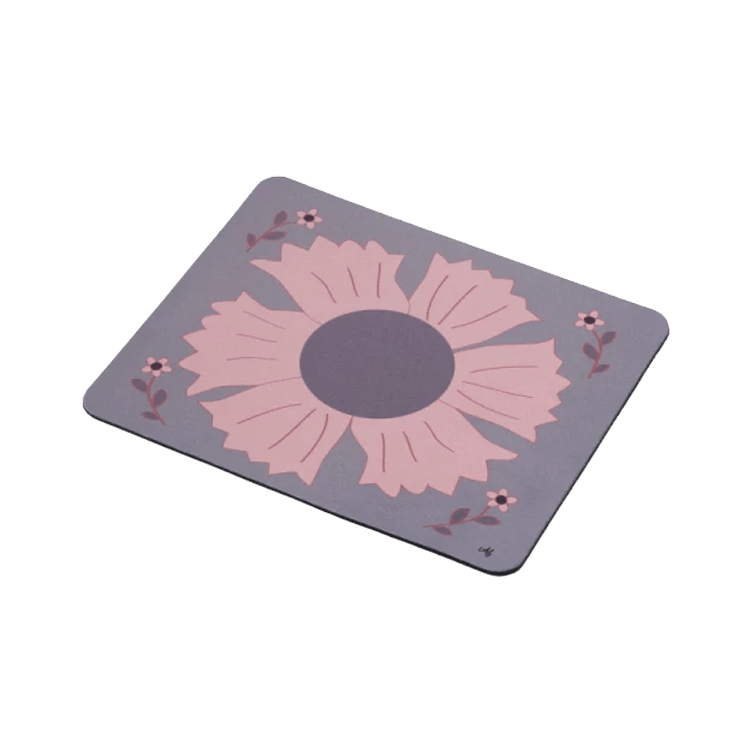
Mouse Pad 220x180x2mm

Notepad Meivax
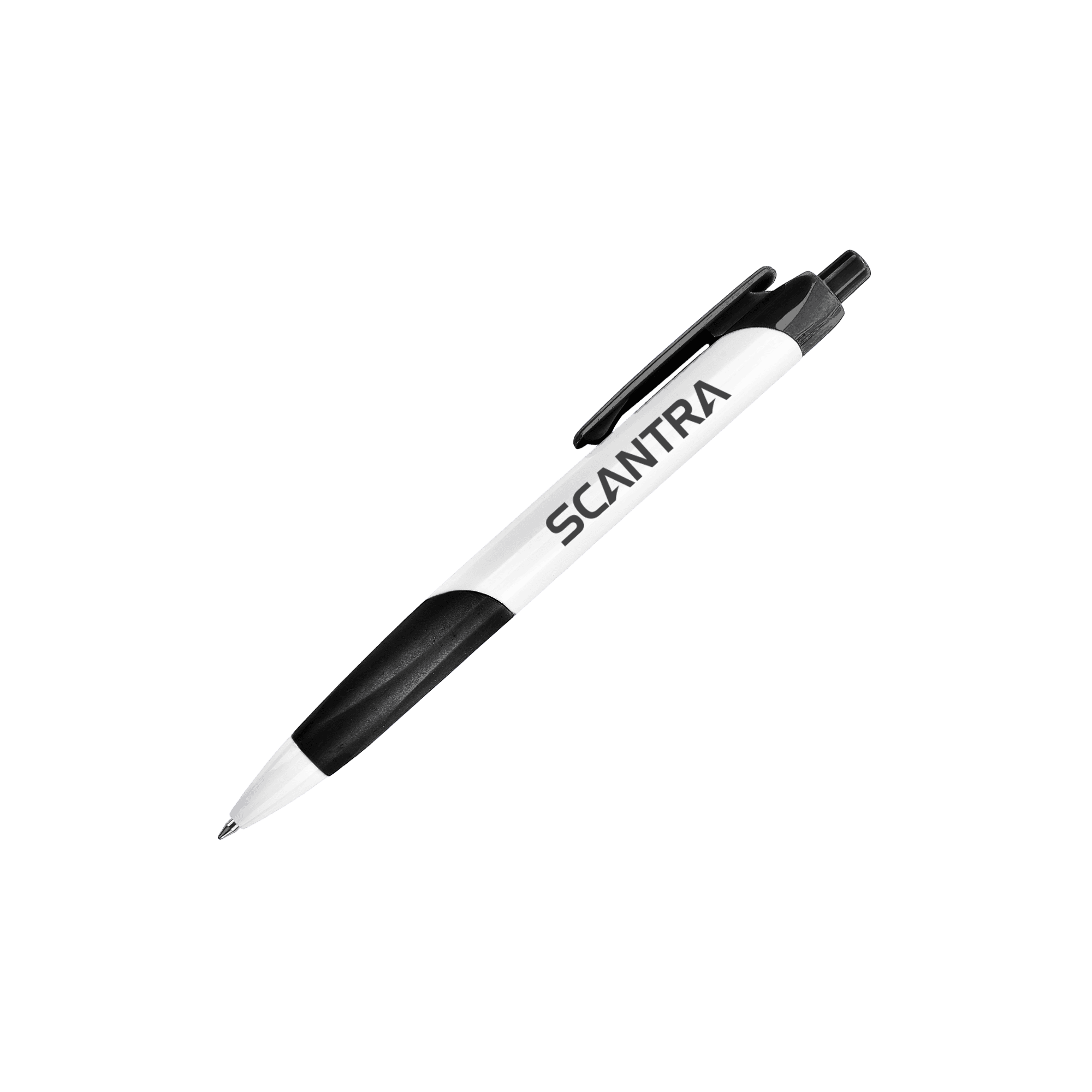
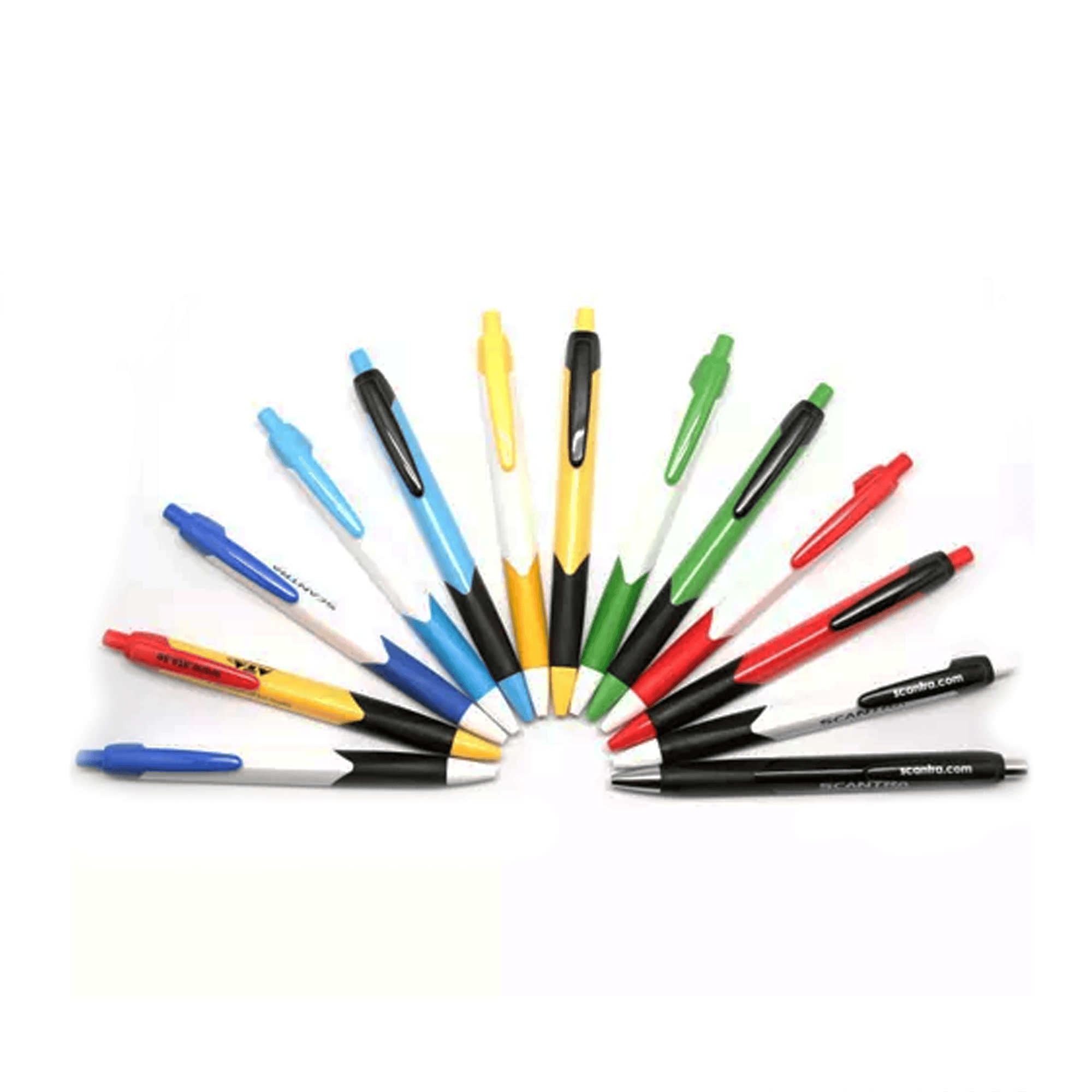
Certicpen Nemo