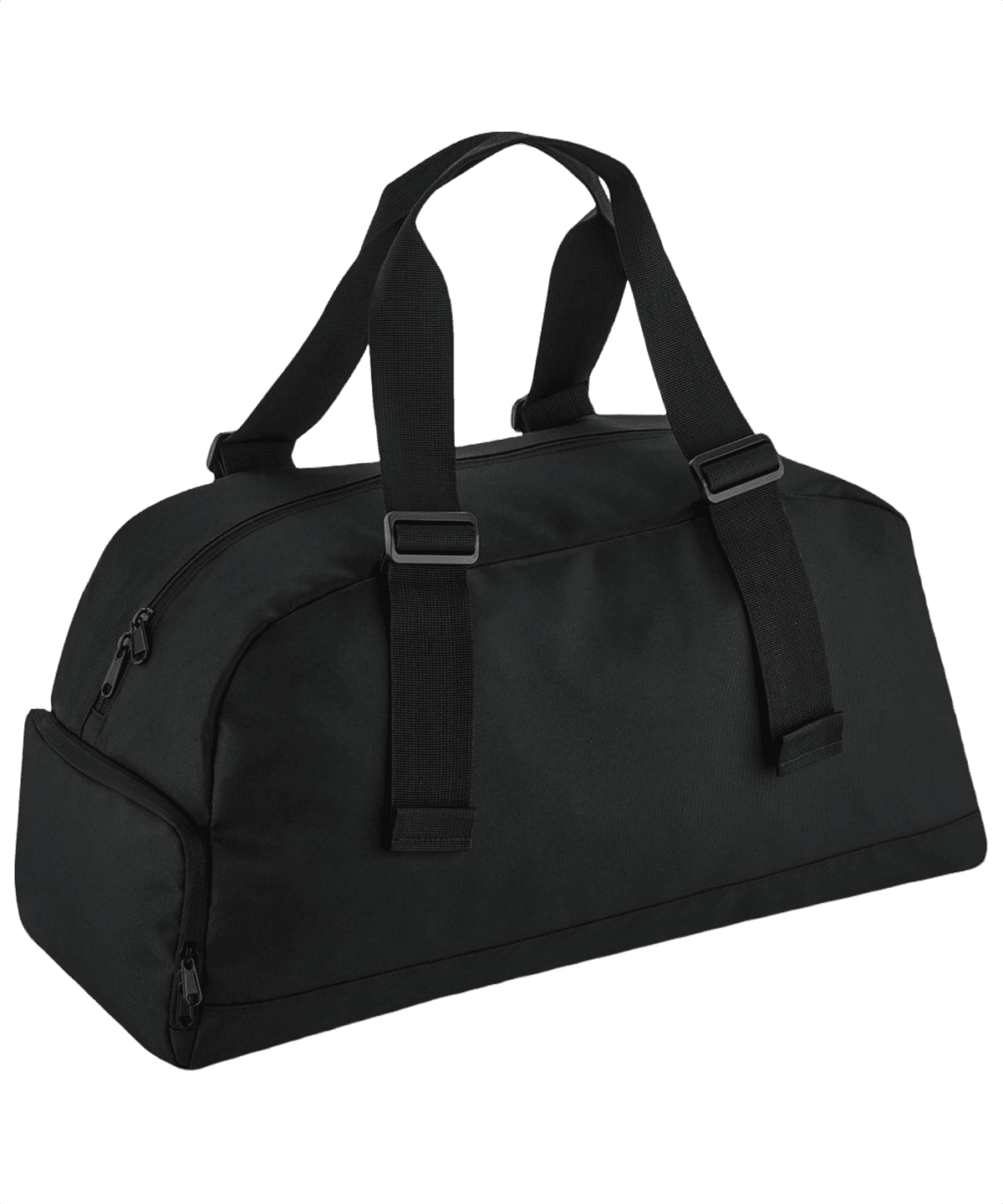
Sublimation printing: When ink becomes part of the material, not a layer on top

Bring your brand to life
Explore over 1,000 customisable products designed to showcase your brand and leave a good impression.
What People Think Sublimation Is
Ask someone how sublimation works and most describe screen print with better colours: ink applied on top, more vivid, maybe more durable. That's not what happens. In sublimation, the dye never sits on the surface. It becomes part of it.
The Process: Paper, Heat, Gas
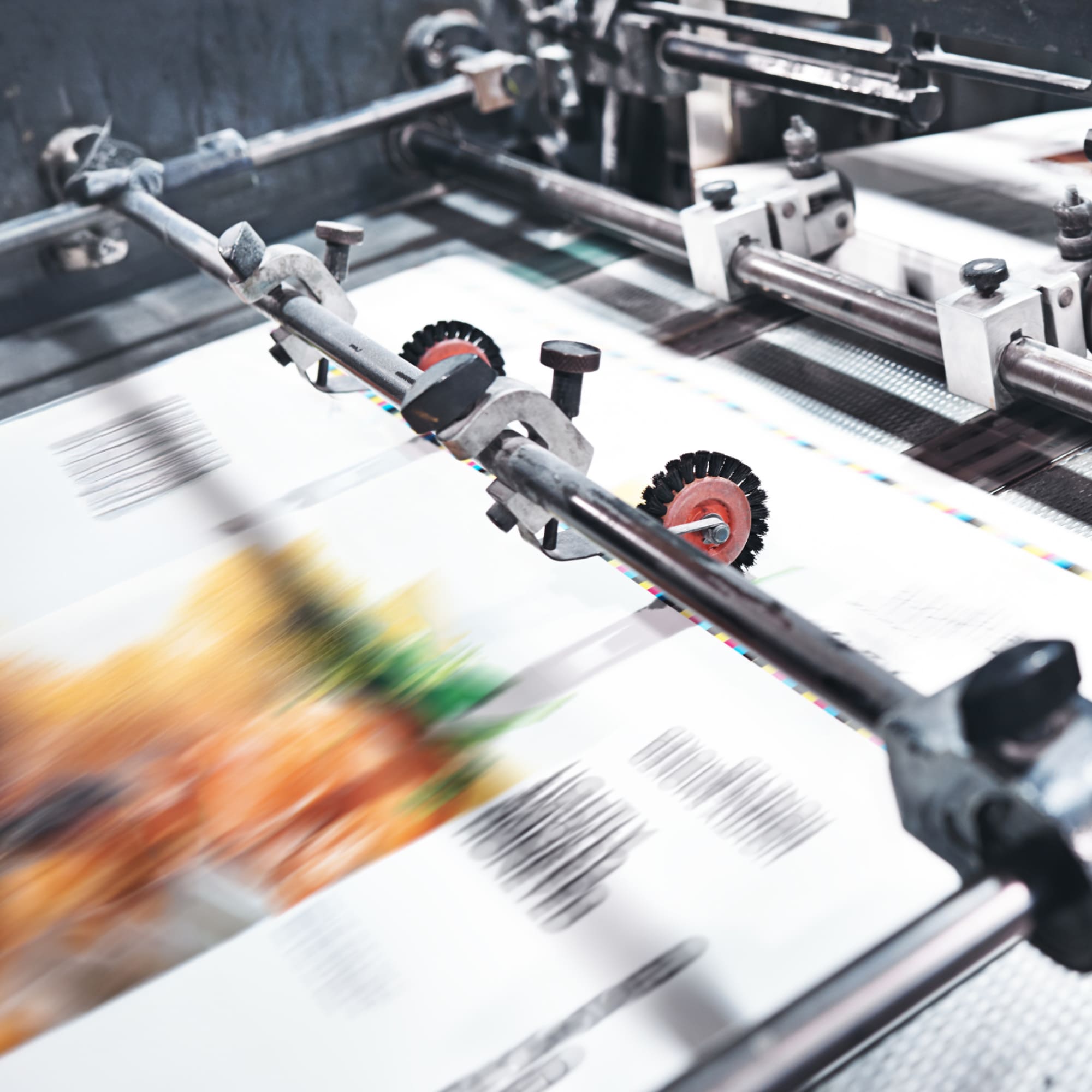
We print the design onto a transfer paper using sublimation inks. The paper goes onto the product and through a heat press at around 200°C. At that temperature, the dye stops being a solid and turns into a gas. The gas moves into the material. When the heat comes off, the dye turns solid again, locked inside the fibres.
On polyester, that bond happens directly with the fibre. On a mug, a bottle, or a phone case, there's no fibre to bond to, so the item needs a polyester-based coating first. No coating, no print. We've had a production run where the coating was inconsistent across the batch: the design took in some spots and not in others. There's nothing to do at that point but reject the batch and go back to the supplier.
Where It Earns Its Keep
Full-coverage, all-over prints on polyester: sportswear, performance wear, promotional apparel where the design runs edge to edge with no white space left over. Mugs, bottles, mouse pads, anything carrying the right coating. One transfer, one step, regardless of how many colours are in the design. A full-colour, photographic design costs no more to run than a single-colour logo. That's the case for choosing sublimation over almost anything else when the brief calls for full coverage.
What It Won't Do
Cotton doesn't take sublimation. There's no fibre for the gas to bond to, so it isn't a colour problem, it's a material problem, and we say no to it whatever the client asks for. Screen print or DTF does that job instead.
Dark fabric is a similar limit. The base colour of the material shows through the dye, so a navy t-shirt printed this way won't give a client white in their logo. It gives them grey. Sublimation wants white or pale, and polyester or a matching coating. Outside that, it's the wrong tool for the product.
Paper, heat, gas, fibre. That is our corner of sublimation printing. And the question underneath it: does the colour sit on the product, or does it become part of it.
About the author
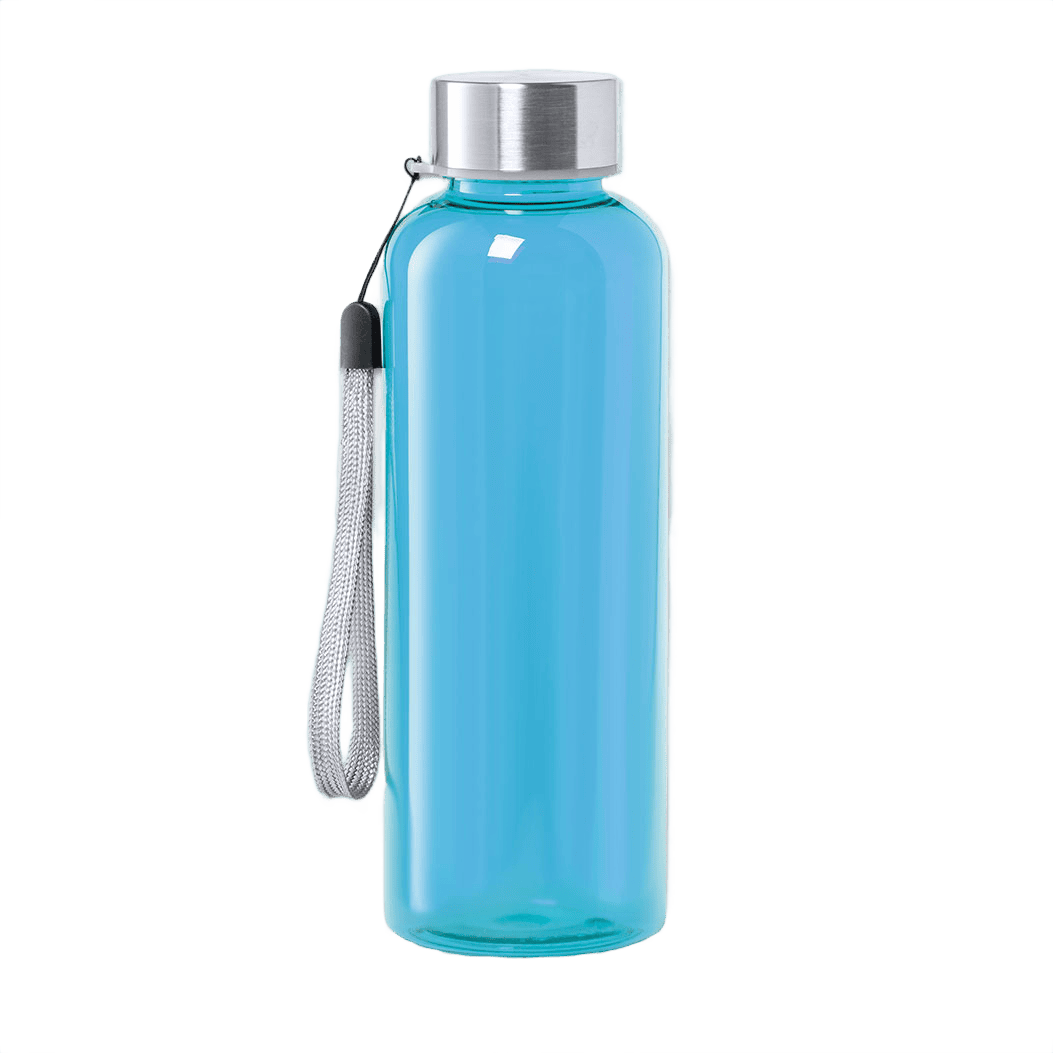
Rizbo Bottle
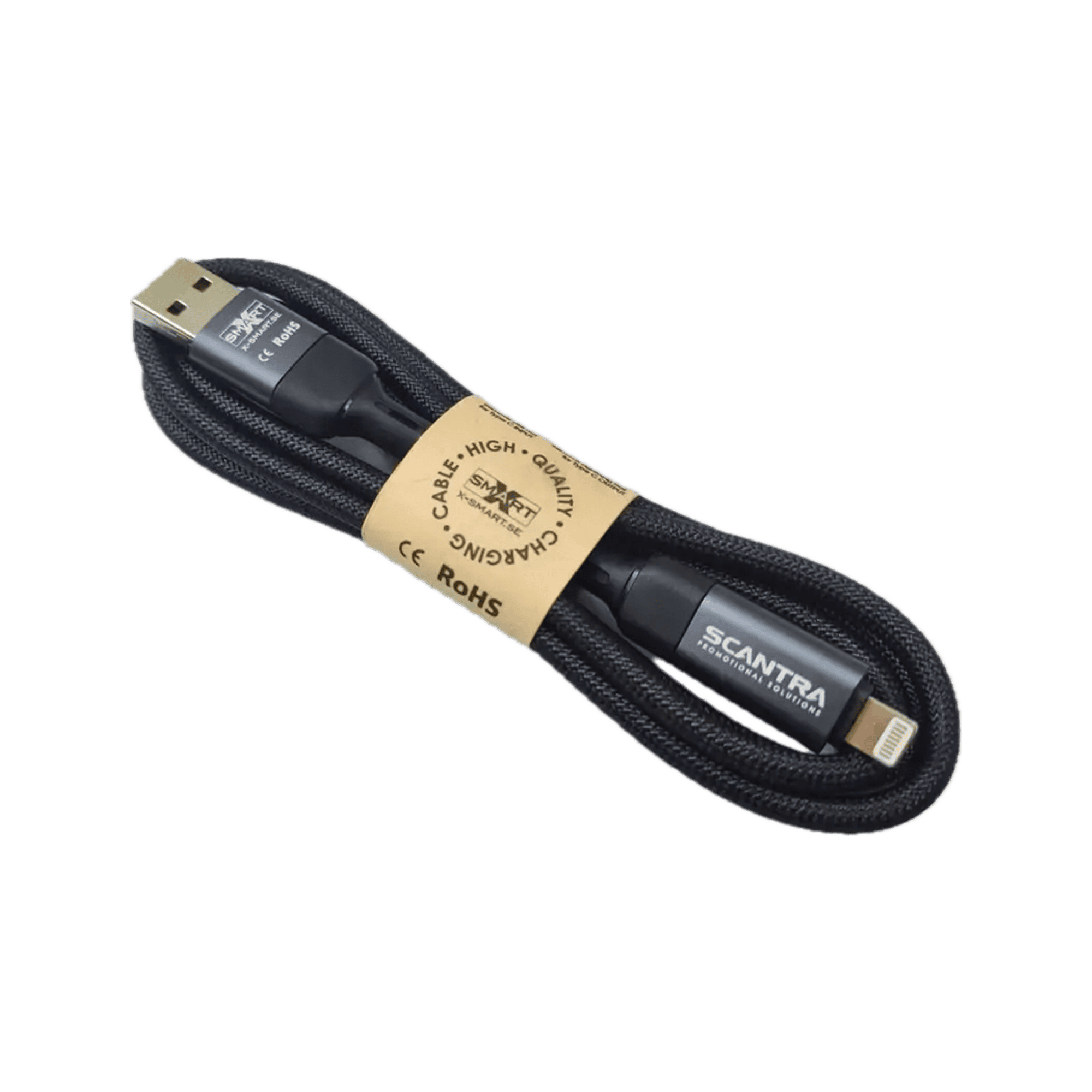
EasyCharge Extended-L 4in1 - X-Smart

Bella Stoneware Mug