Transfer printing: A printed design that moves before it sticks

Bring your brand to life
Explore over 1,000 customisable products designed to showcase your brand and leave a good impression.
What transfer printing actually is
Say "transfer print" and most people picture one thing: a design ironed onto a shirt. That is one version of it, not the whole method. Transfer printing is a family of processes, heat transfer, screen transfer, sublimation, thermotransfer, and each looks different on the shop floor. What they share is not the tool. It is the principle: the design is printed on one material, then moved onto another.
Two stages, and the second one is where it can go wrong
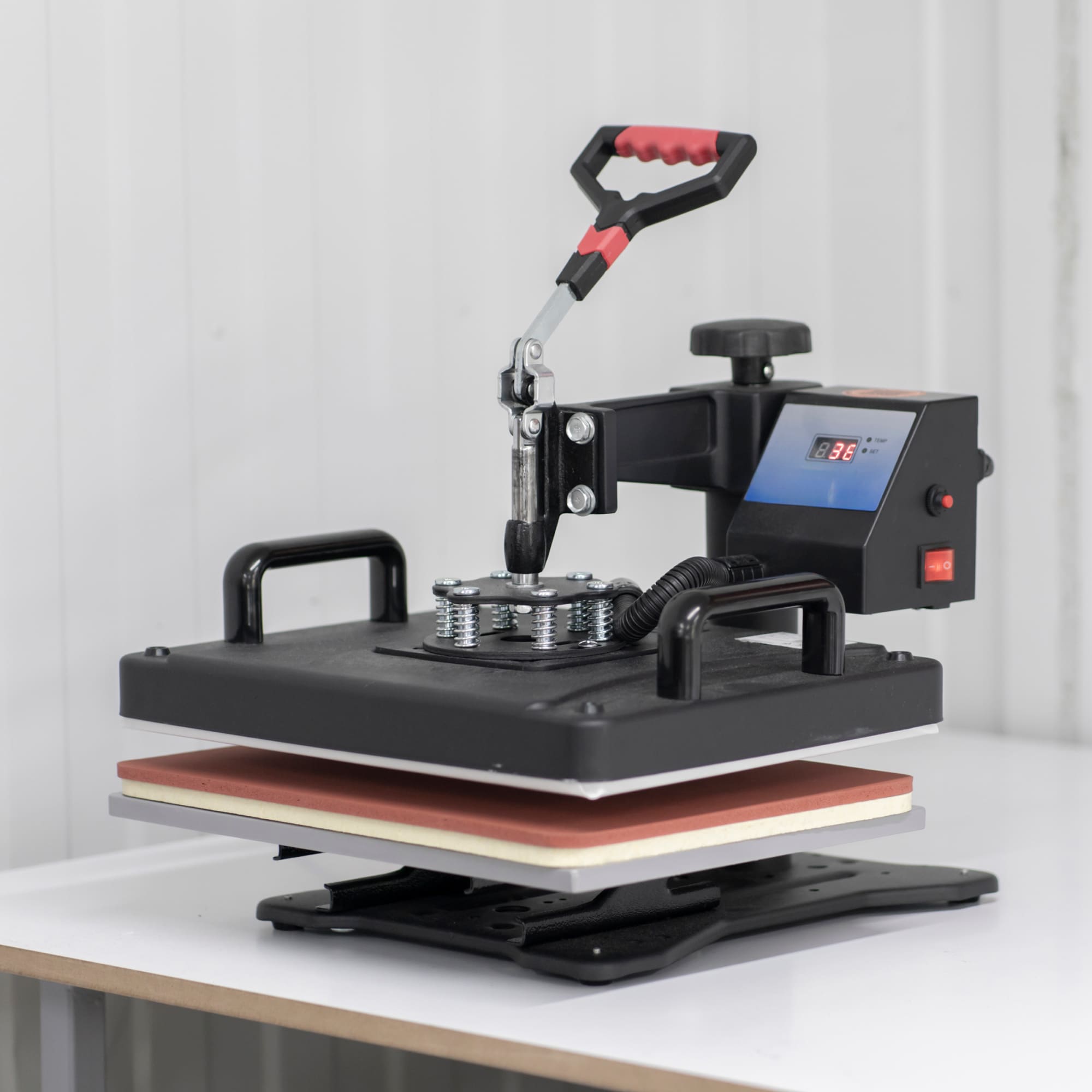
The design is printed onto a carrier first: paper, film, or foil, whichever the transfer type and the product call for. Then it is applied, pressed onto the item with heat that activates the bond between the design and the surface underneath. The carrier is peeled away. What is left is the print.
Some transfers peel hot. Some need to cool first. Get that wrong, or set the press to the wrong temperature or time, and the bond fails: patchy, incomplete, or gone after a wash. The technique is simple to describe and easy to get wrong in practice.
Why the same design can feel different on two different products
The transfer material decides the finish as much as the design does. Some transfers sit flush against the fabric. Others leave a visible layer you can feel with a thumb. Neither is wrong, but they answer different questions: is the print meant to disappear into the product, or sit on top of it as its own surface.
Where we use it
Apparel, bags, caps, drinkware, hard goods. Sports kits, event merchandise, corporate gifts, retail apparel. Anywhere the same design has to land on more than one type of product, or where a small number of items in a larger run need something different from the rest.
What it does that direct printing cannot
Because printing and applying are separate steps, transfers can be produced in batches and stored, then pressed onto products as orders come in. That shortens lead times on repeat orders and makes last minute personalisation straightforward: the transfer already exists, only the pressing is left to do. It also reaches surfaces direct printing cannot, materials that will not take ink directly, or cases where the right printing equipment is not on hand at the point of application.
Where direct printing wins instead
For very high volumes of a single design, transfer printing is usually not the better option. Screen printing or sublimation, run directly onto the product, tend to offer better economics and a cleaner finish once the quantity is high enough to justify the setup. We say so before a client commits to transfers for a run that direct printing would handle better.
Choosing it
Transfer printing suits a brief built around flexibility: several product types, personalisation within a run, or fulfilment that happens over time rather than in one batch. For one design, one product, one large volume, it is worth comparing the two routes before deciding.
Carrier, heat, peel, volume. That is our corner of the business. And the question underneath it: does the job need one printed batch, or a method that can keep up with orders as they come in.
About the author
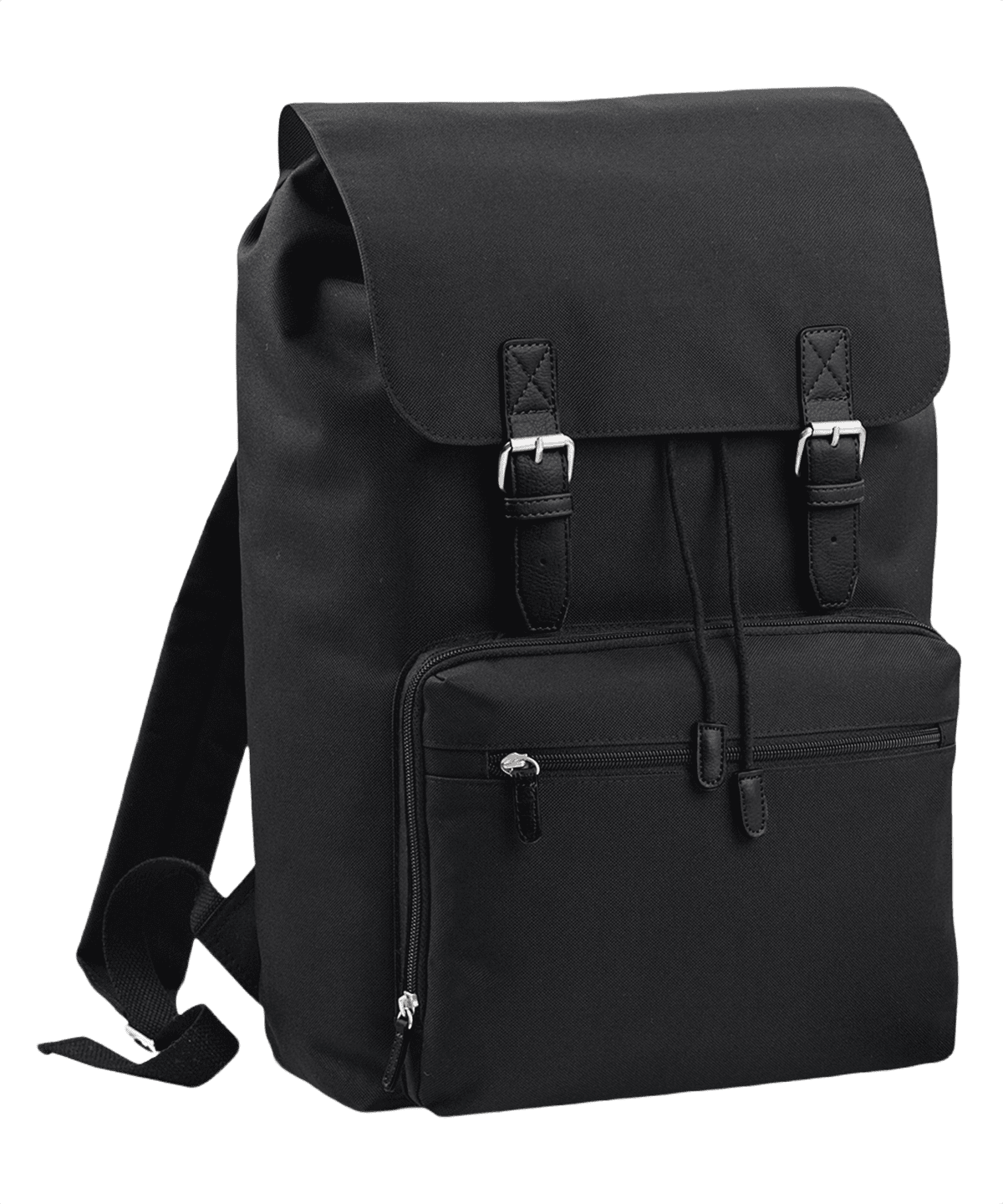
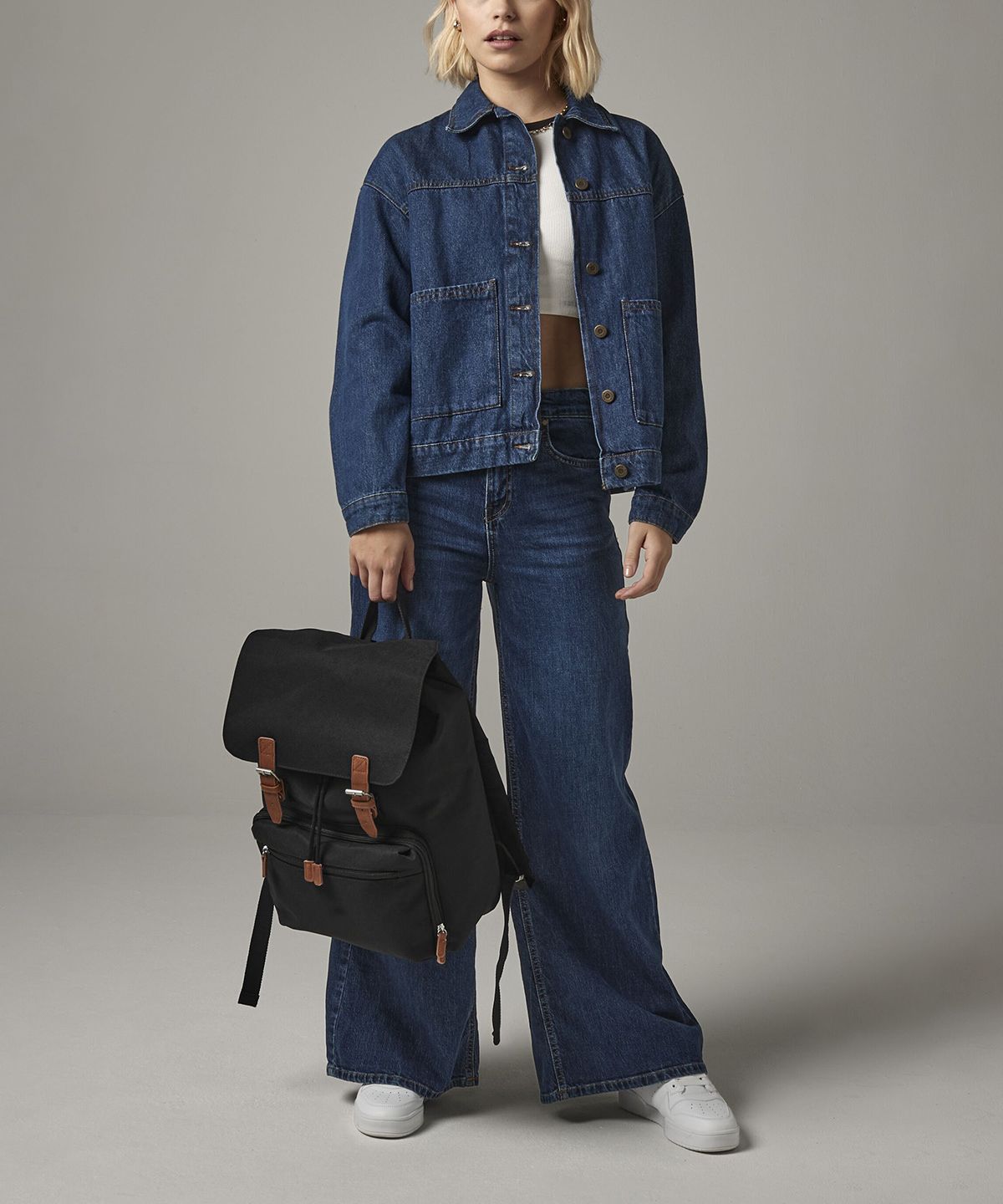
Vintage Laptop Backpack
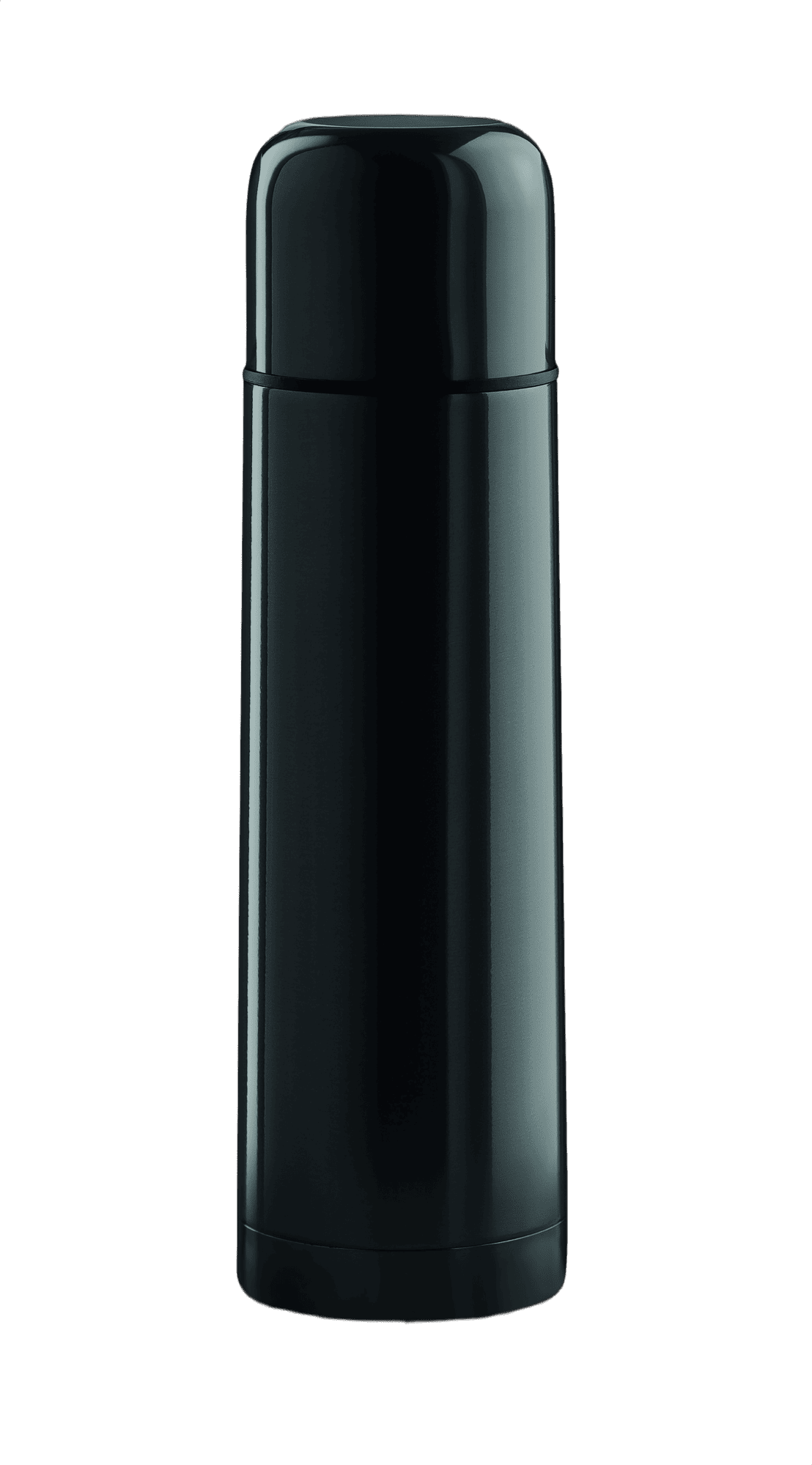
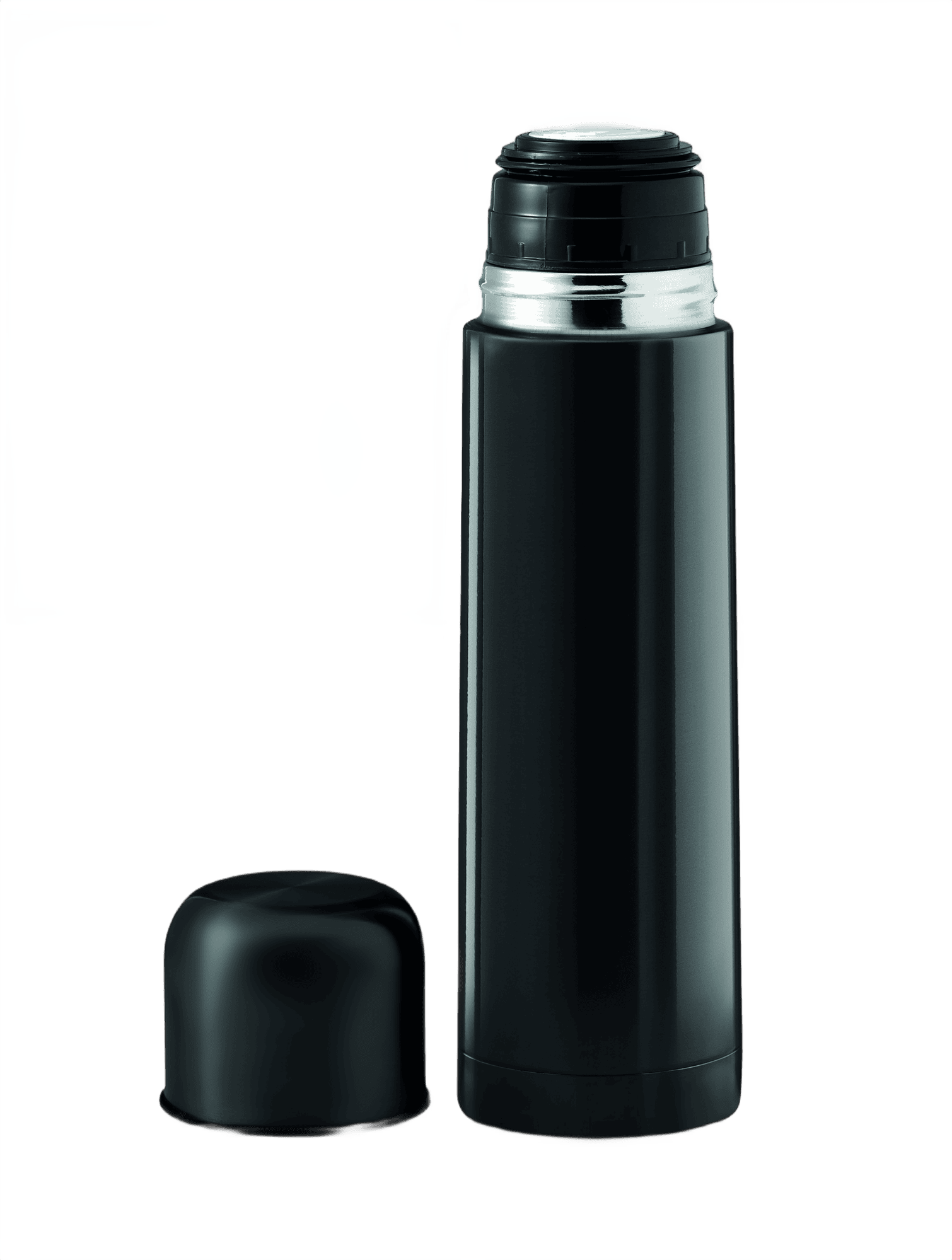
Chan Double Wall Bottle 500ml
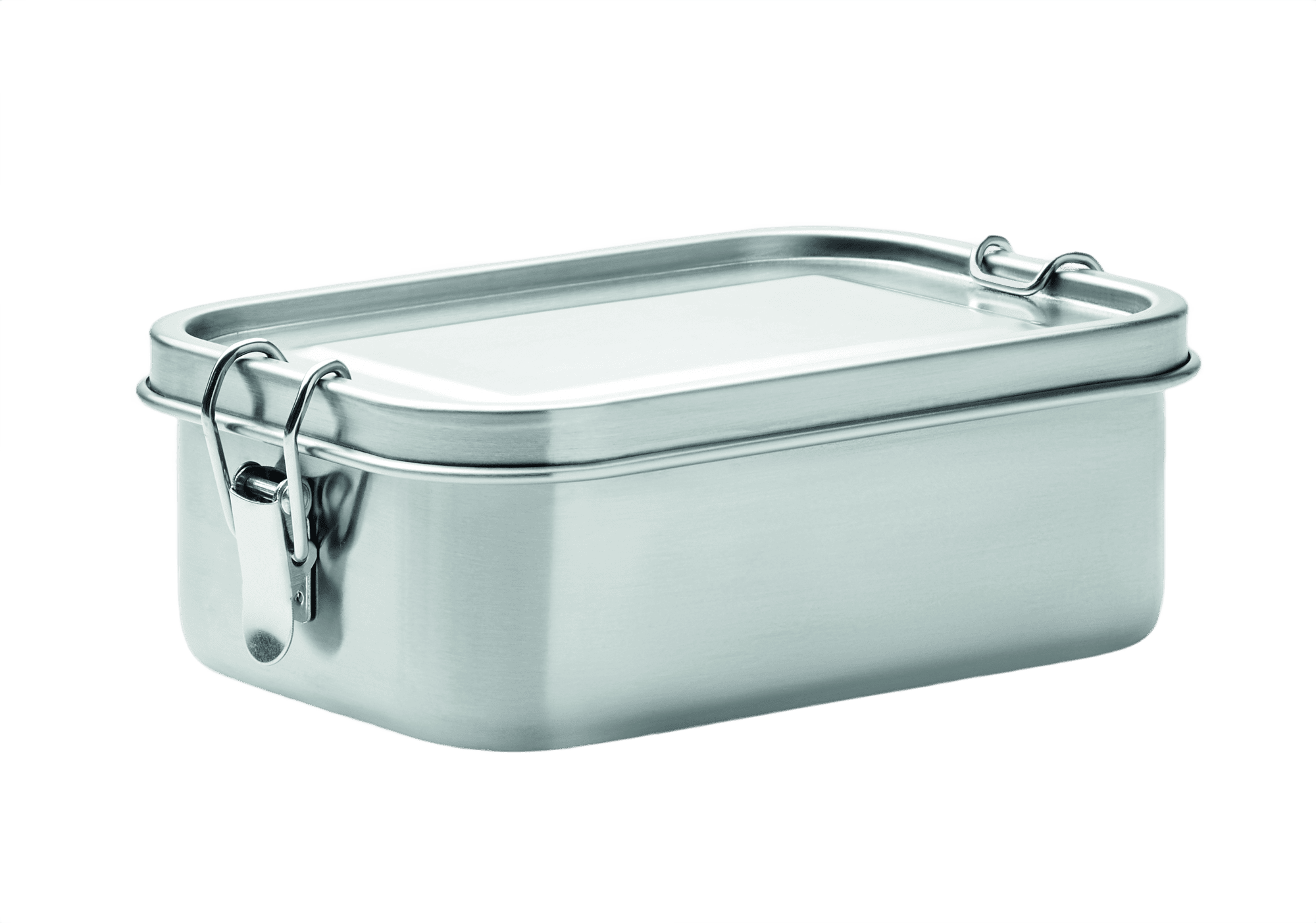
Chan Stainless Steel Lunchbox 750ml