Flexographic printing: What it's actually for
Bring your brand to life
Explore over 1,000 customisable products designed to showcase your brand and leave a good impression.
Not a Decoration Technique
Ask about flexographic printing and people expect something like screen print or embroidery: a way to put a logo on a product. It isn't that. Flexo prints the box, the label, the wrap. Not the item inside it.
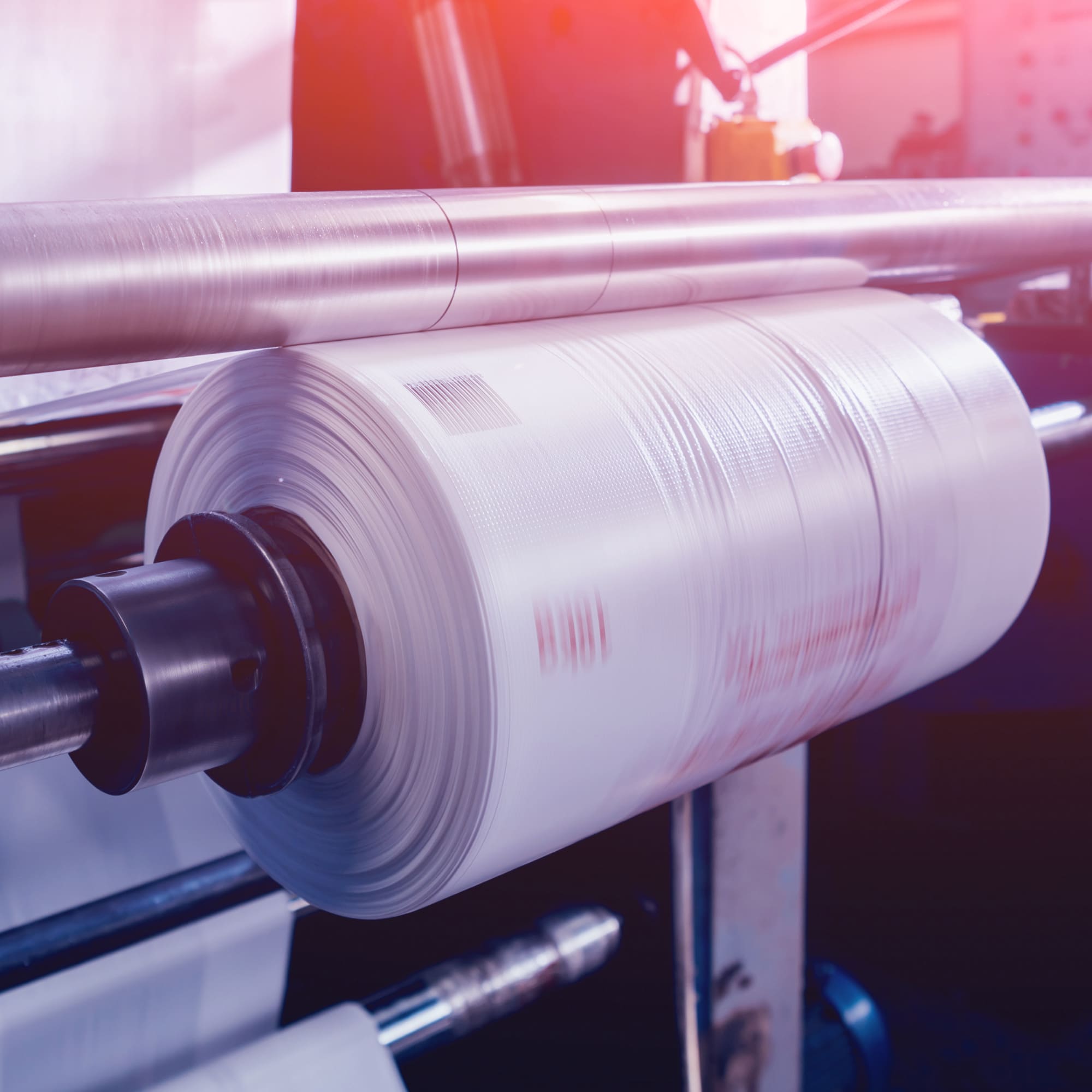
The process runs on a continuous roll. Ink transfers from a flexible plate onto a substrate that never stops moving through the press. Every colour gets its own plate, wrapped around its own cylinder. Set it up once, and it runs at a speed few other methods can match.
Plates, Rollers, and the Ink
The raised areas of each plate carry the design. Only those areas touch the ink. An anilox roller, engraved with thousands of tiny cells of a precise size, measures out a consistent amount of ink before it ever reaches the plate. Too much ink and the print bleeds. Too little and it looks starved. The anilox roller is what keeps that balance, run after run.
Between colour stations, drying units cure each layer with hot air, infrared, or UV light before the next colour goes down. Skip that step, or rush it, and the colours smear into each other.
Water-based, solvent-based, and energy-curable inks each suit different substrates: coated and uncoated paper, cardboard, aluminium foil, plastic film, non-woven fabric. Getting four to six plates registered to each other takes real setup time. Miss the registration by a fraction of a millimetre and the colours don't line up.
Where It Shows Up
Food packaging. Shrink sleeves. Pouches, bottle wraps, shopping bags, corrugated boxes, envelopes, disposable cups and plates. Gift wrap and tissue paper too. This is packaging and labelling, not garment or item decoration.
For branded merchandise, flexography matters when the packaging around the product carries the brand, not when the product itself does. A branded box. A printed pouch. Not the mug, the bag, or the jacket inside it.
What It's Built For
Volume is the whole case for flexography. Once the plates are made and the press is set, it runs continuously at very high speed. Cost per unit drops fast on large runs, and the process handles materials other methods can't: flexible films, foils, non-absorbent surfaces. The range of compatible inks, including food-safe and UV-resistant formulations, makes it adaptable across packaging types.
Where It Falls Short
Every colour needs its own plate, and making plates costs time and money before a single unit prints. Change the artwork mid-run, or need a short batch, and that cost doesn't scale down. Digital printing is the more practical choice there.
Fine detail and smooth gradients take careful plate preparation. Dot gain, where ink spreads slightly on contact with the substrate, has to be accounted for at the prepress stage. Otherwise the final print drifts from the artwork.
Printing the Product, or the Box
Flexography earns its place in high-volume label and packaging runs, where speed and material range matter more than short-batch flexibility. It's not the technique that puts your logo on the item your team actually holds. For that, look at the nine decoration methods we use to print, engrave, and embroider merchandise directly.
Plates, rollers, volume, packaging. That's what flexography is built for. And the question underneath it: are you printing the product, or the box it ships in?
About the author
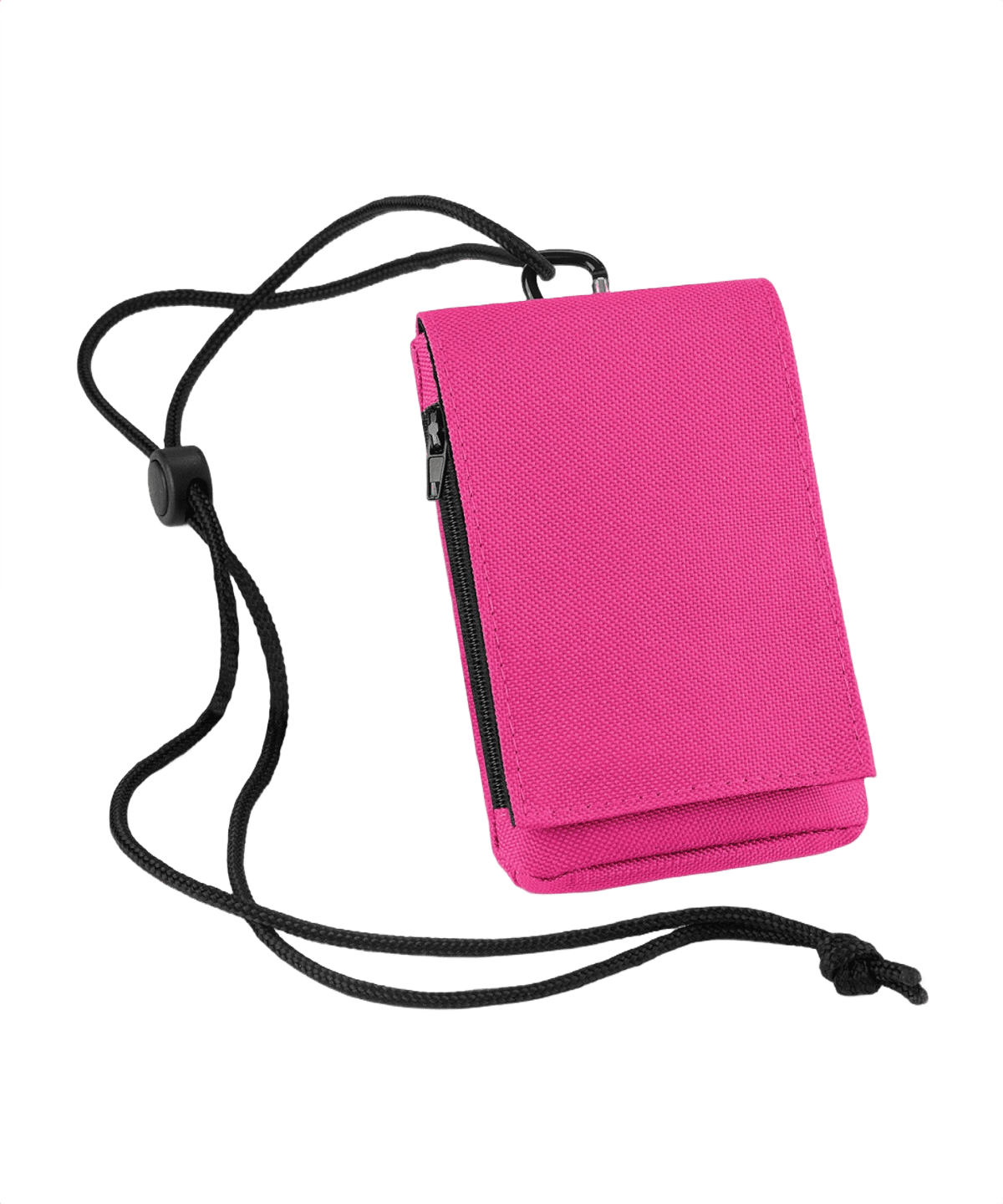
Phone Pouch
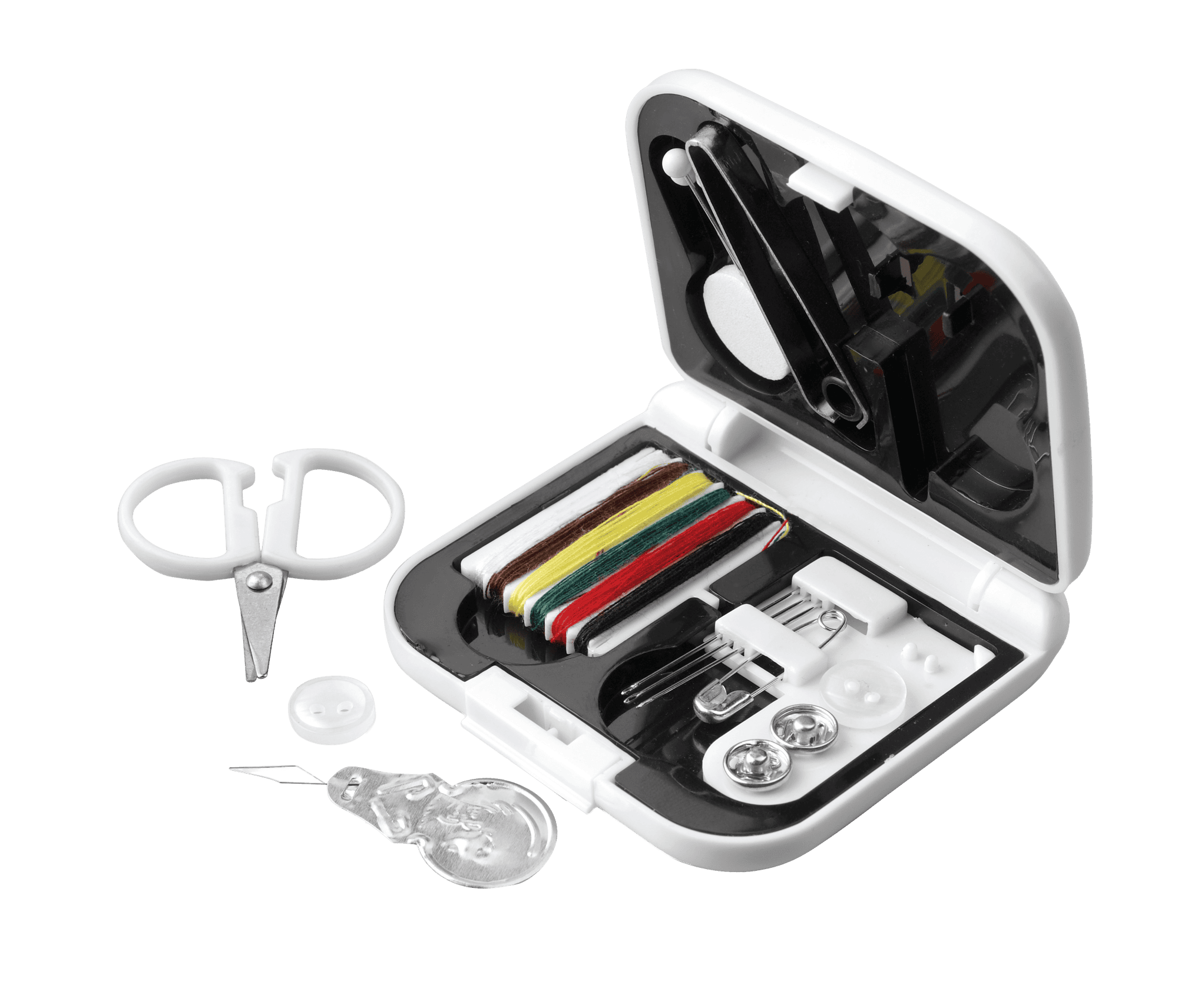
Sastre Compact Sewing Kit
Bath Towel