Label printing: The detail that decides how a product ages

Bring your brand to life
Explore over 1,000 customisable products designed to showcase your brand and leave a good impression.
Label printing is not a printing decision. It is a survival one.
Most people think choosing a label is simple: pick a method, print the design, apply it. The harder decision comes first. What does the label have to survive? A label on a water bottle lives through condensation, a bag full of keys, and a dishwasher a client swore they would not use. A label on a gift box only has to survive being opened once. Choose the wrong material for the first case, and the label fails before the bottle does.
What the arrangement is
A client brings us a product and tells us how it will be used. We match the printing method and the label format to that, not to how the design looks on a screen. Digital print, flexographic print, or screen print onto the label stock: paper, film, or fabric. Then it gets cut, as an adhesive label, a woven tag sewn into a garment, or a hang tag on a cord. Volume, material, and what happens to the product after it leaves the box decide which one we use.
Where the label sits across a range of merchandise
Label printing touches nearly every category of branded merchandise we handle. On apparel, the label sits at the neckline, on a sleeve, or hangs off the garment on a cord before the first wash. On drinkware and hard goods, it is adhesive: a brand mark, a care instruction, sometimes a barcode. On packaging, it is the last thing a brand controls before the box is opened, and often the first thing the recipient reads.
Custom labels also replace a manufacturer's own labelling for a single campaign or a short run, without new tooling for every batch. That is why label printing works for seasonal products and small orders where a bigger production method would not pay for itself. It also means the label is the part most likely to get changed last minute, and the part with the least room for error when it does.
What breaks first
A label that gets handled daily, or gets wet, needs lamination. Skip it and the label fades or lifts at the corners inside a season. We have sent labels into production without testing them against water first and had a client call three weeks later to ask why the sticker on the water bottle had gone soft. That is not a design problem. It is a material one, and it rarely shows up in the sample, only in the second month of use.
Fabric labels sewn into a neckline solve a branding problem and can create a comfort one. Most people do not complain about a label. They just stop wearing the shirt. Heat-transfer or inside-printed labels are the usual fix, at the cost of the texture a woven label gives.
When we recommend something else
Not every product should get a label. If the item is permanent and the print will not change between runs, engraving or direct screen print on the surface holds up longer and skips a step. We say this to clients even when the label would have been the easier order for us. A label that was never the right answer does not become one for being convenient.
Our corner of it
Method, material, placement, durability. That is our corner of the business. And the question underneath it: does the label survive the way the product actually gets used, or only the way it looked in the sample.
About the author
HoKi Living Candle Snuffer
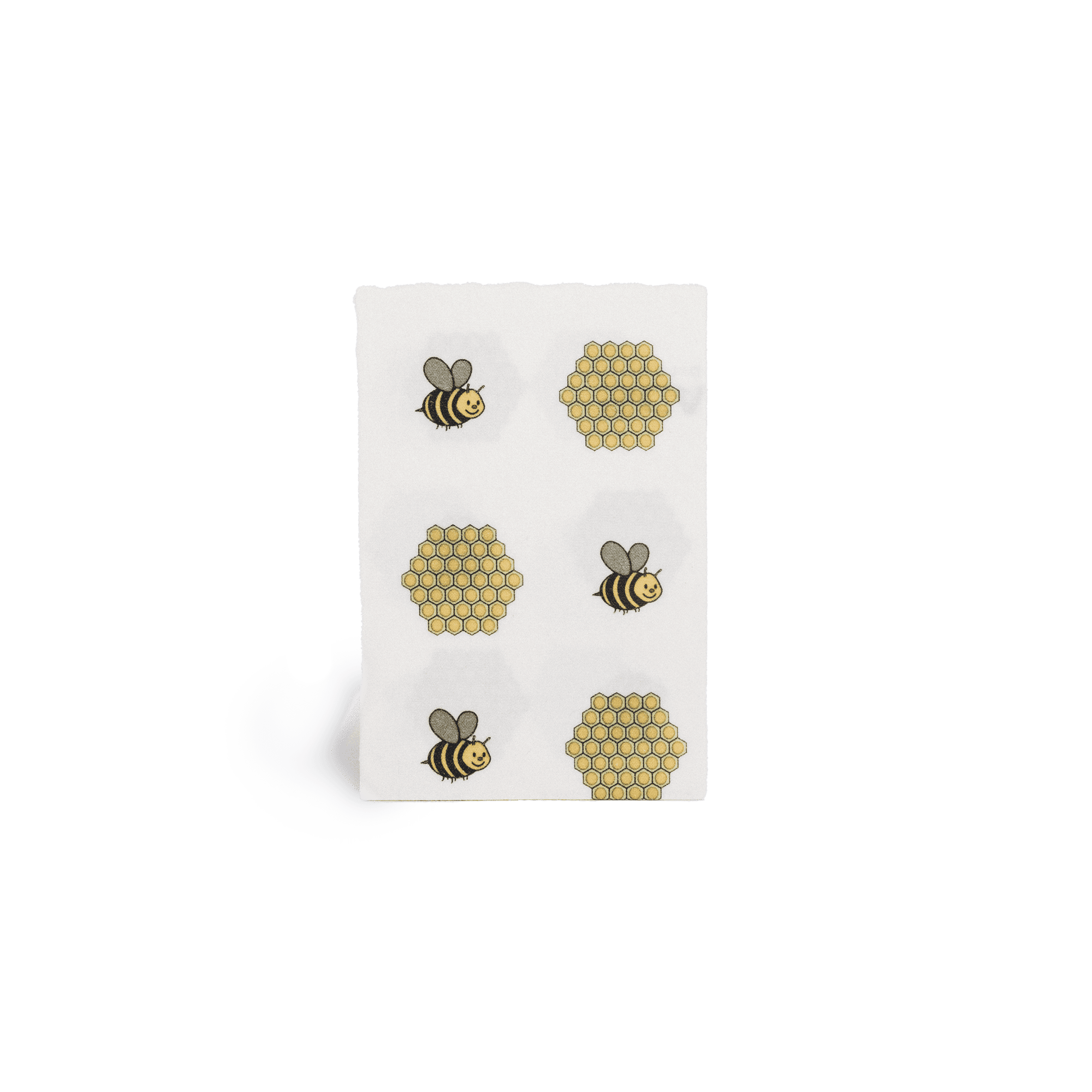
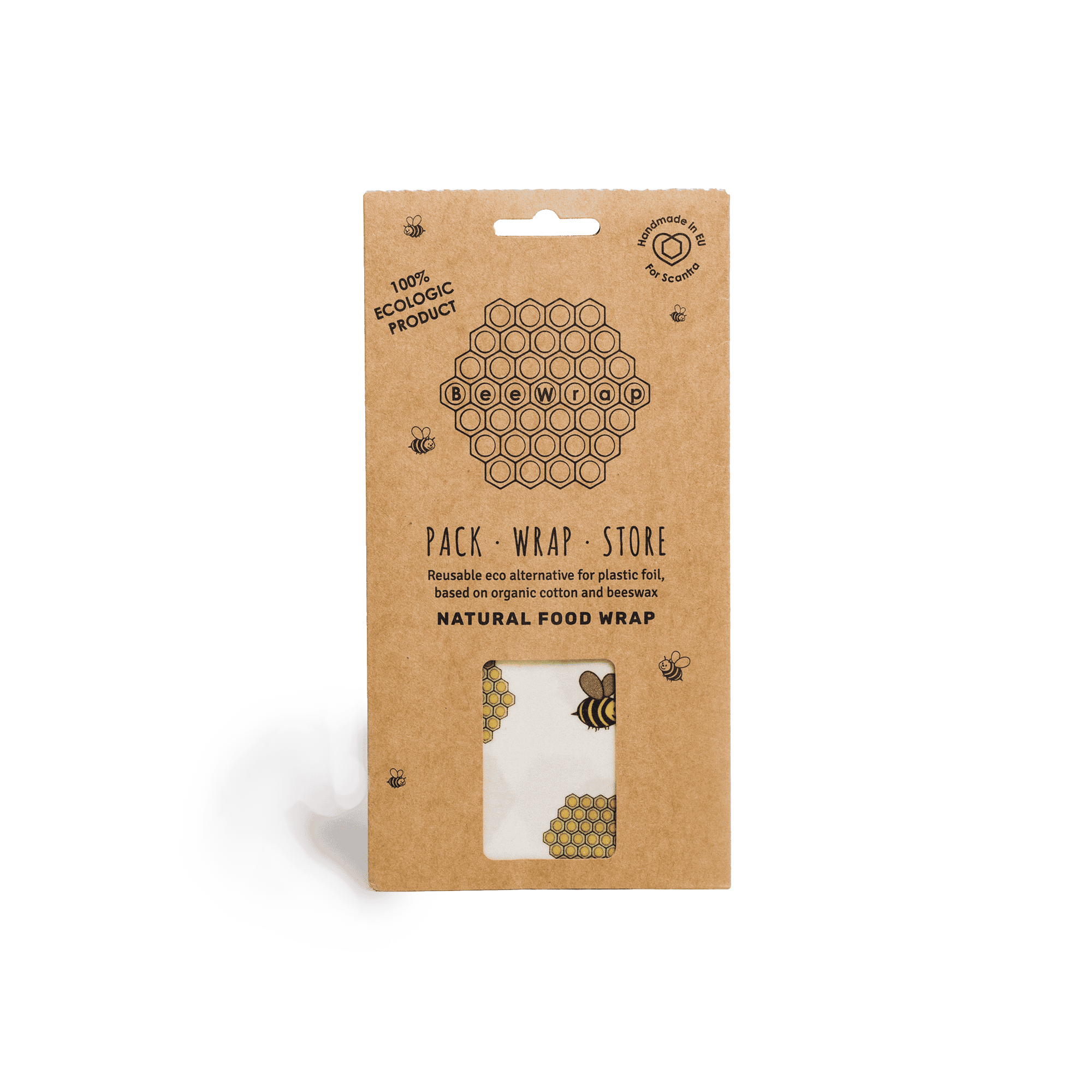
BeeWrap by HoKi Living
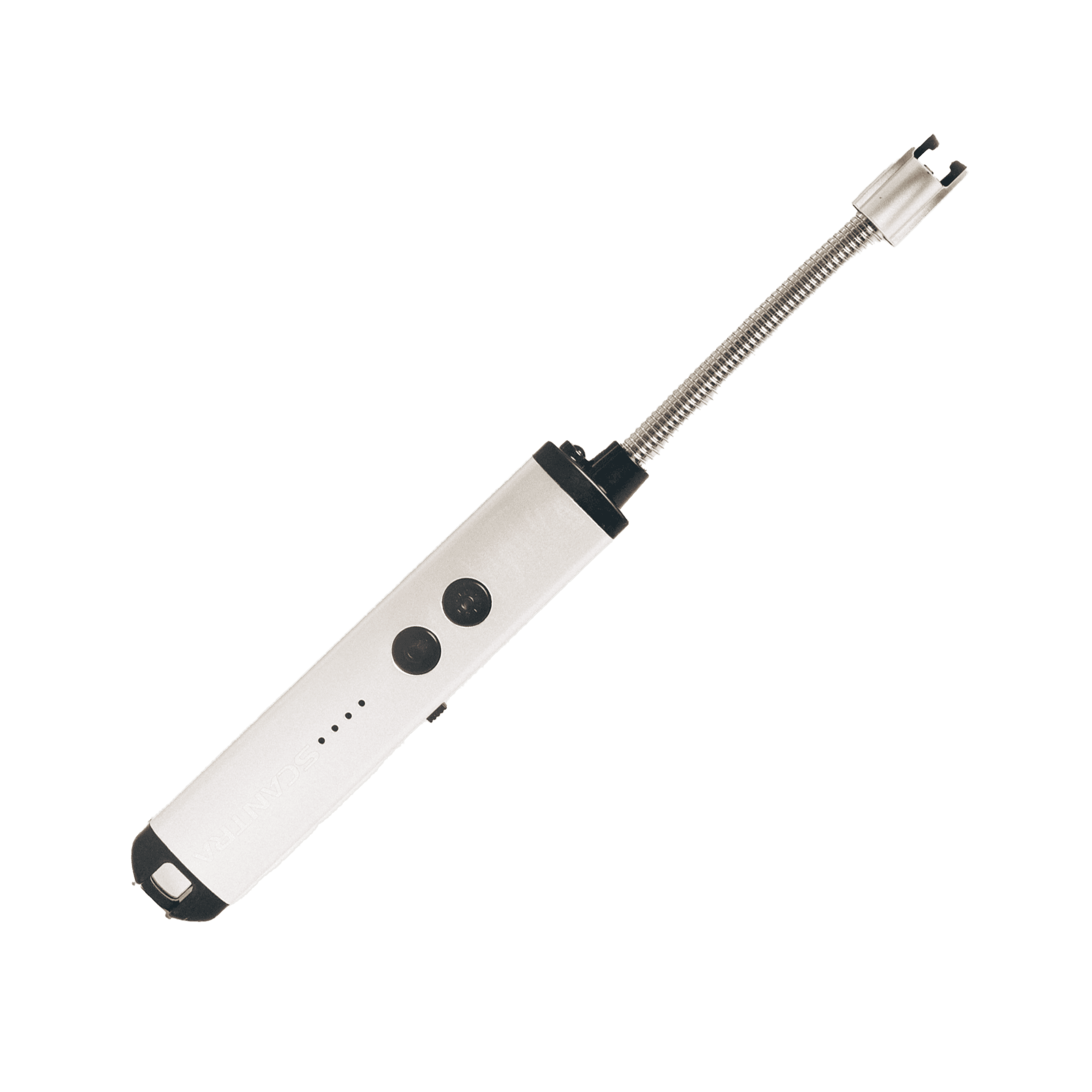
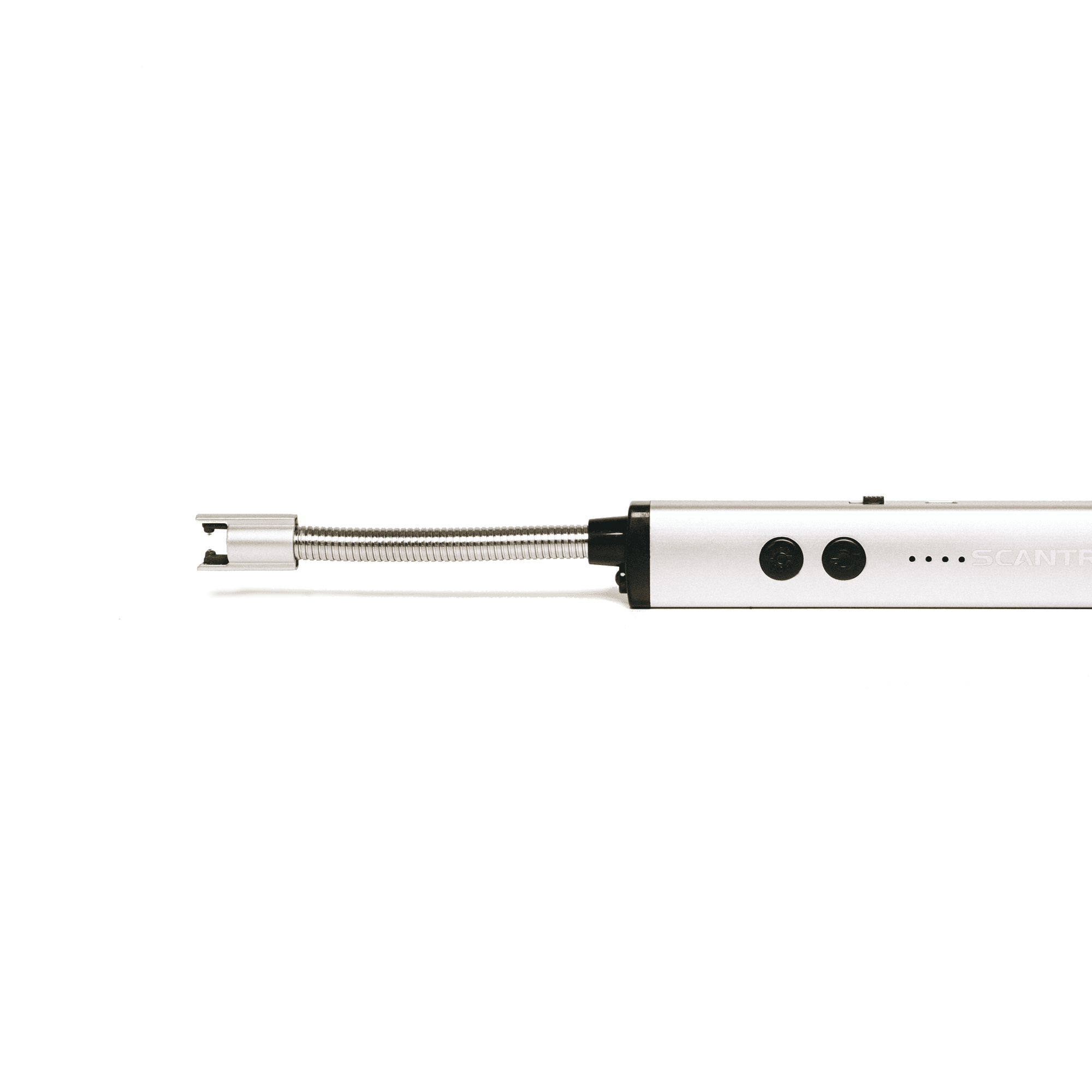
Electric Lighter - HoKi Living