Laser engraving: Precise, permanent marks without ink
Bring your brand to life
Explore over 1,000 customisable products designed to showcase your brand and leave a good impression.
People assume decoration methods differ mainly by look: flat colour from screen print, texture from embroidery, depth from engraving. That is true, but it is not what sets laser engraving apart. Every other method we use puts something onto the surface: ink, thread, foil, dye. Laser engraving removes or alters what is already there. The mark is not on the product. It is the product, changed.
It is one of the nine decoration methods we offer, and the one we reach for when a client wants a logo to disappear into the material rather than sit on top of it. Metal, wood, glass, leather: surfaces where a printed layer would look like an afterthought, and a mark cut into the material looks intentional.
How the laser marks the surface
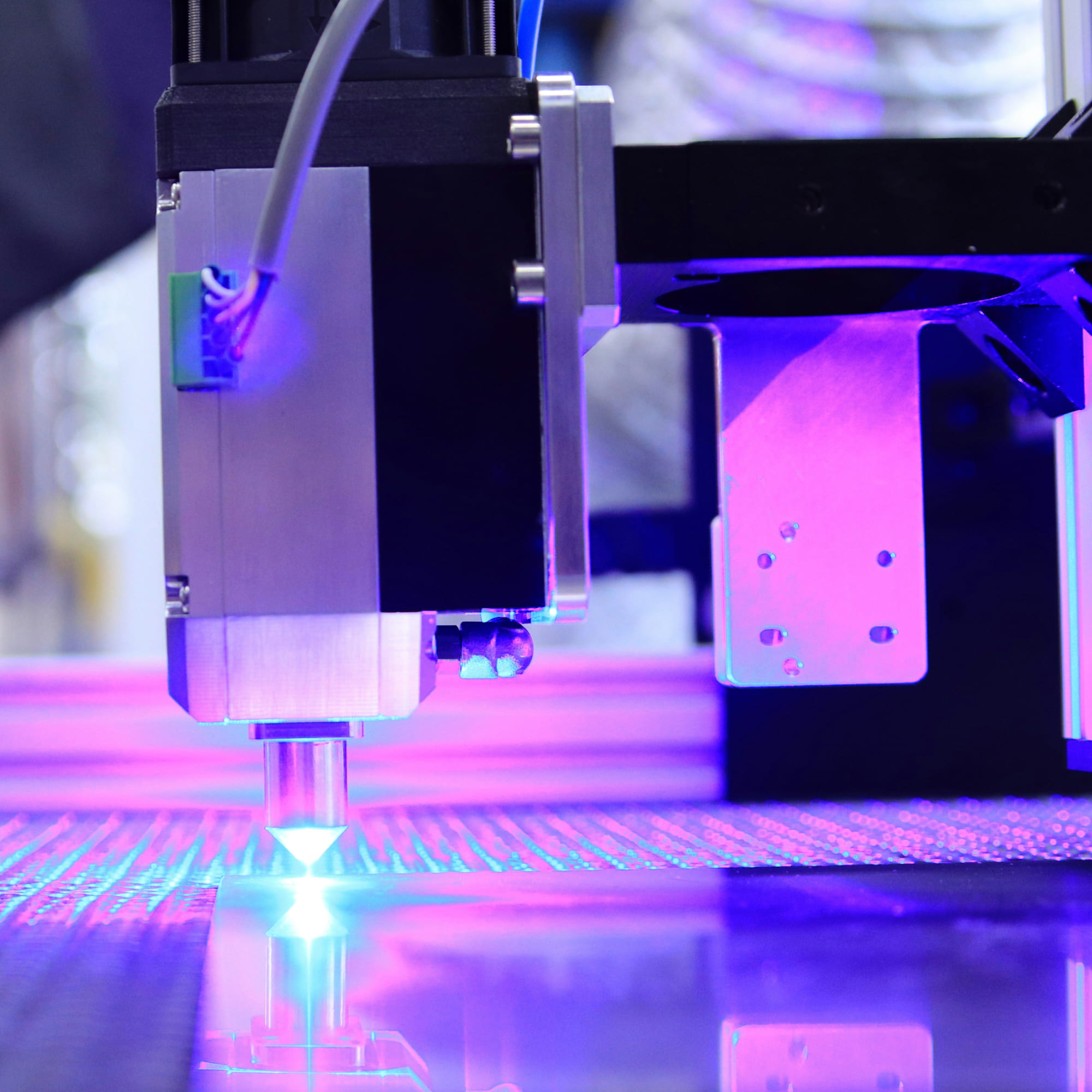
The design starts as a file. We convert it into a vector format the laser machine can read, then the machine directs the beam across the surface in that pattern. Where the beam passes, the material is vaporised, scorched, or chemically altered, depending on what it is and how the machine is set.
A logo that looks crisp on a screen does not always look crisp in metal. Fine detail and small text need checking before the file goes anywhere near the machine, not after a batch comes out wrong.
Speed and power decide the result
Two settings do most of the work. Higher power and slower speed cut deeper and darker. Lower intensity can shift the colour of the surface without removing much material at all. Get the balance wrong and the mark is either too faint to read or too aggressive for the material underneath. We test on scrap before we run the order, not on the client's stock.
Once the pass is done, the surface is cleaned to clear residue and show the actual result.
Matching the laser to the material
CO2 lasers do most of our volume: wood, glass, plastic, fabric. Fibre lasers handle metal and some plastics, and last longer under regular use. Crystal lasers also work on metal and plastic, but wear out faster than fibre. That is a real running cost, not a footnote, and part of why fibre is the default for metal drinkware rather than a preference.
Where it ends up
In merchandise, laser engraving lands on metal drinkware, pens, keychains, leather goods, wooden items, and glass. Outside merchandise, the same process marks serial numbers and barcodes on manufactured parts, and cuts detail into signage, awards, and personalised gifts.
Most of what we engrave is drinkware and pens. The leather and glass work is real, but it is not the bulk of the order book.
What it does well
The beam holds a line other methods cannot: fine detail, small text, complex shapes, reproduced the same way every time. There is no ink to fade, peel, or wear off with handling or washing. Nothing is applied, so there is nothing to smudge and no colour drift between one item and the next, whether the run is twelve pieces or twelve thousand.
What it does not do
Some plastics melt or give off fumes under the heat rather than taking a clean mark, so not every material on a client's shortlist is a fit. Colour is limited to the contrast the engraving creates against the base material. It is not a way to add a specific colour to a product. The equipment cost is higher than screen printing or transfer, which shows up on small quantities, and a very large or detailed design takes longer to run than a simple one.
If a client needs the logo in a specific brand colour, this is not the method, no matter how good the material looks.
When it is the right call
Laser engraving earns its place when permanence, precision, and a premium finish matter more than colour: metal, wood, glass, and leather, where the mark reads as part of the product rather than something printed on afterwards. Where colour is the point, or the material cannot take the heat, one of the other eight methods is the better fit.
Vector file, beam, material, finish. That is our corner of the business. And the question underneath it: not whether a logo can be marked onto something, but whether it should disappear into it or sit on top.
About the author
Wood Tee 70mm White (1000 pcs)
Frosty Beach Ball Orlando
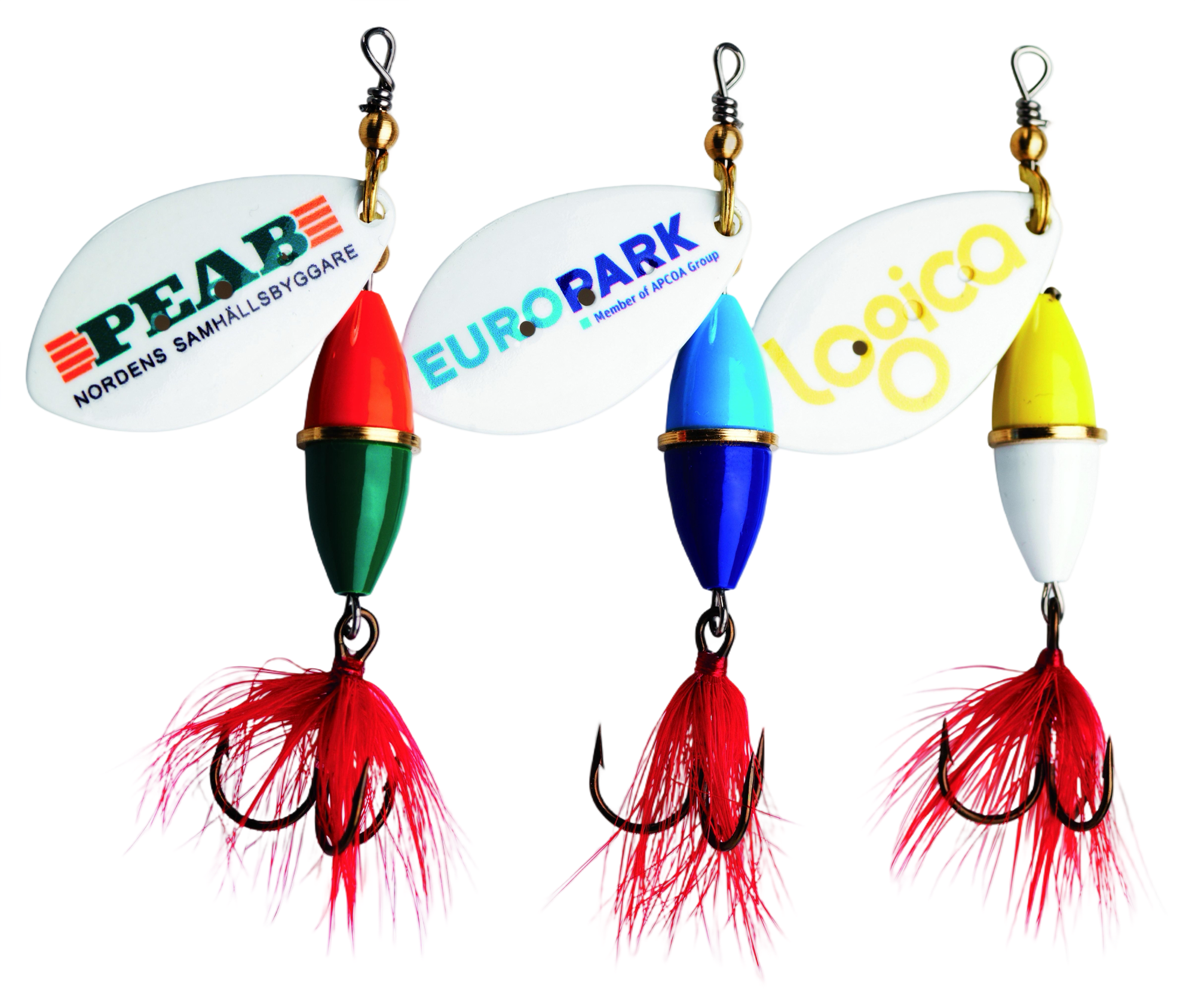
Spinner Wipp 10g