Lyocell: the process is the story

Bring your brand to life
Explore over 1,000 customisable products designed to showcase your brand and leave a good impression.
Not another plant fiber pitch
Most fabric sustainability claims start and end with what the fiber grew from. Bamboo, hemp, organic cotton: the pitch is always the plant. Lyocell's case is different, and the plant is not even the interesting part.
Lyocell is a semi-synthetic fiber made from wood pulp, most often eucalyptus, sometimes beech. The name describes how it is made as much as what it is made from. That is the part worth stopping on.
What the closed loop actually does
Viscose and conventional rayon use chemical solvents that are toxic and hard to contain. Lyocell uses a solvent called NMMO instead, and captures it. Above 99% of it goes back into the process rather than out as waste.
That is the whole environmental claim, really. Not the tree. The recovery rate.
From wood chip to yarn
Wood is chipped, then dissolved in NMMO to form a cellulose solution. The solution is pushed through fine nozzles into a water bath, where the fiber sets and the solvent is pulled back out for reuse in the same step. What comes out the other end is washed, dried, and finished into fiber ready to spin.
The result is smooth, strong, and resists pilling better than most comparable materials.
Where it belongs in merchandise
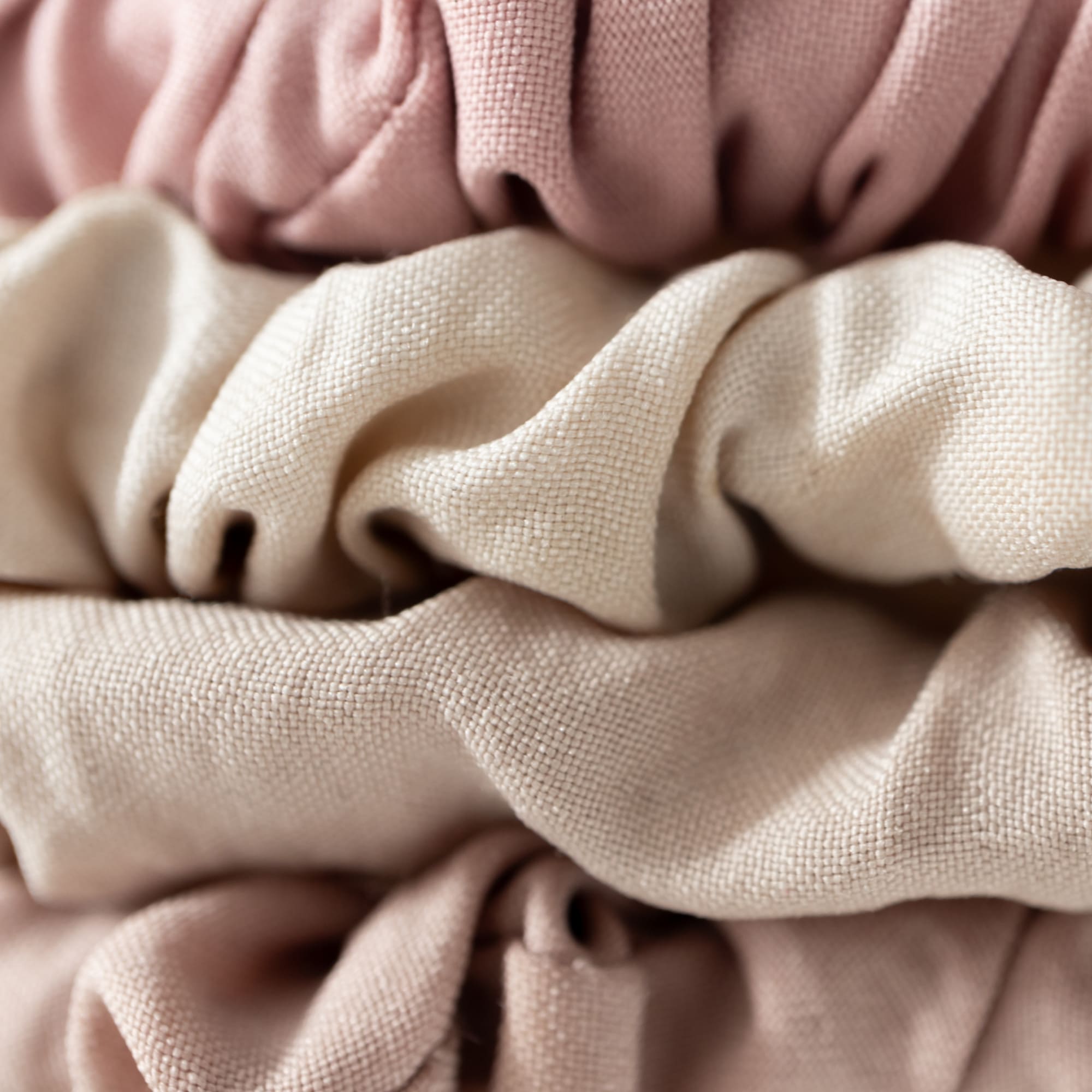
Apparel is where it counts: t-shirts, shirts, lightweight knitwear, casual pieces where drape and hand-feel are the first thing someone notices. Blended with cotton, lyocell often outperforms either fiber alone. The lyocell brings smoothness and moisture handling; the cotton brings the structure and breathability people expect from a t-shirt.
When a client asks for something better than standard cotton for a wellness or design-led range, this is one of the first fabrics we bring up. It is a real step up in feel, and in what the brand gets to say about the product afterward.
What it does well, and where it doesn't
Lyocell breathes, wicks moisture, and regulates temperature better than synthetic fabric manages to. It feels cool against skin, which is why it works in warm climates and active use. It is biodegradable under the right conditions too, which gives it a cleaner end of life than a synthetic blend.
It also fuzzes. Fibrillation, if the technical word is needed: a surface fuzz that shows up after a few washes. Finishing treatments and blending fix most of it in a fabric that is properly specified. In one that isn't, the fuzz shows.
The wood behind the fiber
The closed loop is the important part of the story, but the source is not nothing. Eucalyptus grows fast, needs no irrigation beyond rainfall in most regions it is grown in, and is rarely cut from primary forest. FSC certification on the wood adds a layer of proof rather than just a claim.
Put the source, the process, and the end of life together and lyocell makes one of the more complete environmental cases a textile fiber can make. Not without trade-offs. Just fewer of them than most.
The corner of the story that matters
Wood pulp, closed loop, above 99% solvent recovery, FSC forestry. That is lyocell's corner of the sustainability argument. And the question underneath it: whether an eco claim describes the plant, or the process that turned it into fabric.
About the author
Darix Lip Balm
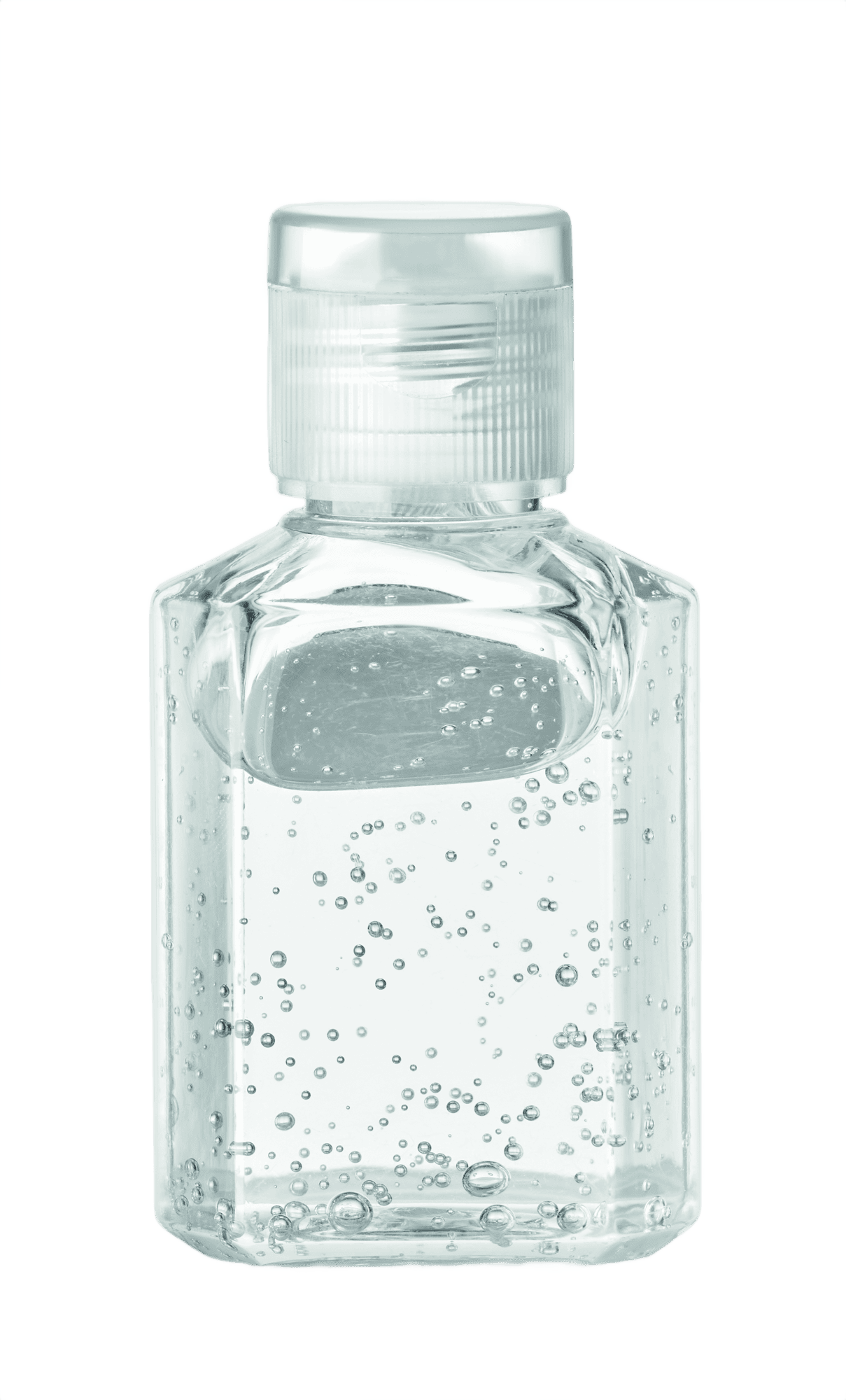
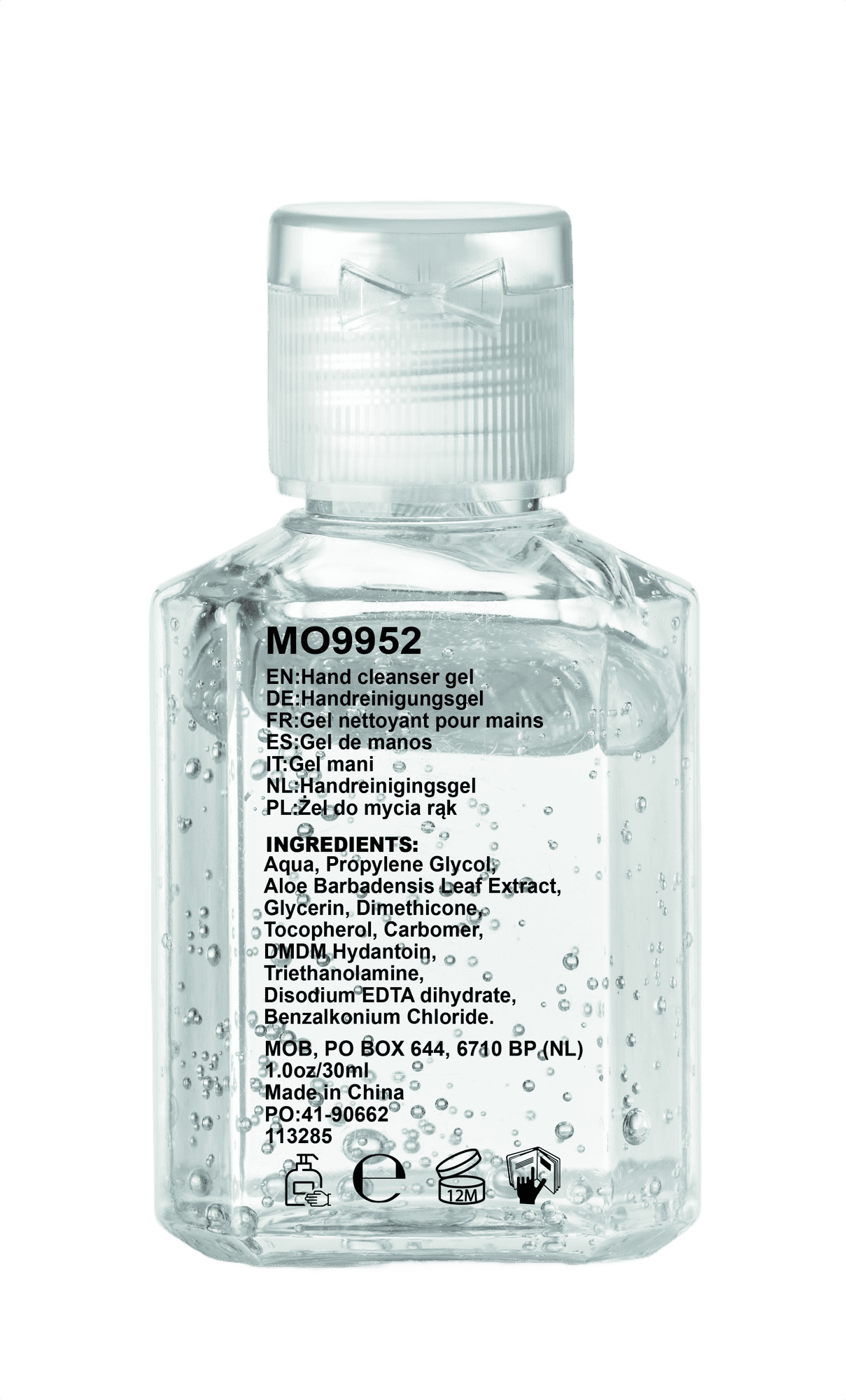
Gel 30 Hand Cleanser Gel 30ml
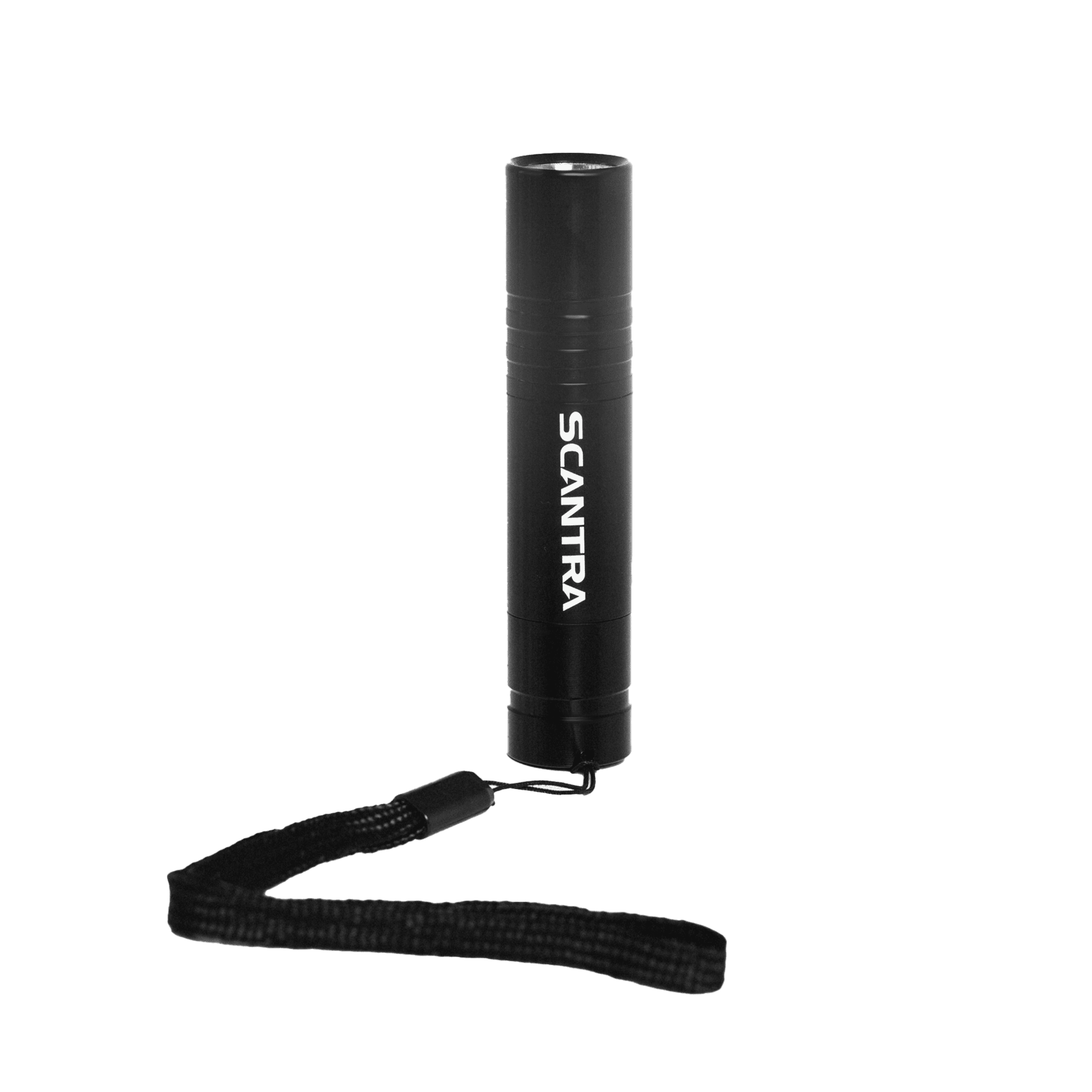
Pocket Blaze HiQ