Non-woven fabric: when fibers skip the weaving step

Bring your brand to life
Explore over 1,000 customisable products designed to showcase your brand and leave a good impression.
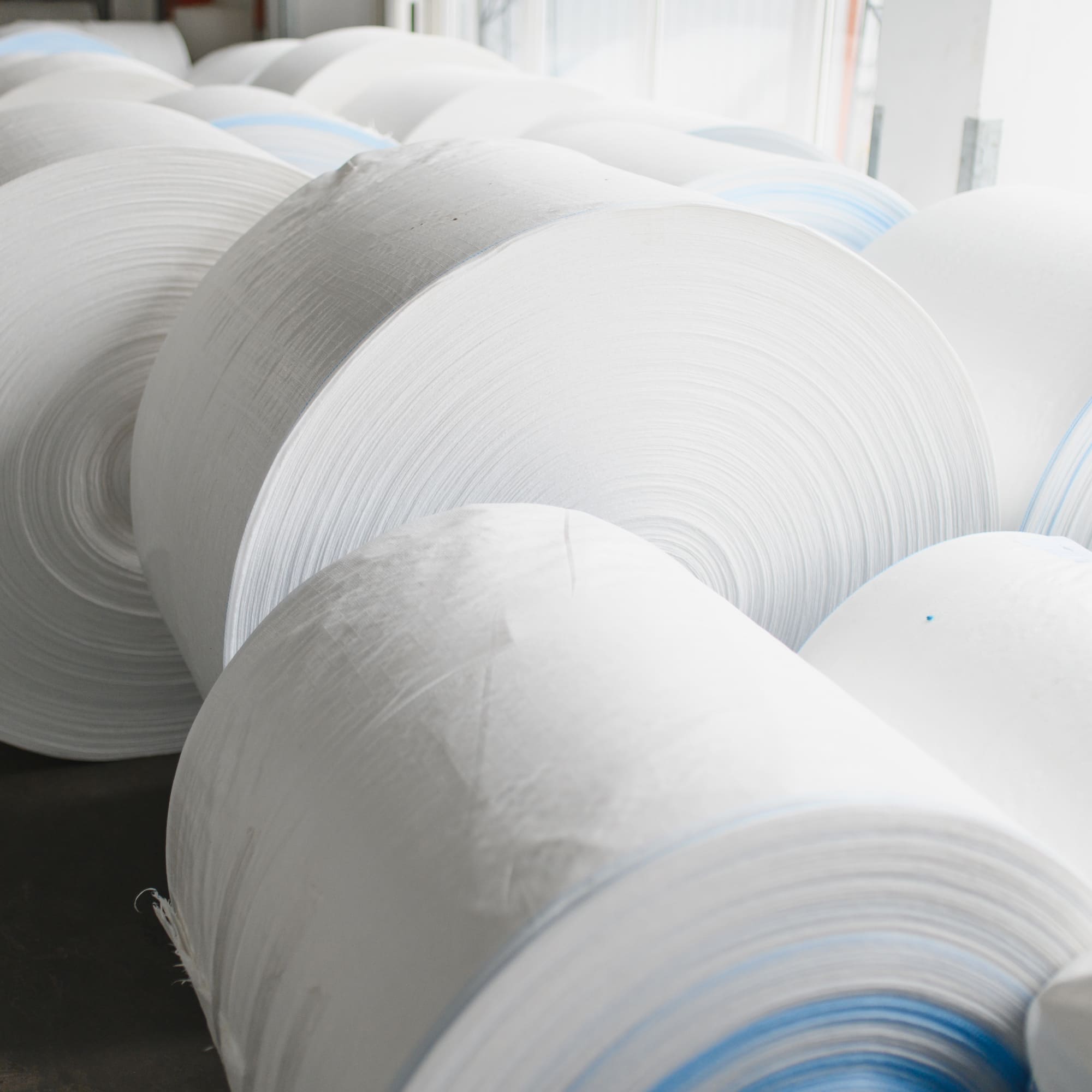
Not woven, not knitted, just bonded
Most people assume a tote bag is made of fabric in the traditional sense: fibers spun into yarn, yarn woven into cloth. Non-woven skips that step entirely. The fibers are laid down as a loose web and bonded directly, by heat, by a chemical binder, or by mechanical entanglement. No spinning. No loom. The name is not a marketing term, it is a description of the manufacturing process.
Three ways to bond a fiber
Thermal bonding fuses synthetic fibers at their contact points using heat, no adhesive needed. Chemical bonding applies a binder across the web, which gives more control over the surface finish. Needle punching entangles the fibers mechanically with barbed needles, producing something denser and closer to felt. The fiber itself is usually polypropylene, sometimes polyester or nylon, occasionally a natural fiber. The choice decides how strong, how soft, and how the finished sheet handles a print.
Where it ends up on an order
The laminated non-woven tote is the version most people have actually held. Light, foldable, cheap to produce in volume, with a surface large enough to carry a logo properly. That combination is why it became the default promotional bag rather than cotton. Beyond bags, we see the same material in packaging inserts, product pouches, and dust bags, wherever the job is structure rather than drape.
What prints well, and what doesn't
Screen print and flexographic print both sit cleanly on a non-woven surface. No grain, consistent texture, large areas print evenly. Lamination, a thin film bonded to one side, sharpens the print further and adds water resistance, which is most of why a laminated bag outlasts an unlaminated one. Embroidery is the one technique we don't recommend on lighter non-woven constructions. The material distorts under the needle without extra stabilizing, and the result looks worse than the print methods it was supposed to elevate. We say so before a client orders it, not after.
The sustainability question, asked honestly
Polypropylene non-woven is petroleum-derived. It does not biodegrade. That sits awkwardly next to a product so often sold as the reusable, eco-friendly option. The environmental case for the bag depends entirely on it being reused: a bag carried for a season earns its footprint back, one used once does not. Natural fiber and recycled polypropylene versions exist and address part of that problem, though they are not yet the standard in most merchandise runs. When a client's sustainability position needs to hold up, we check the material behind the product as closely as we check the finished print.
Our corner of it
Fiber choice, bonding method, lamination, print technique. That is our corner of the non-woven question. And the question underneath it: whether the bag in someone's hand will still be in use in six months, or in a drawer.
About the author
Phone Pouch
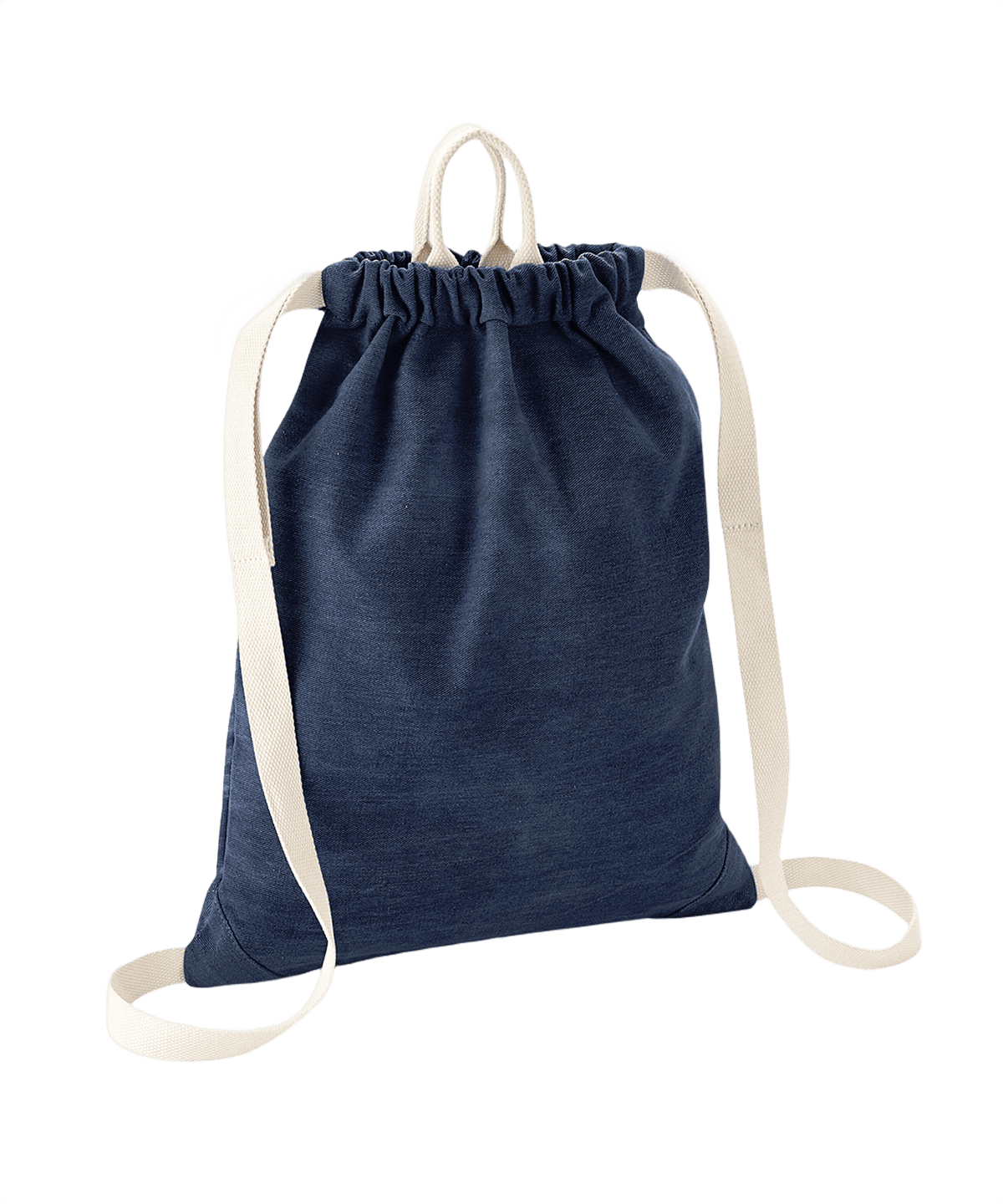
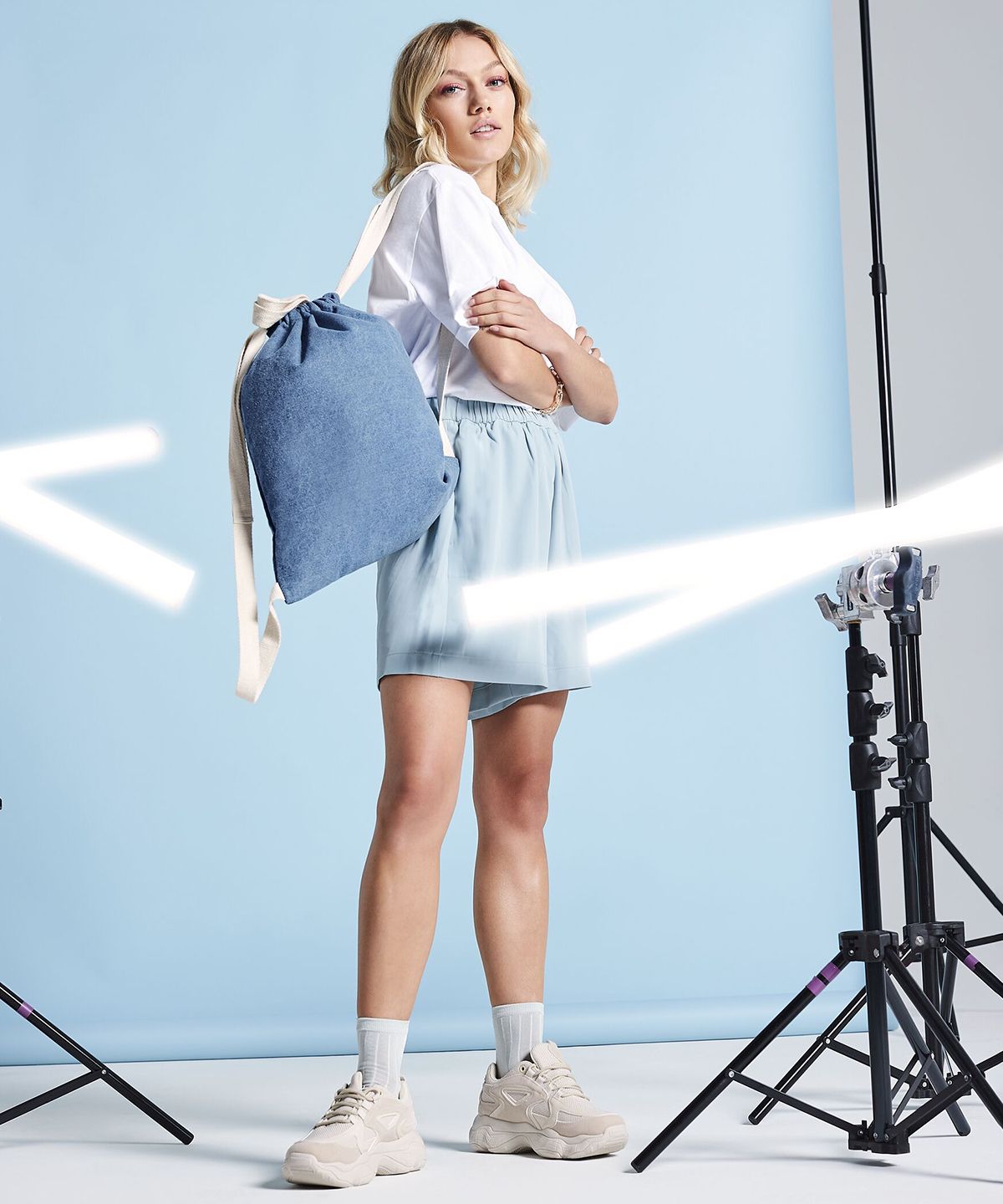
Denim Gymsac

Stedman Stretch-T Men