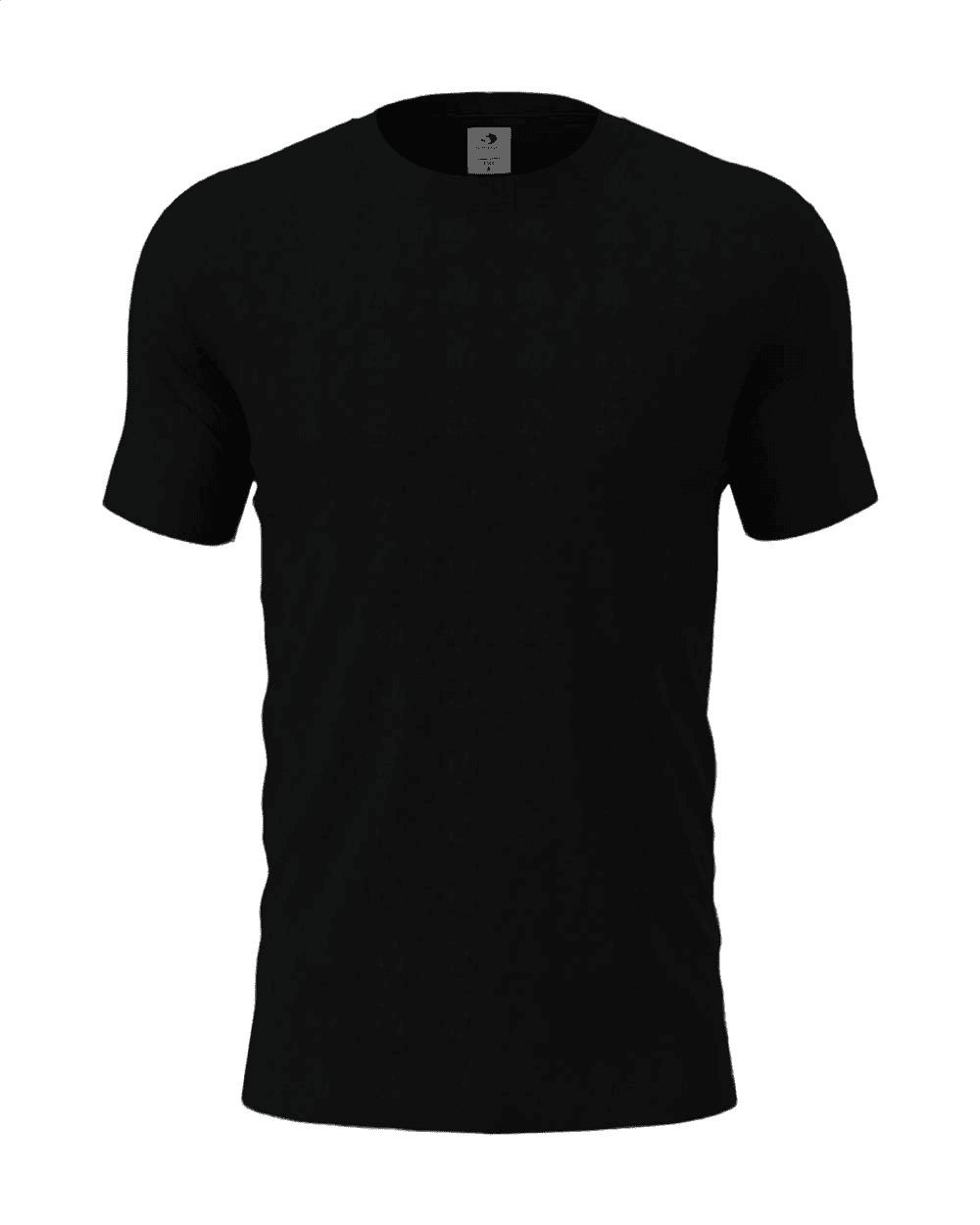
Organic cotton: what it costs and what it's for

Bring your brand to life
Explore over 1,000 customisable products designed to showcase your brand and leave a good impression.
What "organic" actually rules out
Most clients treat organic cotton as a checkbox: add the word to the spec sheet, pay more, feel better about the t-shirt. That is not where the difference sits. It sits in a field, in what does not get sprayed, synthesized, or genetically altered from the first season to the finished fabric.
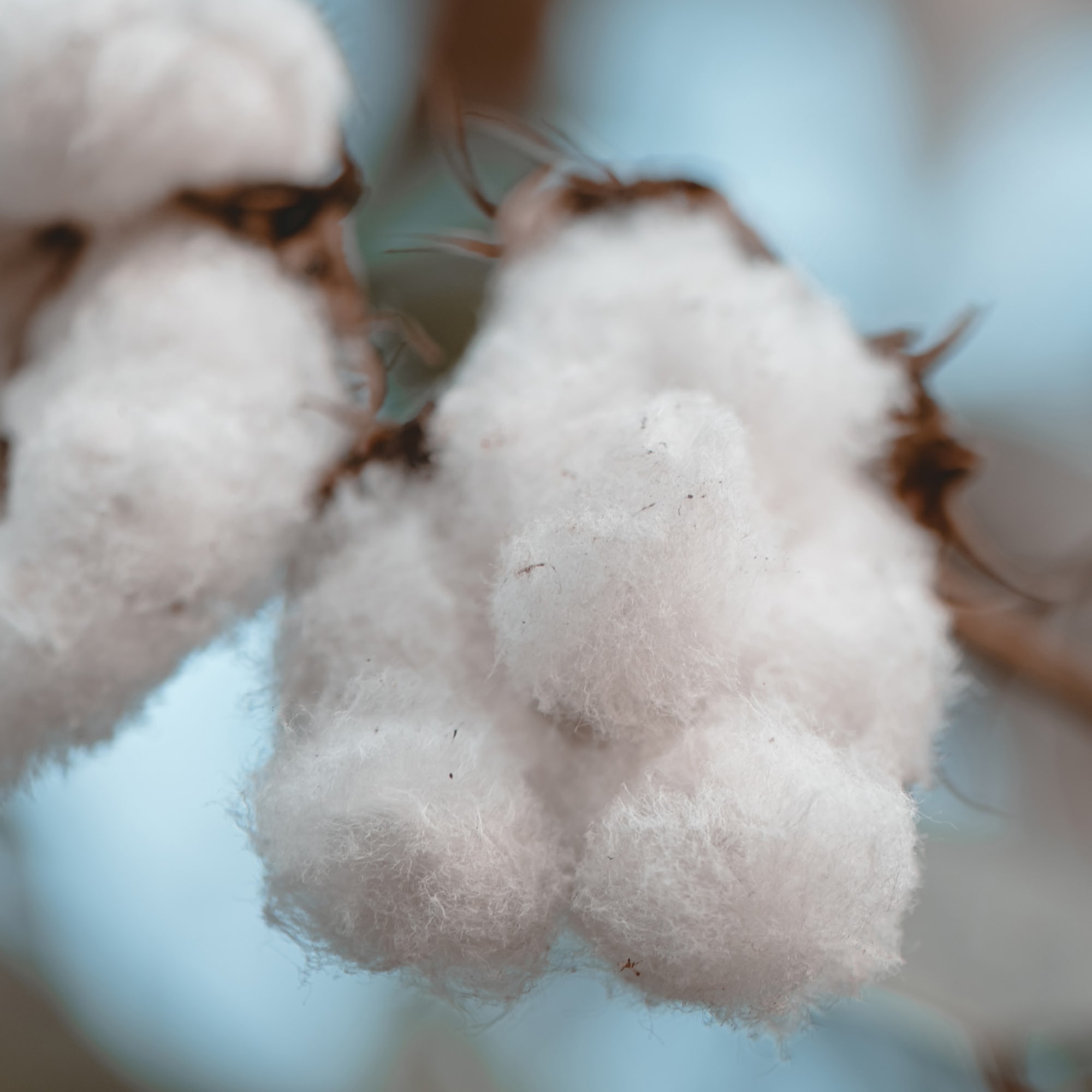
Organic cotton grows without synthetic pesticides, fertilizers, or genetically modified seed. Farmers manage the soil with crop rotation, composting, and pest control by hand instead of by chemical. None of that shows up on a spec sheet. All of it shows up in the price.
What the farm gives up
Growing this way costs a farmer a season that conventional growers do not have to think about. Yields per acre are lower. The work is more hands-on and more tied to a natural cycle than a production schedule. When a client asks us for organic cotton, our sourcing team checks the same things it checks on any material: GOTS certification, supplier documentation, and production methods, before the order goes anywhere near a print table.
Most of what gets proposed as "organic" in early supplier conversations does not hold up to that check. That is not a failure of the search. It is what the search is for.
What changes after harvest
Once the cotton is picked, it is processed without the harsh chemical treatments used on conventional fiber. That keeps the fiber's structure closer to what it was on the plant. The result is a fabric that is softer and more breathable than most people expect from a basic t-shirt or tote, and it holds even at scale, not just on the sample the client approves.
Where it earns a place in the catalogue
Apparel and bags are where organic cotton makes sense first. A GOTS-certified t-shirt or a canvas tote is a material choice a customer can feel, not one that needs a paragraph of explanation. Our own cotton tote starts at 24 SEK in 180 g/m² conventional fabric; an organic version of the same tote costs more, and clients from wellness, food, design, and education backgrounds are usually the ones who ask for it, because their audience notices.
It does not make sense everywhere. A promotional pen does not need organic cotton. Neither does most of what fills a merch-pack shelf. Putting the word "organic" on a product that does not need it is the same trick as the checkbox we started with.
The premium, and why it holds
Organic cotton costs more, for reasons that do not go away with a bigger order: lower yield per acre, certification that has to be checked and re-checked, and a supply chain that is smaller than the conventional one. For some budgets, that is where the conversation ends, and we say so rather than talk around it.
A t-shirt that gets worn twice and thrown out costs a brand more than the organic premium ever will. That is the case for the material, not the case for spending more on everything. Paired with a print method that does not undo what the fiber did, and packaging that matches it, organic cotton becomes part of a merchandise programme a brand can defend, not just describe.
Certification, farm practice, fiber quality, fit for the brand. That is our corner of it. And the question underneath: whether the material a company chooses says something true about the brand, or just costs more for the same logo on cotton.
About the author
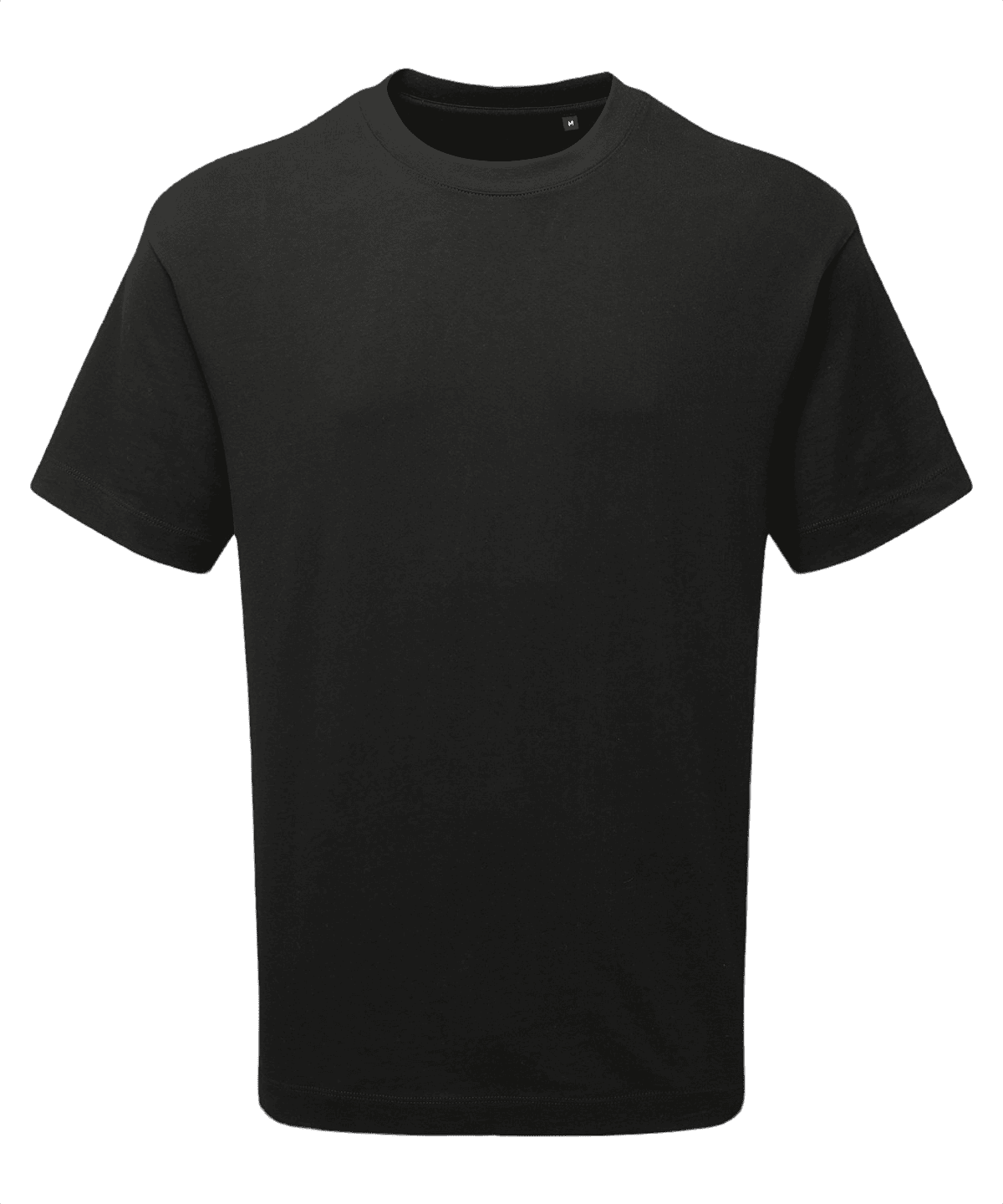
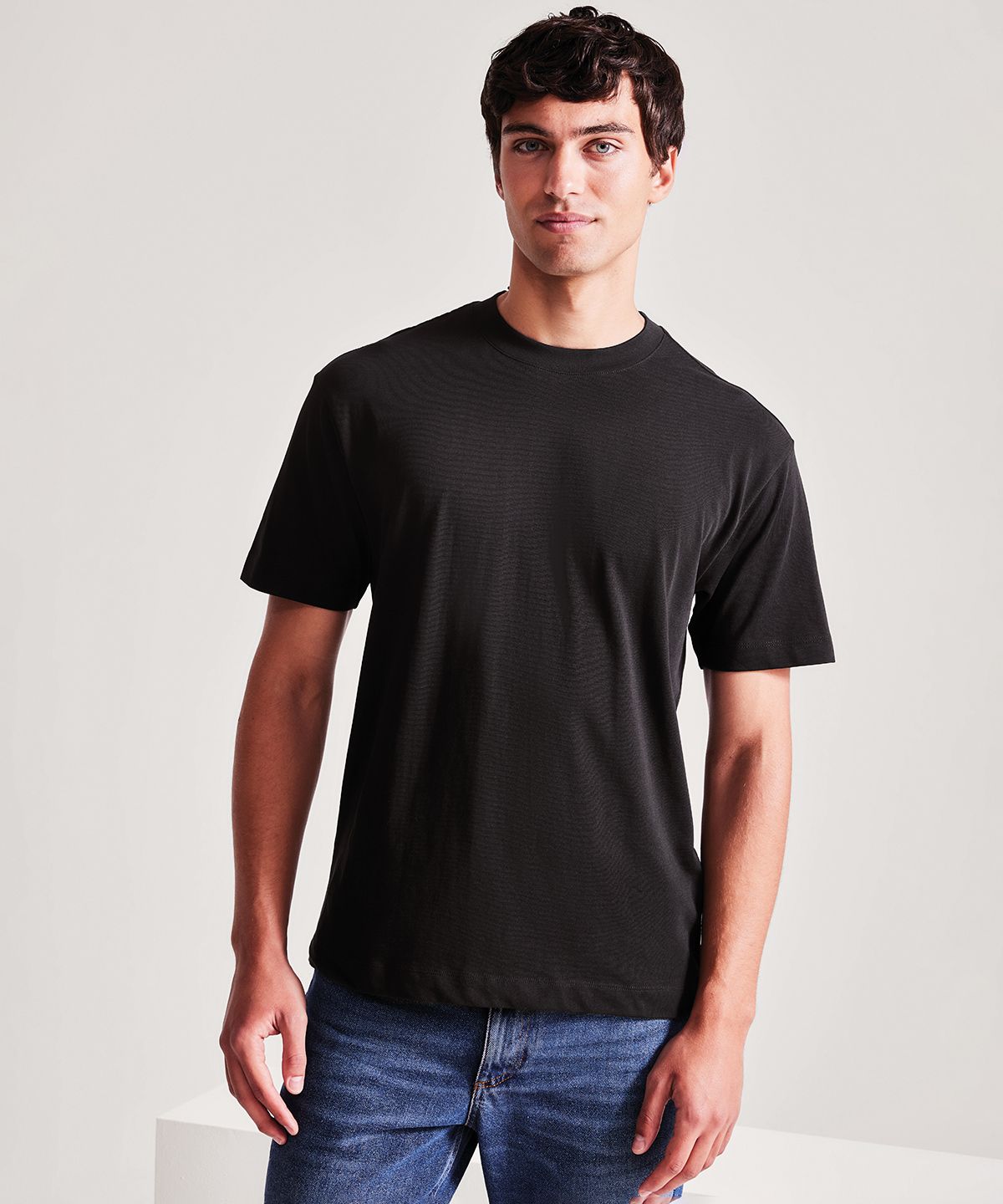
Anthem Heavyweight T-shirt
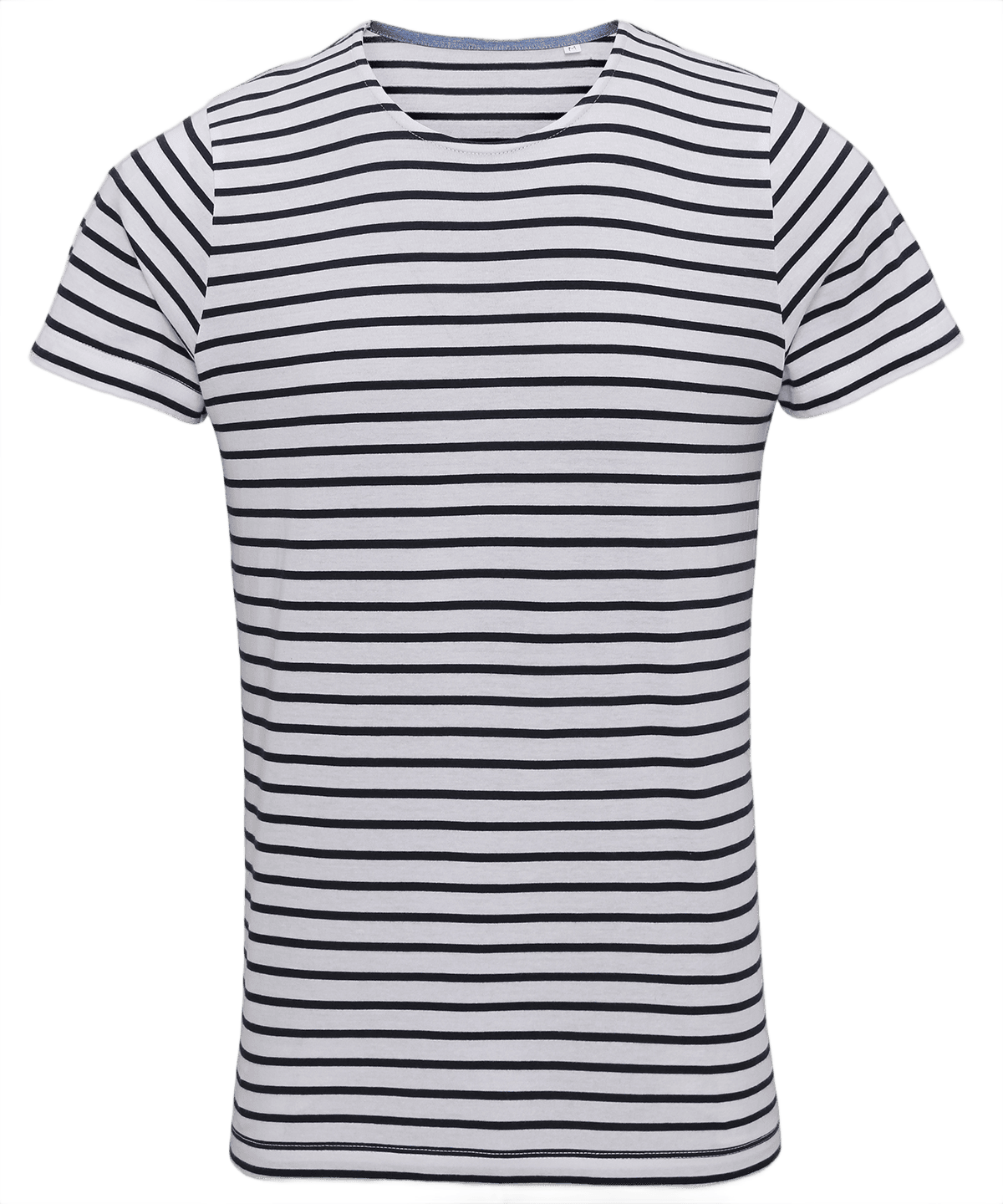
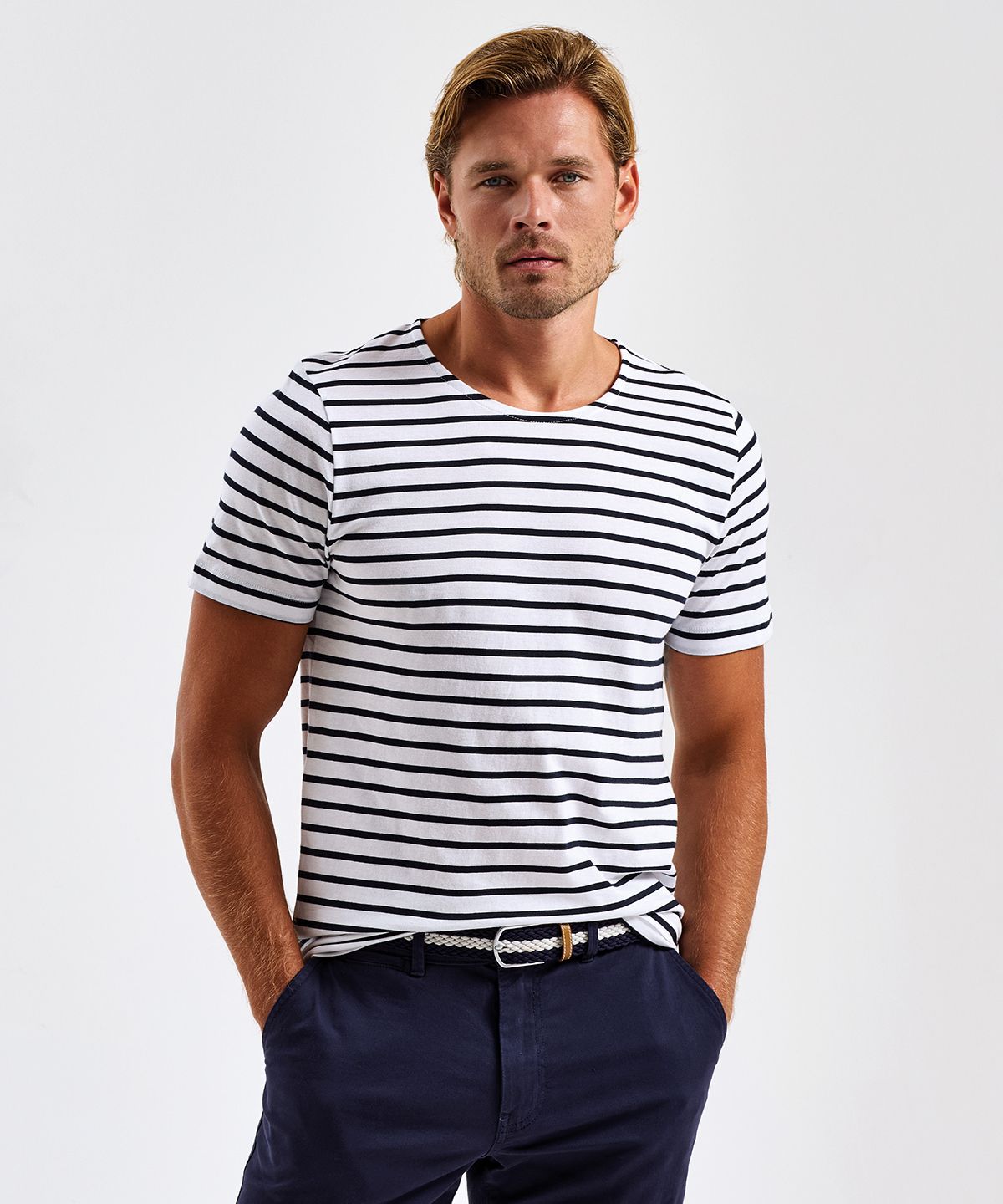
Marinière Coastal T-Shirt Men
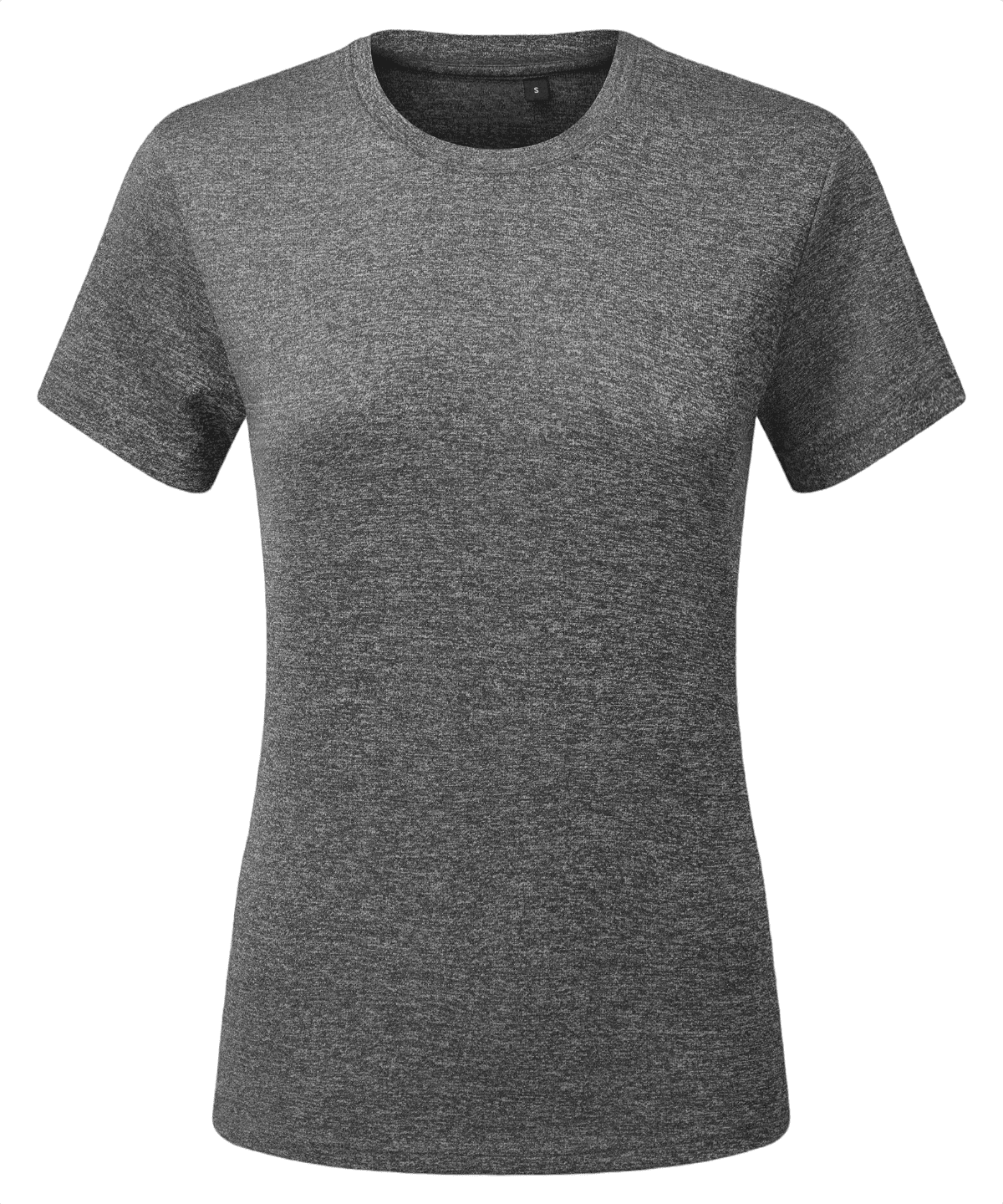
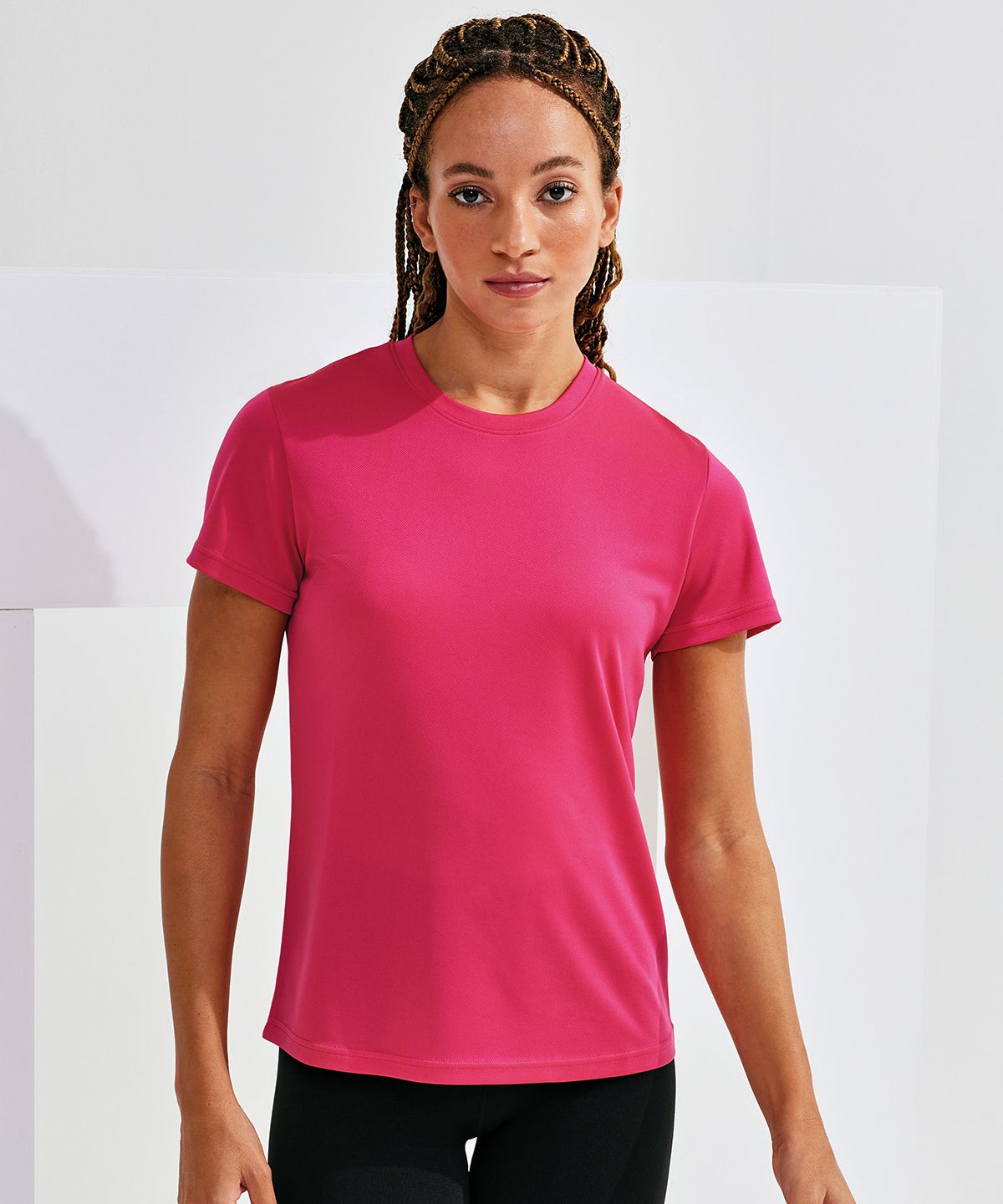
TriDri® Textured Tee Women