Paper, the material nobody asks about
Bring your brand to life
Explore over 1,000 customisable products designed to showcase your brand and leave a good impression.
The material everyone assumes is settled
Ask a client about their T-shirt and they have an opinion: fabric weight, fit, colour. Ask about the paper in the gift box it ships in, and most have never thought about it once. That is the assumption we correct first. Paper is not a filler material. It is often the first thing a recipient touches, before the actual product is even out of the box.
The arrangement: we specify it before we price it
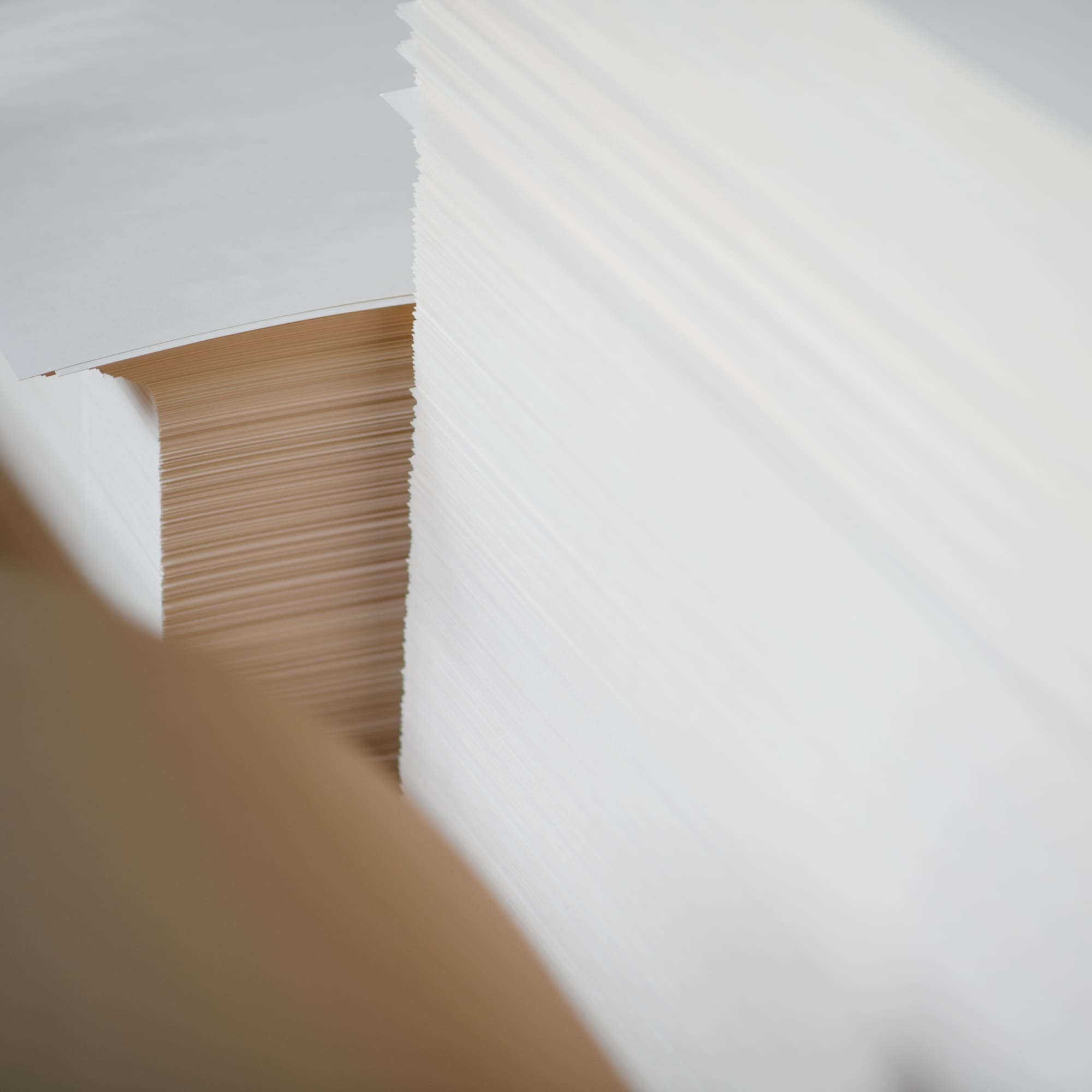
We choose paper by weight and finish, then by price, not the other way round. Weight is measured in grams per square metre. 90gsm is standard office paper: light, foldable, forgettable. 350gsm has the rigidity of a thin board, the kind that holds its shape when someone lifts a box lid. Most of what we use across notebooks, tags, inserts, and packaging sits somewhere between those two numbers.
Finish is the other variable, and it matters just as much. Uncoated paper has a natural surface. We specify it for notebooks and packaging that should feel considered rather than glossy. Coated paper prints sharper and holds colour better, so it goes where the graphic is doing the work: a detailed logo, a photograph, a multi-colour print. Get the finish wrong and the product does not fail. It just reads as an afterthought, which in a gift is worse than failing.
Where paper actually shows up in an order
Notebooks and notepads are the obvious line item. The tissue paper inside a gift box, the card that comes with it, the bag it arrives in, the folded box itself: these are paper too, and clients rarely think of them as a spec decision. We do. We have shipped kits where the outer box was right and the tissue paper inside let it down, thin where it should have had some weight to it. It is an easy detail to miss, and the easiest one to get right once someone is actually looking at it.
The sustainability picture, and where it gets complicated
Paper is biodegradable and recyclable, a genuine advantage over most packaging alternatives, plastic ones especially. The production side is less clean than the end of life. Conventional paper manufacturing uses a lot of water and energy, and forestry practices in parts of the supply chain are still worth checking rather than assuming. FSC certification is the assurance we look for on the fibre source. Recycled paper cuts demand on virgin pulp, and across most of the weights and finishes we use, it no longer means a visible drop in quality. It did, once. It mostly does not now.
Our corner of it
Weight, finish, fibre source, certification. That is our corner of the paper question. And the question underneath it: whether the first thing someone touches in the box tells them anything about the brand at all, or whether it is just paper that happened to be there.
About the author
Sticky-Mate® Sticky Notes 75x75mm
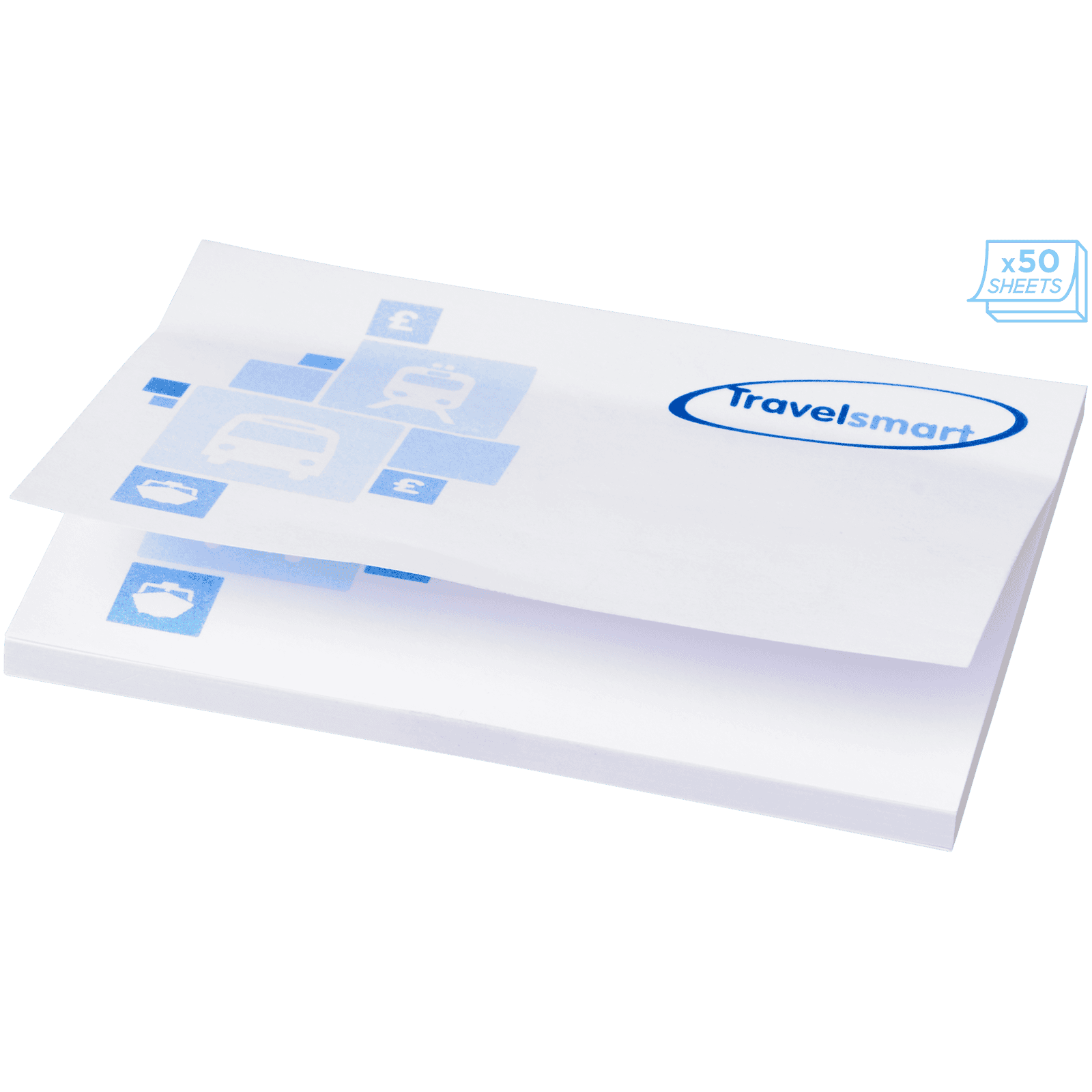
Sticky-Mate® Sticky Notes 100x75mm
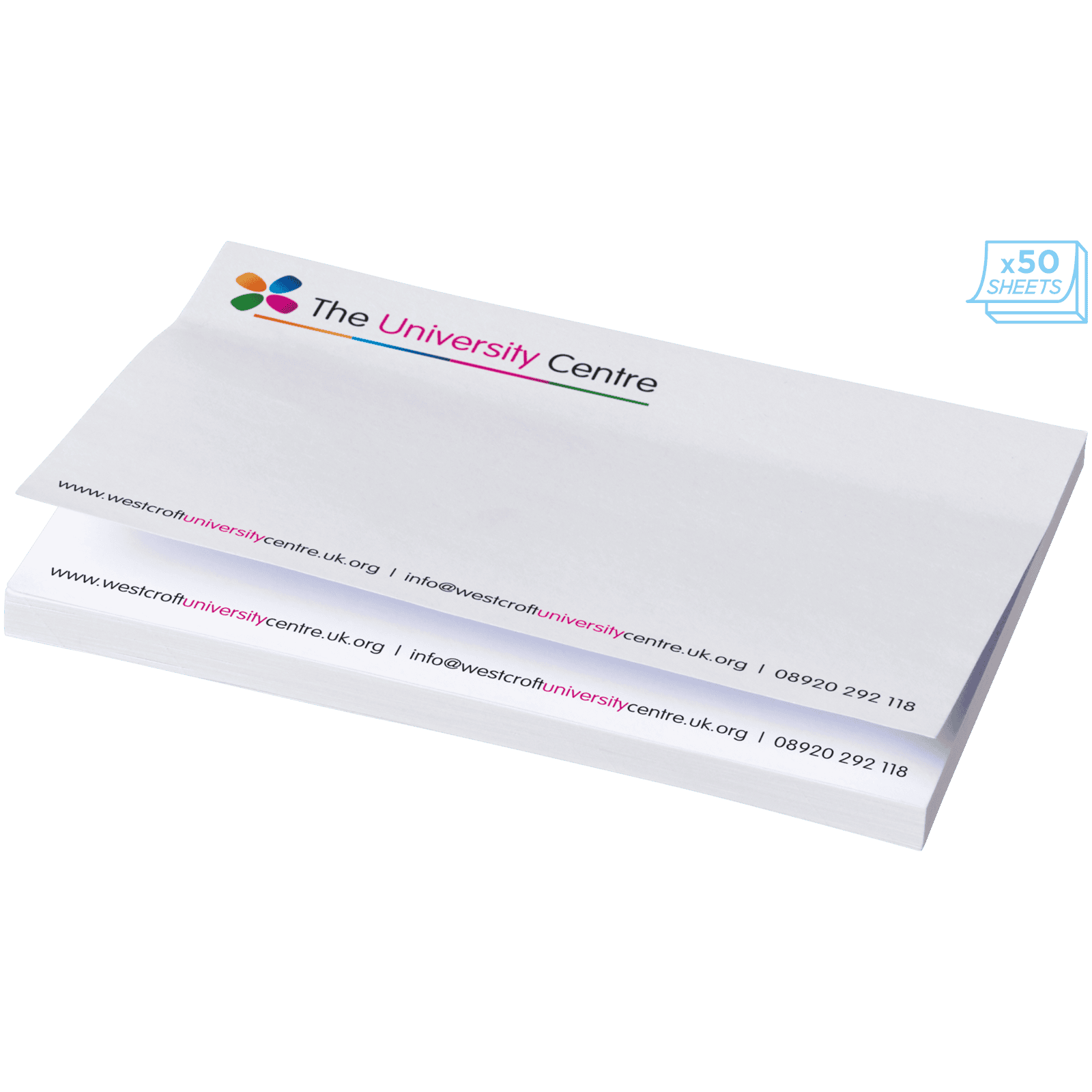
Sticky-Mate® Sticky Notes 150x100mm