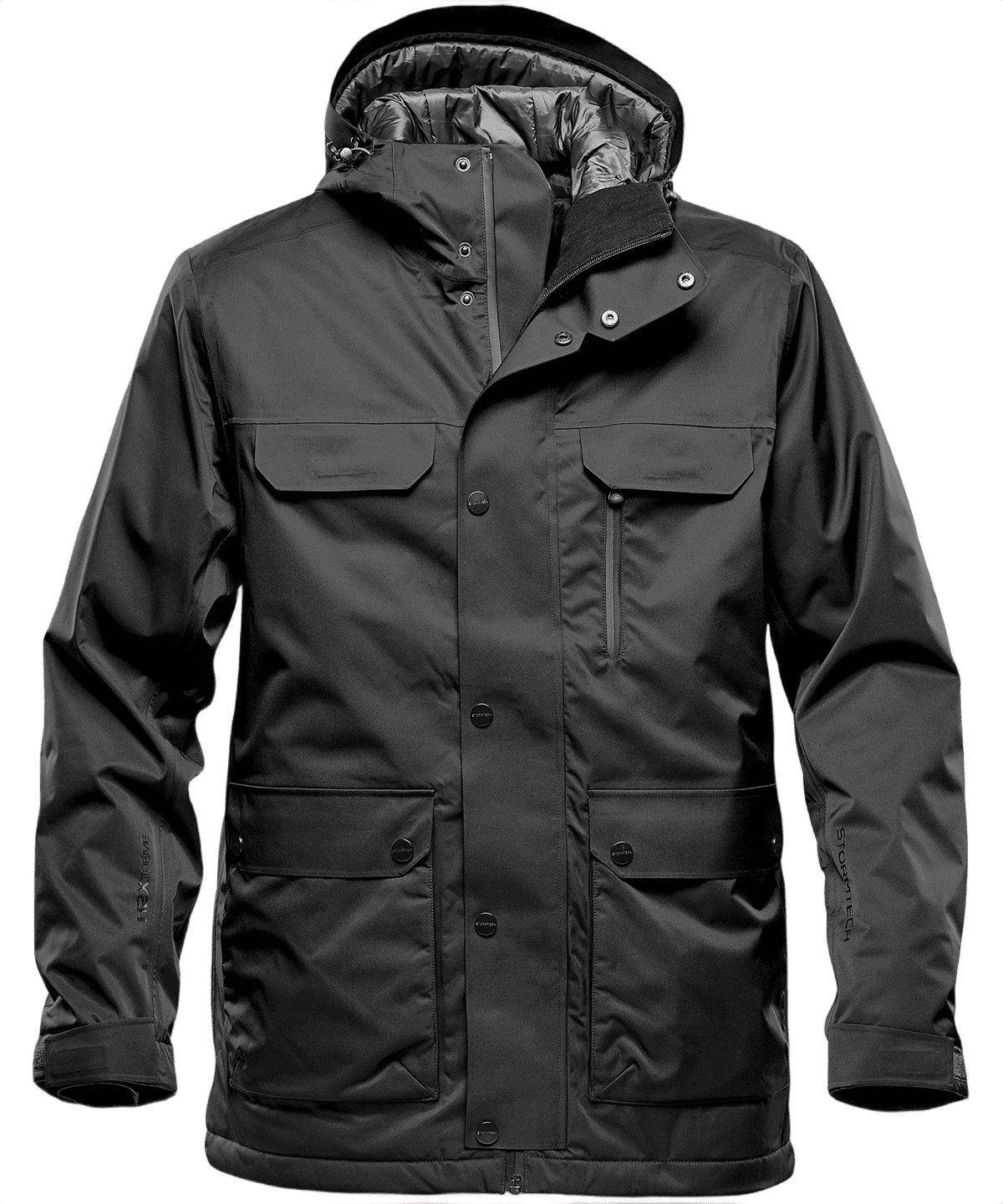
Polyester is not a natural fiber, and that's the point

Bring your brand to life
Explore over 1,000 customisable products designed to showcase your brand and leave a good impression.
Not a lesser material, a built one
Most people assume the difference between polyester and cotton is a quality difference: one is real, one is not. That is not it. Cotton comes from a plant. Polyester is engineered from petroleum-based chemicals, and a fiber that is engineered can be tuned for exactly what a T-shirt, a lanyard, or a rain jacket needs to do. The tradeoff sits somewhere else entirely.
When a client asks for workwear that has to survive a full season of daily wear, or a tote that only needs to get someone from a conference hall to a hotel room, the fiber is the first decision, not the last. We make that call with the client before the order goes in, not after the first wash cycle proves us wrong.
How the fiber gets made
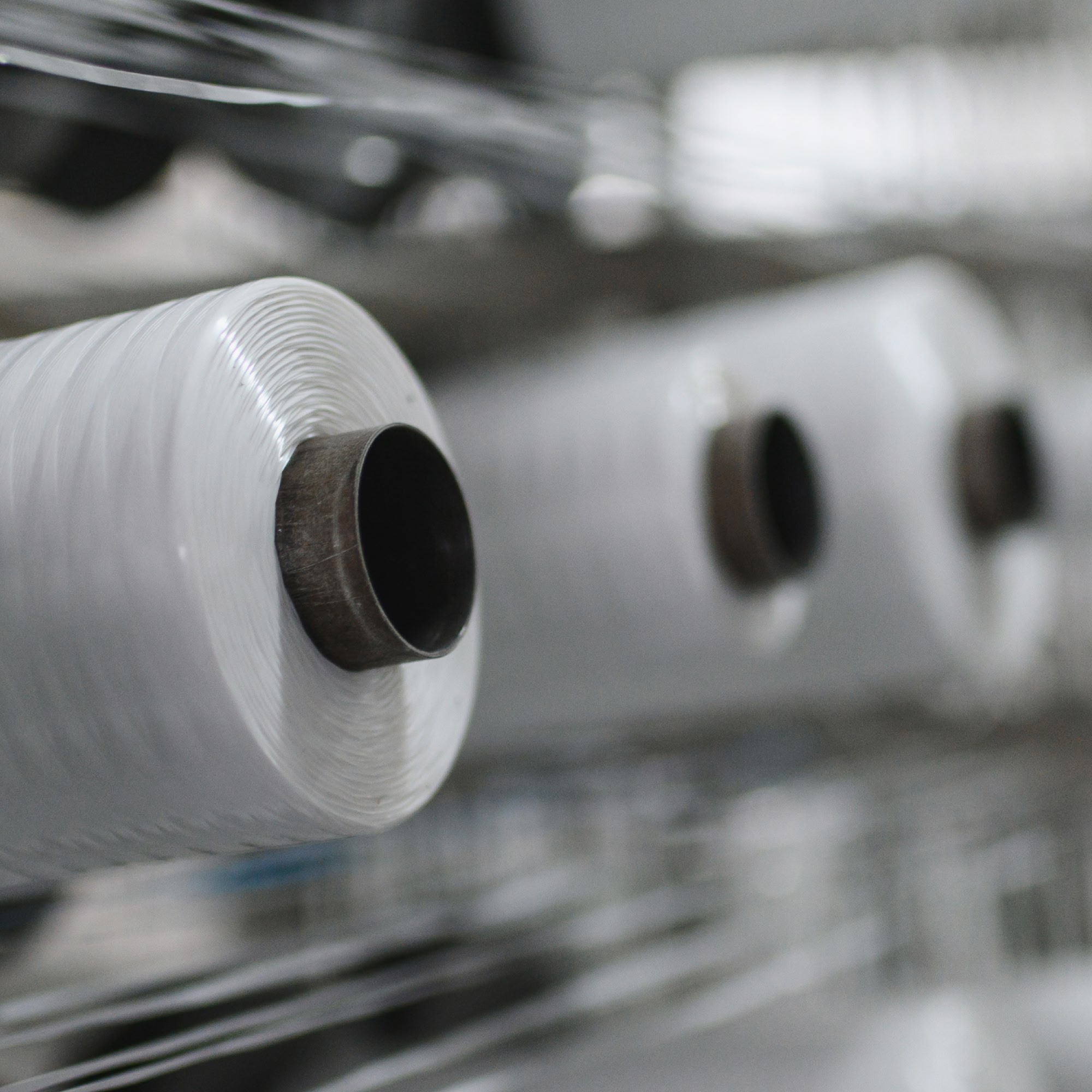
Polyester starts as two compounds, ethylene glycol and terephthalic acid, combined through a process called polymerization into a liquid polymer. That polymer is pushed through fine nozzles to form long, thin fibers, then stretched and heat-set to lock in strength and shape. The result is consistent enough to spin into yarn and weave into fabric at scale.
Consistent also means easy to fake. Two rolls of polyester can carry identical numbers on a spec sheet and behave completely differently after a wash. We test the fabric ourselves rather than trust the sheet.
Where it earns its place
Polyester holds printed color well, dries fast, and keeps its shape under heavy use. That is why it turns up consistently in sportswear, technical outerwear, bags, lanyards, and accessories, anywhere durability matters more than a natural feel against the skin. For event merchandise or workwear that has to last, it often makes more sense than cotton.
It does not make sense everywhere. A cotton tote for a one-day conference does not need performance fabric, it needs to survive a walk across a parking lot. We do not put polyester on a product just because it performs well on other products.
Where it falls short
Polyester is not breathable the way cotton or linen is, and it can feel synthetic against skin, something recipients notice even when they do not say so. It also sheds microplastics every time it goes through a wash. That is a real cost, and no branding decision changes it. For a client with a sustainability commitment on their homepage, conventional polyester sitting in their merchandise box is a genuine tension, not a detail to gloss over.
The recycled option, and what it does not fix
Recycled polyester, usually made from post-consumer plastic bottles, uses less energy and water than virgin polyester and keeps plastic out of landfill. Most performance categories now offer it as standard, which makes it easier to combine function with a more considered material.
It solves the sourcing problem, not the washing one. Recycled polyester sheds microplastics the same as virgin polyester does. Choosing it is the right instinct. It is not, on its own, the whole answer.
Our corner of this business
Chemistry, category, the wash cycle, the recycled question. That is our corner of the business. And the question underneath it: not whether a fiber is good, but whether it is right for what the product will actually have to survive.
About the author
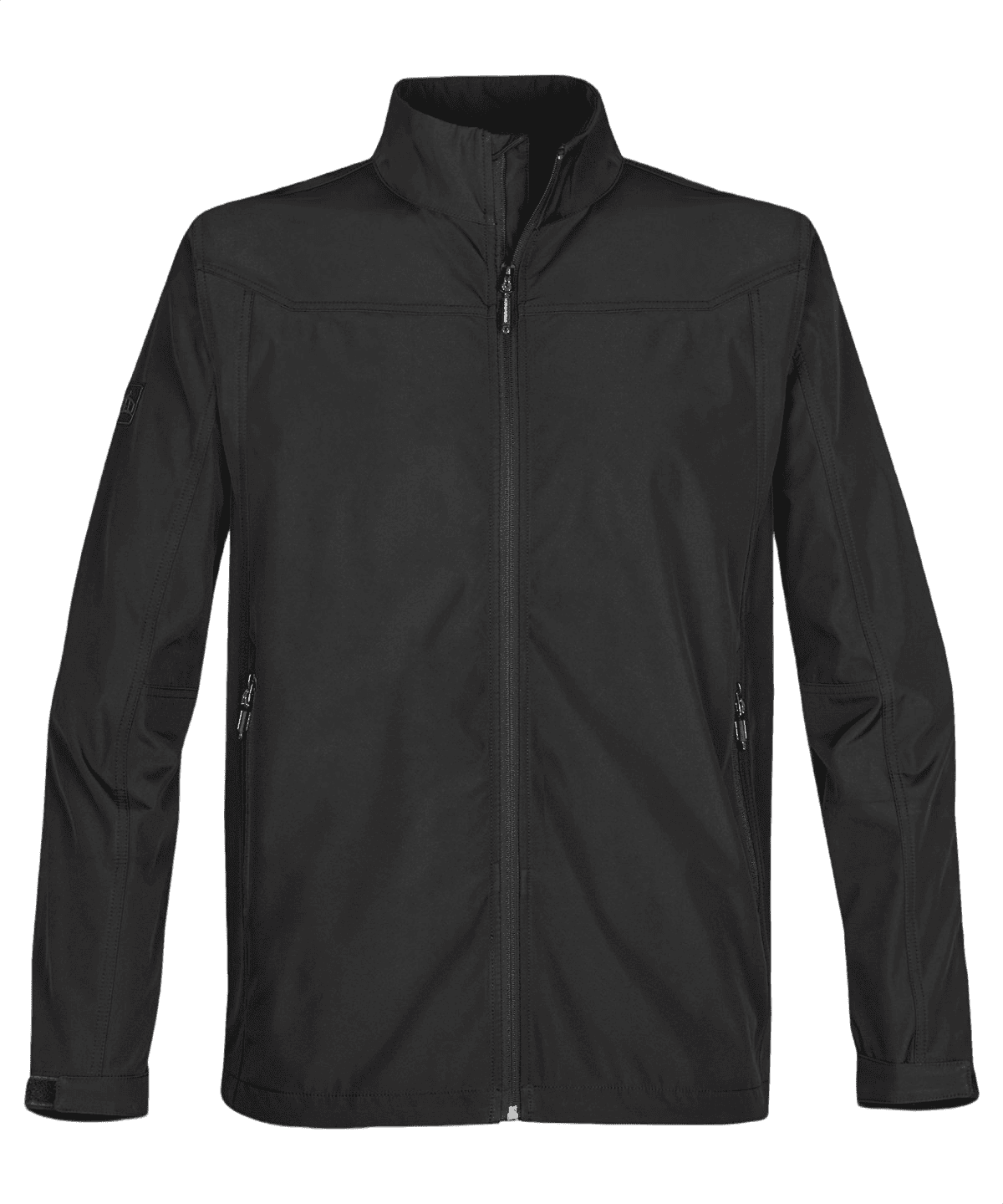
Endurance Softshell
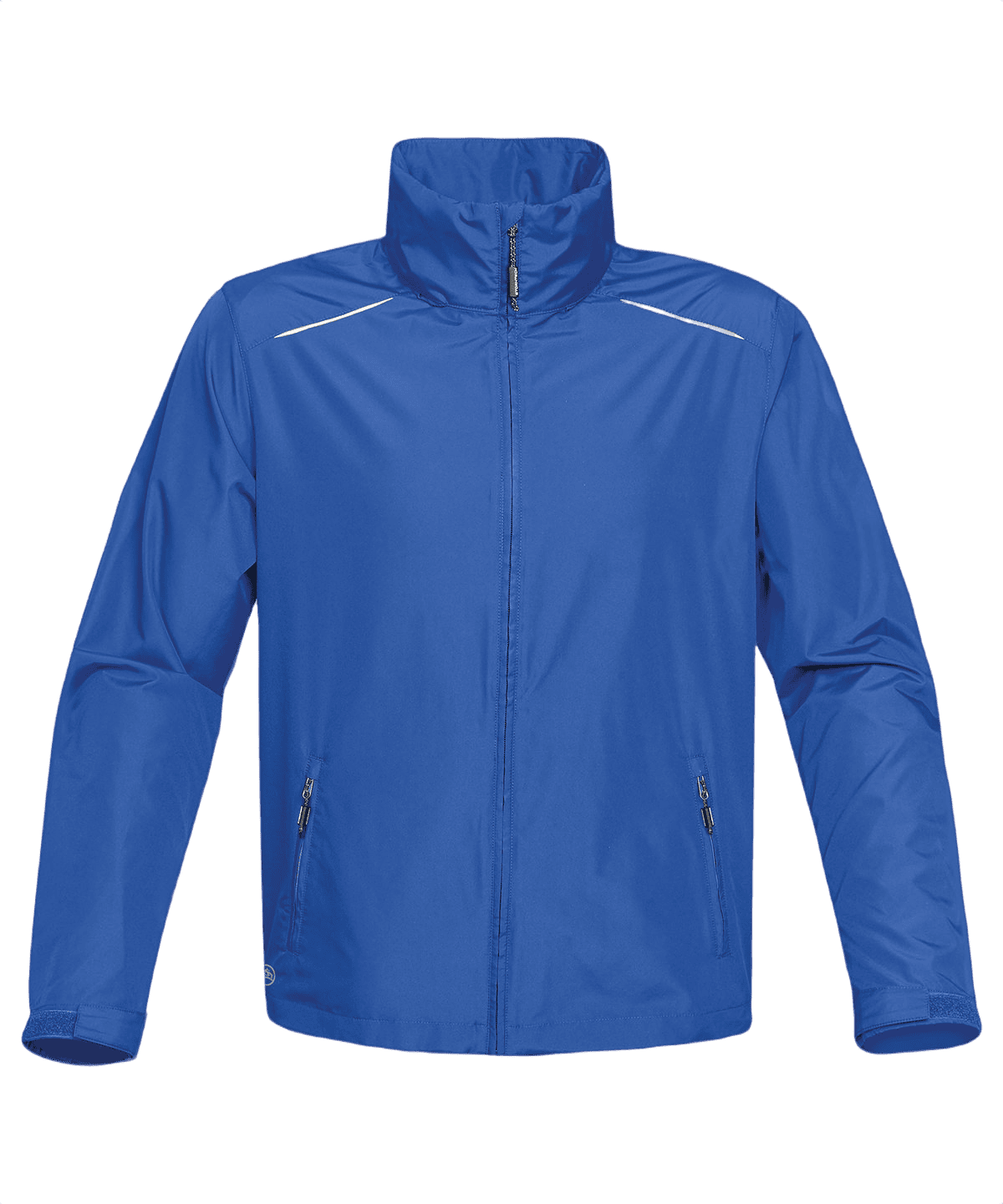
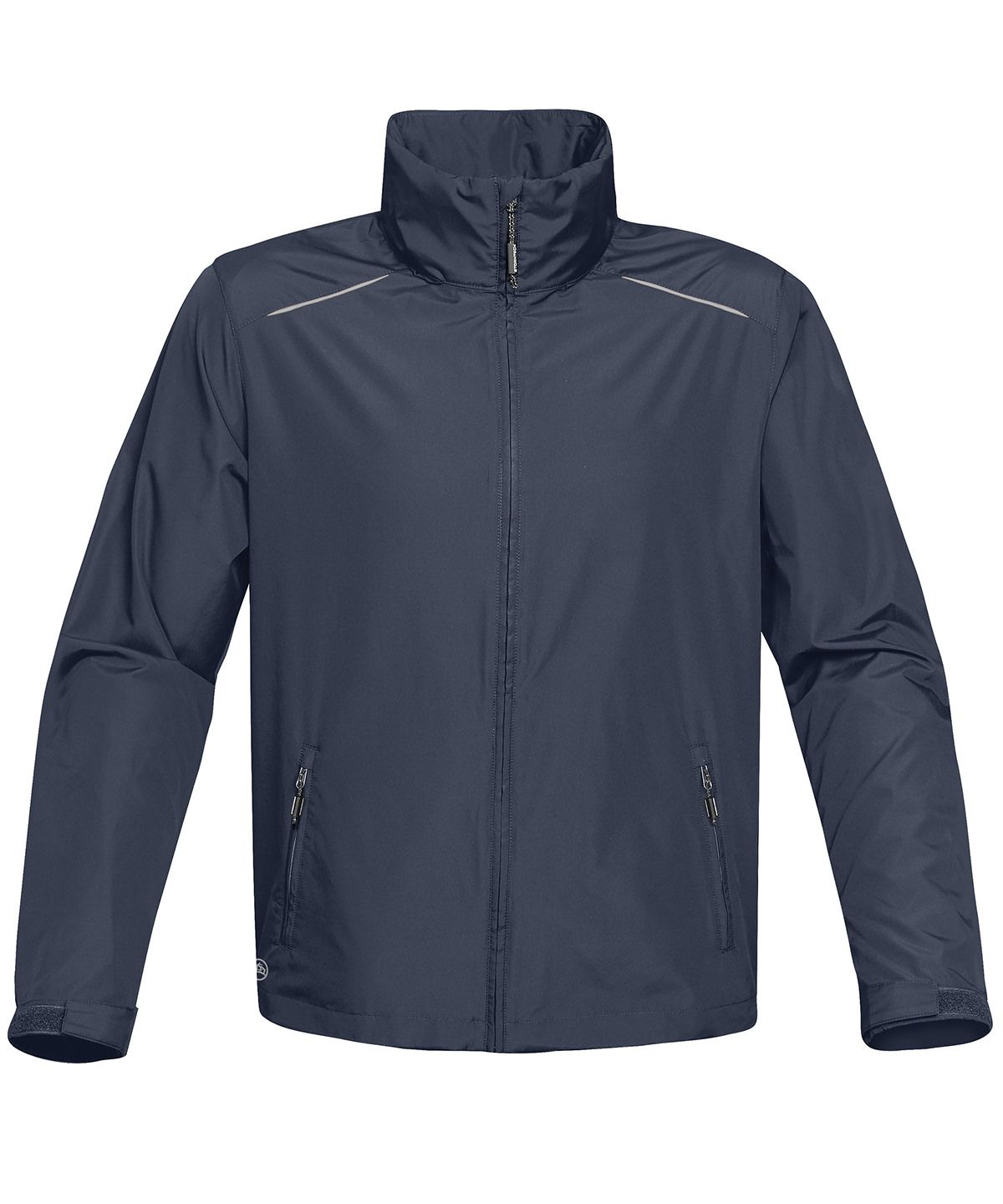
Nautilus Performance Shell
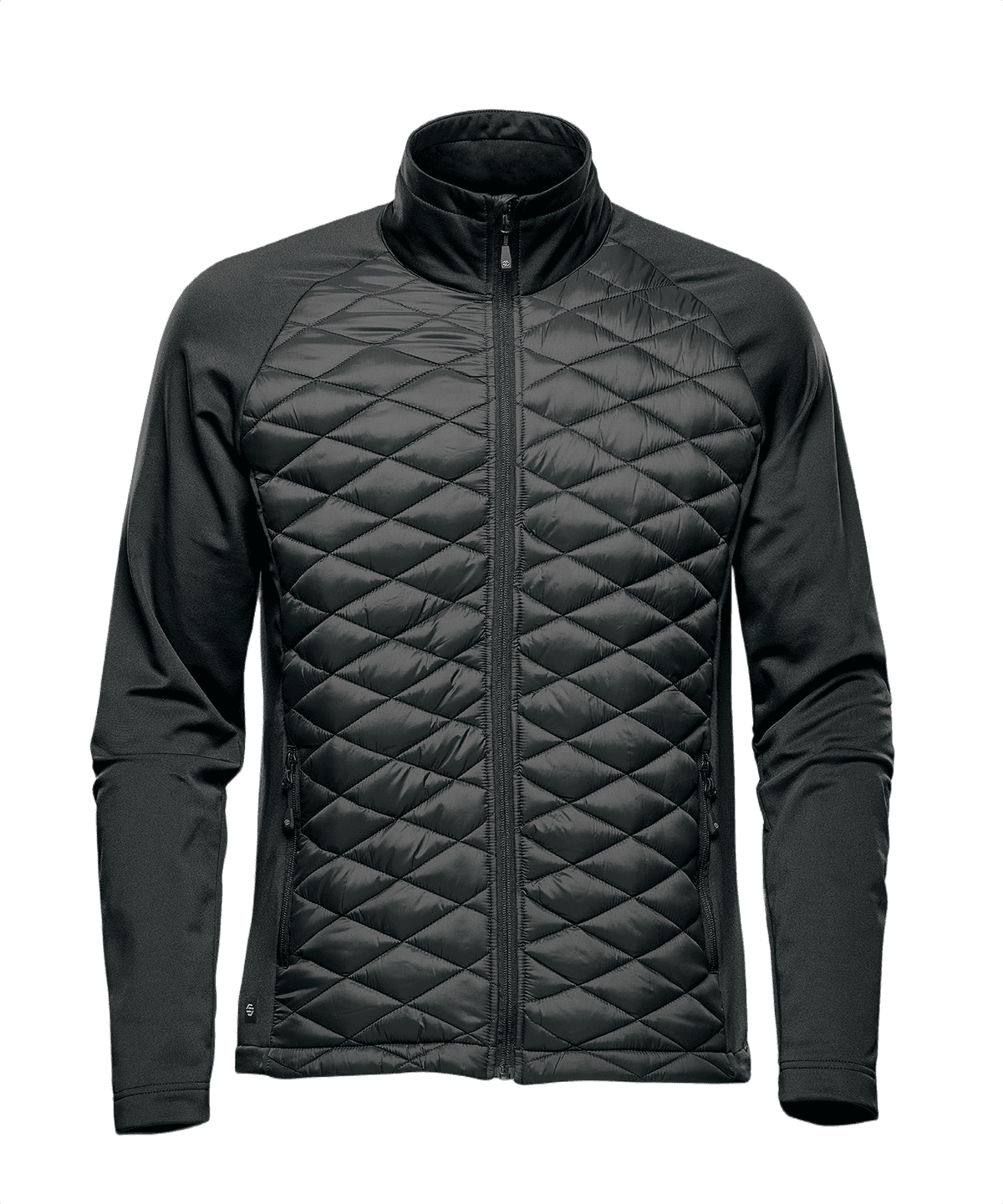
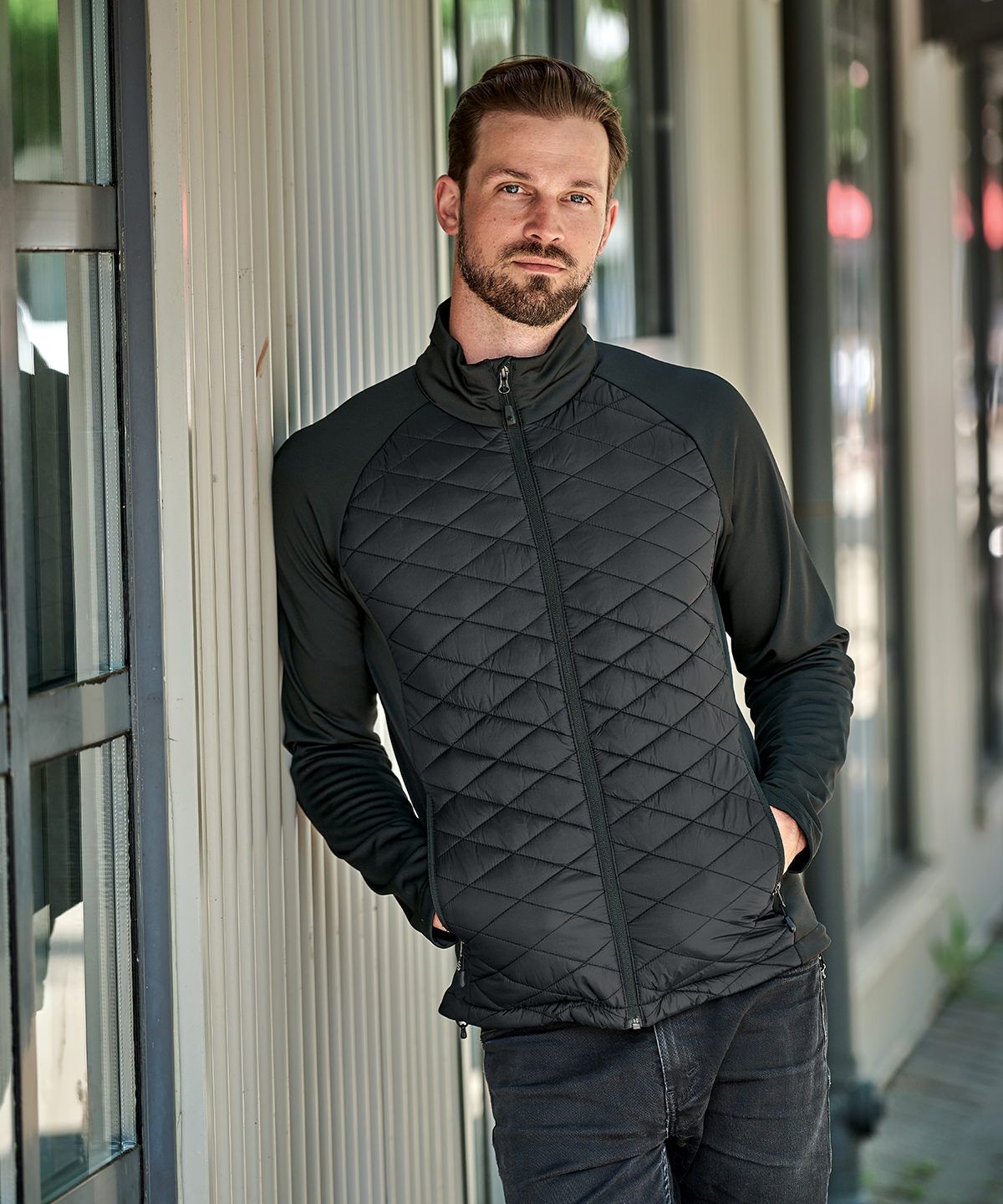
Boulder Thermal Shell