Recycled cotton: what working with waste actually involves
Bring your brand to life
Explore over 1,000 customisable products designed to showcase your brand and leave a good impression.
Most people assume the hard part of using recycled cotton is asking a client to accept an eco alternative. It isn't. The hard part is getting a shredded fabric to hold color, strength and feel close enough to spec, batch after batch, so nobody on the client's side has to explain why this year's tote looks slightly different from last year's. That is where the real work sits. Not in the pitch.
What the material actually is
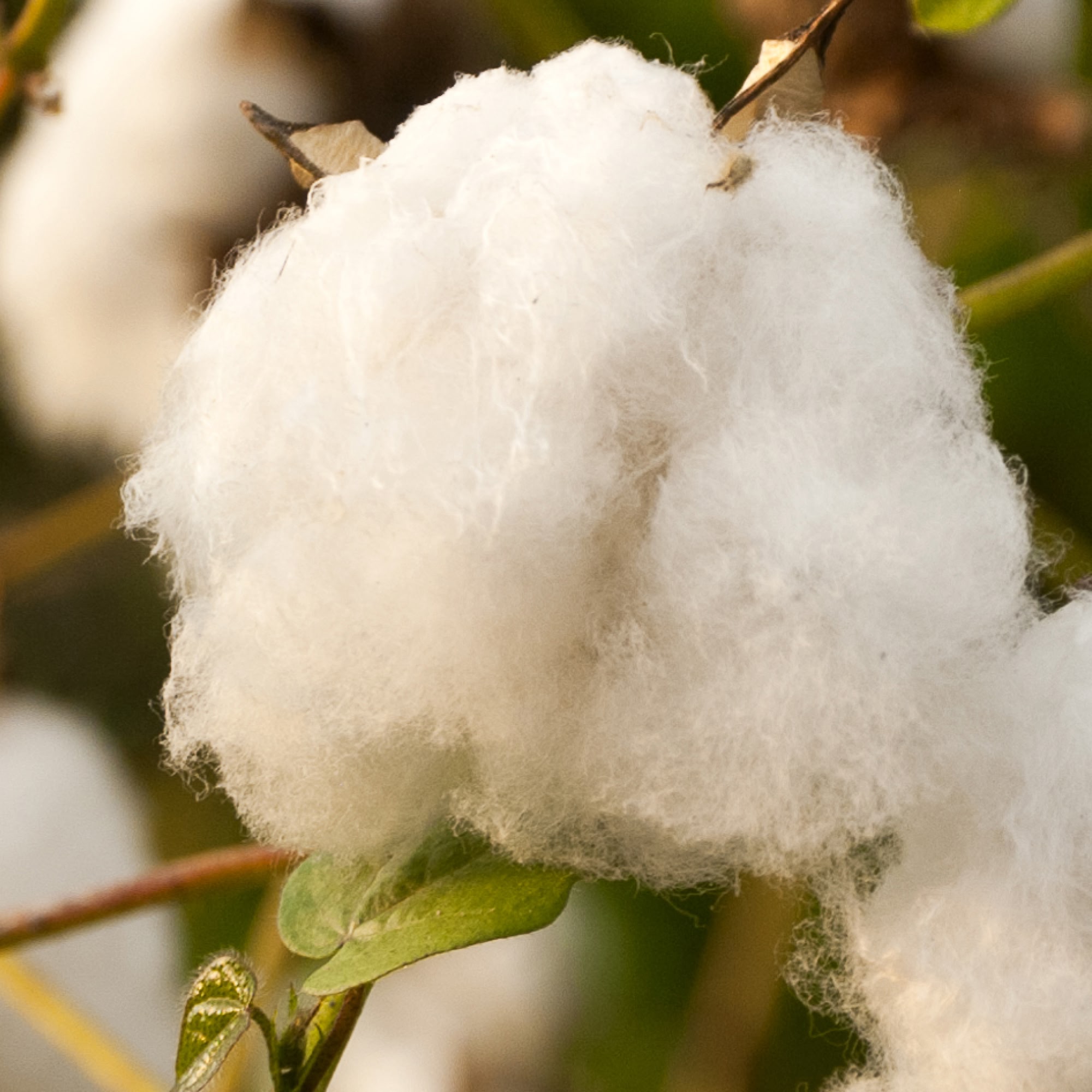
Recycled cotton starts with garments and offcuts that already exist: post-consumer waste, factory floor scraps, cut-and-sew leftovers that would otherwise sit in landfill. We sort it, shred it into raw fiber, clean it, and respin it into yarn. Nothing about that step is glamorous. It is sorting and shredding, done consistently.
Recycled fiber alone is often too short and too weak to spin reliably on its own. Most of what comes through this stage gets blended with a share of virgin or organic cotton to hold the yarn together. Get the blend ratio wrong and the fabric pills, thins, or fails a wash test the client never sees coming. Get it right, and it looks and feels close enough to conventional cotton that most people would not notice.
Where we use it
Not every product is a fit. Tote bags, t-shirts and sweatshirts are where recycled cotton earns its place: simple construction, visible material, a sustainability story a client can actually stand behind rather than perform. We do not put it forward where texture has to be exact across a large batch on a tight deadline, because that is where it costs the most to get wrong.
A client ordering 40 hoodies for a launch notices a shade difference between box one and box three faster than they notice the fiber content on the label. We flag that risk before the order. Not after delivery.
What it does not do
Recycled cotton will not match virgin cotton on color consistency, and the supply of good recycled fiber is limited, which affects both price and lead time. It is not the cheaper option, and it is not always the more consistent one. We say this upfront, because a client who finds out at the invoice stage stops trusting the next recommendation we make.
Why we still use it
It takes less water to produce than growing new cotton, it keeps existing fiber out of landfill, and it extends the working life of material the industry has already produced. It will not solve what the textile industry gets wrong on its own. It is one piece that, used in the right product, in the right run size, actually holds up.
Sorting, blending, ratio, batch. That is our corner of the material side of the business. And the question underneath it: whether a sustainable material choice is real, or just printed on a swing tag.
About the author