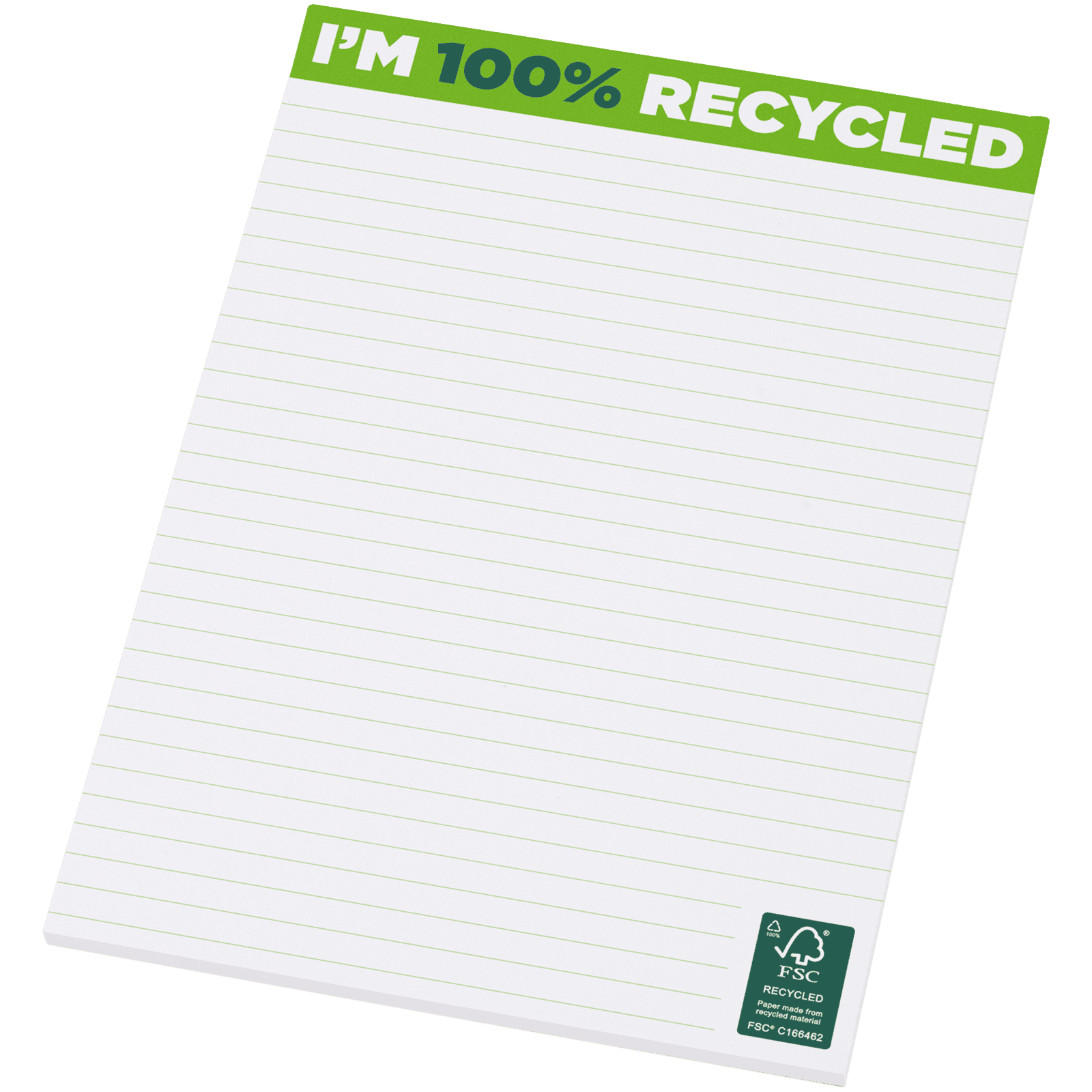
Recycled paper: less waste, same purpose
Bring your brand to life
Explore over 1,000 customisable products designed to showcase your brand and leave a good impression.
What people assume, and what actually happens
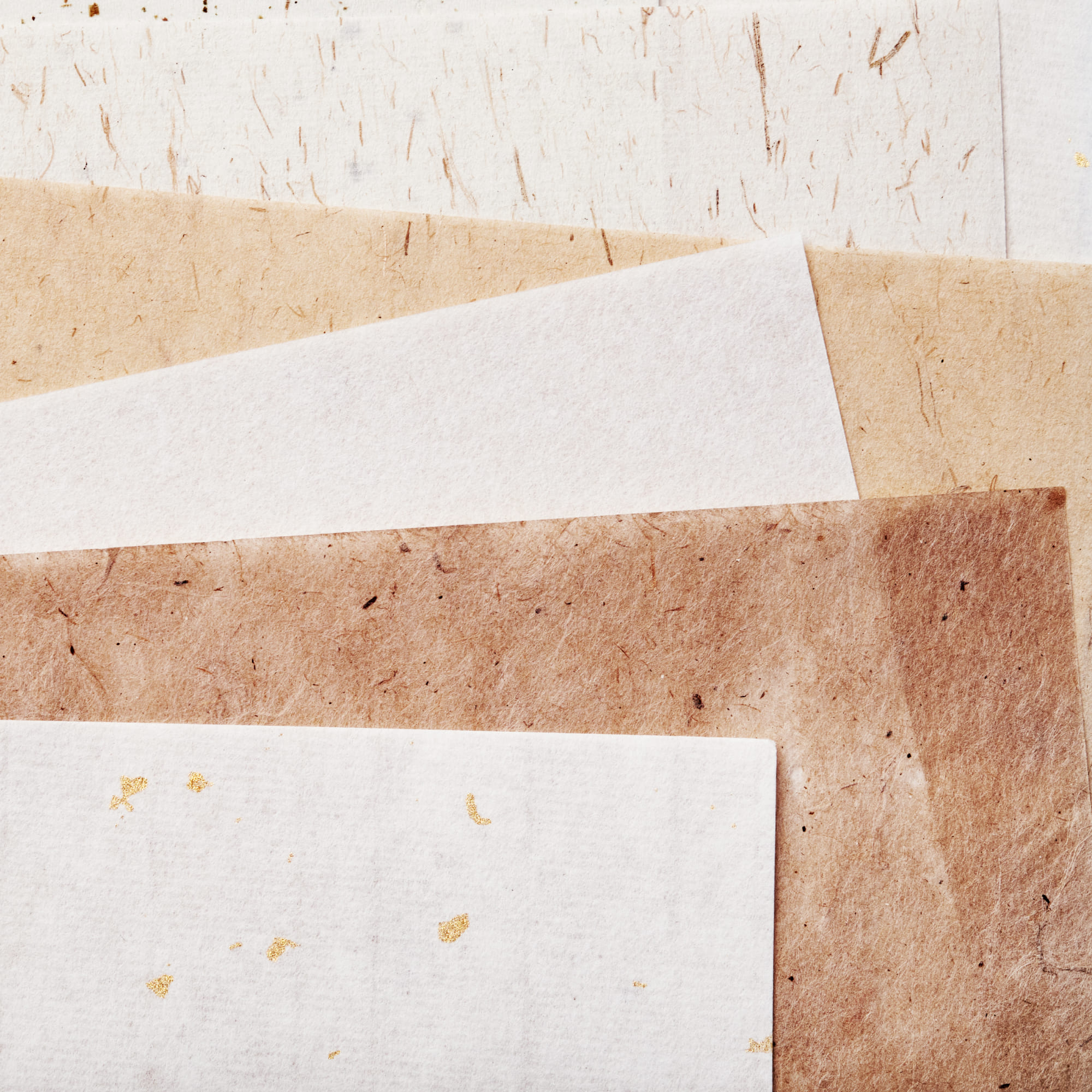
Most people assume recycled paper is virgin paper with an asterisk: slightly worse, slightly greyer, a compromise a brand makes for the sake of appearances. That is not quite what is happening. Recycled paper is fiber that has already been through the mill once, collected from offices, packaging, print runs, and post-consumer waste, then repulped and reformed into new sheets. The material is the same. What changes is the starting point.
Where the fiber actually comes from
Collected paper is sorted by grade, soaked, and broken back down into pulp. Ink is removed by flotation or washing, and whatever does not belong is filtered out. Here is the part that does not make it into most marketing copy: every cycle through this process shortens the fiber. Recycled paper is almost always blended with a share of virgin or longer fiber to hold strength and print quality, and that ratio is not fixed. It is a spec, and it is one worth asking for before an order, not after.
Where it turns up in a merch program
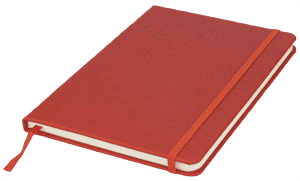
Notebooks, packaging, paper bags, tissue paper, cards, printed inserts. Same categories as virgin stock, same print methods, no real difference in what a customer notices holding it. The difference is the story behind it, and that story has to survive someone asking a follow-up question. In 1996, before recycled stock was standard anywhere in the industry, we started recycling newspaper into our own catalogues. It was not a campaign. It was cheaper paper that happened to also be the right thing to do, which is usually how these decisions actually get made.
Reading a certificate instead of a claim
Not every recycled claim means the same thing. Post-consumer waste, fiber recovered after someone actually used and discarded the product, is the meaningful figure. Pre-consumer waste, mostly manufacturing offcuts that a mill would likely have reprocessed anyway, is the easier number to print on a spec sheet and the less honest one. FSC Recycled certifies that the wood-based material is reclaimed, full stop. PEFC offers a comparable chain of custody. We ask for the certificate before we ask for the price, because a supplier who cannot produce one is telling you something, whether or not they say it out loud.
Why a material nobody asks about still matters
Packaging, inserts, bags, notebooks: these are often the first physical contact a recipient has with a brand, ahead of the product itself. The slightly warmer tone and visible grain of a higher recycled-content sheet is not a flaw to hide. It is a texture some brands now choose on purpose rather than tolerate by accident. Paper is rarely the most discussed material in a merchandise program. It is one of the most consistently seen.
Grade, fiber ratio, the certificate behind the claim, the second look at what a supplier calls recycled. That is our corner of the business. And the question underneath it: whether a sustainability claim on a product survives someone asking what it actually means.
About the author
Sticky-Mate® Notes 100x75mm
Notepad Combat
Certicpen Nemo