Round digital printing: Continuous prints for cylindrical products

Bring your brand to life
Explore over 1,000 customisable products designed to showcase your brand and leave a good impression.
Most people assume the hard part of printing on a bottle or a mug is getting the design right. It isn't. The hard part is applying ink evenly to a surface that keeps turning under the printhead, with no plate, no screen, no flat surface to rest against. Standard flatbed printers cannot do it at all. Round digital printing exists because flat cannot handle round.
What round digital printing actually is
We mount the object on a rotating fixture and let it turn at a controlled speed in front of the printhead. The printhead lays down ink in passes timed to the diameter and the curve of that specific surface, not to a fixed flat plane. No plates. No screens. The design goes from file to product in a single run, wrapped fully around the object or placed on one panel, depending on the brief.
Get the rotation speed wrong relative to the printhead timing and the print drifts around the seam. That shows up on every unit in the run, not just one.
Why the ink has to be UV cured
UV curable ink is what makes the process workable on glass, metal, and hard plastic. It bonds fast to a nonporous surface, and a UV lamp cures it the moment it's applied, so there's no drying stage built into the schedule.
That is also where the limit sits. The ink needs something smooth, hard, and nonporous to grip. Fabric, foam, anything textured: it won't hold, and no adjustment to the printhead changes that.
What it's for
Drinkware is where we use it most: bottles, tumblers, mugs, cans. Also cosmetic packaging and other round hard goods where a label would sit on top of the object rather than become part of it. It suits short and medium runs well, and it's one of the few decoration methods where a different name or number on every item in the same batch doesn't slow the line down.
What it does that a label can't
A label goes on after the object is made. Round digital print doesn't: the ink meets the object directly, so there's no edge to peel, curl, or catch on a bag strap. Full colour, photographic detail, comes with the format itself, in a way that screen or pad printing on a curved surface rarely manages.
Where it doesn't work
Very complex curves, sharp tapers, anything that changes diameter a lot along its length: the fixture struggles to keep the ink timing accurate, and the print can visibly distort. Not every supplier owns the equipment either. It's specialised. If a supplier says they can round digital print anything you hand them, ask to see a sample on the actual shape first.
When to choose it, and when not to
Round digital printing is the right call for cylindrical hard goods where a label would look wrong and the run isn't large enough to justify separate tooling. For high volumes on a straightforward shape, round screen printing or pad printing gets there for less. We pick the method the object needs, not the one that's easiest to quote.
Rotation, timed ink, UV cure, no label. That is round digital printing's corner of the decoration list. And the question underneath it: does this object need a finish that looks built into the surface, or would a label do the same job for less?
About the author


Non-Woven Shopping Bag 80 g/m2
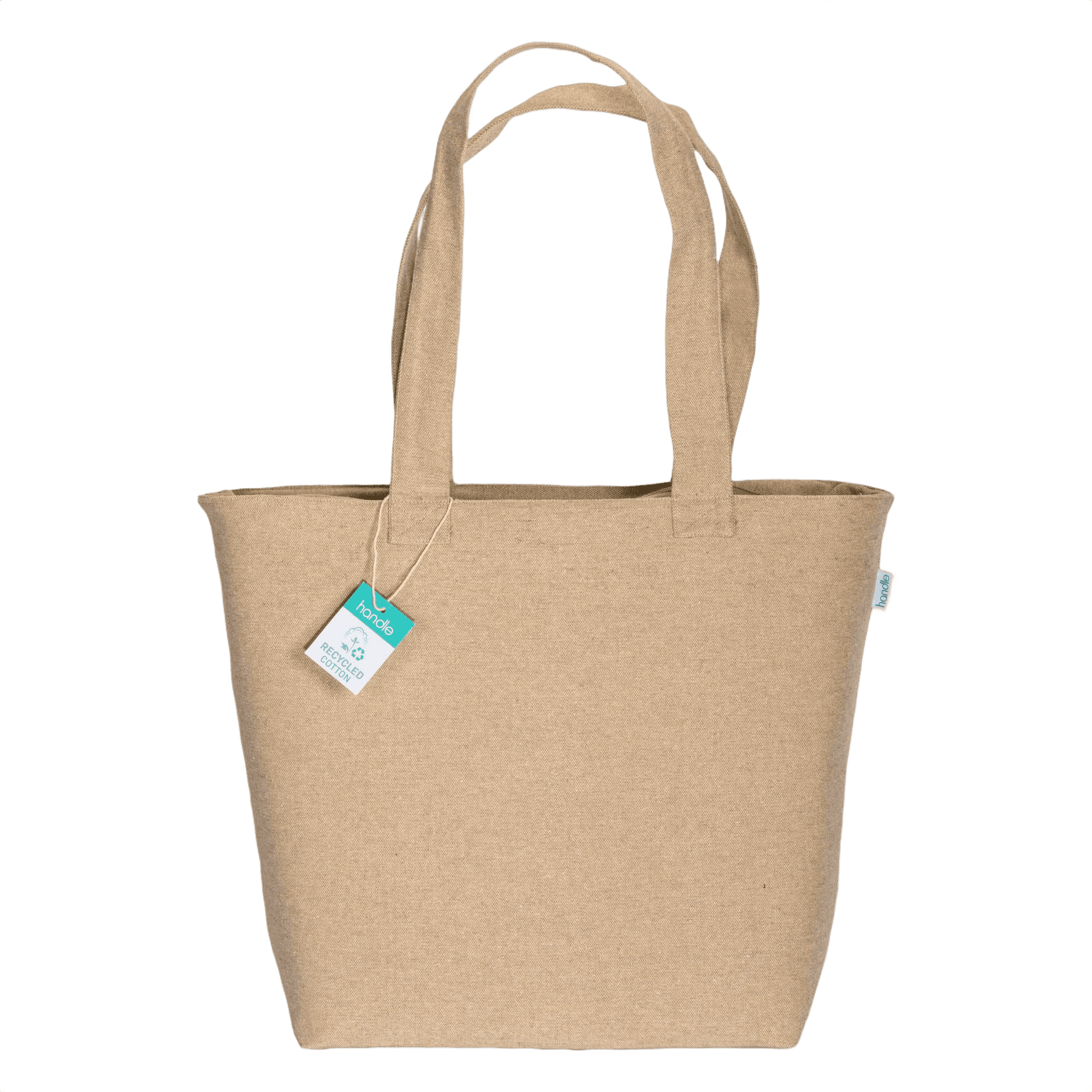
Cotton Shopper with Gusset 280 g/m2
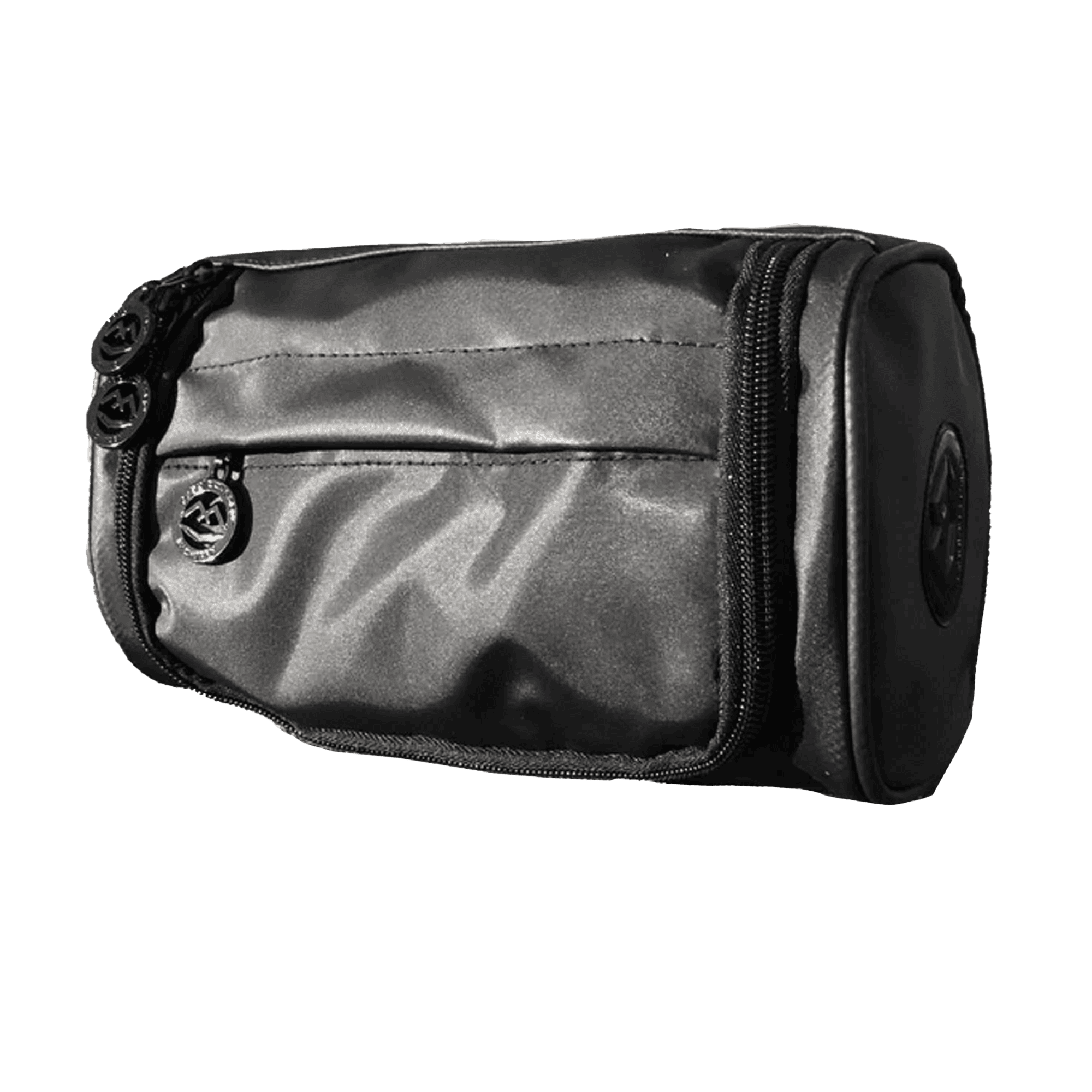
Fabulous Race Toiletry Bag