Round screen printing: A way to print beyond flat surfaces
Bring your brand to life
Explore over 1,000 customisable products designed to showcase your brand and leave a good impression.
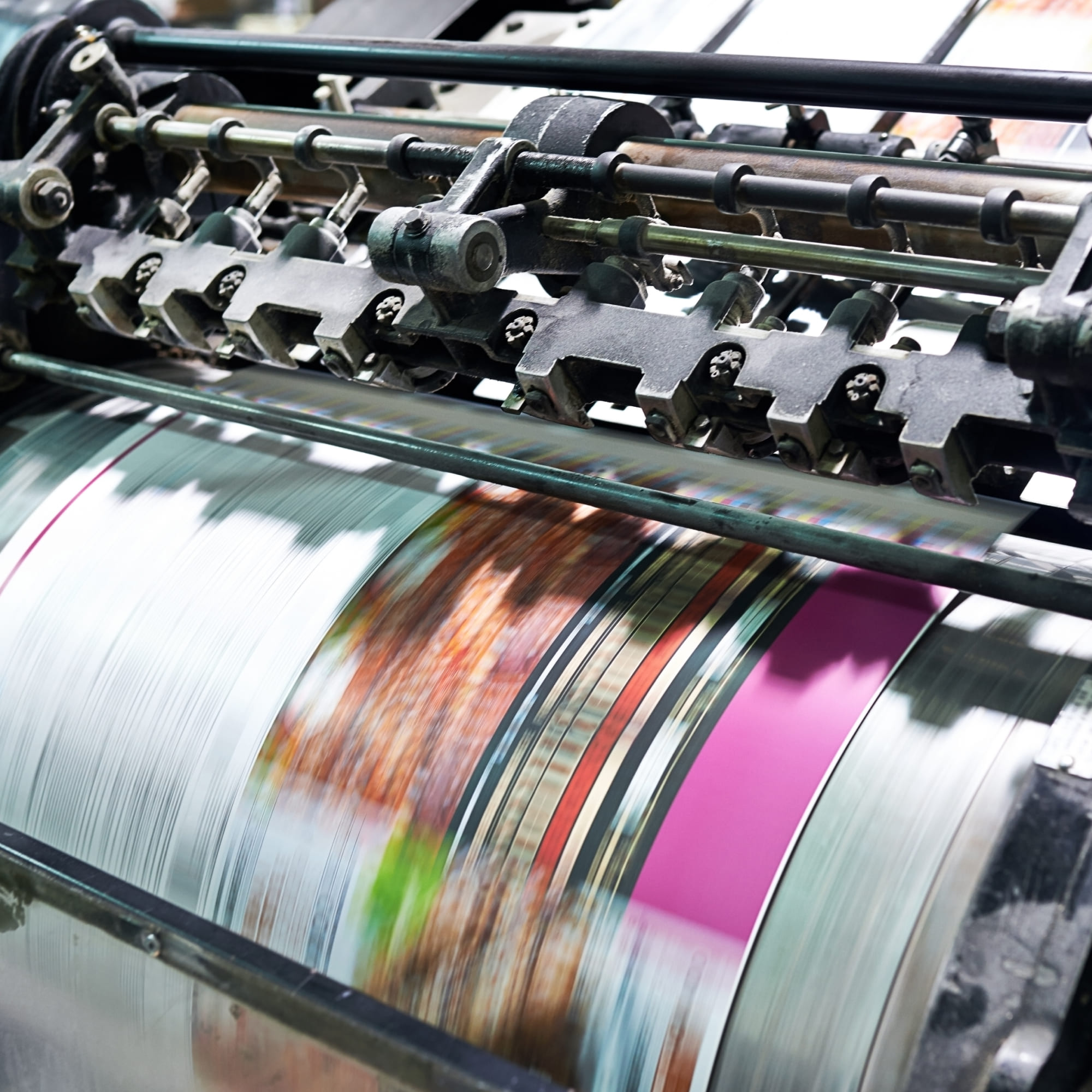
Most people assume the hard part of printing a logo on a bottle is the ink: getting it opaque enough, bright enough, to stand out on stainless steel or a dark plastic tumbler. That's not it. The hard part is rotation. A screen is flat. A bottle is not. The whole method exists to solve that one mismatch.
How the print actually gets onto a round surface
We fix the object in a jig and rotate it in sync with the squeegee stroke. As the object turns, ink passes through the open mesh and onto the surface at the same speed the squeegee moves across it. Get the timing wrong and the design stretches on one side, compresses on the other. Get it right and it wraps the full circumference, or the section we're printing, without a break in the design.
Each colour needs its own screen and its own pass: a two-colour logo means two passes. After the last one, heat or UV curing bonds the ink to the surface.
What it's built for
This is a batch method. We use it on bottles, tumblers, cosmetic tubes, and other cylindrical merchandise where the same design runs across the whole order. Once the screens are set up, the cost of each additional item drops, which is where the economics favour us on larger runs.
It's a poor fit for a one-off gift, or an order where every unit carries a different name. The screens don't pay for themselves on a short run.
What holds up, and what doesn't
Screen printing lays down opaque, saturated colour. On a dark bottle or a brushed steel tumbler, that matters: the print doesn't fade into the background the way a thinner or more translucent method can. It also holds up to the handling a water bottle actually gets: years in a bag, next to keys and a phone charger.
What it won't do well is a gradient, a photograph, or fine text on a tight curve. Screen printing separates a design into flat blocks of colour, so anything that shades smoothly from one tone to another loses that smoothness. Small type can blur where the surface curves away from the squeegee.
When we point clients to round digital printing instead
If the run is short, if every unit needs a different name or number, or if the artwork has a gradient or photographic detail, round digital printing is usually the better call, often at a similar or lower cost once you count the screens we'd otherwise have to burn. We'd rather say that upfront than sell a screen setup for a job that didn't need one.
Rotation, colour separations, curing, volume. That's where round screen printing does its work. And the question underneath it: is the run big enough, and the design simple enough, for the setup to pay for itself?
About the author

Oregon Carabiner Water Bottle 750ml
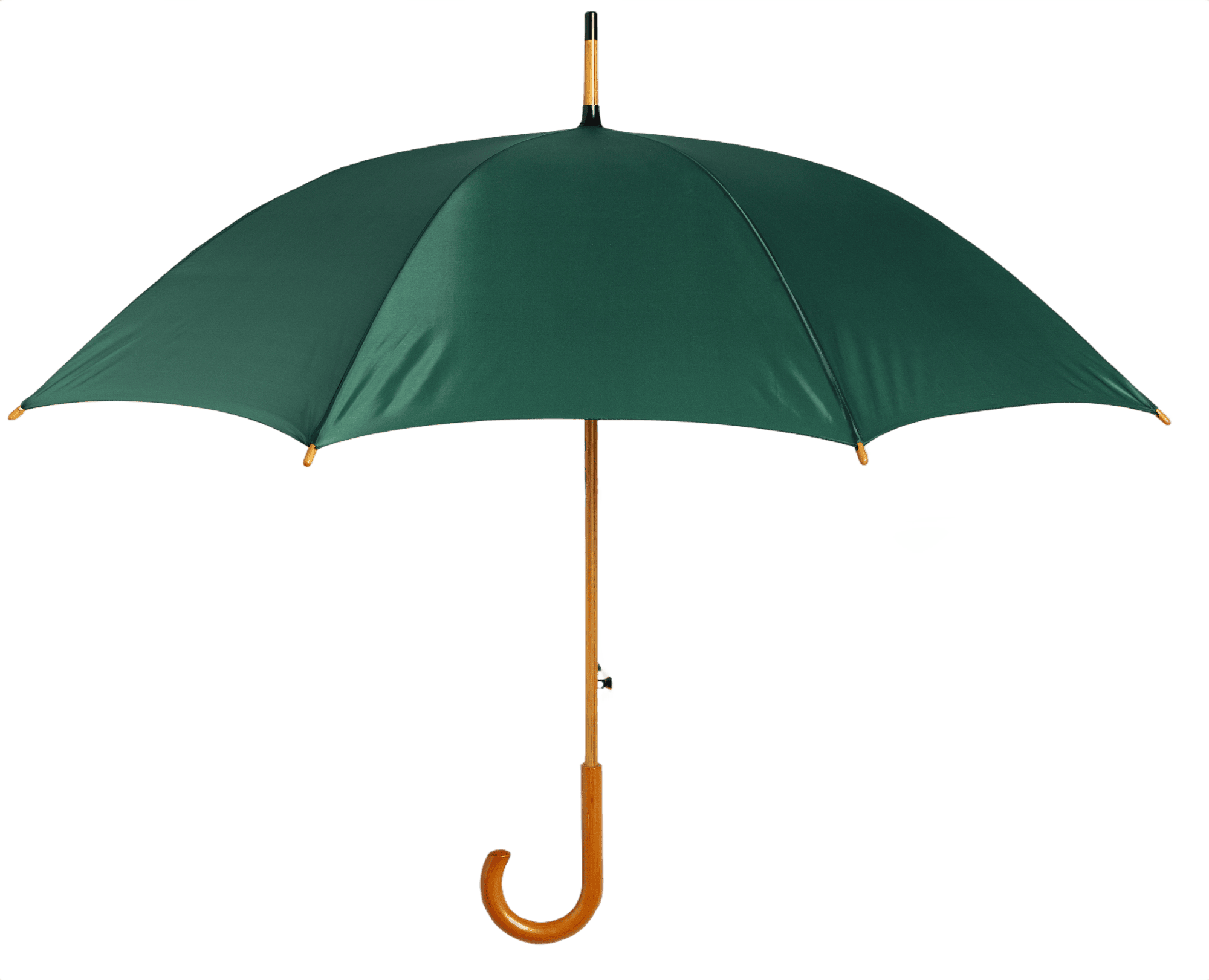
Cumuli 23 Inch Umbrella
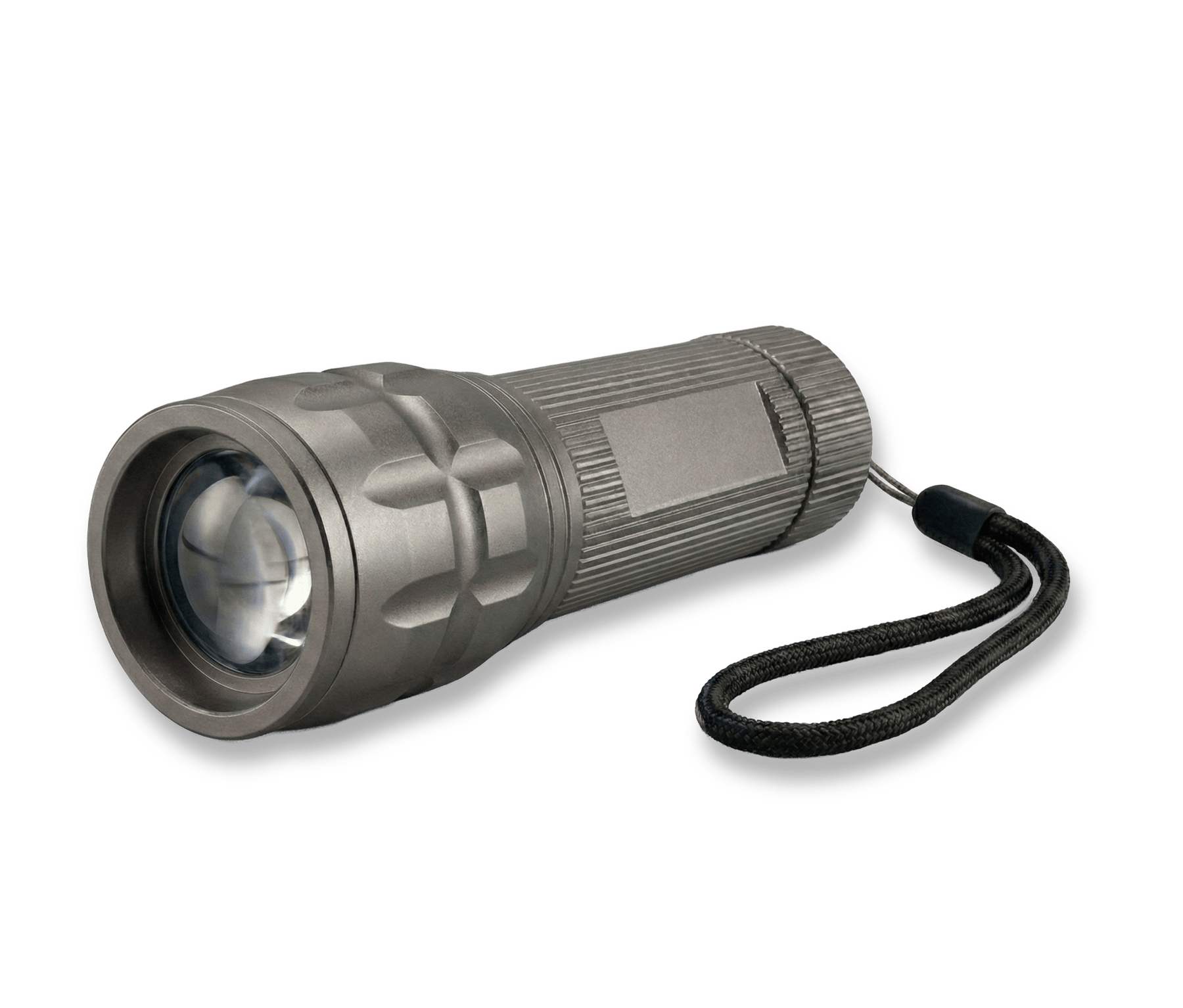
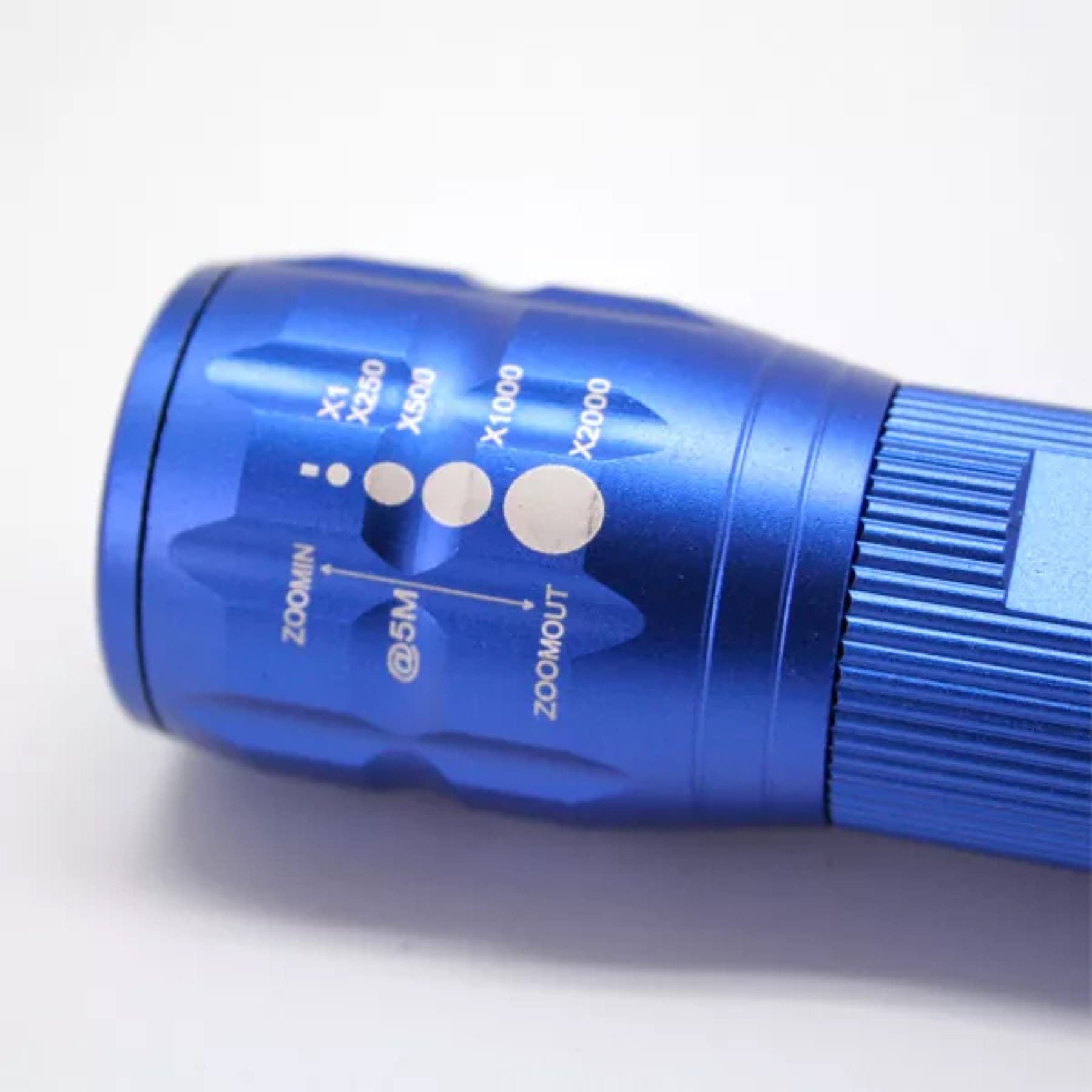
Blaze Mini Turbo Blaze