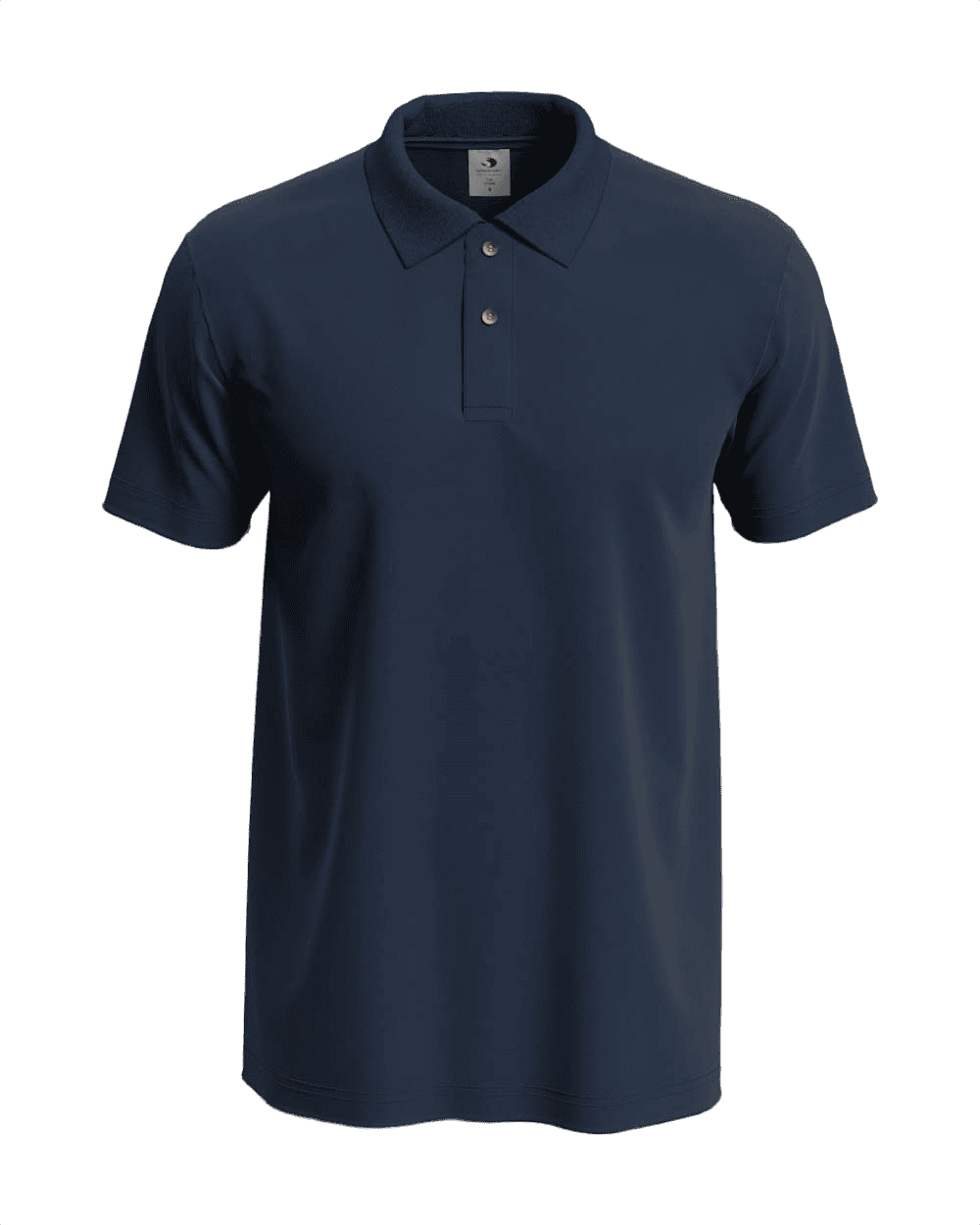
Screen transfer: Detailed designs applied with heat and pressure

Bring your brand to life
Explore over 1,000 customisable products designed to showcase your brand and leave a good impression.
Ask how screen transfer works and most people guess the ink goes straight onto the shirt, the way it does with screen printing. It doesn't. The design goes onto a release paper first, sometimes weeks before the shirt or bag it's meant for has even arrived in the warehouse. The product gets printed later, with a heat press, not a screen.
Two stages, not one
Screen transfer splits the job in two. Print the design onto transfer paper now. Apply it to the product later, whenever the order is ready to move. Everything below is what each half of that split actually costs and earns.
Printing the transfer
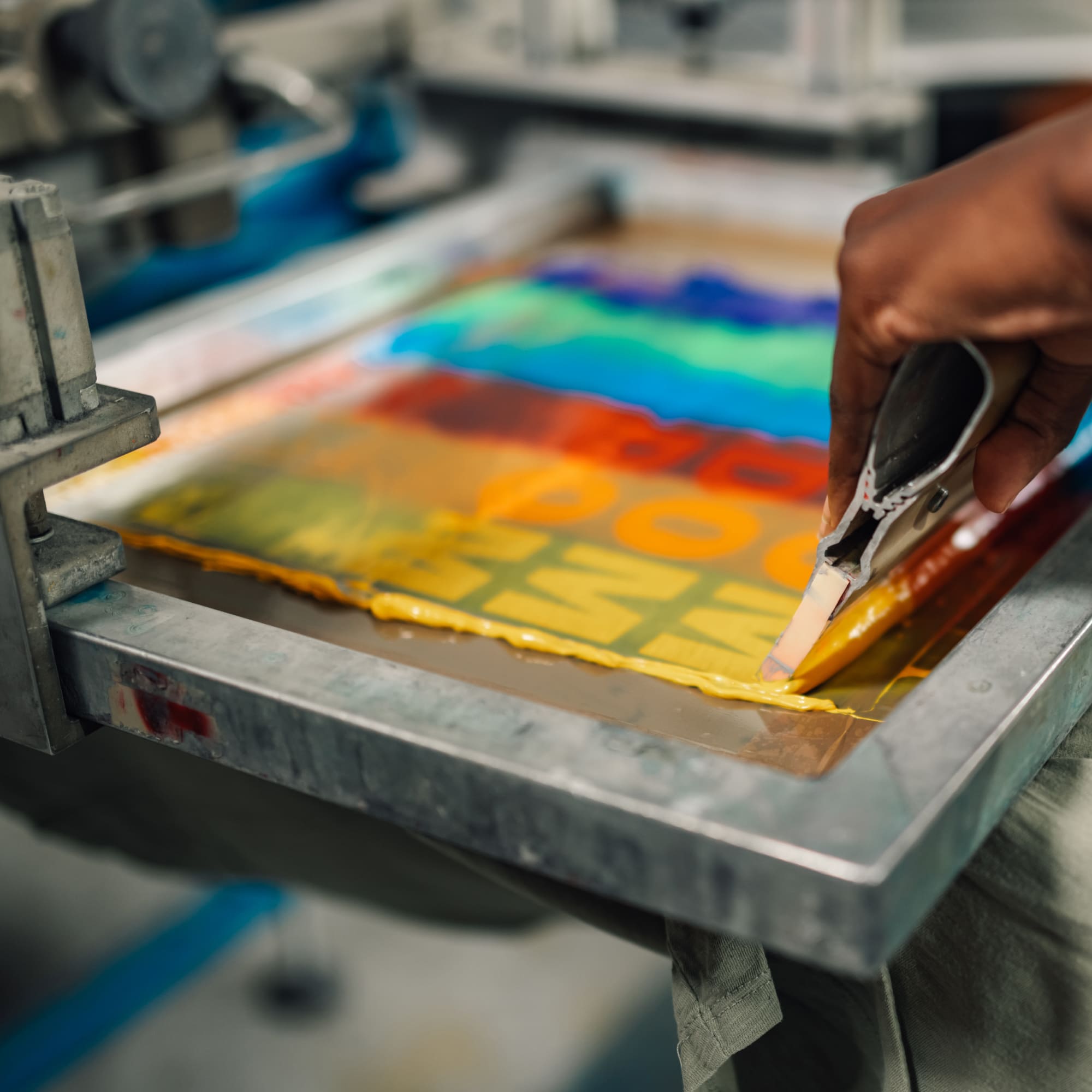
We screen print the design onto release paper the same way we'd print it onto fabric: one screen per colour, plastisol ink pushed through mesh. The finished transfer dries and goes into storage until it's needed, sitting on a shelf instead of on a garment. A six-colour design still needs six screens at this stage. Moving the print off the fabric doesn't move the cost of the colours.
Applying it with heat
The transfer goes face down on the product, and a heat press brings it to the right temperature and pressure. The ink releases from the paper and bonds to the fabric, the paper peels away, and the design is left clean on the surface. Cold peel and hot peel behave differently, and picking the wrong one for a given ink or fabric is how a clean design turns patchy. Get the temperature or the timing wrong and the ink doesn't bond properly, or bonds unevenly, and that's not something anyone notices until the paper is already off.
Why the split matters
The design gets printed once. It gets applied as many times as the order needs it applied. Transfers for a client's autumn campaign get run in one batch and applied to hoodies as sizes come in, applied to tote bags the week after, applied to caps the week after that, with no new screens for any of it. Order fulfilment stops waiting on the screen printer and starts waiting on the heat press, which needs less lead time. None of that changes what's on the shelf: the two-stage process adds a step direct screen printing doesn't have, and that step costs time and setup before a single garment is touched.
When it's the right call
Screen transfer earns its keep when the same design has to land on different products at different times, or when garments for an order aren't all in hand yet. It's the wrong call when a design only needs printing once, right now, on one product: the paper stage adds a step a direct print skips, and on a single run it rarely pays for itself. The feel on fabric is close to a direct screen print, not identical, and on some materials the difference is there under a hand or a wash.
Paper, ink, heat, timing. That's the corner of the business screen transfer lives in. And the question underneath it: whether a design gets printed at the moment that's easiest for us, or at the moment it actually needs to be on the product.
About the author
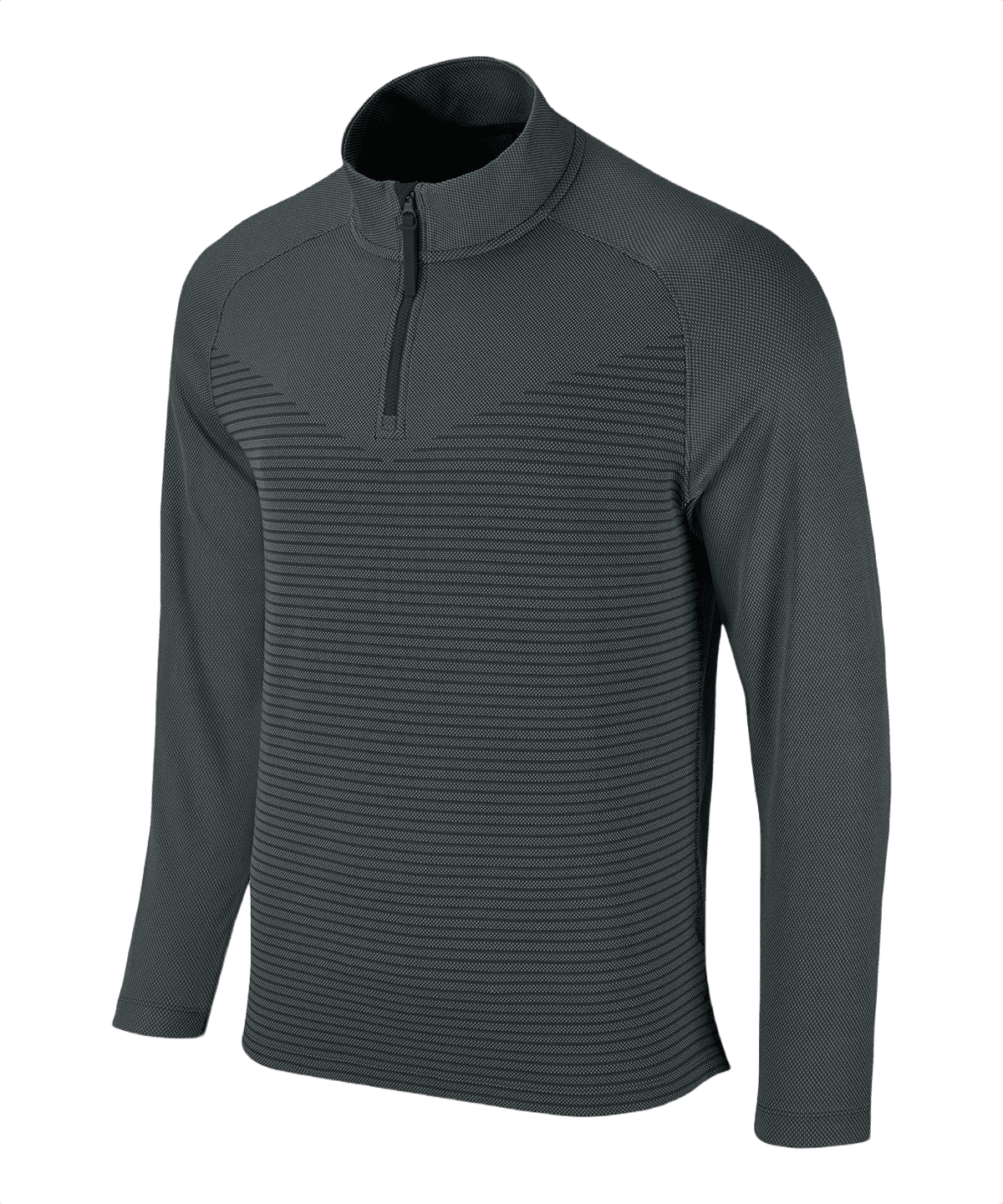
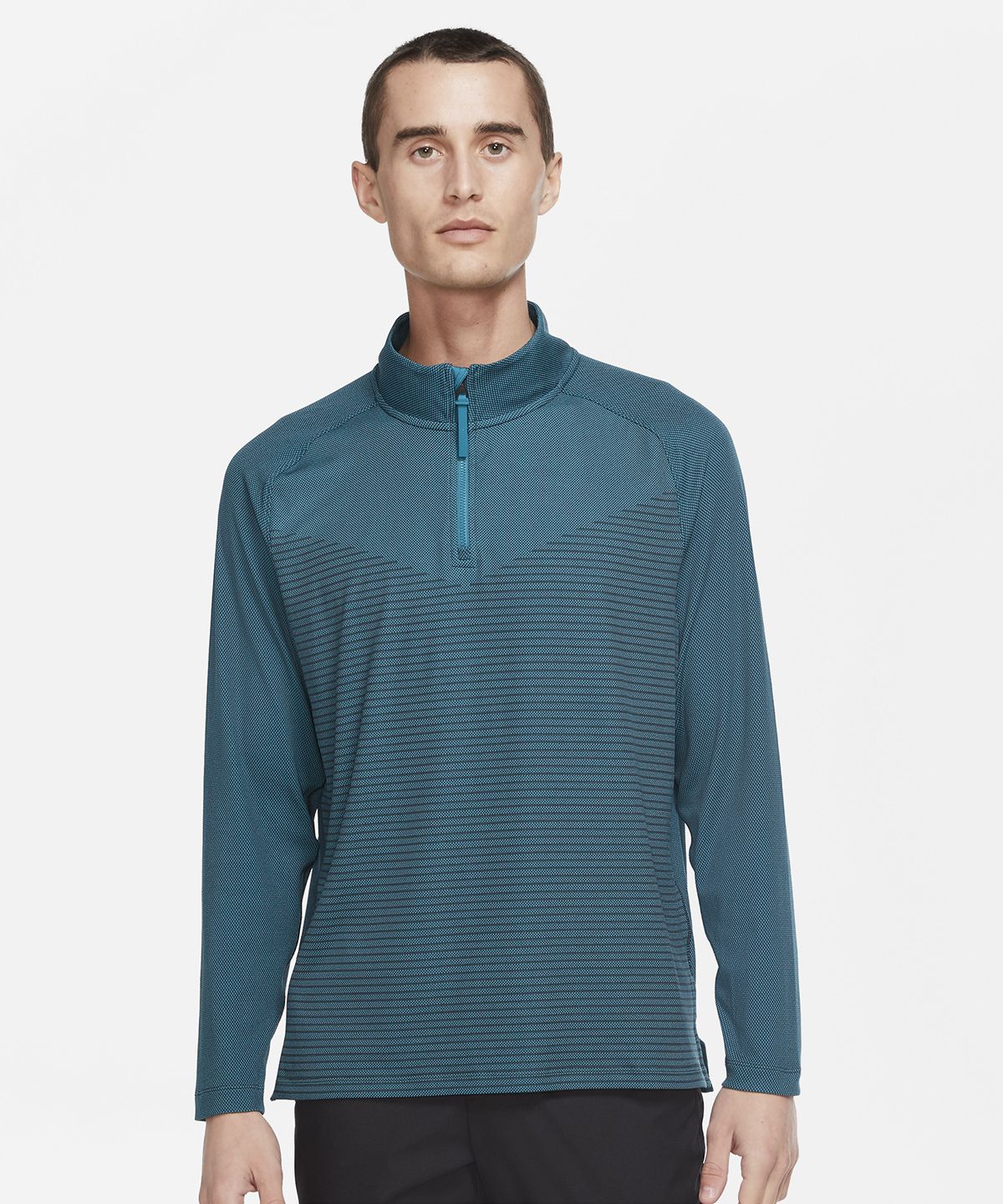
Nike Vapor Half-Zip Top
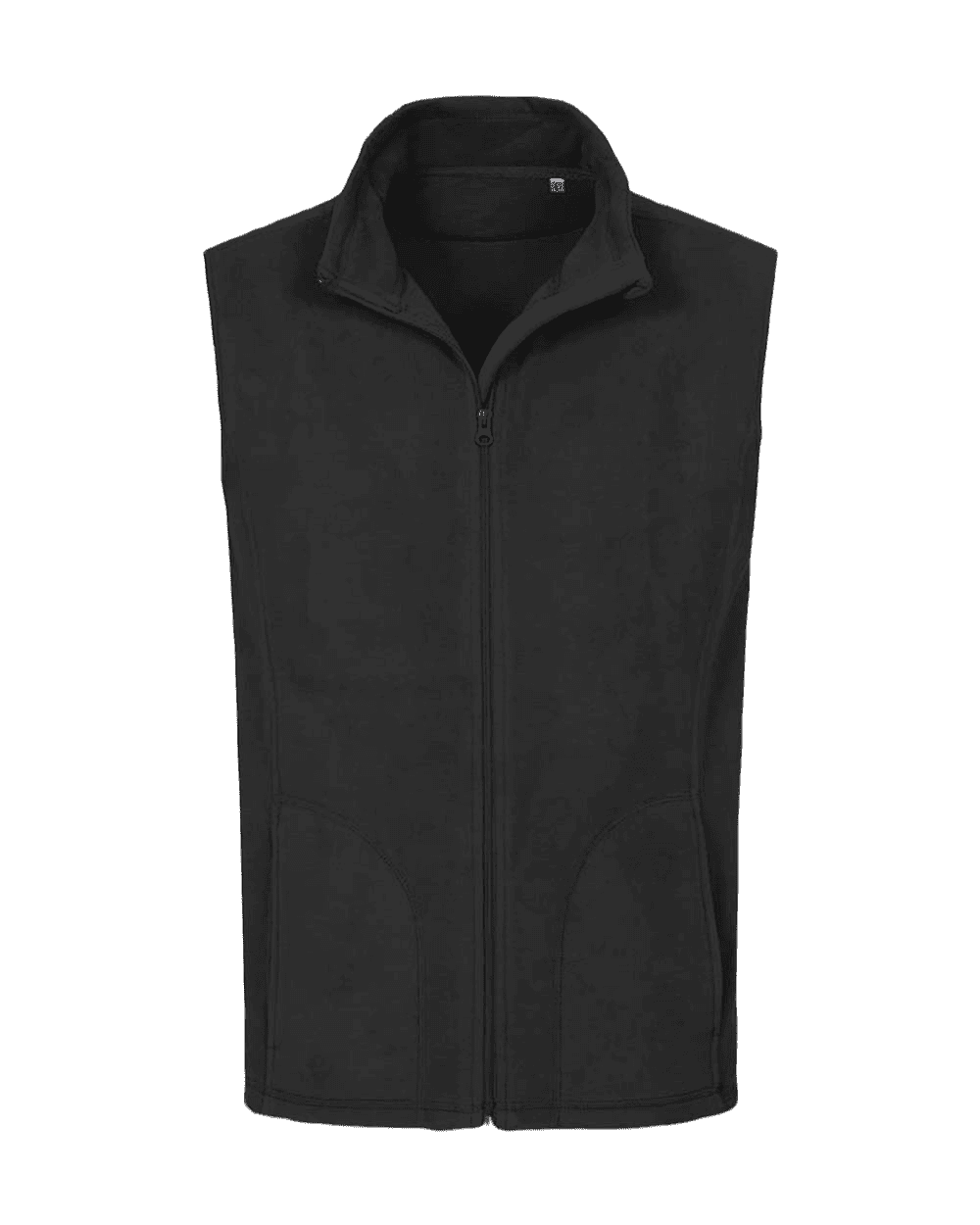

Stedman Classic Fleece Vest Men
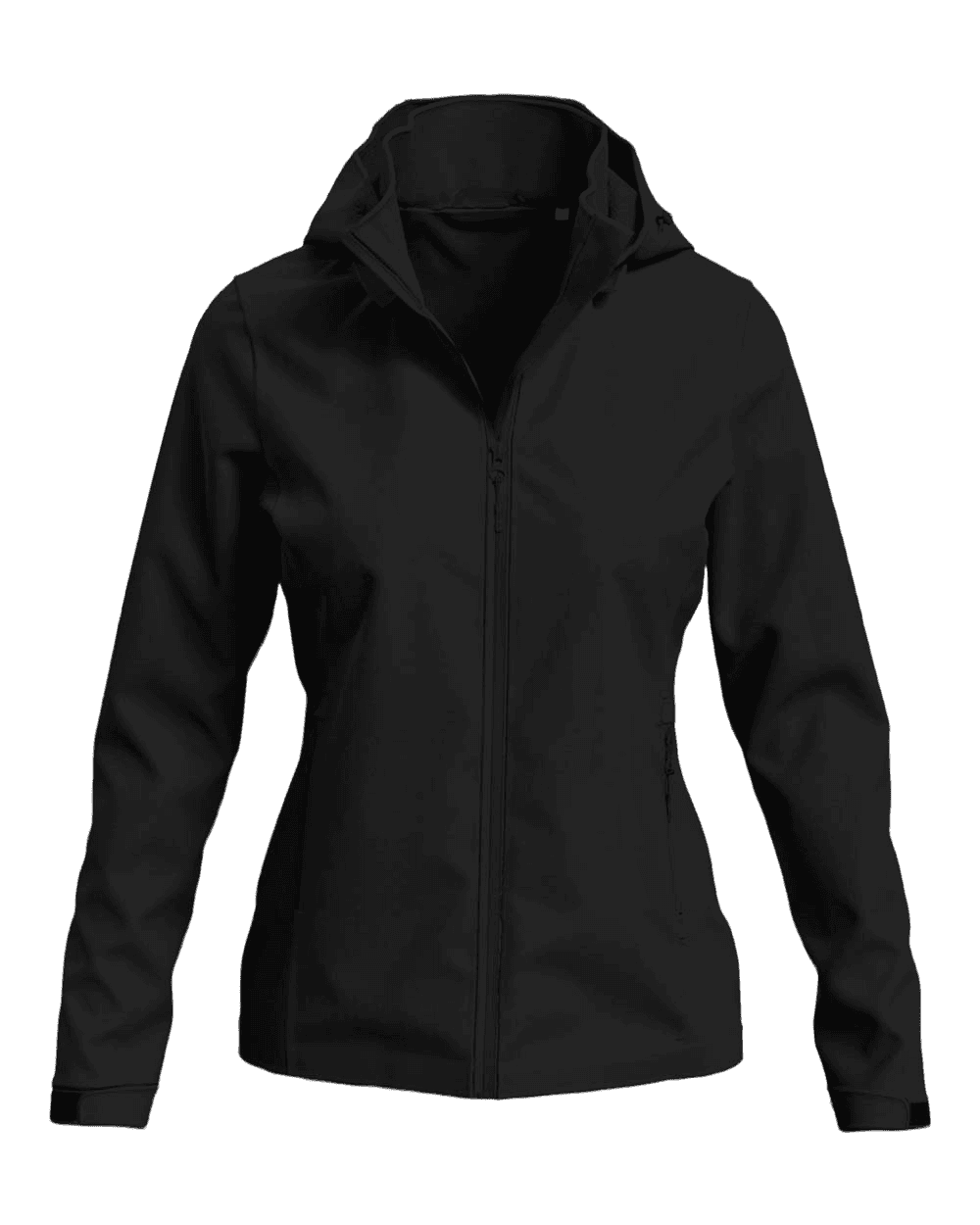

Stedman Lux Softshell Jacket Women