Straw came back because plastic got banned, not because it got better

Bring your brand to life
Explore over 1,000 customisable products designed to showcase your brand and leave a good impression.
A comeback, not an invention
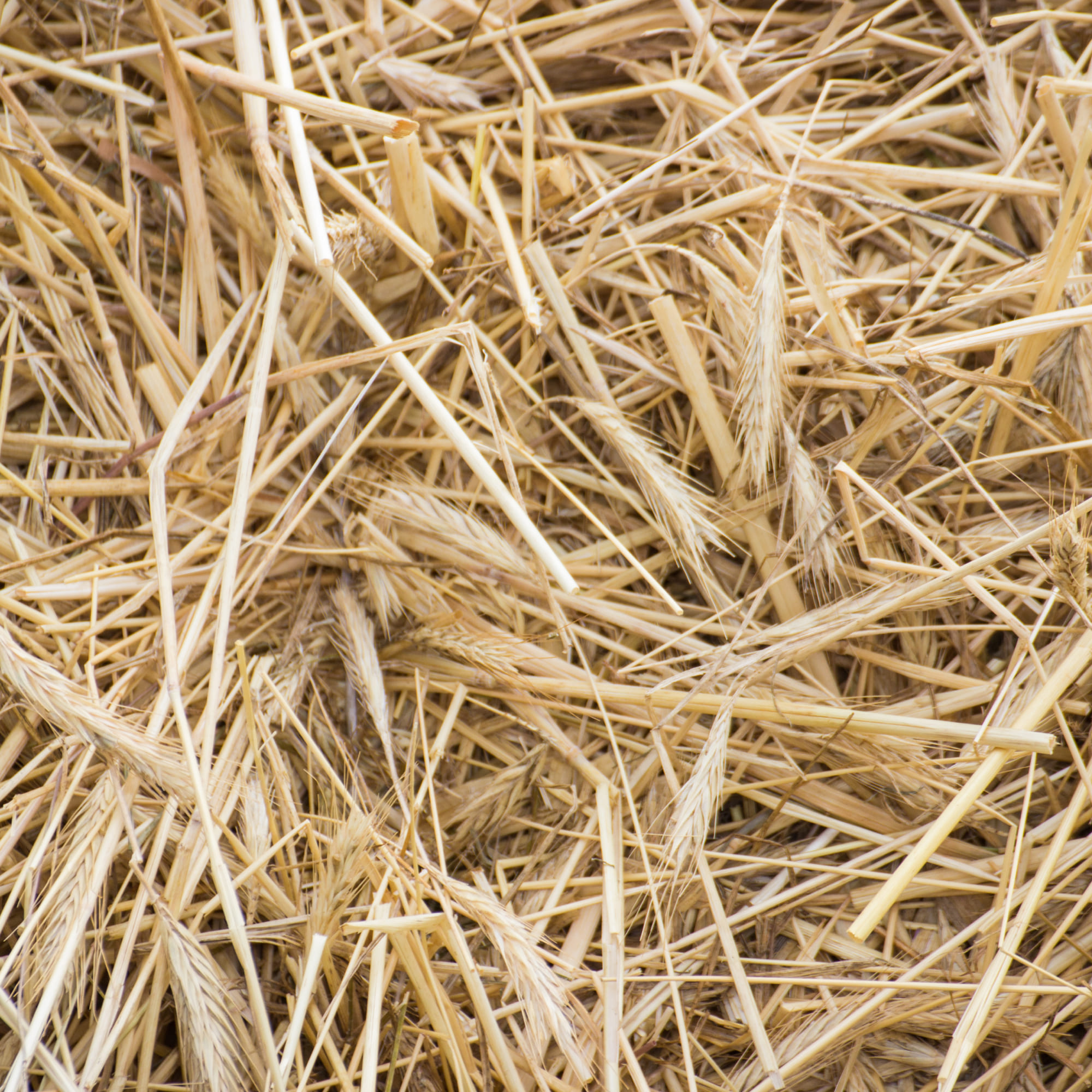
Most people assume straw is a new idea. A clever alternative someone invented when plastic straws became a problem. It isn't new. It's old enough that plastic is the newcomer. For most of human history, straw was a standard material: woven into hats, baskets, mats, and containers across nearly every agricultural culture. Industrialization made it redundant as a manufactured material and pushed it back into farms and craft workshops. It returned to merchandise through one narrow door: the single-use plastics debate, and the search for something that does not sit in a landfill for centuries. That is a comeback, not an invention. And it is a more limited return than the material's history would suggest.
What straw actually is
Straw is the dried stalk left after a cereal crop is harvested: wheat, rye, rice. It is a byproduct, not a crop grown for its own sake, which is why it starts from a genuinely low-impact position. Wheat and rye stalks happen to be hollow and tubular, which is the only reason they work as a drinking straw without turning them into something else first. Paper straws, bamboo straws, and reed straws share the shape and the job but not the material. Calling all of them "straw" is convenient. It is not accurate.
Where it shows up in merchandise
Drinking straws are the obvious case, the product category that turned the plastics debate into an actual purchasing decision. Paper, natural wheat, bamboo, and reusable steel or glass straws all sit in this space, and each one trades off differently on durability, cost, and what happens to it after use. Outside the drinking straw, woven straw turns up in hats, bags, and seasonal accessories, where the appeal is the texture and the look of it rather than any function the material performs.
What it's like to actually use
This is the part that gets left out of the pitch. Paper straws soften the longer they sit in a drink, which matters for anything consumed slowly. Natural wheat straws hold their shape better but have a shorter shelf life and are not available at real commercial volume. Bamboo and stainless steel solve the single-use problem outright, at the cost of needing to be washed and a higher price per unit. None of these is a straight swap for plastic. Each one asks the user to accept a trade-off plastic never asked for.
The environmental claim, read closely
The plastics debate made every straw alternative look virtuous by association. It is not that simple. Paper straws need virgin or recycled fibre, water, and energy to make, and food contamination often keeps them out of the recycling stream anyway. Natural straw has a genuinely low footprint but cannot scale to the volumes a large campaign needs. Reusable straws cost more to produce up front and only pay that back environmentally if someone actually keeps using them. The honest position is not "straw is better than plastic." It is naming which format is being used, and why, instead of borrowing the goodwill of the category as a whole.
Our corner of it
Material, function, shelf life, the honest version of the environmental story. That is our corner of it. And the question underneath: not whether an alternative to plastic exists, but which trade-off a brand is actually willing to live with.
About the author

Heritage Baker Boy Cap
NeoStrap
Stedman Megan V-neck Women