Tarpaulin: what it's built for, and where it belongs in merchandise

Bring your brand to life
Explore over 1,000 customisable products designed to showcase your brand and leave a good impression.
Built for exposure
Most people who ask us about tarpaulin assume the hard part is the print. It is not. The hard part is that everything which makes tarpaulin tough also makes it heavy, rigid, and difficult to dispose of. Get the material right for the use case and it holds for years. Get it wrong and you have shipped a durable object nobody wanted to carry.
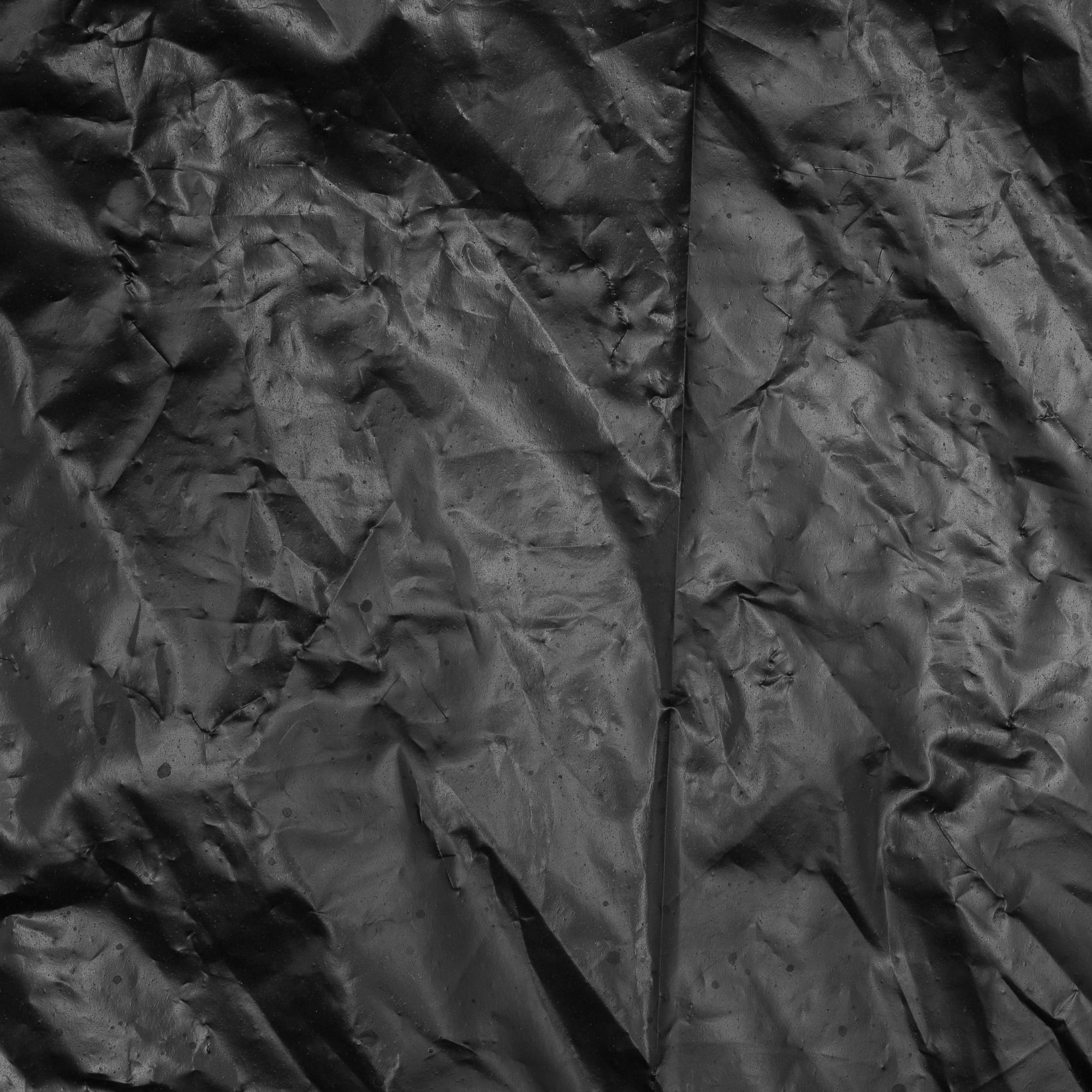
Tarpaulin is a heavy-duty coated fabric built for conditions where most materials fail. The base is a woven polyester or polyethylene grid, laminated or coated on both sides with PVC or polyethylene. The result is waterproof, tear-resistant, and made to sit outside for a long time. It is not a refined material. It was never meant to be.
How the construction holds together
The woven core carries the tensile strength: it stops the material stretching or distorting under load. The coating seals the weave against moisture and abrasion, and the bond between the two layers decides how long the whole thing lasts. Welded seams, not stitched ones, are standard in tarpaulin worth specifying. Stitching punctures the surface, and a punctured surface is a waterproofing problem waiting to happen. Reinforced edges and heat-welded joins are the details we check before we sign off on a supplier.
Where it earns its place in merchandise
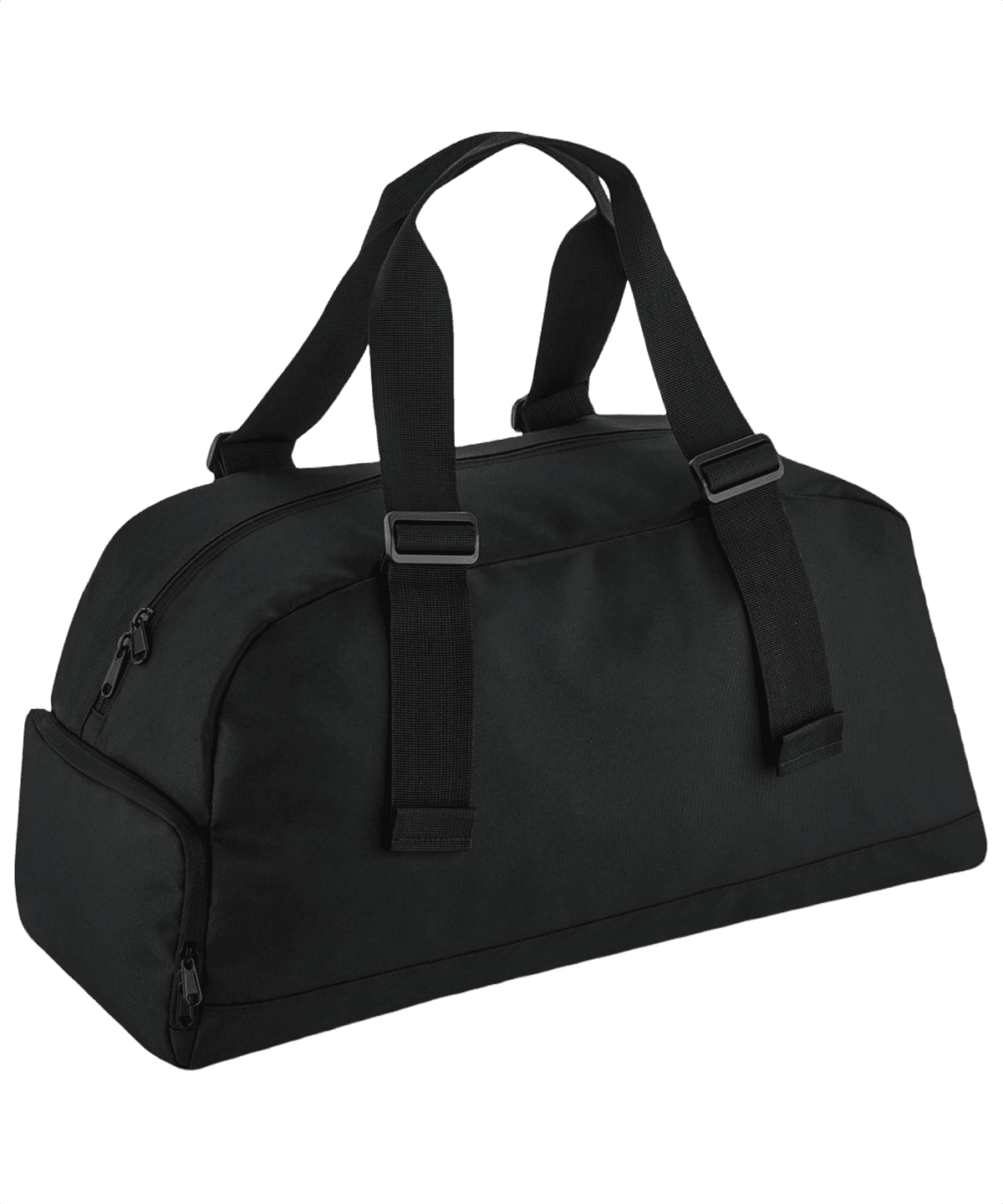
Heavy-duty bags, tool rolls, utility totes, outdoor event accessories, protective covers: these are the applications where tarpaulin makes sense. It suits construction, agriculture, events, and outdoor industries, where the audience already understands what the material is for. A tarpaulin tote says something a softer canvas bag cannot: this was built to survive the site, not the office. For merchandise meant to outlast the event it was made for, that is a legitimate claim.
It is not a claim every brand can make. A hospitality client asking for tarpaulin totes is asking for a material that will fight the rest of their branding. We say so.
What decoration it actually accepts
Screen printing works on the smooth face of tarpaulin, and heat transfer can be applied to PVC-coated versions with the right equipment. Embroidery generally does not work: the coated surface and the need to keep stitching watertight rule it out. Large-format branding through printed panels welded into the construction is the other route, used mainly in bags and covers where the mark needs to be visible from a distance. The weight and rigidity of the material set the real limit here. Tarpaulin belongs on structured, heavy-use products. It does not belong on anything meant to be carried lightly.
The environmental cost we don't hide
PVC-coated tarpaulin carries the same limitations as PVC generally: difficult to recycle, not biodegradable, dependent on chlorine-based production. Polyethylene versions are somewhat cleaner to produce but share the same problem at end of life. Recycled tarpaulin programs exist in some markets, mostly collecting used material from agriculture and construction for reprocessing. For a brand where sustainability sits at the centre of the message, tarpaulin is hard to position cleanly. The durability argument is real. The disposal problem is not solved.
Our corner of it
Weave, coating, weld, disposal. That is our corner of the business. And the question underneath it: whether a product built to survive the worst conditions is honest about what happens to it once it does not need to anymore.
About the author
Reflective Backpack

Umbrella with Custom Design
Scirocco Lightweight Shell