Acrylic: what it is good for, and what it isn't

Bring your brand to life
Explore over 1,000 customisable products designed to showcase your brand and leave a good impression.
Not glass, and that was the point
Most people assume acrylic got popular because it looks like glass for less money. That is not why manufacturers switched to it in the early 20th century. Glass breaks, and in an aircraft window or a factory floor that is a real problem. Acrylic does not. It is lighter, easier to shape, and by the 1950s it had replaced glass in places where breakage was the actual risk, not just the cost.
The look-alike part came later. The reason it stuck came first.
From liquid resin to a cut edge
We start from the same place every acrylic supplier does: a liquid resin, cast into sheets or extruded and set with heat. What we do with it after that is the part that shows up in the finished product. Acrylic cuts, drills, bends, and laser-engraves with a precision that most materials in our catalogue cannot match. It holds a fine detail without chipping. That is why an engraved logo on acrylic looks sharp at a size where the same mark on wood or metal would blur.
Precision cutting is not free, and it is not fast. A rushed edge on acrylic looks like a rushed edge. There is no texture to hide it.
Where we actually use it
Awards, desk accessories, keyrings, signage, anything meant to sit on a desk or a shelf rather than travel in a bag. Acrylic photographs well, which matters more than it should when the product's second life is a LinkedIn post or a company report. A laser-engraved award in acrylic catches light in a way a printed plaque does not.
We turn down more acrylic briefs than we take on. If the product is going in a tote bag or a drawer, the plastic scratches and looks worse for it within a month. We say so before the order, not after the complaint.
What we will not leave out of the quote
Acrylic scratches more easily than glass. It yellows under UV over time, which matters for anything displayed near a window or outdoors. It is petroleum-derived, and recycling pathways for it exist but are limited, which is worth knowing if the client's brand is built on a sustainability claim. None of this rules acrylic out. It rules out pretending the trade-offs are not there.
Cheaper per unit is not cheaper if the piece yellows in a shop window within a year and has to be replaced.
Our corner of the business
Cast resin, precision cutting, edge polish, laser detail, restraint on where we use it. That is our corner of the business. And the question underneath it: whether a branded object was specified for what it needs to do, or picked because it was already in the catalogue.
About the author
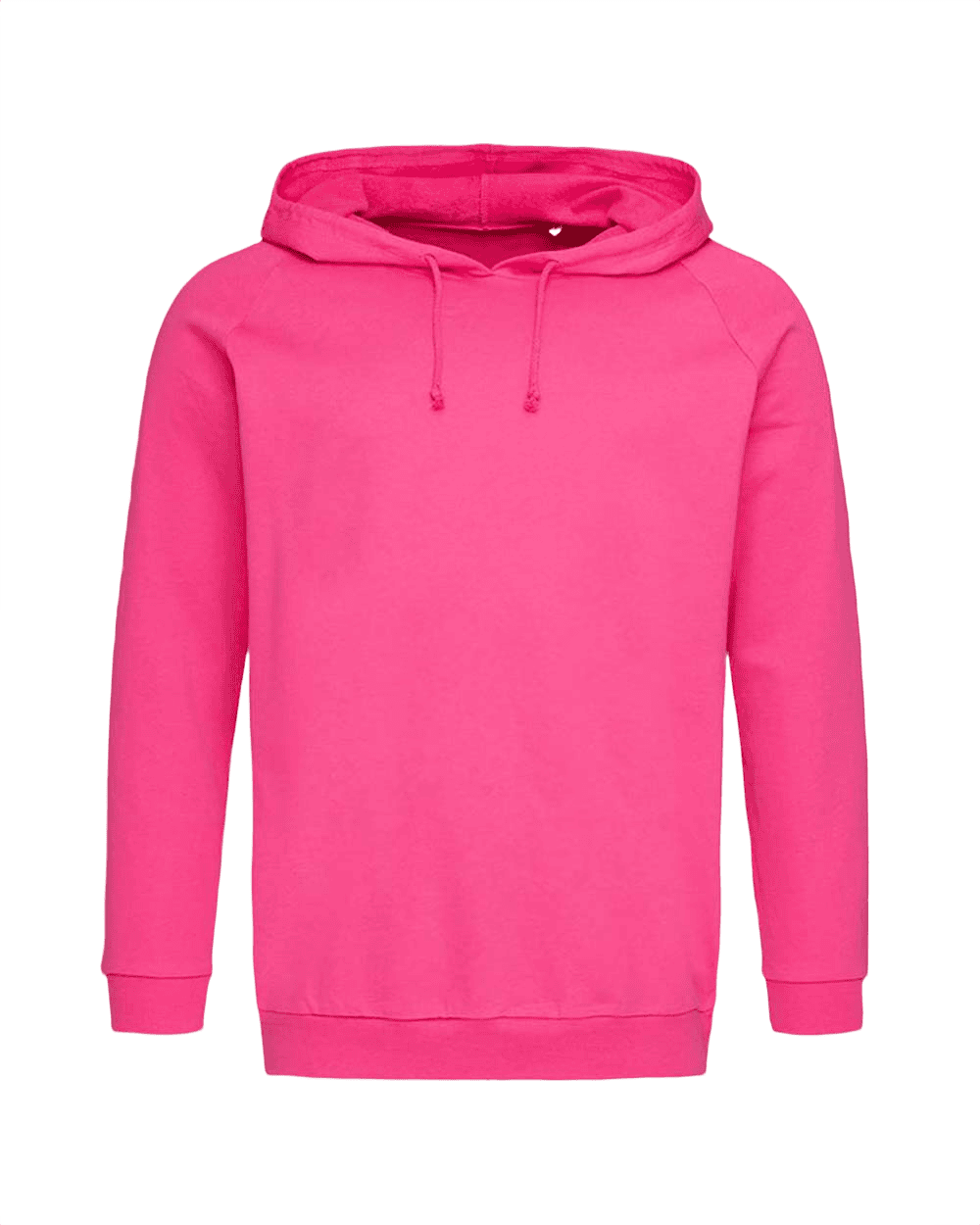

Stedman Light Sweat Hoodie Unisex

TriDri® Zip Hoodie Women
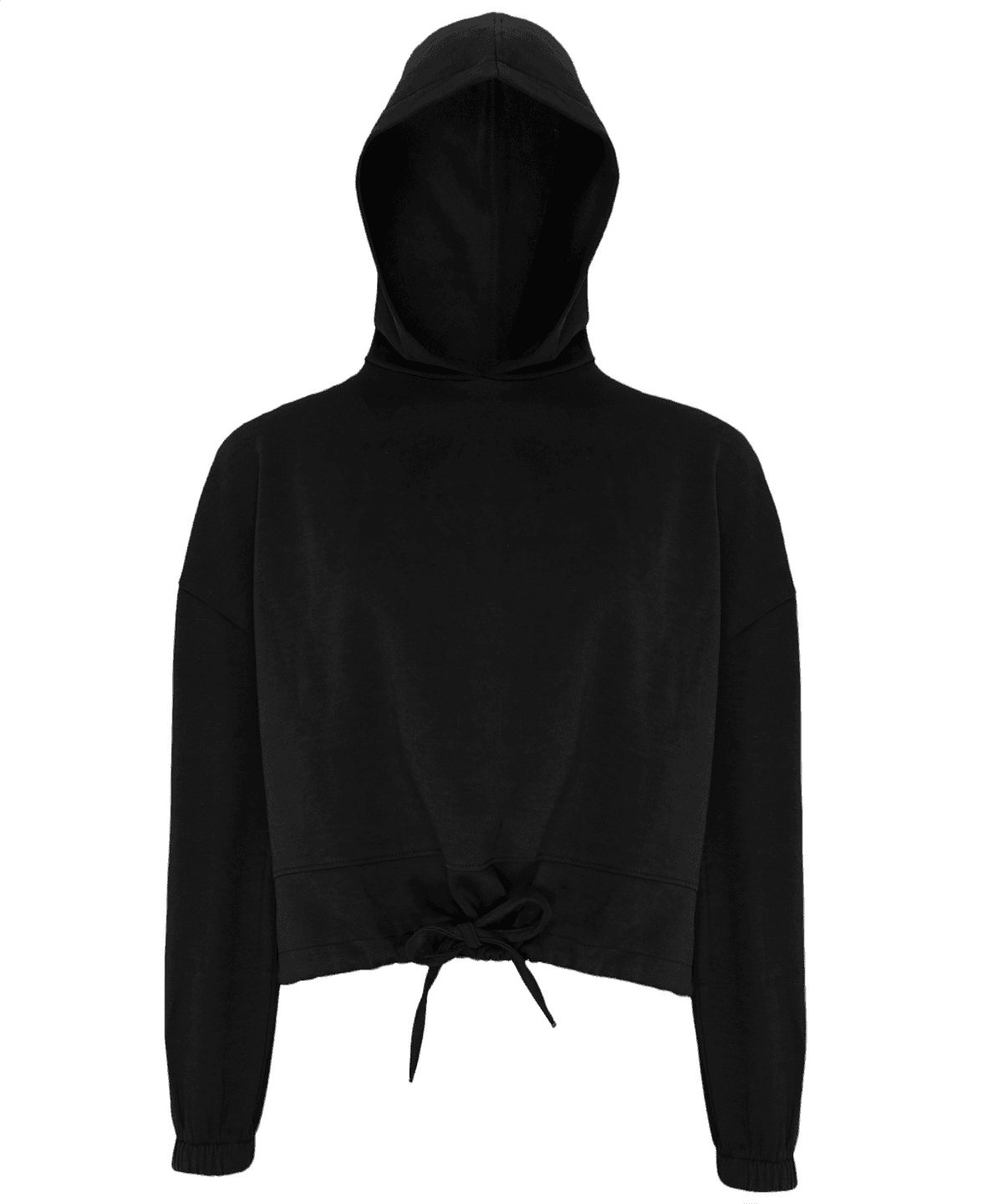

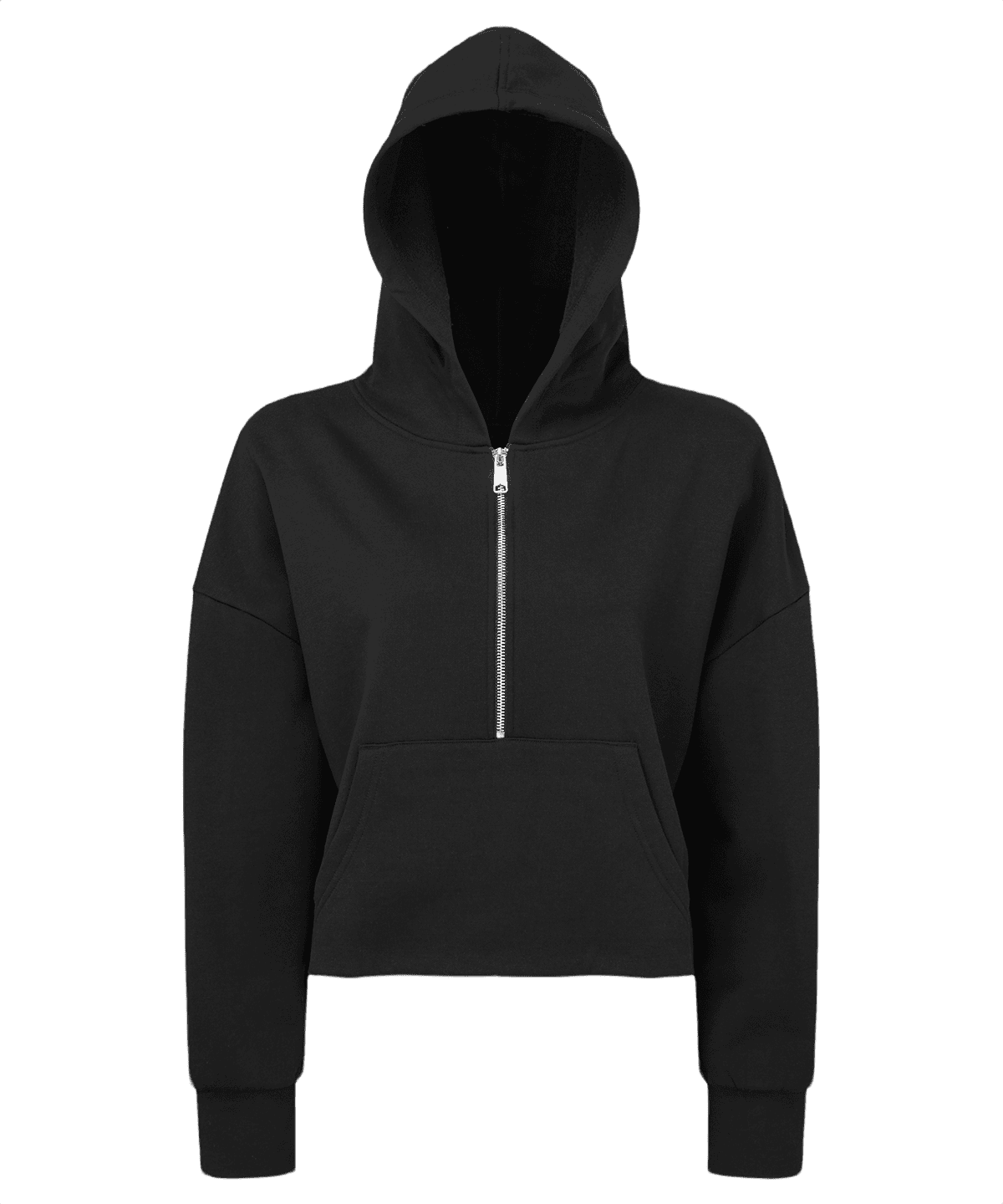
TriDri® Cropped Oversize Hoodie Women