Canvas doesn't need a sustainability label. It just needs to last

Bring your brand to life
Explore over 1,000 customisable products designed to showcase your brand and leave a good impression.
What people assume, and what actually reduces waste
Canvas doesn't get filed under sustainability. It gets filed under sturdy, the fabric you pick for a tote because it holds a shape and takes a print. What it's actually doing, quietly, is the same job a certification tries to do on paper: a canvas bag that's still in daily use a year later has already outperformed most of what a swing tag can claim. Durability isn't a side benefit here. It's the whole argument.
How the fabric is actually built
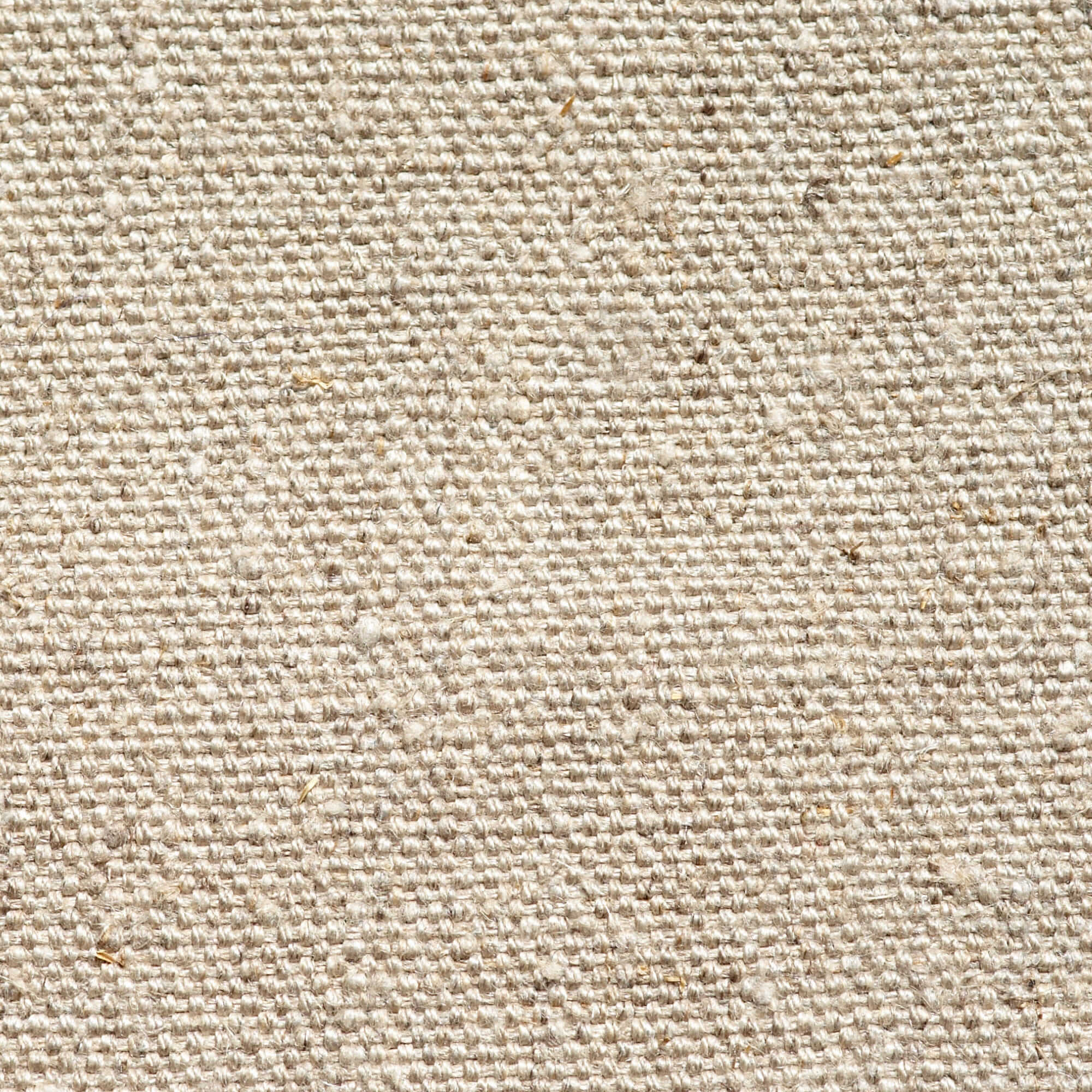
Canvas is woven with the same simple over-under structure as any plain-weave fabric, just with heavier yarn and a tighter thread count, which is what gives it the rigidity a lighter cotton never gets. Duck canvas takes that further for jobs that need extra strength. A wax or oil finish can be added on top for water resistance, which is what moves the fabric from tote bags into genuinely outdoor and utility use. None of that happens by accident. It happens because someone specified the weight and the finish instead of accepting whatever the mill called canvas that week.
Where it earns its place in merchandise
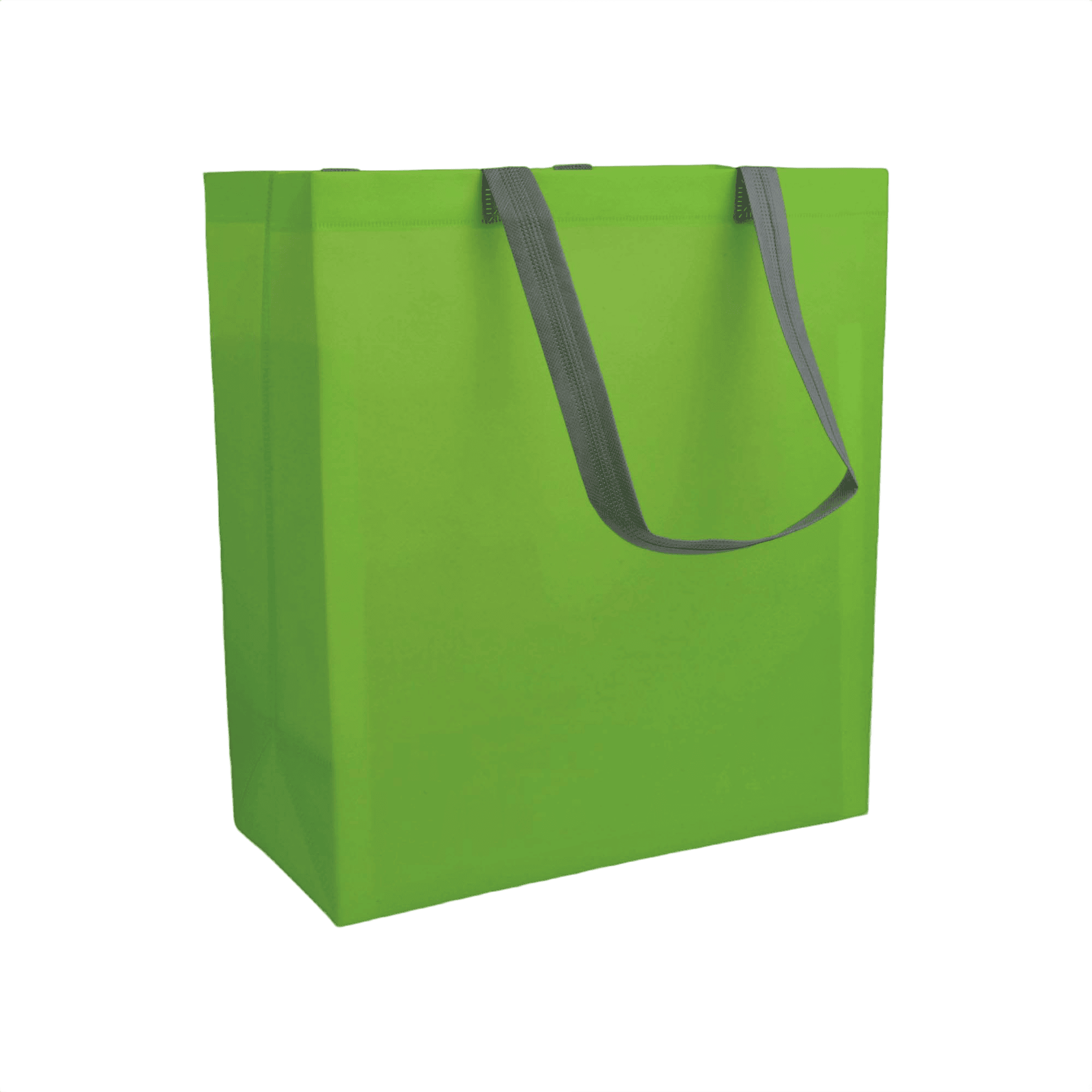
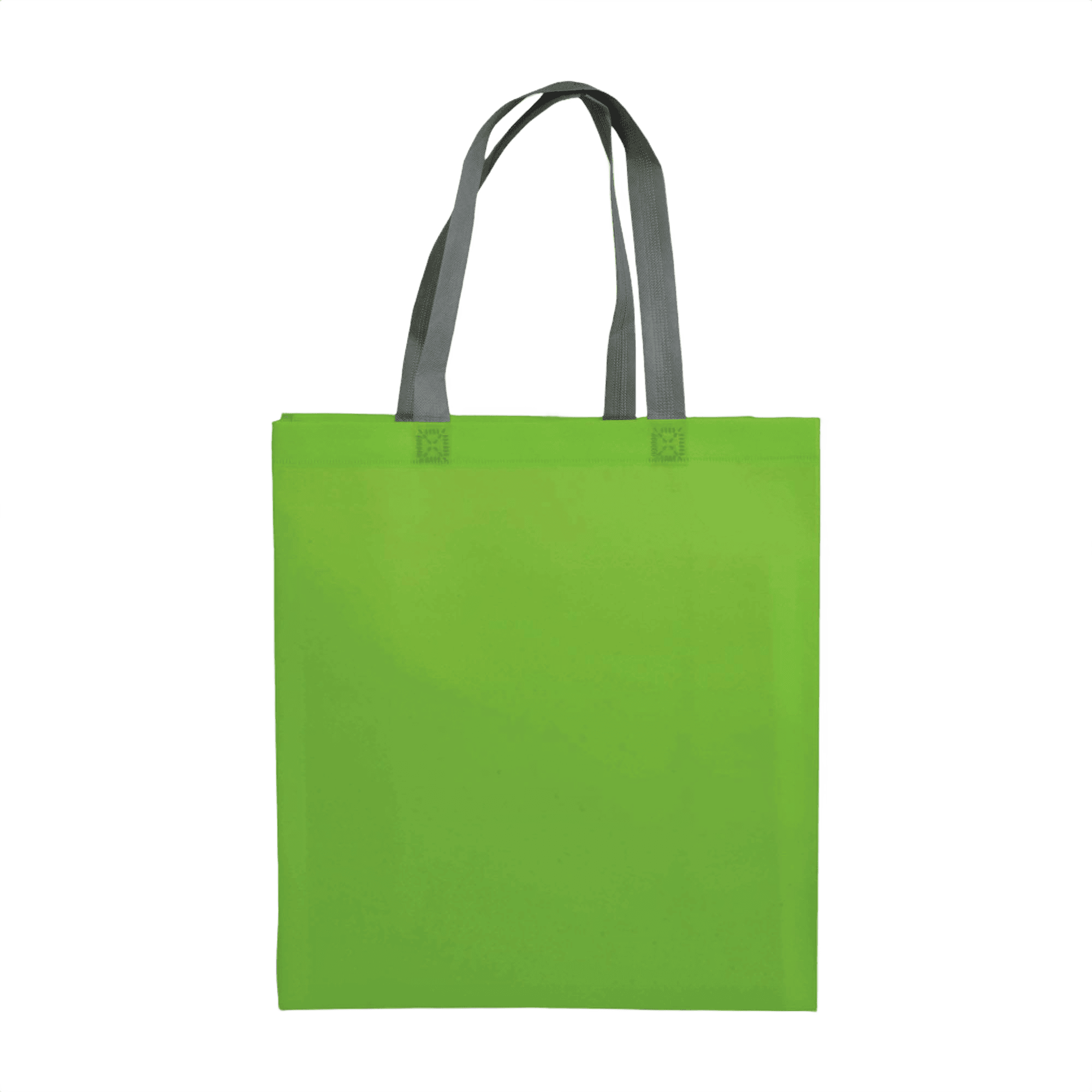
Tote bags are the obvious fit, and a good one gets better with use rather than worse: canvas holds structure, takes a clean print, and doesn't look tired after the first season the way a thinner fabric can. Pouches, zip cases, and some packaging formats work the same way. It's a material that says something about a brand without the brand having to say it out loud, which is exactly why it suits companies that think about what they put their name on rather than what's cheapest to print it on.
Why the weight number is the whole decision
Canvas is measured in ounces per square yard, and most orders never ask what that number should be. A 6oz canvas is closer to a heavy cotton than to what most people picture when they hear the word: soft, a little too willing to bend. A 12oz or 16oz canvas is a genuinely different object, with the structure and the presence the fabric is known for. Leave the weight unspecified and the supplier picks it for you, usually toward the lighter, cheaper end, and the tote that comes back doesn't behave the way anyone expected.
What durability actually buys, separate from the certificate
A well-made canvas tote doesn't need replacing often, and that longevity does real work on its own, independent of what's written about sourcing or farming methods. Organic cotton canvas adds to that by reducing the chemical footprint at the growing stage, and it's worth choosing when the budget allows. But even without it, canvas built at the right weight, in the right finish, produces less waste over time than a lighter fabric that needs replacing twice as often. That's not a marketing claim. It's arithmetic.
The corner of the business this is
Weave density, ounces per yard, wax finish, replacement cycle. That's our corner of the material side of the business. And the question underneath it: is the bag still in someone's hand next year, or in a drawer with the handle already coming apart.
About the author
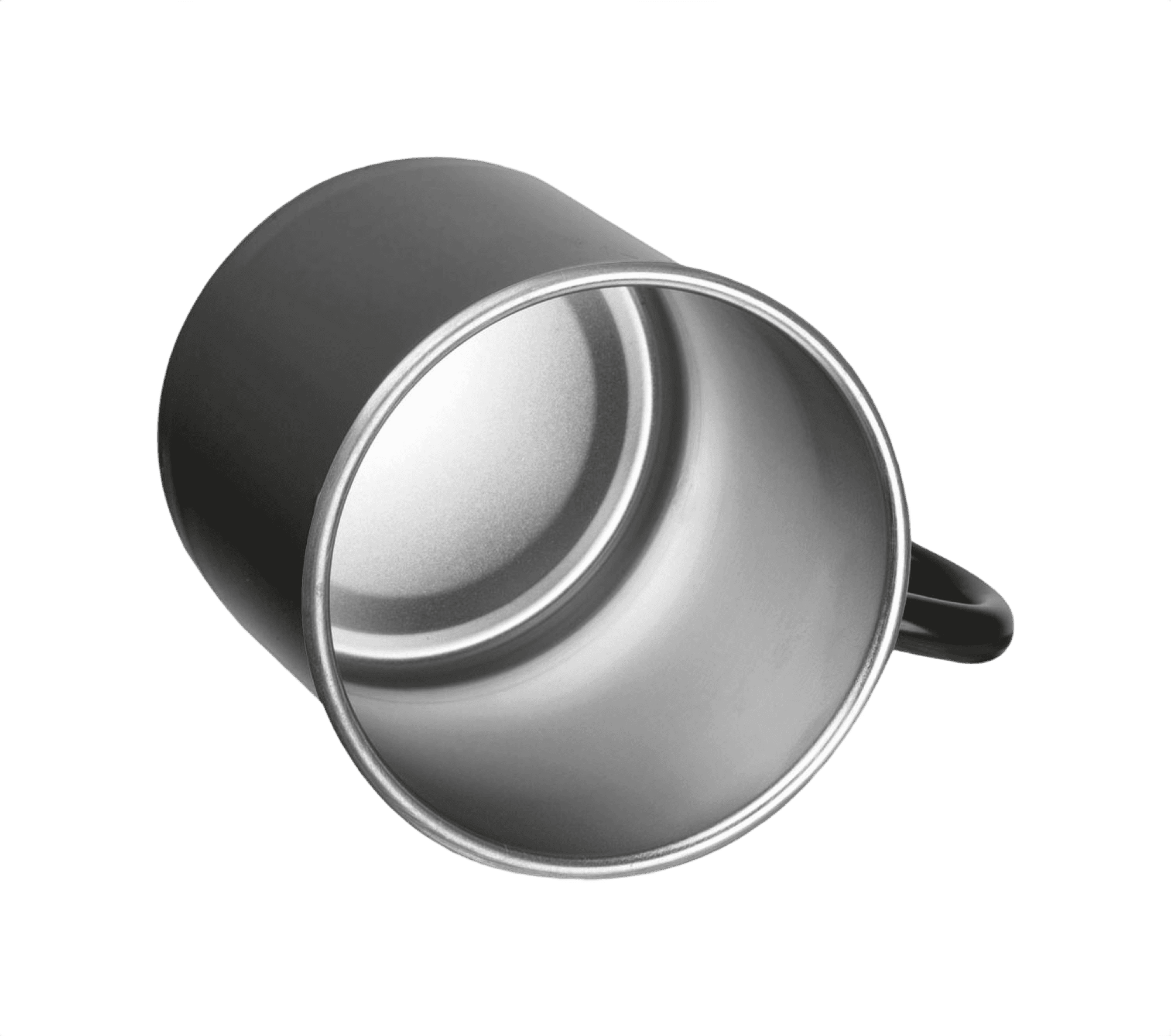
Steel Cup Trezzo
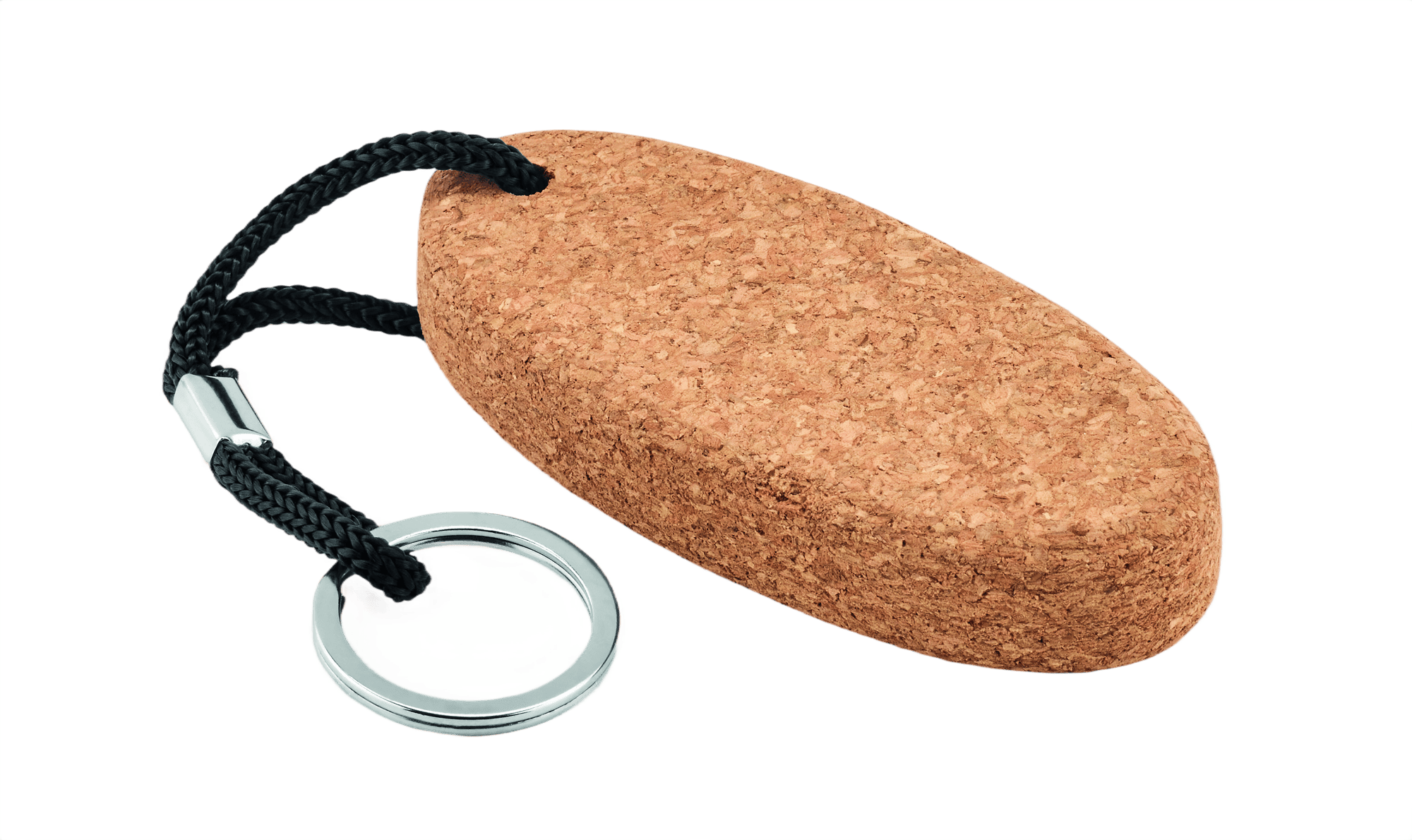
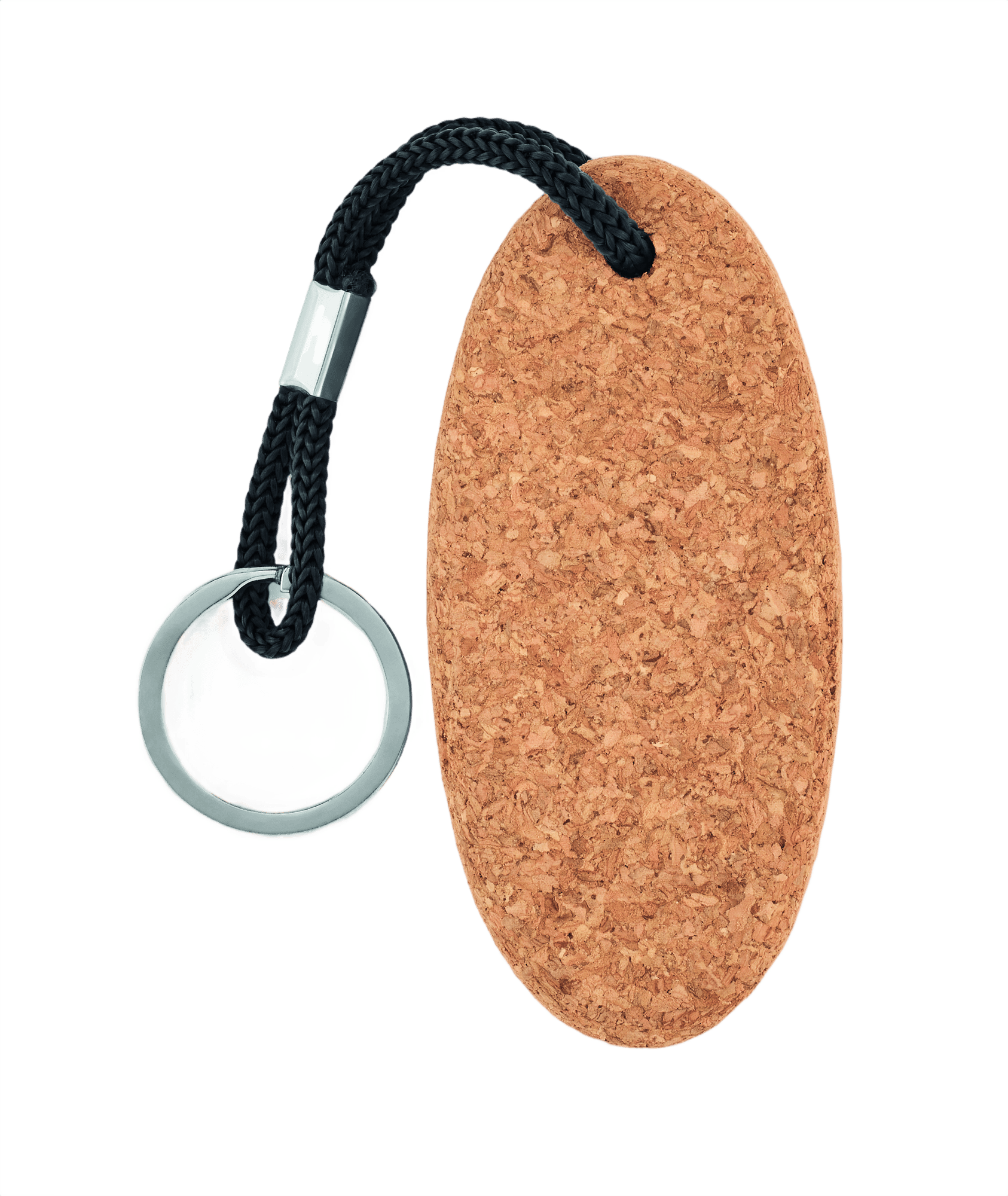
Boat Floating Cork Key Ring

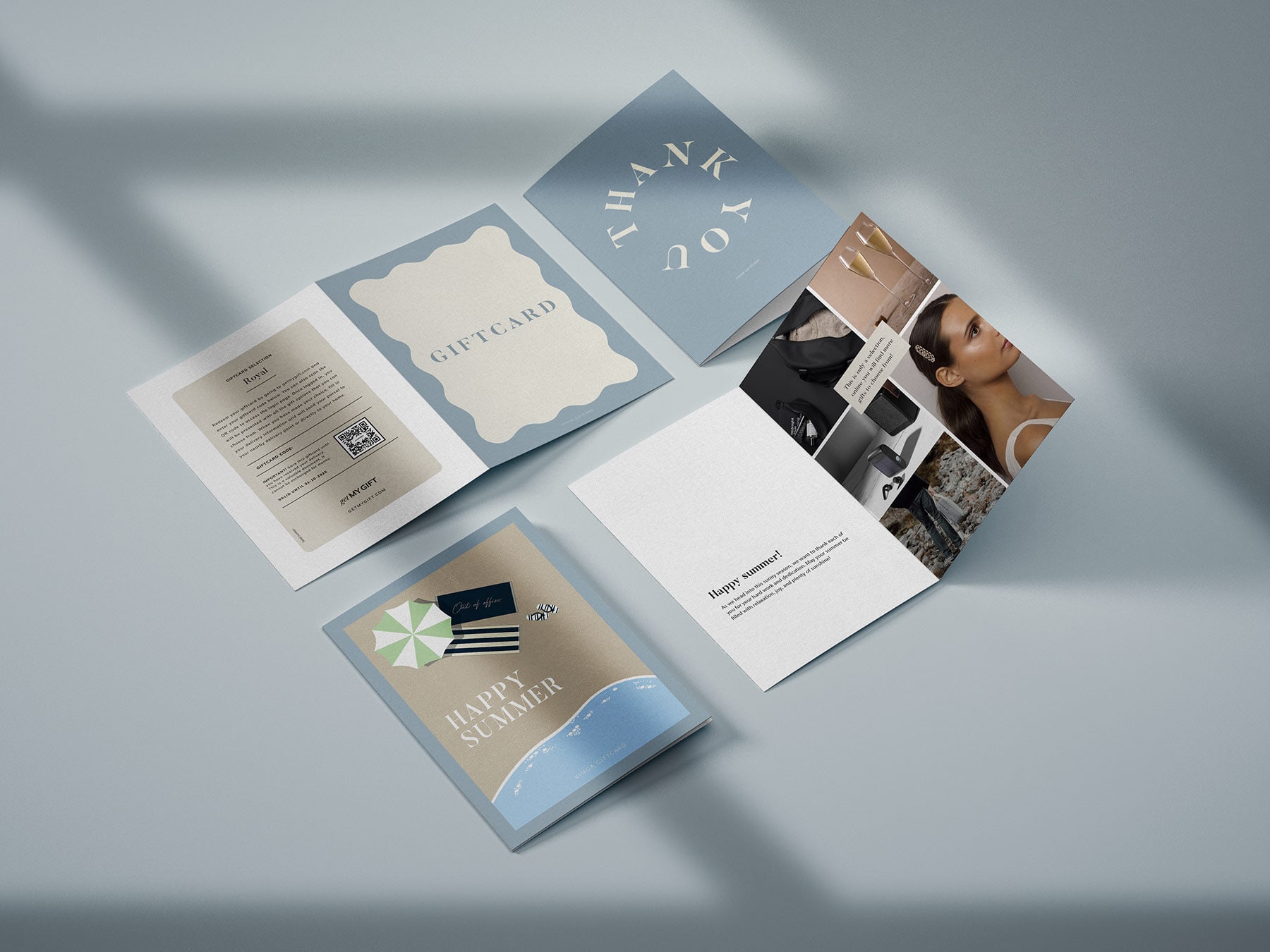
Classic Gift Card