Leatherette: the look without the animal

Bring your brand to life
Explore over 1,000 customisable products designed to showcase your brand and leave a good impression.
What most people get wrong about it
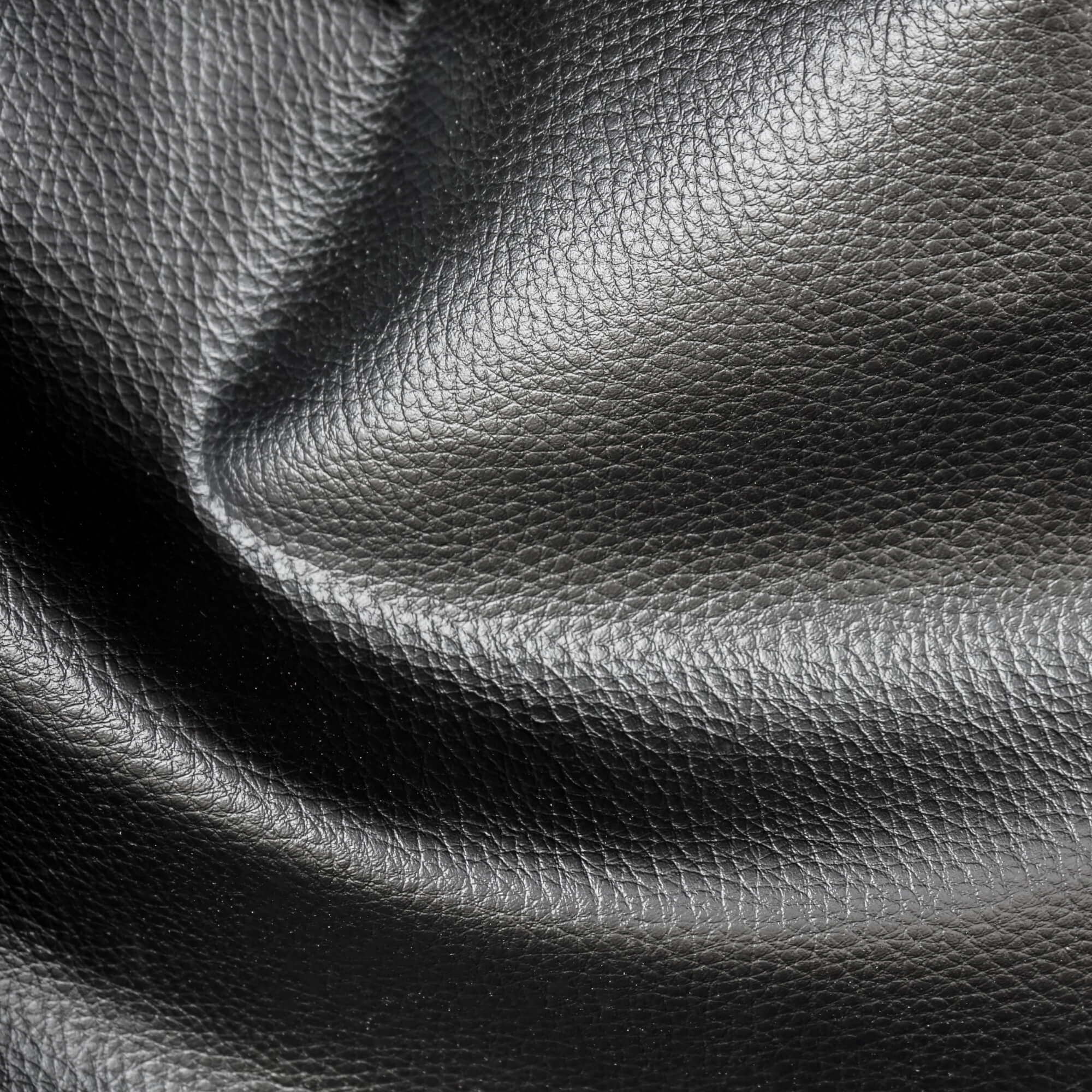
Most people assume the hard part of leatherette is making it look like leather. It isn't. A polyurethane coating applied to a polyester or cotton base can be embossed, textured, and finished until it passes for full-grain leather at a glance, and often at touch too. The hard part comes later: at the edges, at the fold, six months into daily handling, when the coating decides whether it holds or lets go.
What we're actually choosing
When a client asks for a leather-look notebook or cardholder, they think they're choosing a look. We're choosing a coating thickness, a base fabric, and a finish, and each of those three decides how the product ages. We don't take a supplier's spec sheet on faith. We ask for the layer count, check the embossing under a loupe, and run a fold test on the sample before it goes anywhere near a client's logo.
Most of what we test this way gets sent back. That's the part of sourcing nobody puts in a brochure.
How it's built
The base fabric gives the material its structure. The polyurethane layer on top gives it the surface: the grain, the texture, the sheen or the matte finish. Better versions use several thin coats built up in sequence and a finer embossing die. Cheaper versions use one thick coat and a coarser die, and on day one, in a photo, the two look almost identical.
Where it earns its place
Notebooks, portfolios, cardholders, desk accessories, and bag panels are where leatherette does its best work. These are products people photograph and hand over once, not products people carry for a decade. It also takes debossing and laser engraving cleanly, which is why it turns up so often in corporate gifting: a premium finish, a clean mark, without the ethical or budget weight of real hide.
What it's not for is the keepsake pitch. If a client wants something a person still owns in ten years, this isn't that material, and we say so before the order goes in, not after.
What changes after the first year
Genuine leather ages into a patina. Leatherette doesn't age, it fails: cracking, peeling, delaminating at the corners and folds where hands actually touch it. How long that takes depends entirely on the build. A well-made multi-layer coating on a solid base can hold up for years of regular use. A thin single-coat version starts showing at the spine within months. Some of it holds. Some of it just looks like it will, right up until it doesn't.
The sustainability question
Leatherette skips the animal. It doesn't skip the barrel it came from. Polyurethane is petroleum-derived and doesn't biodegrade, so choosing it over hide swaps one set of concerns for another rather than removing the problem. Water-based PU and bio-based coatings exist now and cut some of that impact, but conventional leatherette is not a clean eco choice by default. We tell clients that directly when they ask for it as the sustainable option, because assuming cruelty-free means responsible is exactly the assumption that gets brands into trouble later.
Our corner of it
Coating, base fabric, edge, finish. That's where a leatherette product actually gets decided, long before anyone sees the logo on it. And the question underneath all of it: does this item need to survive five years, or does it just need to look right for the season it's actually going to be used.
About the author
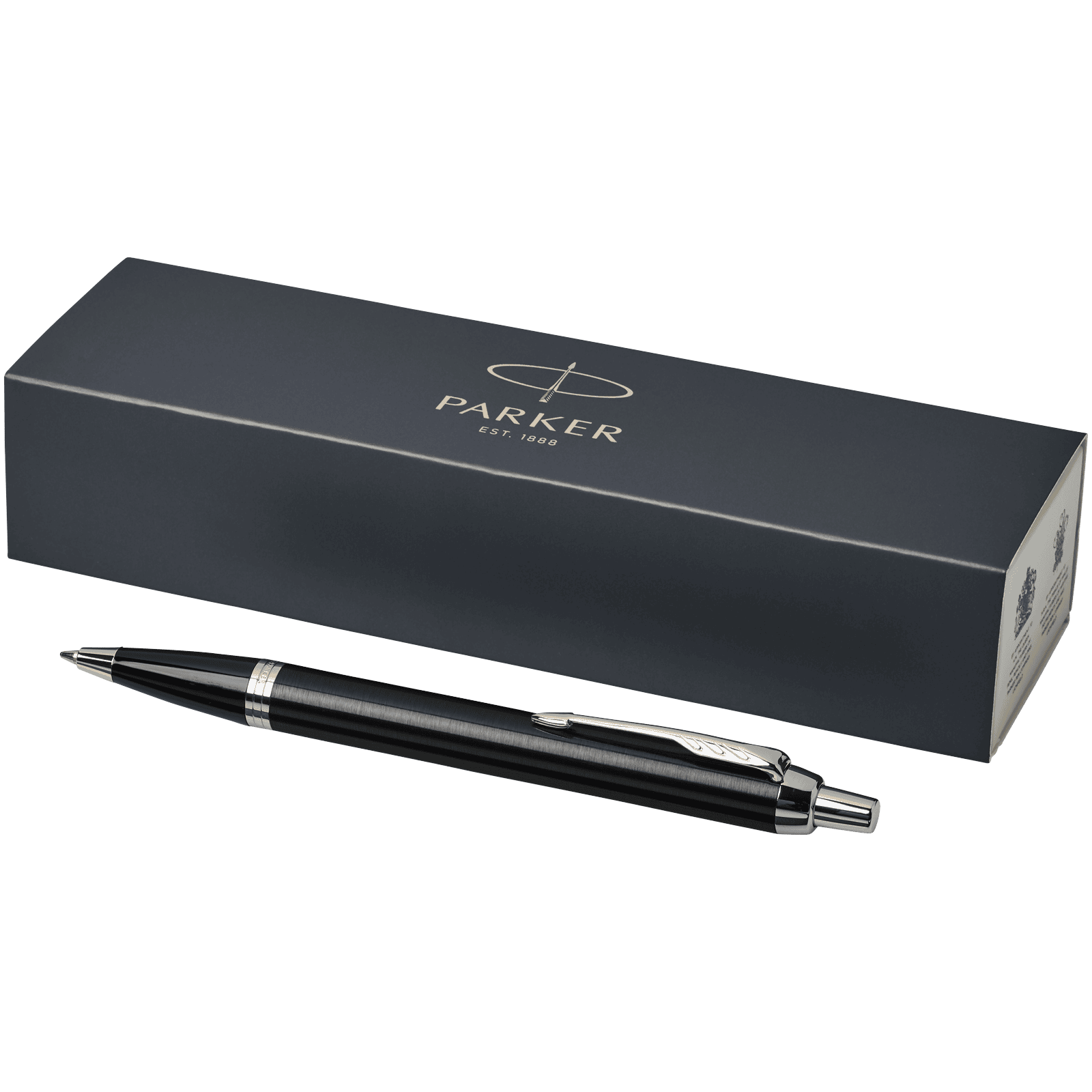
Parker IM Ballpoint Pen
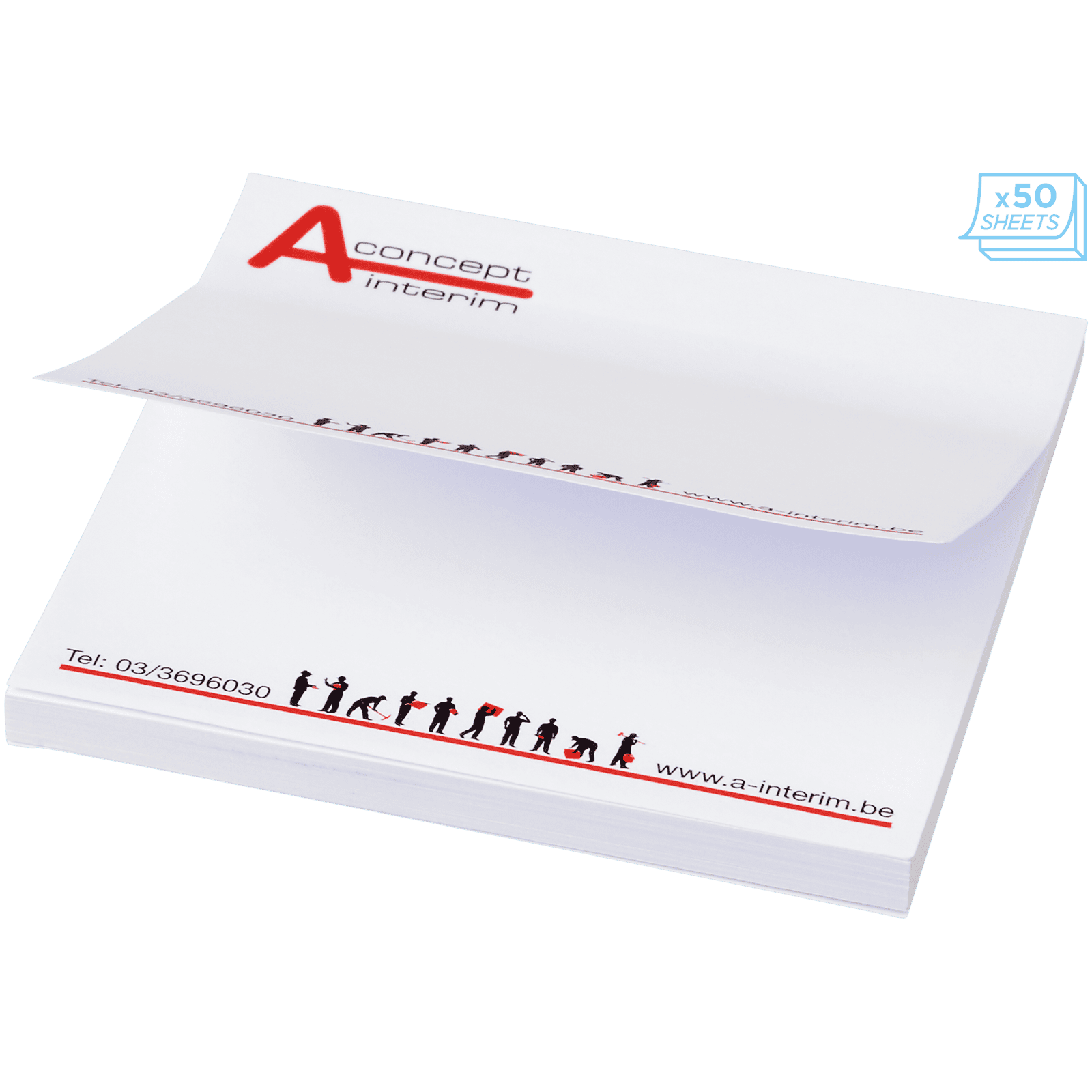
Sticky-Mate® Sticky Notes 75x75mm
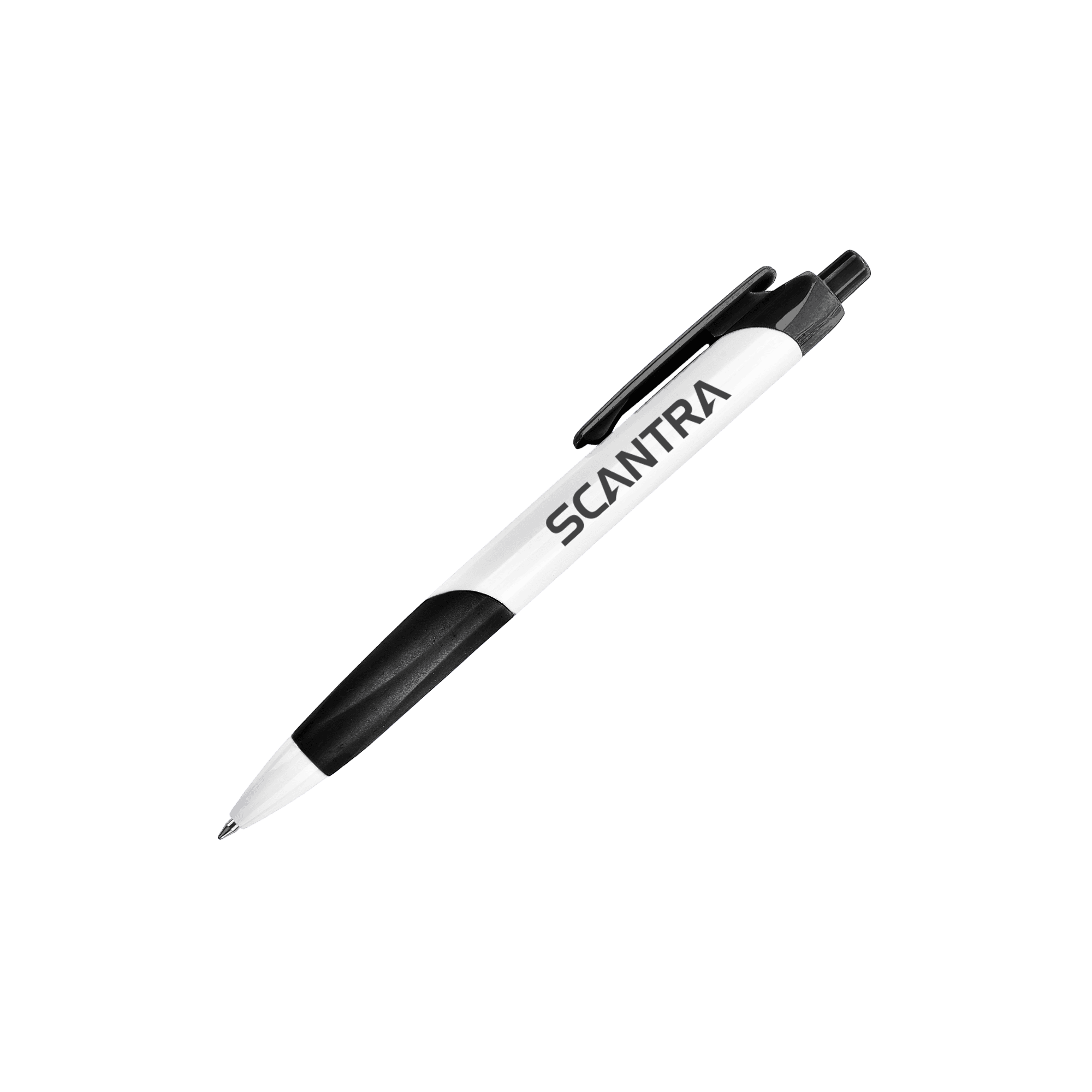
Certicpen Nemo