Mesh isn't a style choice. It's a decision about what doesn't get blocked

Bring your brand to life
Explore over 1,000 customisable products designed to showcase your brand and leave a good impression.
What people assume, and what actually decides it
Mesh gets picked for how it reads: sporty, technical, contemporary. That's a real effect, but it's downstream of the actual decision, which is about what the open structure won't hold. Every hole that lets air through is also a hole that won't hold ink the way a flat fabric does, and that constraint exists before anyone gets to choose a logo colour. Pick mesh for the look and skip that conversation, and the artwork comes back compromised in a way nobody planned for.
How the structure is actually built
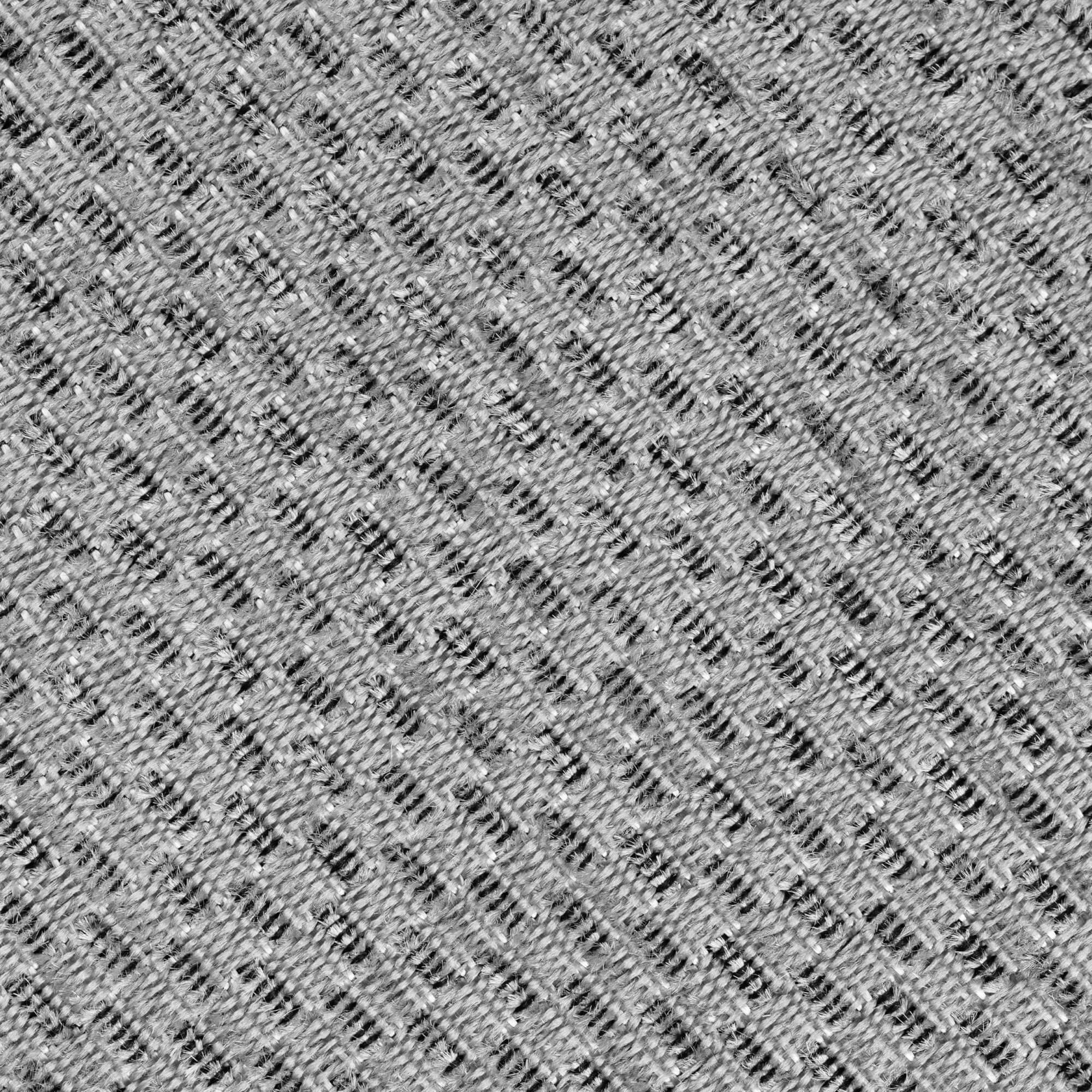
Mesh gets made one of two ways: knitting loops of yarn into an open structure, or weaving threads with deliberate gaps between them. Hole size, yarn weight, and construction tension all change how the finished fabric behaves. A fine mesh sits close to smooth and still breathes. A coarser one has visible structure and more airflow, but less surface to work with. Both versions are built around what they let through, not what they hold back, which is the opposite design logic from almost every other fabric in this series.
Where it earns its place in merchandise
Caps, bags, and sports-related products are where mesh shows up most consistently. The classic trucker cap, structured front panel, mesh back, is probably the single most recognisable format, and it's stayed reliable because the construction is doing real work, not just referencing a look. Drawstring bags and lightweight mesh-paneled backpacks work the same way for events, sports sponsorships, and active lifestyle brands. Put mesh on a product where nobody needs the ventilation, and the construction reads as decoration borrowed from a category it doesn't belong to.
What has to be resolved before the design does
Printing directly onto mesh is limited by the same openness that makes it useful: ink doesn't sit on the surface the way it does on a flat weave. Embroidery holds up better on denser mesh constructions, while a woven label or patch badge is usually the cleaner answer for a genuinely open weave. None of this is a detail to solve after the artwork is finalised. Decoration method changes both what the logo looks like and what the product costs, and settling it early is cheaper than re-doing a print run that never sat right on the surface.
What the material actually communicates
Mesh carries a specific set of associations, sport, movement, outdoor activity, utility, and a brand in that space gets those associations for free. A brand outside it has to work harder to make the choice read as intentional rather than borrowed. Used well, mesh adds a technical, contemporary note to a range. Used because it looked interesting in a catalogue, it reads as a category mismatch the moment someone actually asks why it's there.
The corner of the business this is
Hole size, yarn tension, ink that won't sit still, a decoration method chosen before the artwork. That's our corner of the material side of the business. And the question underneath it: does the ventilation actually matter here, or is the product just wearing the look of something that needed it.
About the author
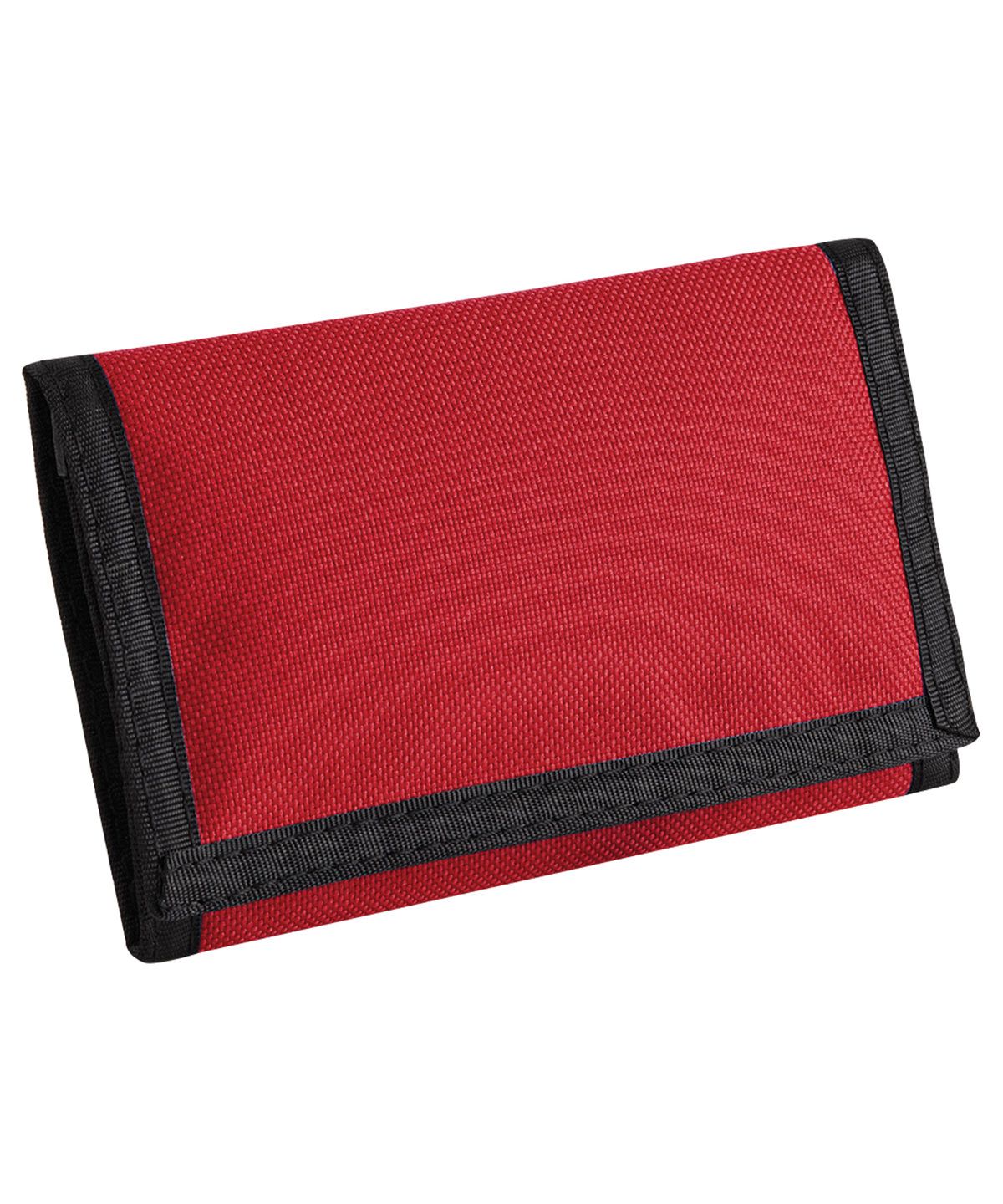
Ripper Wallet
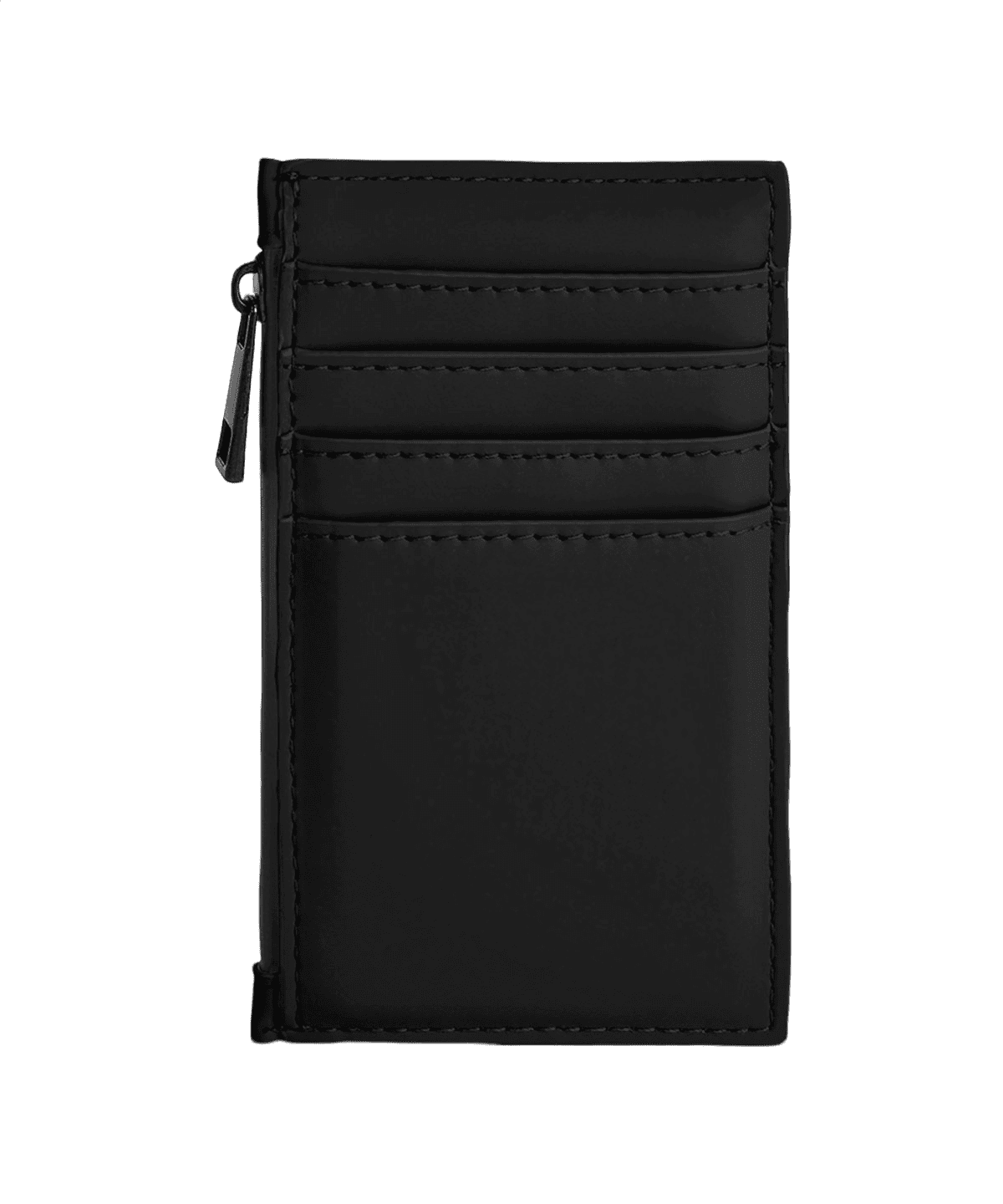
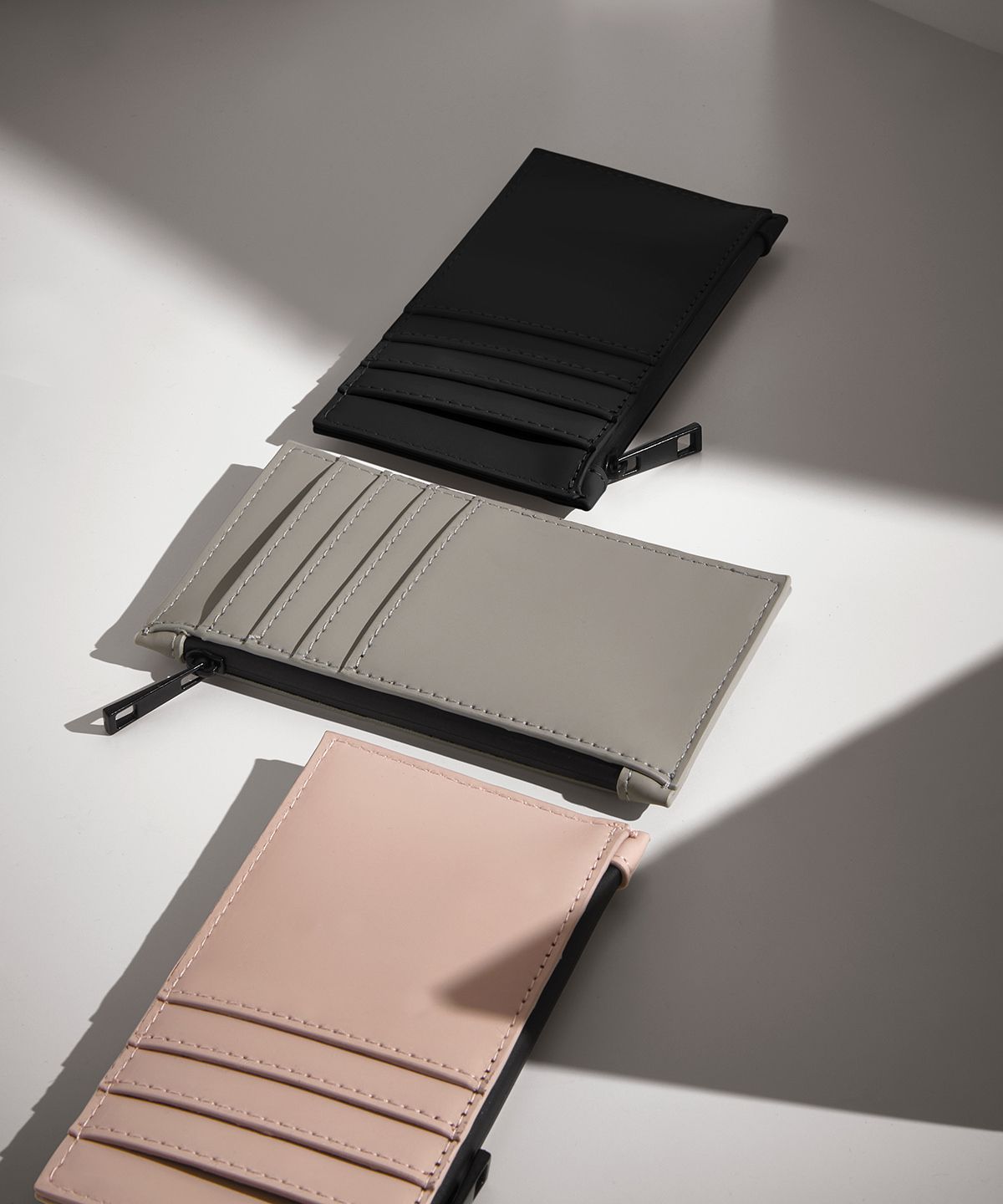
Matte PU Card Holder
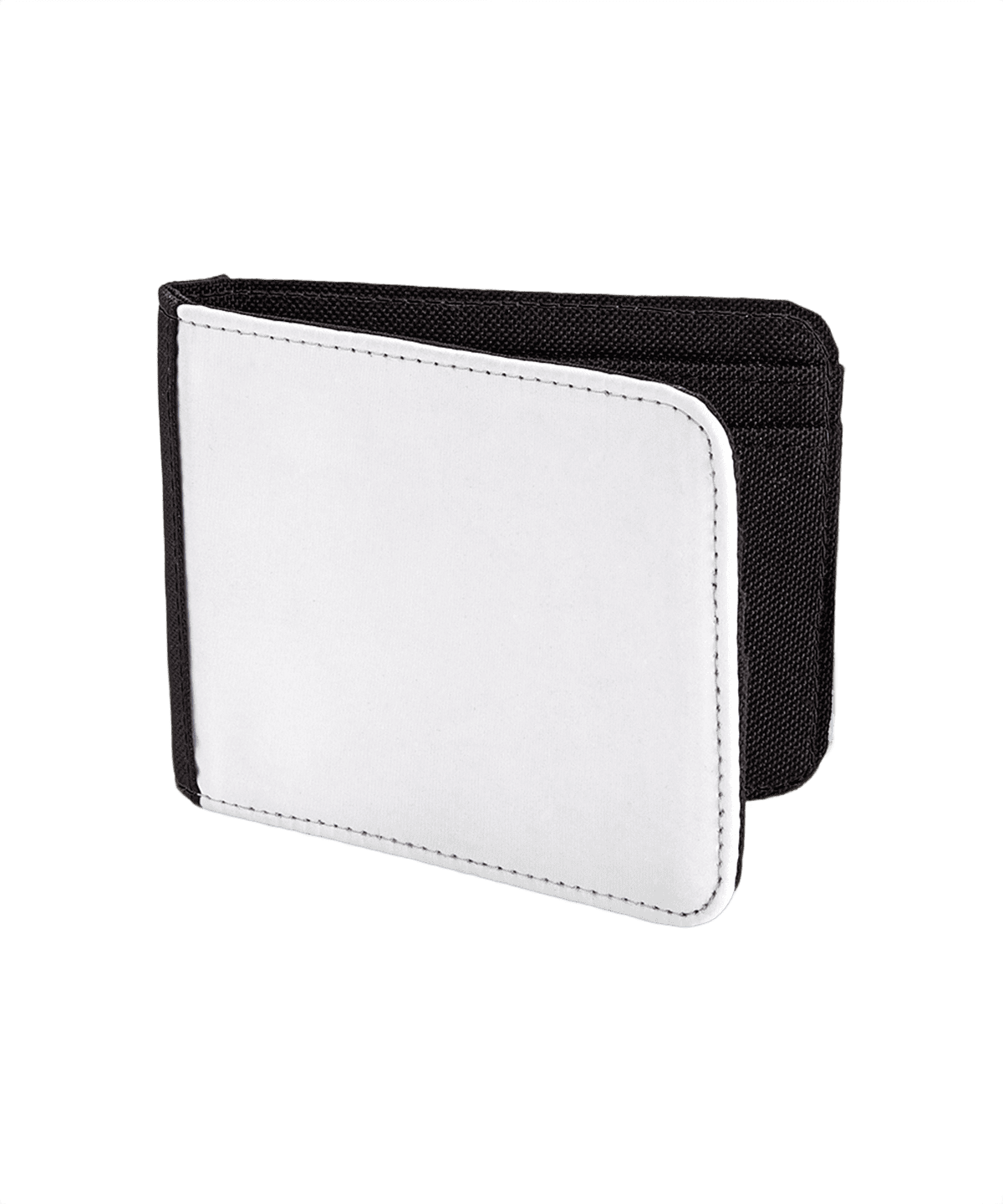
Sublimation Wallet