Microfibre's problem isn't the source. It's the fineness itself

Bring your brand to life
Explore over 1,000 customisable products designed to showcase your brand and leave a good impression.
What people assume, and what actually stays true either way
With most synthetic fabrics in this series, choosing recycled input goes most of the way toward answering the environmental question. Microfibre breaks that pattern. What sheds fine synthetic particles into the water during a wash isn't the origin of the polymer, it's the fibre's thinness itself, well under a denier, which is exactly what makes the fabric work in the first place. Recycled microfibre reduces the upstream cost of making it. It doesn't touch the part that actually worries people, and pretending otherwise isn't honest.
How fibres get that fine
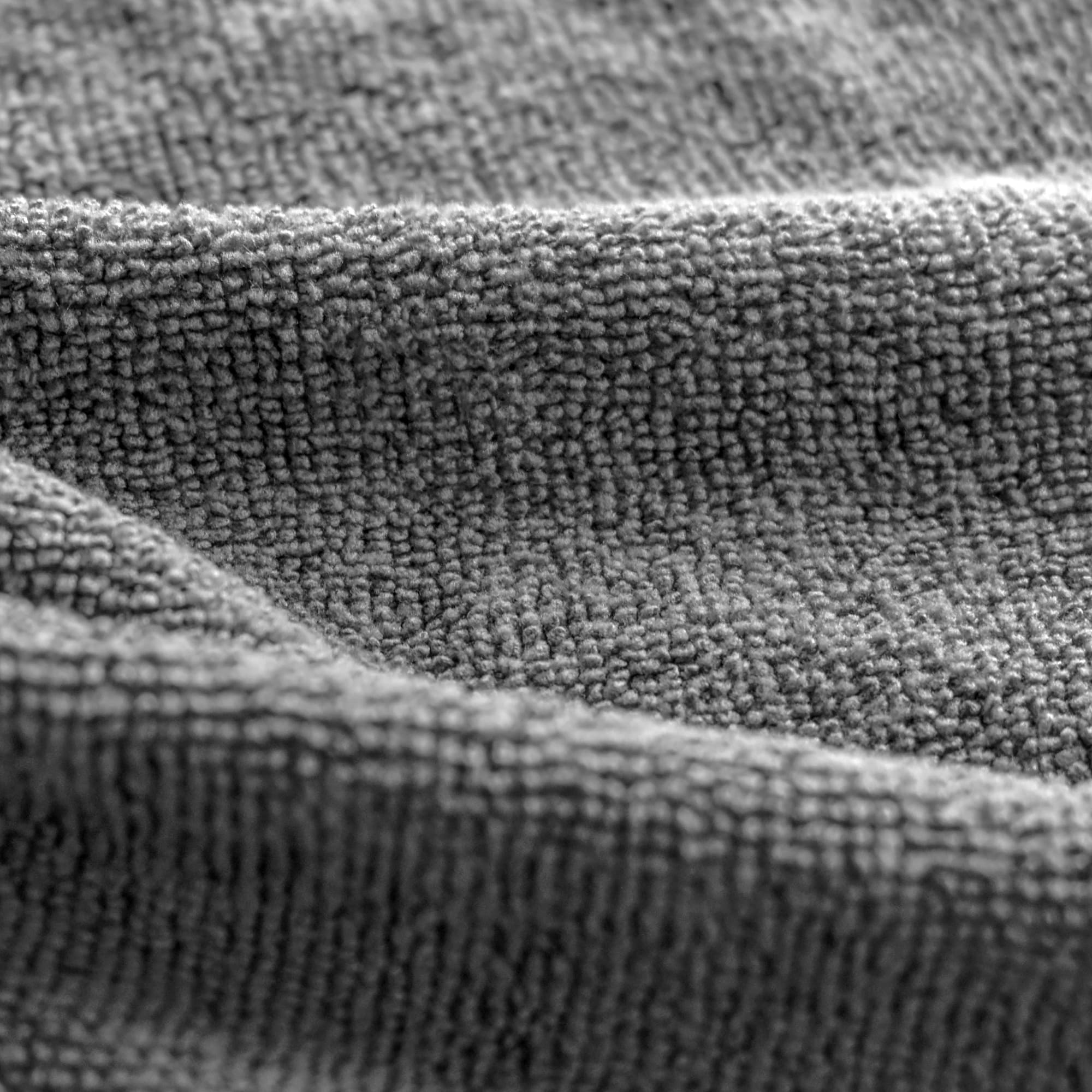
Production starts the same way most synthetics do, extruding polymer into fibre, but microfibre pushes that process to a microscopic scale, splitting or spinning strands down below one denier, a fraction of the thickness conventional synthetic fibre achieves. Those ultra-fine strands get knitted or woven into a surface dense enough to pick up dust, oil, and moisture through capillary action rather than just pushing them around. The fineness that makes it grip a lens or a screen cleanly is the same property that lets it slip through a washing machine's filtration.
Where it earns its place in merchandise
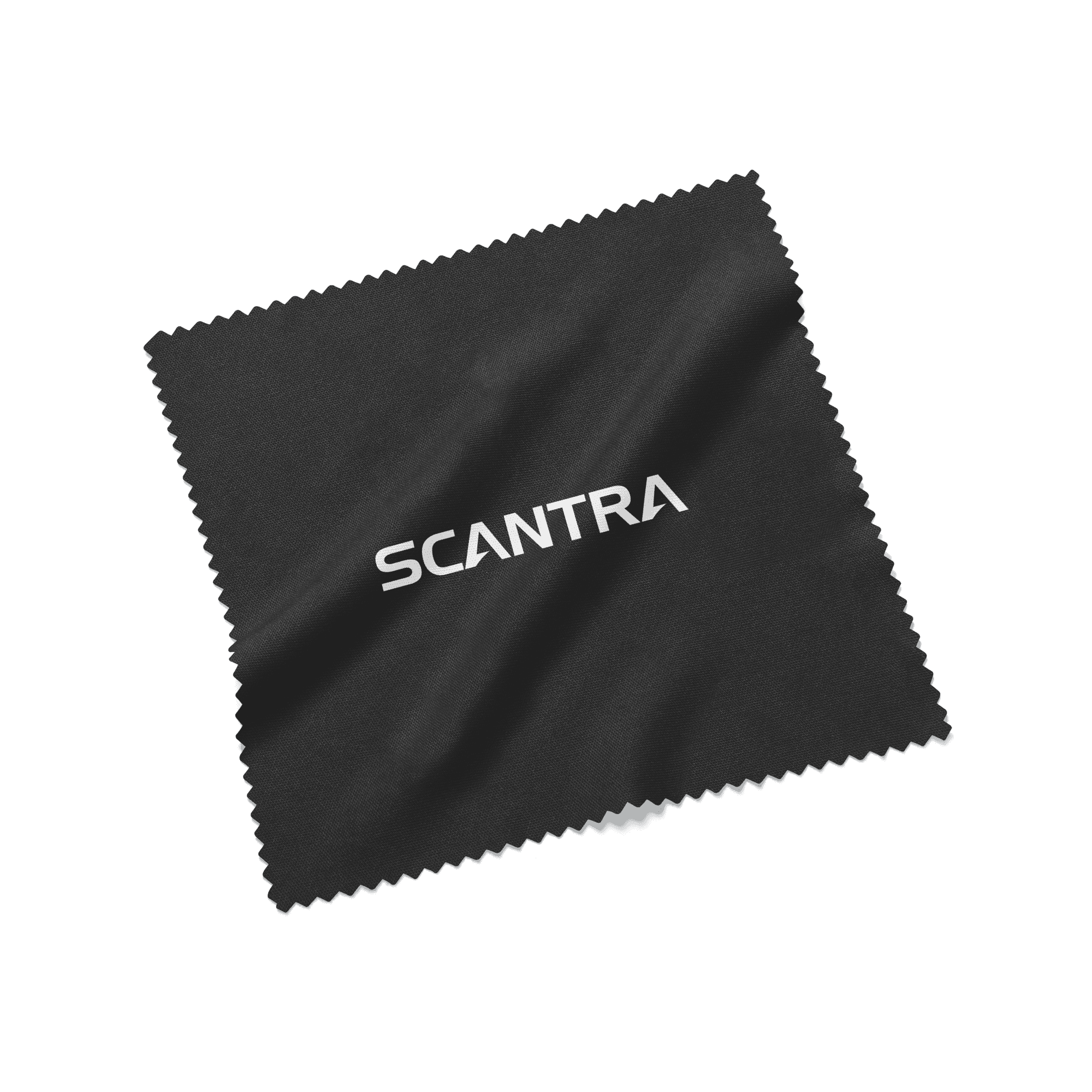
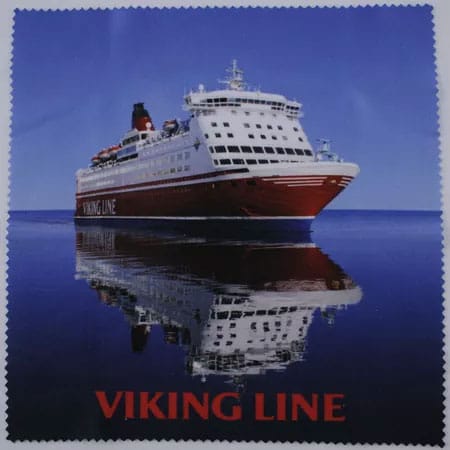
Cleaning cloths, lens cloths, and travel towels are where microfibre genuinely does something, categories where the functional property is the entire product. A branded microfibre cloth for glasses or a screen is one of the rare giveaways that stays in a bag or on a desk long after the event that handed it out, rather than getting binned by the following week. Sports towels and gym accessories work the same way for wellness, tech, and active lifestyle brands. Put it somewhere the capillary action never gets used, and it's just an unusually soft cloth with an unusually specific environmental cost.
What the decoration side actually requires
Microfibre takes sublimation printing better than almost any other fabric in this series, full colour, clean across the entire surface, detail that embroidery or screen print can't match on the same scale. That only works if the fabric is polyester-dominant, which is a spec worth confirming with a supplier before artwork is finalised rather than after a print run comes back with colour that never took.
What's worth saying plainly about the environmental side
Microfibre sheds fine synthetic particles in the wash, more acutely than most other synthetics because of how thin the fibre is, and that shedding passes through most filtration systems on its way into waterways. A recycled polyester version lowers what it took to make the fabric, and that's genuinely worth choosing over virgin fibre. It's not a reason to describe the product as solved. For a brand whose positioning leans on sustainability, this is a conversation to have upfront, not a detail to leave out because the rest of the material story is otherwise clean.
The corner of the business this is
Sub-denier fibres, capillary action, sublimation printing, shedding that recycled input doesn't touch. That's our corner of the material side of the business. And the question underneath it: does the client know this is the one material in the range where recycled isn't the whole answer, or did nobody get around to saying so.
About the author

EasySurf - Multifunction Mouse Pad
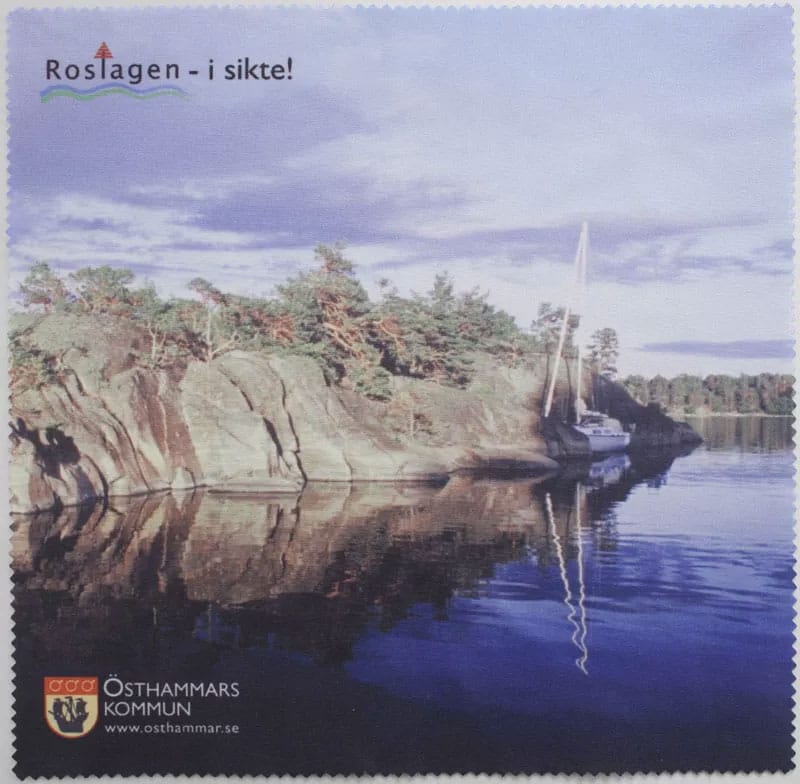
EasyClean Microfiber HiQ Eco

X-SMART Webcam Cover