Neoprene: what it's actually good for

Bring your brand to life
Explore over 1,000 customisable products designed to showcase your brand and leave a good impression.
Not a wetsuit material with a new job
Most people who see a neoprene can cooler assume it borrowed its material from wetsuits. It didn't, not first. Neoprene was developed in the 1930s as an industrial rubber substitute: gaskets, wiring insulation, places where ordinary rubber gave out under heat or chemicals. Wetsuits came decades later, once someone noticed the foam held a layer of water against the skin and kept it warm. Merchandise came after that, borrowing the same three properties for a much smaller job.
Why we reach for it
We use neoprene for one reason: it protects. Not a fashion choice, not a texture we like. A laptop sleeve, a cable pouch, a can cooler, all of them need something that cushions on impact, keeps surface moisture out, and holds its shape without a rigid liner. Neoprene does all three without adding weight. That's the whole case for it.
How it's built
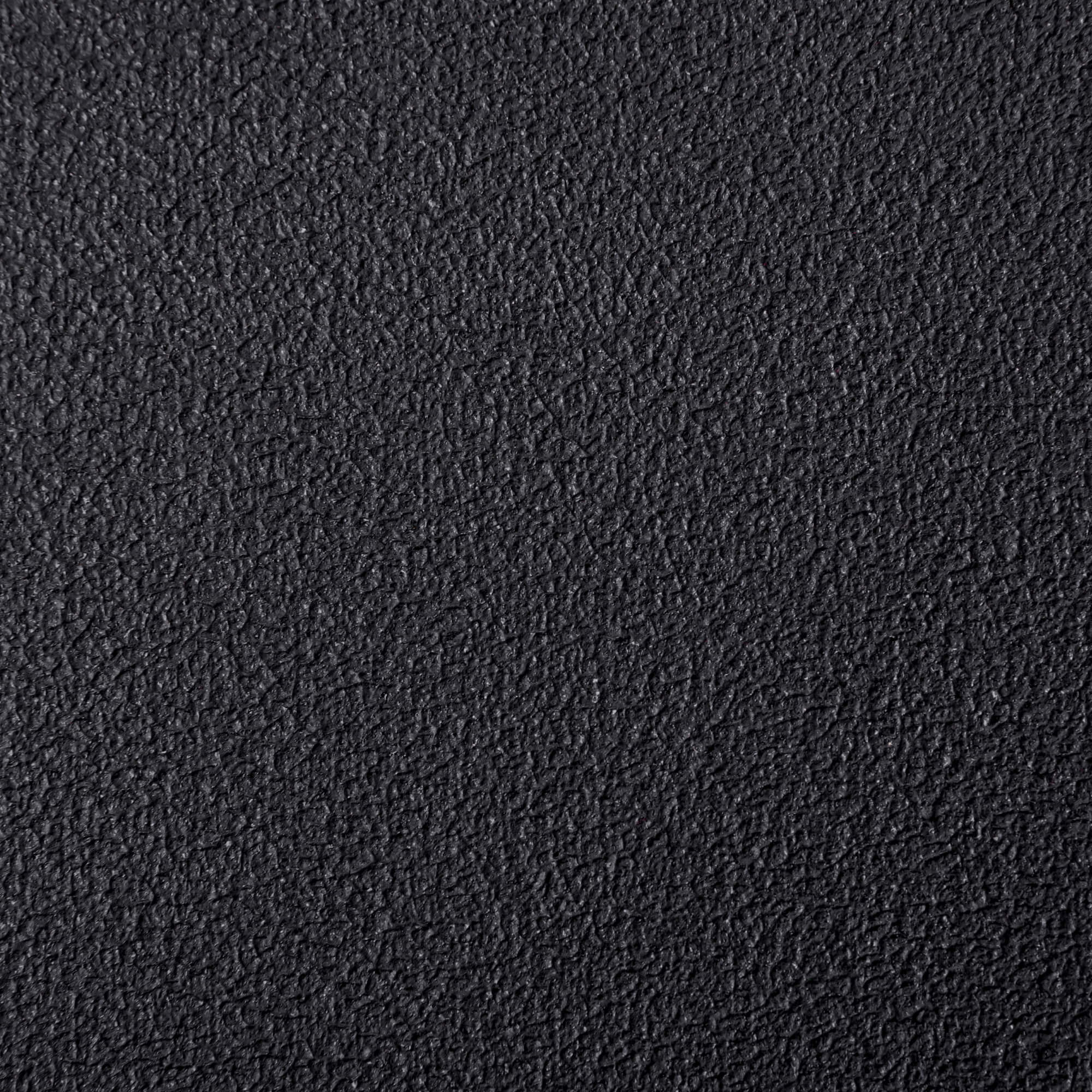
The material is a foam core, closed-cell synthetic rubber, bonded to a textile facing on one or both sides, usually polyester or nylon. The foam gives it the spongy feel and the insulation. The facing decides how it feels on the outside and how it takes print. Thickness is measured in millimetres, and it isn't a case of thicker being better: most of what we spec runs two to three millimetres, because past that point the product stops folding into a bag and starts fighting the person carrying it.
Where it earns its place
Drinkware sleeves, laptop cases, cable pouches, small tech accessories. These are the categories where the protection actually matters, and where a can cooler or a sleeve gets used weekly instead of once. It's a narrow list. Most product categories don't need what neoprene offers, and putting it on a tote bag or a notebook cover is just adding cost for a texture.
Decoration and production
A polyester-facing product takes sublimation well: full colour, edge to edge, no white borders to work around. Screen print works too, on the flatter constructions. Embroidery is possible but needs stabilising first, or the needle distorts the foam underneath and the logo sits crooked. Cut and sewn is the standard build, and the material holds a clean edge without a wide seam allowance, which keeps the finishing simple. None of this is difficult. It just has to be done in the right order.
The environmental reality
Neoprene is petroleum-derived. It doesn't biodegrade, and it's hard to recycle at end of life. Limestone-based versions exist and cut the fossil fuel input at the production stage, worth asking about if a client's brand runs on a sustainability story. But we won't pretend this is a material that photographs well next to recycled cotton and reclaimed ocean plastic. It isn't. What it offers instead is a product that survives contact and stays in a bag for years, which is its own kind of durability argument, just not the one that fits neatly into a sustainability slide.
Foam core, textile facing, a narrow set of products, an honest limit on the sustainability pitch. That's neoprene's corner of the material list. And the question underneath it: does the product need to survive contact, or does it just need to carry a logo.
About the author
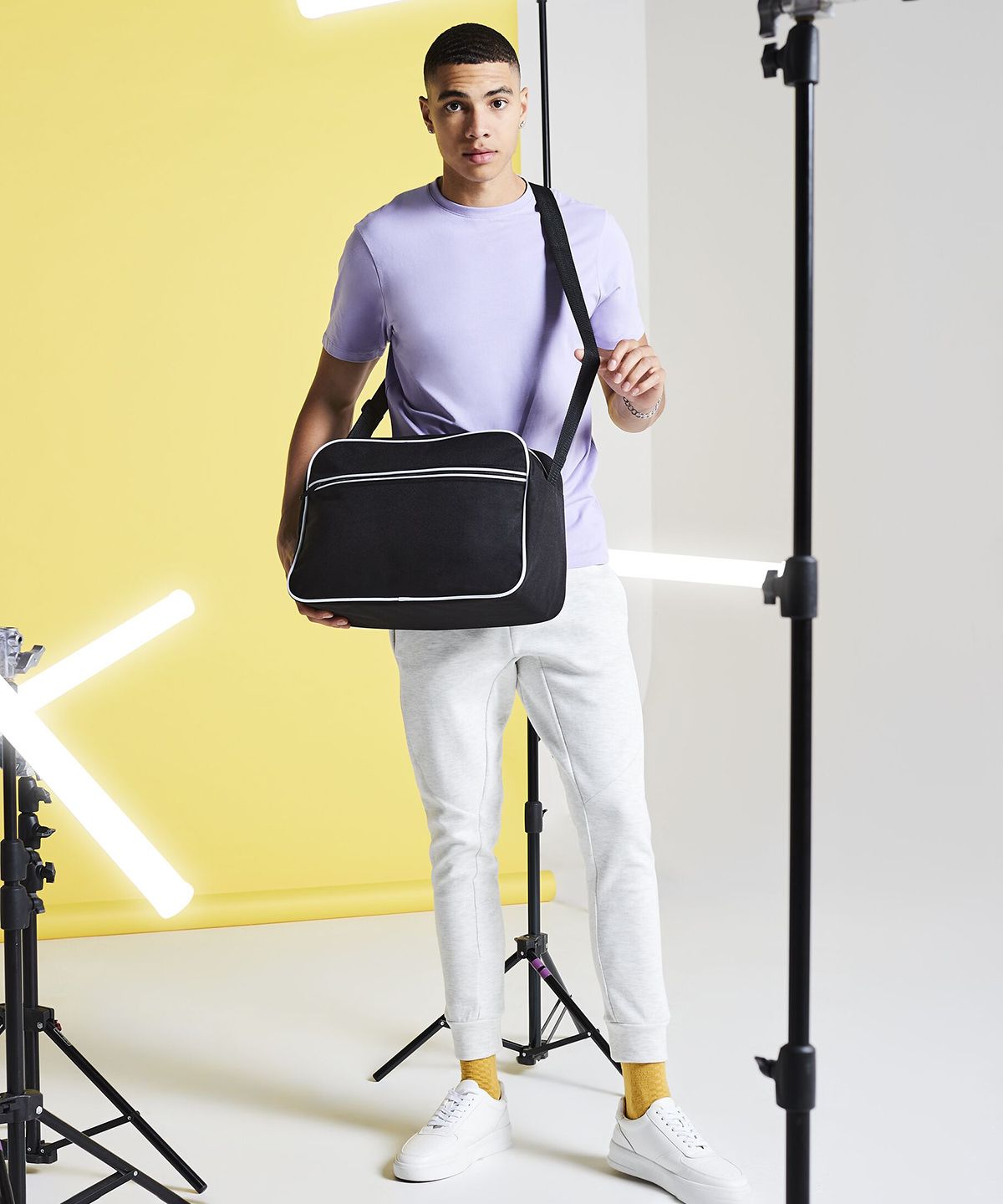
Retro Shoulder Bag
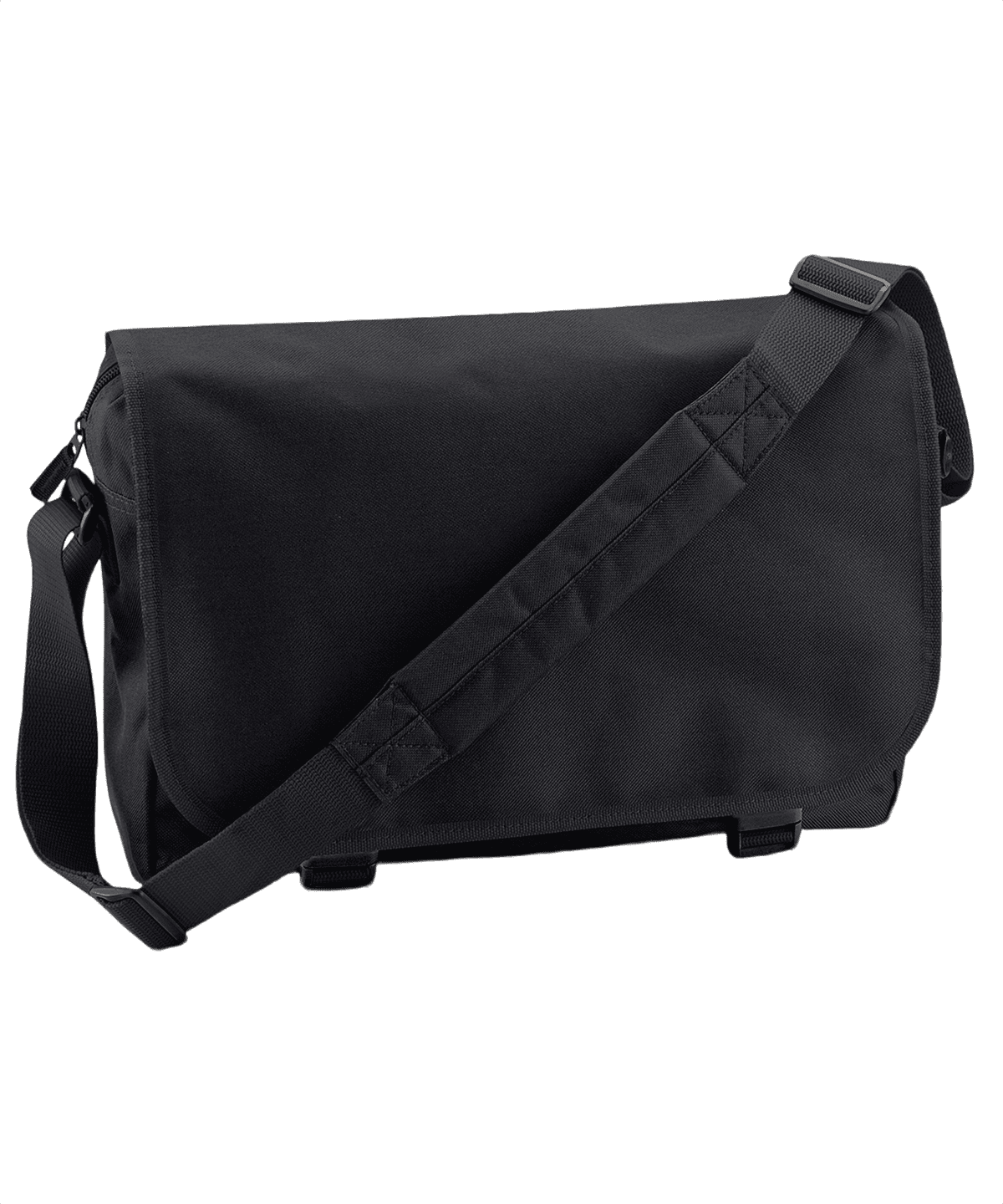
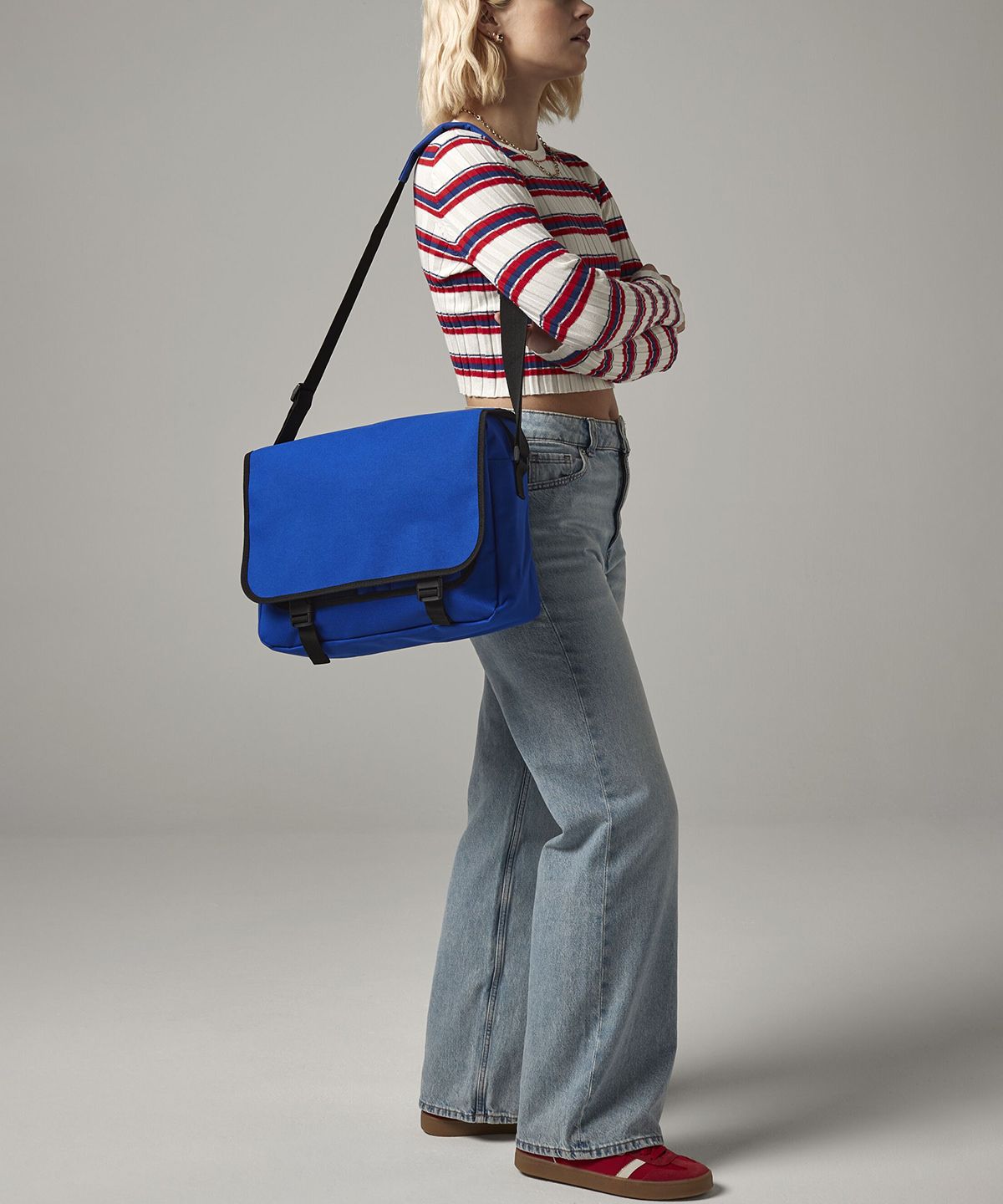
Messenger Bag
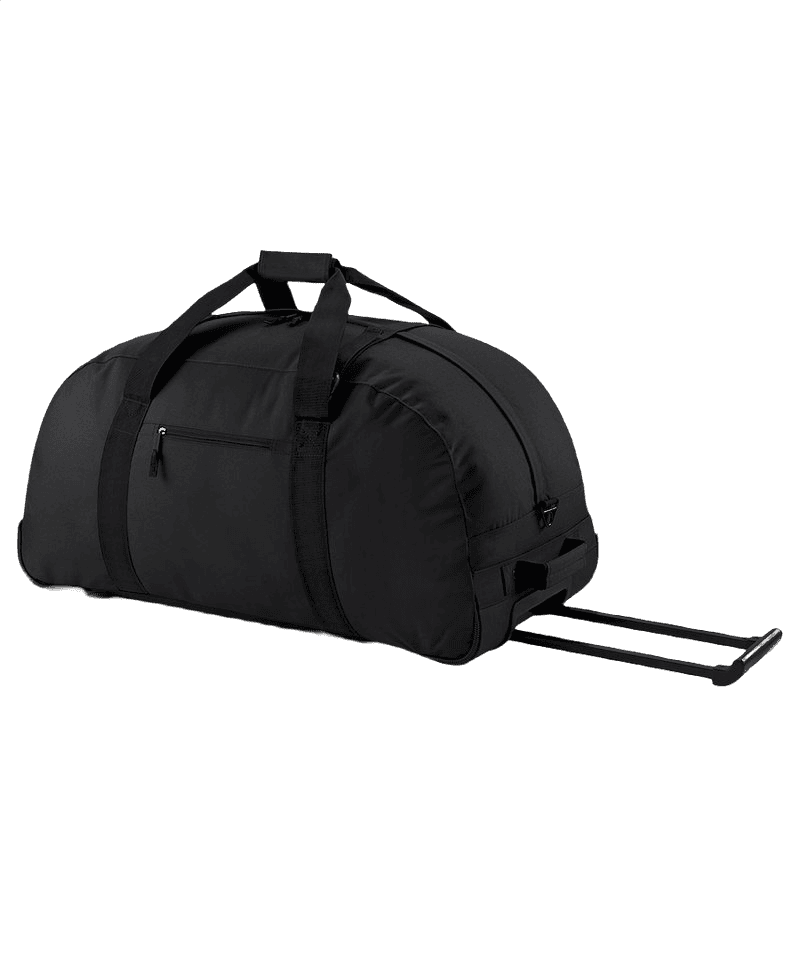
Classic Wheelie Holdall