Recycled aluminum doesn't need the sustainability pitch


Bring your brand to life
Explore over 1,000 customisable products designed to showcase your brand and leave a good impression.
The case nobody has to make twice
People expect the pitch for recycled aluminum to be about sustainability. It isn't, not really. The pitch is about energy: recycling aluminum takes about 5% of what it costs to produce from raw bauxite ore. That number does the persuading. The rest is context.
What comes out the other end is metallurgically identical to primary aluminum. Same strength, same corrosion resistance, same workability. No trade-off to explain to a client, no asterisk on the spec sheet.
What we check before it goes on an order
Collected aluminum, from beverage cans, industrial scrap, construction material, and products at the end of their life, gets sorted, cleaned, and melted at temperatures well below primary smelting. The alloy composition is corrected, then cast into ingots that feed back into ordinary manufacturing. Scrap to finished product in as little as 60 days.
The number that matters to us is not the recycling percentage on a supplier's brochure. It's the paperwork behind it. We verify material, documentation, and production method against the client's requirements before anything ships. Recycled content claims don't get a pass just because the word "recycled" is on the spec sheet.
Where it earns a place in the catalogue
Bottles, cans, drinkware, packaging, accessories. That's where recycled aluminum shows up most in a merchandise catalogue, and where it earns its place rather than just its label. Aluminum water bottles and travel mugs suit brands in wellness, outdoor, and active lifestyle categories: light, durable, and clean to look at. Custom aluminum packaging for premium gifting leans on the same surface quality. Anodizing and powder coating both take to aluminum cleanly, which means precise color matching and a finish that holds up through regular use, not just through the photo.
Where it loses
Stainless steel still wins one argument: insulated drinkware. It's denser, better suited to double-wall vacuum insulation, and that gives it a real thermal advantage over aluminum in anything meant to keep a drink hot or cold for hours. For non-insulated bottles and packaging, aluminum is usually the more practical call: easier to form into complex shapes, lighter in hand, better surface for finishing. We don't push aluminum where steel is the right answer. Half the job is knowing which one that is.
The environmental case, without the slogan
Low energy recycling. Infinite recyclability without quality loss. A collection infrastructure that already exists at scale. That combination makes recycled aluminum more tractable from a circular economy perspective than most metal alternatives, and it's why we specify recycled content by default rather than treating it as an upgrade a client has to ask for. Primary aluminum still carries real environmental costs, in bauxite mining and in smelting emissions. Specifying recycled content is one of the few material choices in merchandise that holds up to a direct question about where it came from.
Energy cost, material identity, finish, restraint. That's our corner of the material question. And the question underneath it: whether a sustainable material earns its place in a spec, or just in a pitch.
About the author


Non-Woven Shopping Bag 80 g/m2
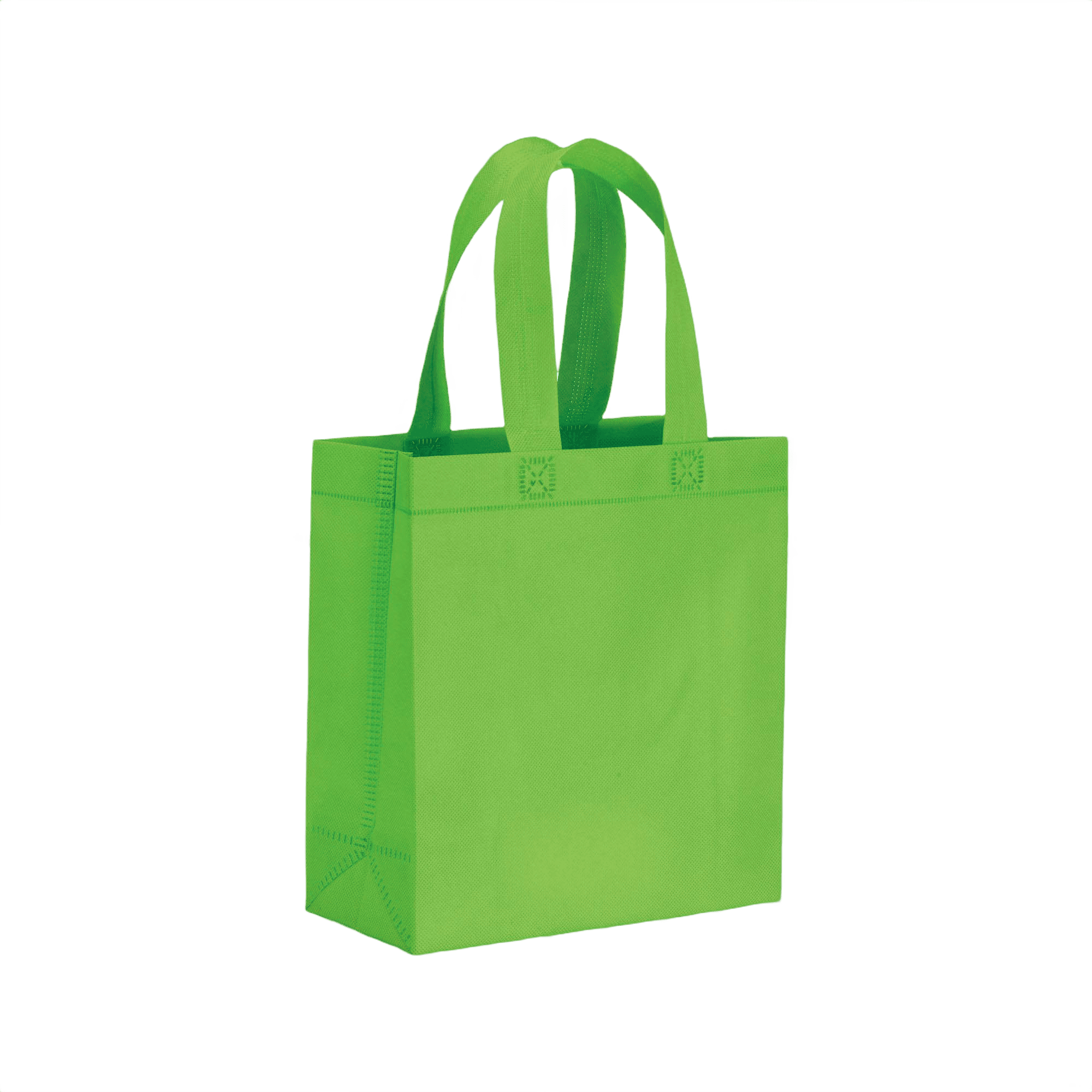

Mini Shopping Bag Short Handles 80 g/m²
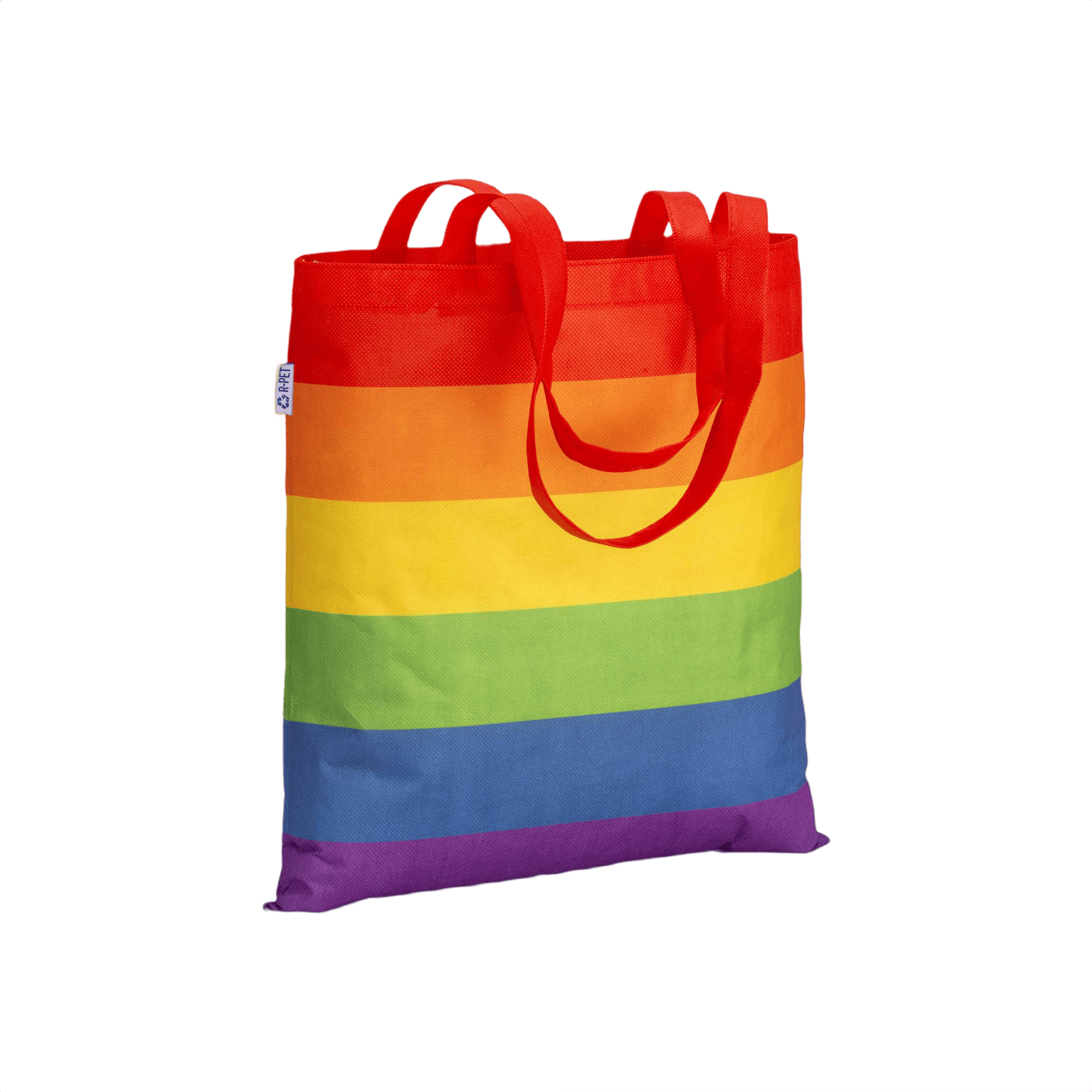
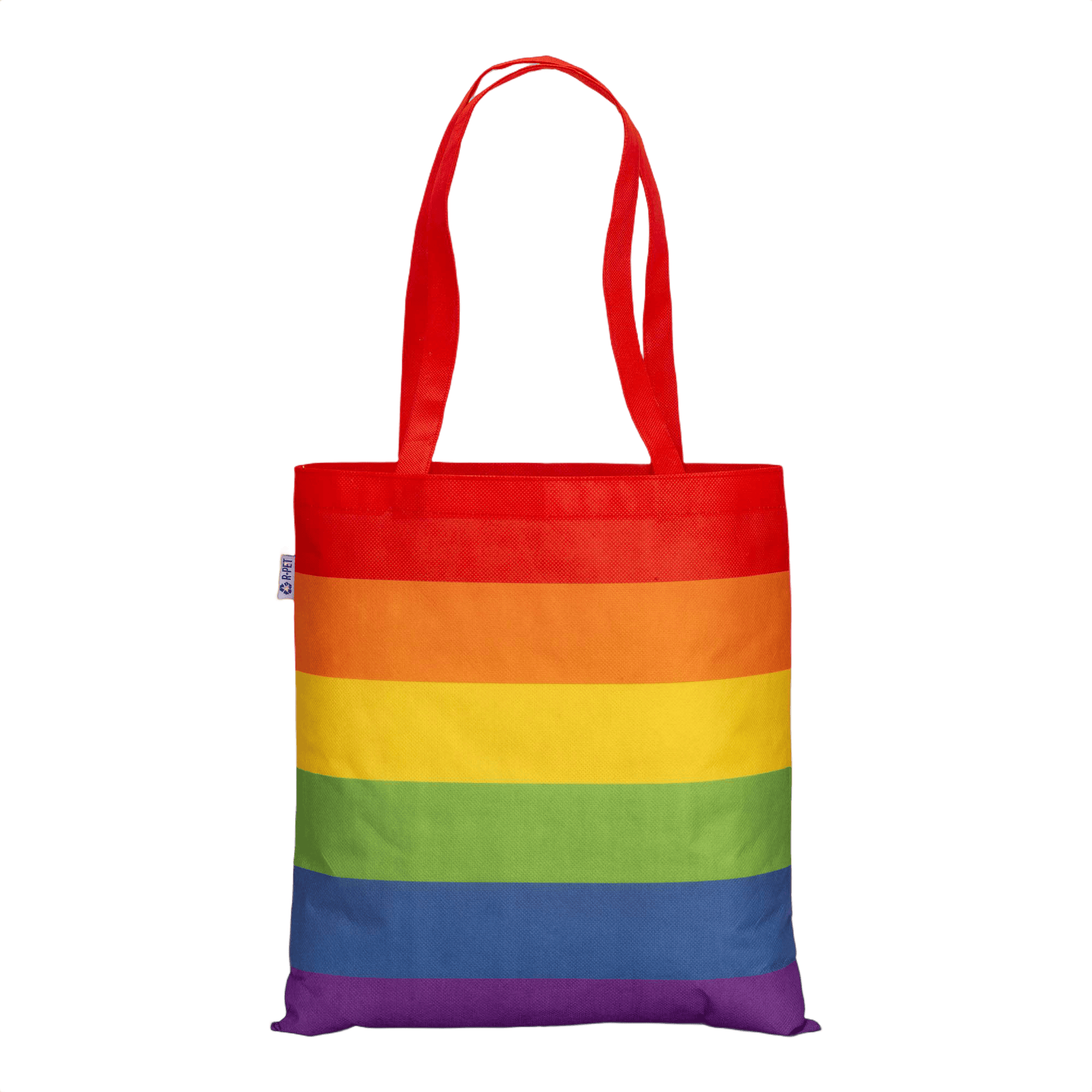
Rainbow Shopping Bag with Long Handles 80 g/m2