Recycled nylon isn't rPET with a different name. It's a smaller supply chain

Bring your brand to life
Explore over 1,000 customisable products designed to showcase your brand and leave a good impression.
What people assume, and what's actually different
Recycled nylon gets talked about in the same breath as recycled polyester, as if recycling one synthetic is the same problem as recycling another. It isn't. A plastic bottle is close to a standard unit: same shape, same resin, collected by the millions. A discarded fishing net, an old carpet, and a fabric offcut are not the same thing to sort, clean, or break down, and that difference is why recycled nylon is smaller and harder to scale than its polyester counterpart, not less worth using.
What the process actually involves
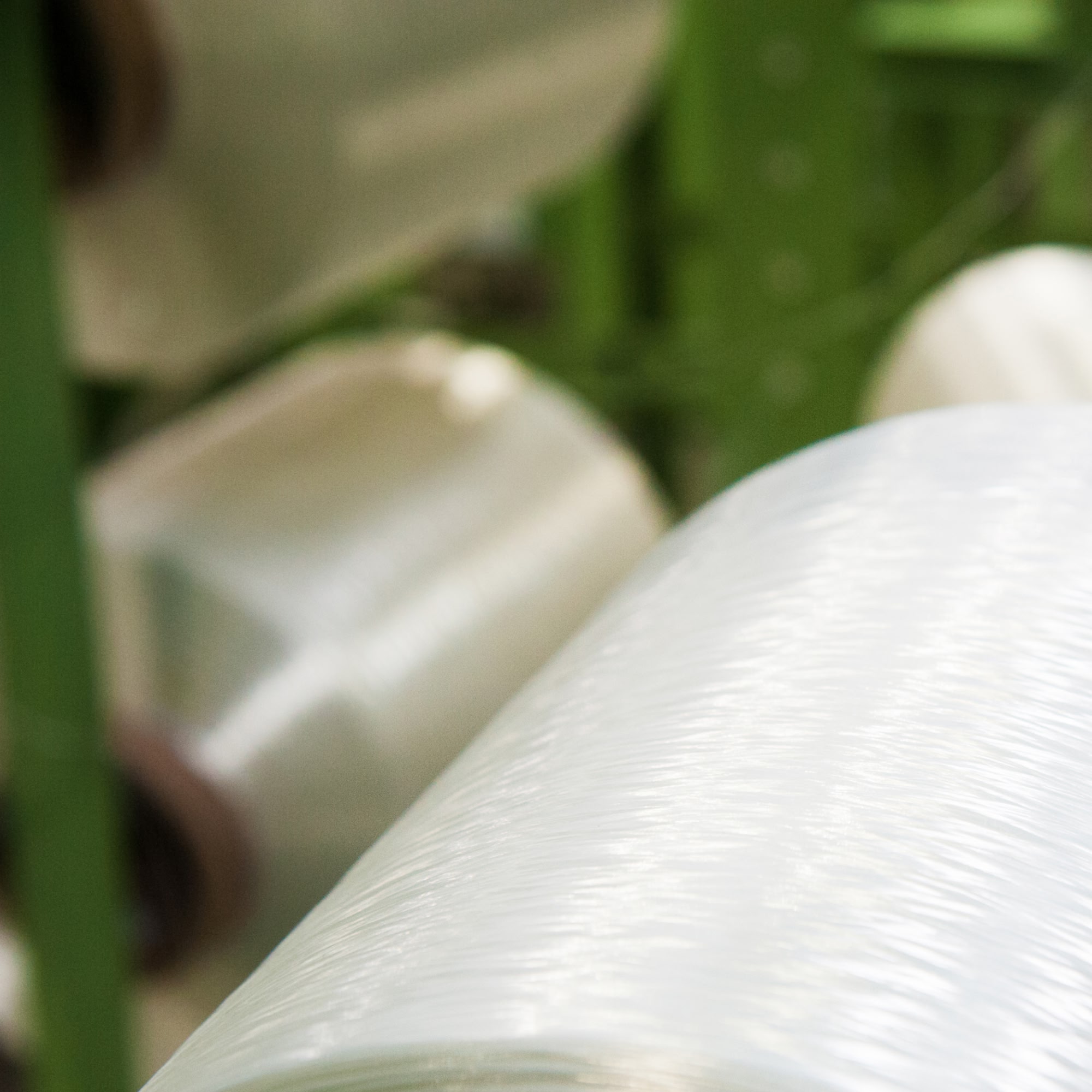
Collected waste gets sorted by type, cleaned, and broken down into raw polymer, then melted, extruded into fibre, and spun into yarn much the way conventional nylon is. The difference sits upstream, in what goes into that process, not in how the process itself runs. Sorting fishing net from carpet backing from garment scrap takes more handling than sorting bottles by colour, and that handling is priced into the fibre before a single metre of fabric exists.
Where it performs well
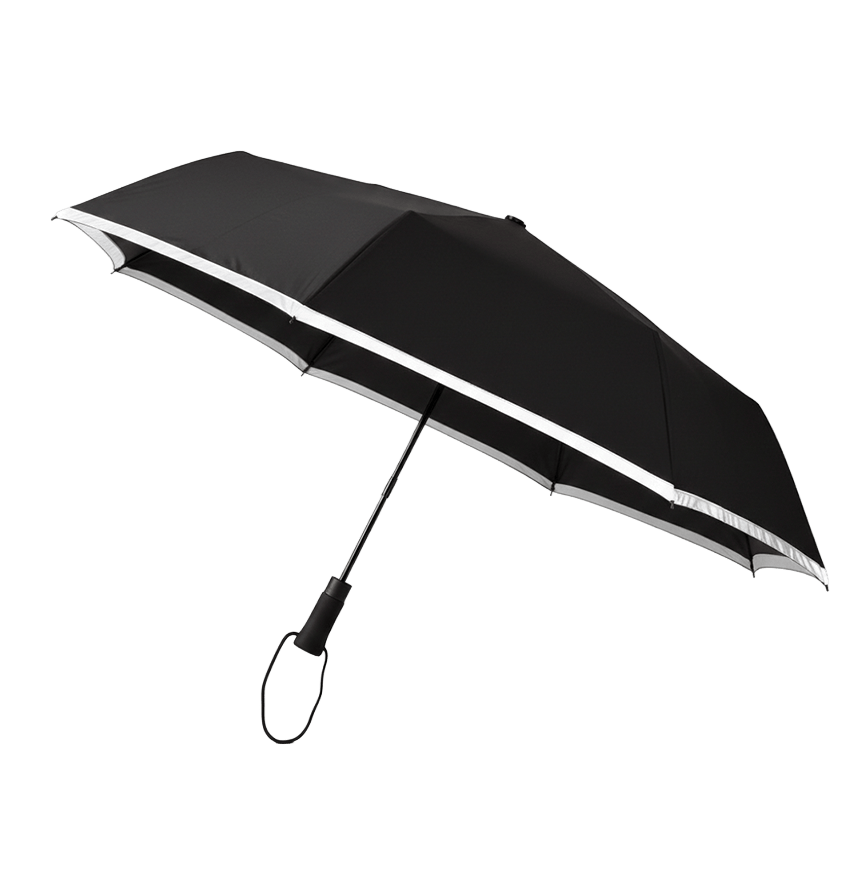
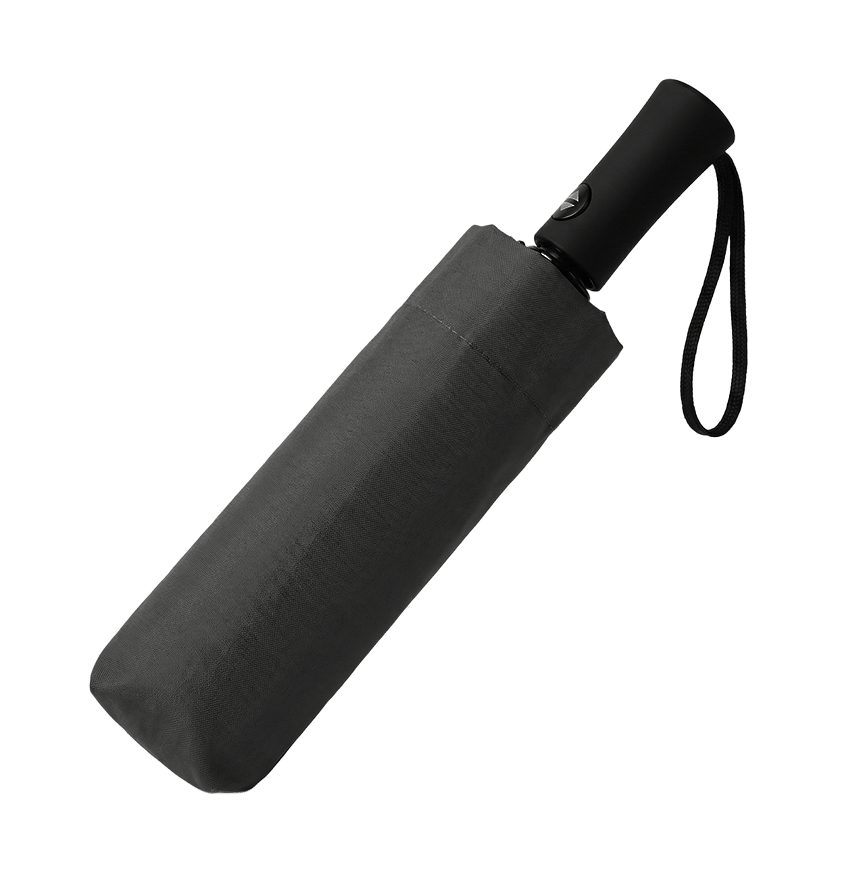
Bags, backpacks, and accessories are where we use it most, categories where durability is the entire requirement and nothing about performance can be quietly downgraded. A recycled nylon backpack or travel pouch carries the same functional qualities as the conventional version, with a sourcing story that holds up if a client's own sustainability team asks a second question. Put it somewhere durability was never the point, and the extra sourcing work buys nothing anyone notices.
What's worth understanding before scaling up
Microplastic shedding is still there, the same as with any synthetic, recycled or not. Supply is also genuinely tighter than for recycled polyester, and that shows up at volume: a large order can outrun what a mixed-waste-stream material can reliably deliver on a fixed timeline. GRS certification is the clearest marker of verified recycled content, and it's worth asking a supplier to show it rather than take the word on a spec sheet.
Why it matters past the label
What recycled nylon actually diverts is worth being specific about. Fishing nets are one of the more damaging forms of ocean plastic on their own, left in the water long after a boat has moved on, and reprocessing them has a real, countable effect that a virgin fibre never will. Outdoor brands built early demand for this material, and supply has grown steadily since because of it. For a merchandise programme where synthetic performance isn't optional, that's what makes the choice defensible, not the word on the tag.
The corner of the business this is
Sorted waste streams, no shortcut on cleaning, tighter supply than rPET, a real ocean-plastic story behind it. That's our corner of the material side of the business. And the question underneath it: is the volume promised actually available, or does the order just assume it will be.
About the author

Two-Tone Digital Messenger
Heavy Cotton Adult T-Shirt

Custom Air Freshener