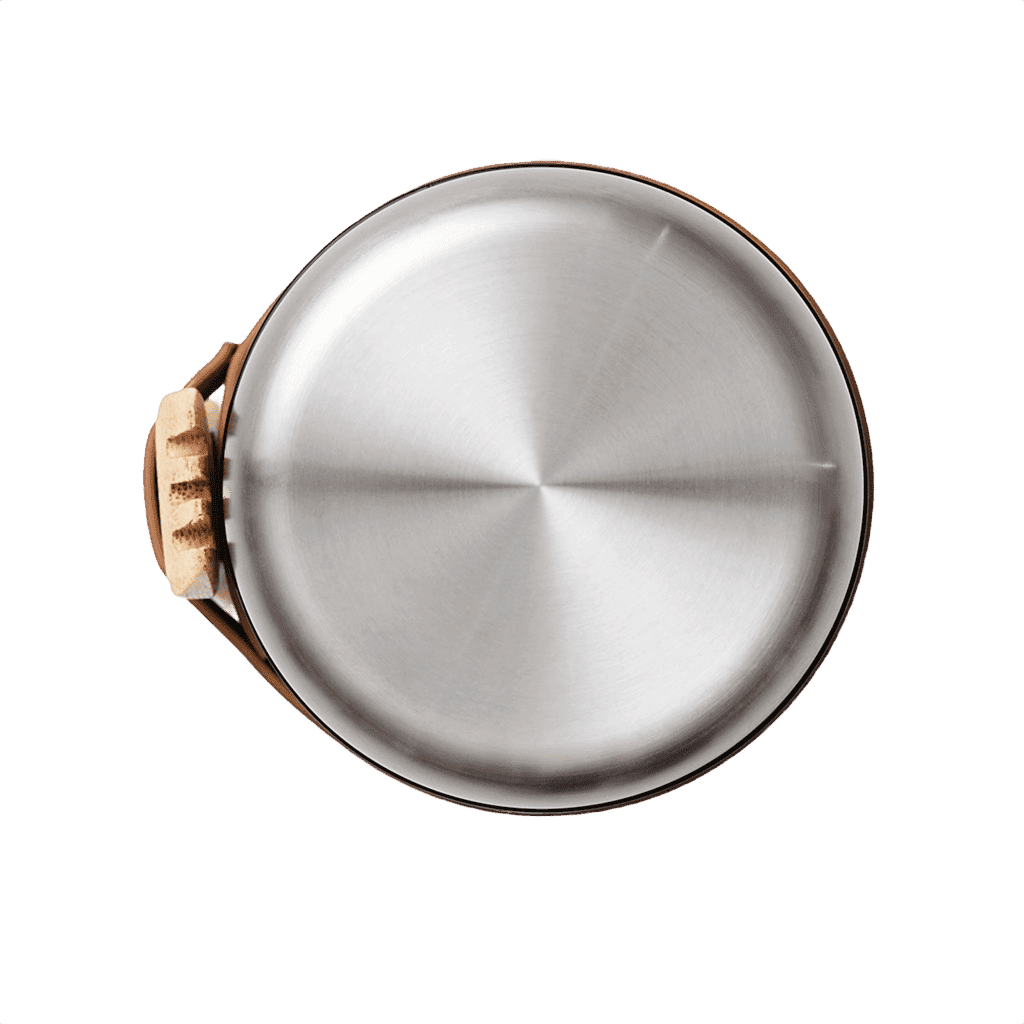
Recycled stainless steel: same product, different sourcing

Bring your brand to life
Explore over 1,000 customisable products designed to showcase your brand and leave a good impression.
What the reader assumes, and what is actually true
Ask someone what recycled stainless steel is worth, and they usually name the wrong risk. They picture a duller finish, a weaker weld, a product that looks the part of sustainability without the durability to back it. None of that holds. Stainless steel keeps its properties through the recycling process, so reclaimed steel performs identically to steel made from virgin ore. The real difficulty is not the material. It is proving, item by item, that the recycled content is real.
What we are actually sourcing
When a client asks for recycled stainless steel bottles or desk accessories, they are not asking us to find a different product. Bottles, tumblers, travel mugs, food containers: the shapes and the finishes stay the same. What changes is the paperwork behind the metal, and that paperwork is our job, not the client's.
Where the steel actually comes from
Recycled stainless steel starts as scrap: industrial offcuts, decommissioned equipment, construction material, products at the end of their life. That scrap is sorted, cleaned, melted in an electric arc furnace, and refined back to the correct alloy composition before it is cast or drawn into new stock. We do not run a furnace. We specify the alloy, and we go to suppliers who can show us the process behind it, not just claim it on a spec sheet.
What it costs to get the claim wrong
Most spec sheets that say "recycled content" have nothing behind them. A supplier writes it because the industry already runs on a high base rate of scrap inclusion, recycled or not, and a marketing line is cheaper than a certificate. We have turned down suppliers on this exact point: the material was fine, the price was fine, the documentation was not there. A client who wants to make a recycled content claim in their own marketing is exposed the moment ours is not real. So we work only with suppliers who can produce documented recycled percentages and third-party verification, and we ask for it before the order, not after the complaint.
Where the material shows up, and how it is decorated
Recycled stainless steel enters the catalogue exactly where virgin stainless steel does: insulated bottles, tumblers, desk accessories, food containers. Laser engraving, powder coating, and screen print all behave the same on it as on any other stainless steel. The decoration does not know, or care, where the metal has been.
Why the distinction still matters
Stainless steel was already one of the more recyclable materials on the shelf, which makes it easy to treat the recycled version as a rounding error. It is not. Specifying reclaimed material, and specifying it correctly, closes a loop that would otherwise stay open: steel taken from something finished, put into something new, verified rather than assumed. For a brand building a genuine sustainability claim rather than a decorative one, that verification is the actual product.
Our corner of it
Scrap sorting. Furnace records. Certificates that exist rather than certificates that are implied. Decoration that performs the same regardless of what the metal used to be. That is our corner of the business. And the question underneath it is not whether stainless steel can be recycled. It is whether anyone can prove that it was.
About the author
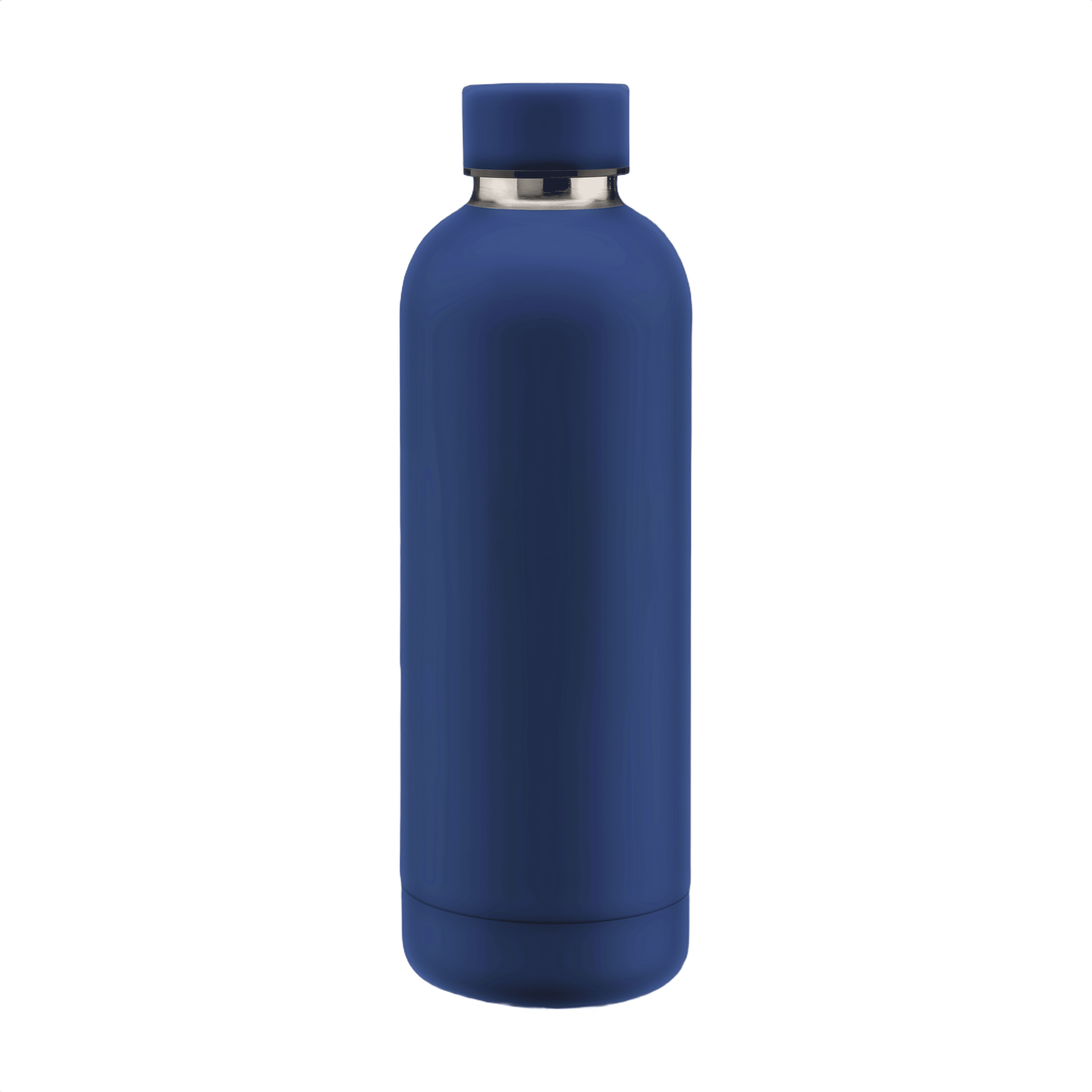
Stainless Steel Thermal Bottle 500ml
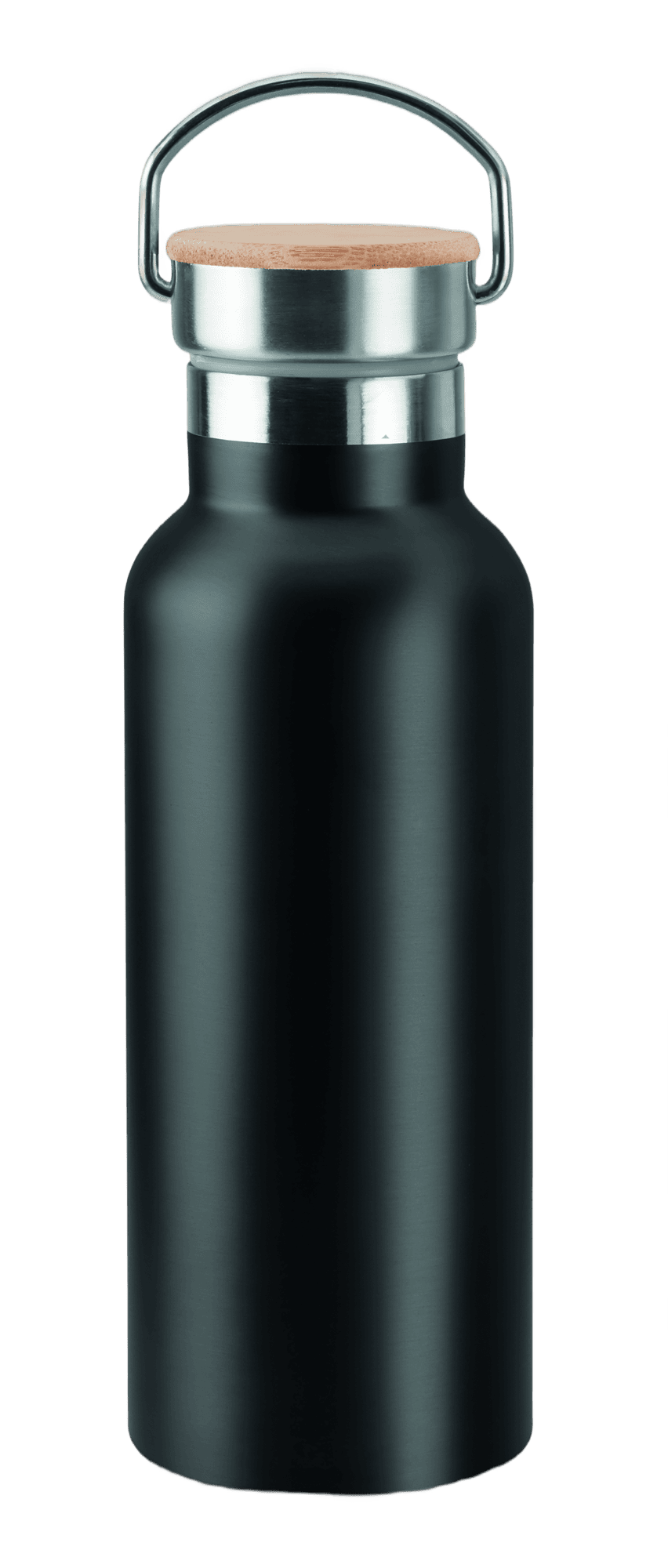
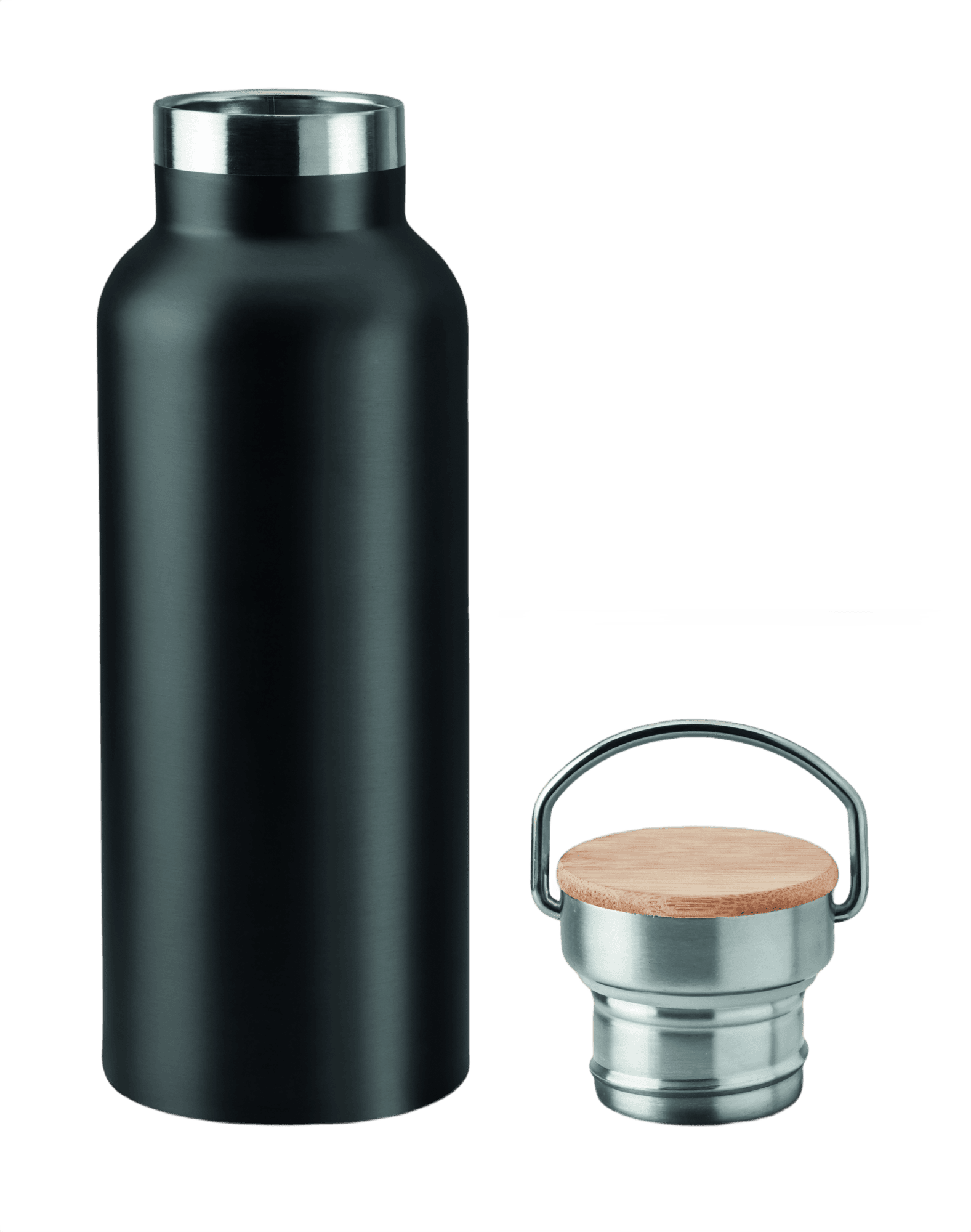
Helsinki Double Wall Bottle 500ml
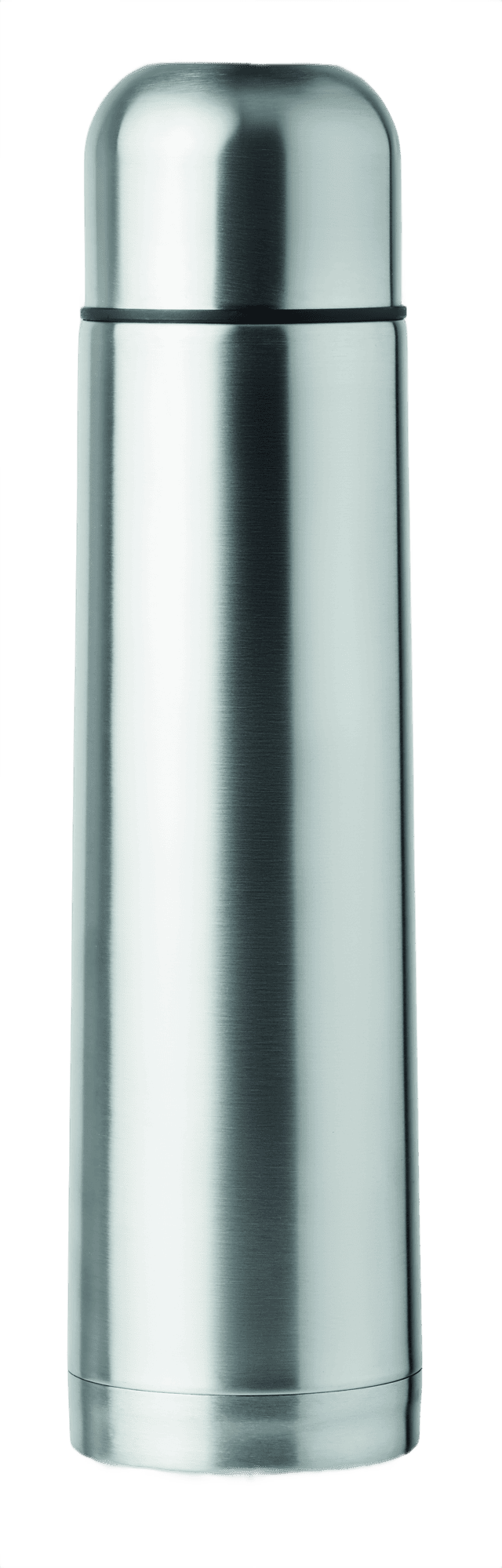
Big Chan Thermos Bottle 900ml