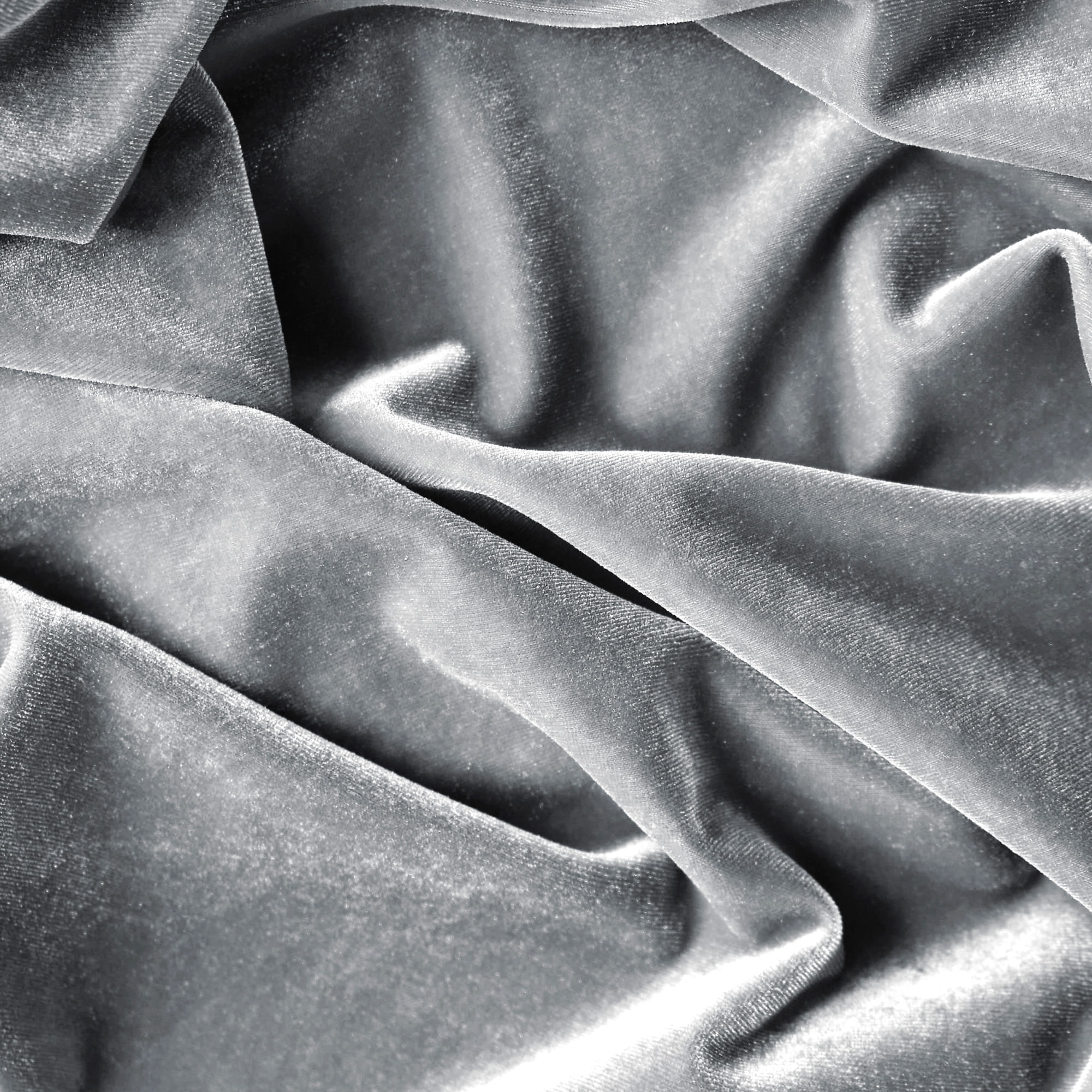
Velvet: the fabric that shows what it costs
Bring your brand to life
Explore over 1,000 customisable products designed to showcase your brand and leave a good impression.
A fabric that shows what it costs
Velvet started in the Middle East, woven from silk, and it stayed something few people could afford for centuries. That was not about branding. Producing it took real skill and real time, and nothing else on the market felt the same in the hand. Cotton and synthetic versions later opened it up to more of the market, but the weight of that history is still there when you touch it. Few materials carry their own past this visibly.
How the pile gets made
Velvet is woven as two layers of fabric at once, joined by yarn running between them. That connecting yarn gets cut, the two layers separate, and what's left standing on each side is the pile. The cut ends are what give velvet its softness and its sheen: look at it from one angle and it reads dark, from another it reads light. After cutting, the fabric is steamed and finished to even out the pile across the surface. It's a more involved construction than most fabrics go through, and the price reflects that.
Where it earns its place in merchandise
We use velvet in packaging and accessories, not apparel: jewellery pouches, the lining inside a gift box, a small branded case where the inside matters as much as the outside. It works through touch before it works through sight, which is why it belongs in gifting more than in a product range someone wears to work. Wrap a velvet pouch around a product and the product itself feels different before anyone has opened it.
What it costs to get wrong
Crushing is the main problem. Fold it, stack it, or store it the wrong way and it marks, and those marks don't come out without steaming it properly. Moisture is the second problem: velvet needs care through production and through shipping, not just on the shelf. For a merchandise program running at volume, these are questions to answer in planning, not surprises to find in a warehouse three weeks before an event.
When we reach for it
Velvet is not a default choice. We use it when a brand wants to say something specific about quality or occasion, and it says that clearly to whoever opens the box. One velvet element in a range tends to do more than three competing for the same attention. That's the material's whole case: it earns its place by being used less often, not more.
About the author
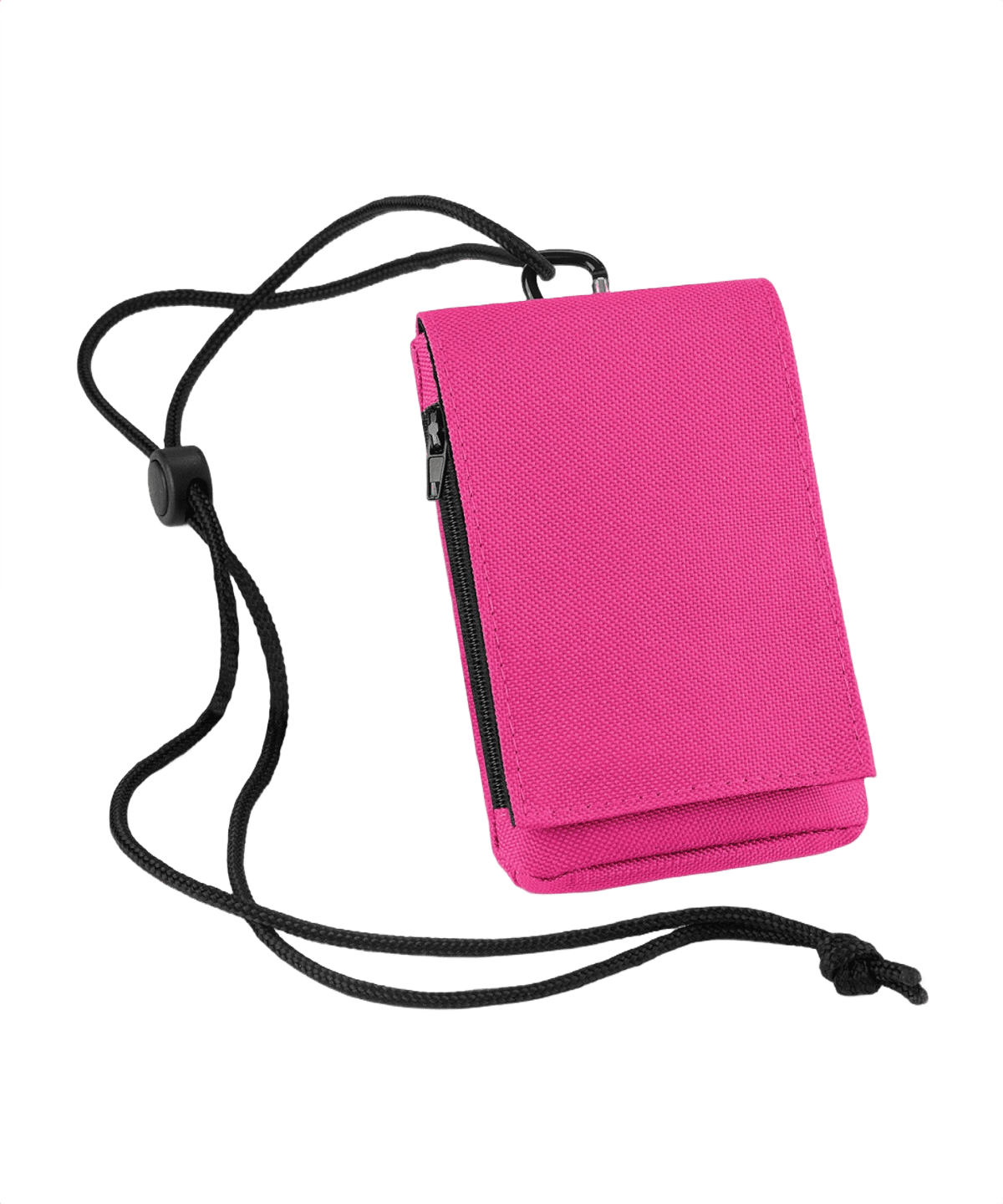
Phone Pouch


Banco Power Bank 10000 mAh
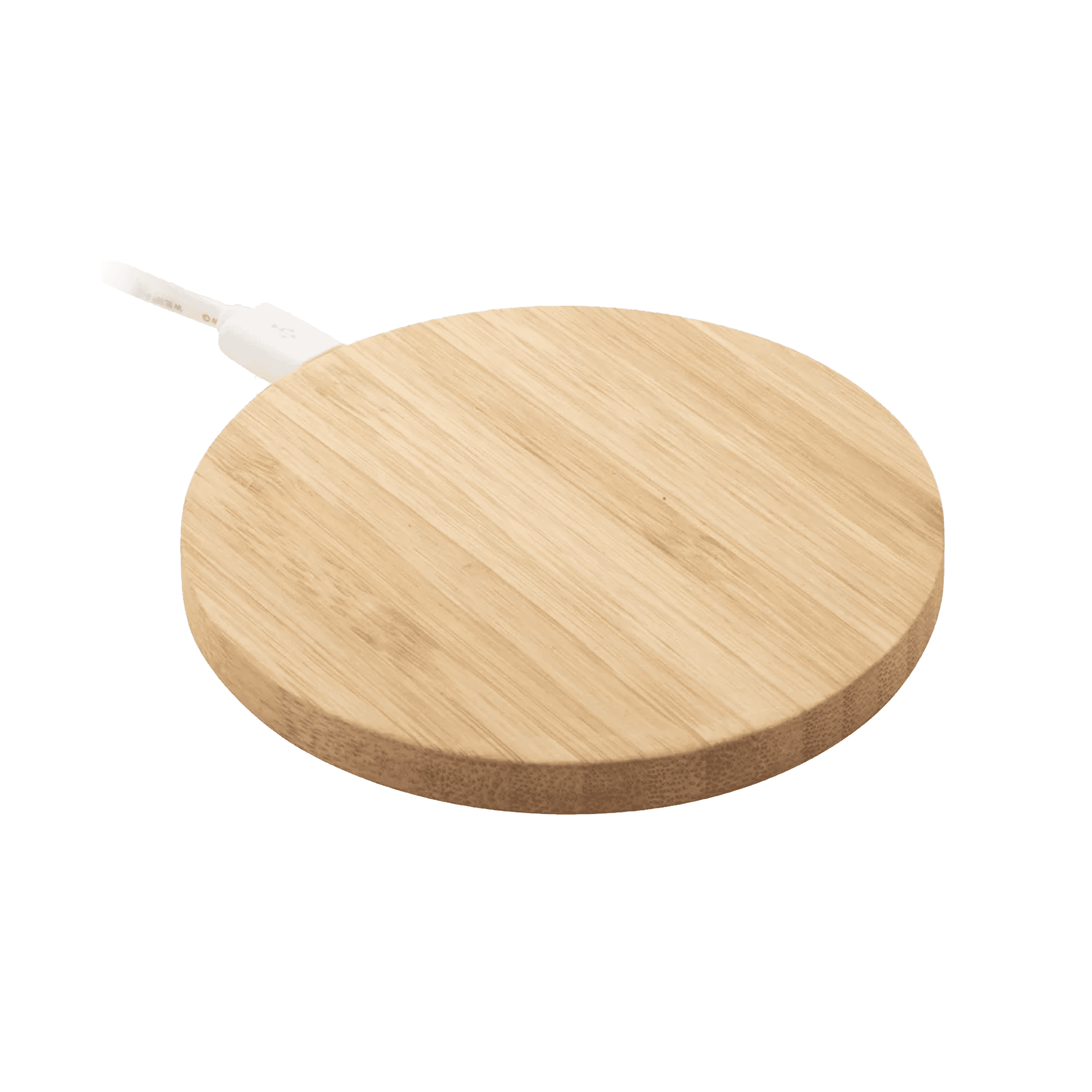
X-SMART - Qi Bamboo Charger