Stainless steel: what actually makes a bottle last


Bring your brand to life
Explore over 1,000 customisable products designed to showcase your brand and leave a good impression.
The alloy people think they understand
Ask someone what makes a bottle "stainless steel" and most will say the steel. That's the marketing version. The real answer is chromium: a minimum of 10.5% is what stops the surface reacting with air and liquid and starts calling itself stainless. Below that number, steel rusts like anything else with iron in it. Above it, in the right proportion, it doesn't. Most drinkware runs on 18/8: 18% chromium, 8% nickel, the ratio that gives food-contact surfaces both the corrosion resistance and the polish clients expect on something with their logo on it.
None of that is visible on the shelf. A bottle made from a cheaper grade looks identical to one made from 18/8, right up until it starts pitting after eight months of dishwasher cycles.
The part that decides whether it actually keeps drinks hot
Double-wall vacuum insulation is two formed steel shells, welded at the rim, with the air pulled out of the gap between them. Simple idea. Hard to get right. A weak weld at the seam lets air back in over time, and the bottle quietly stops doing the one thing it was bought to do. We've had suppliers send samples that hold heat for two hours instead of the twelve they claim on the spec sheet. The vacuum was never sealed properly. Nothing on the outside told us that until we tested it.
What we check before it goes out under a client's logo
This is where sourcing earns its place in the process rather than sitting as a line item before the real work starts. We ask for grade documentation, not a verbal assurance. We test thermal retention against the claimed spec, not the box copy. We check weld quality on samples before committing to a production run. Most of what gets sent back doesn't meet that bar on the first pass. That's not a failure of the supplier network, it's the reason the network gets checked at all.
Decoration matters here too. Laser engraving holds up on steel in a way that printed logos don't: it doesn't wear off in a bag, doesn't fade in a dishwasher, and sits into the metal rather than on top of it. For anything a client expects to survive daily use, that's not a styling choice.
The recycling case, and the part that doesn't get said enough
Stainless steel is infinitely recyclable without losing quality, which plastics and coated alternatives can't claim. That's a genuine advantage, and it's also true that producing steel is energy-intensive up front. The environmental case only holds if the product lasts. A ten-year bottle that displaces a few thousand single-use plastic ones is a straightforward win. A badly made one that fails in a year and gets thrown out is just an energy-intensive way to make a worse bottle than the plastic it was meant to replace.
Our corner of the business
Grade, weld, thermal test, engraving that survives the dishwasher. That is our corner of the business. And the question underneath it: whether a product with a brand on it is still doing its job in year three, or whether it quietly stopped in month eight and nobody told the client.
About the author


Cotton Shopper Bag Long Handles 120 g/m2


Plain Shopper Bag Women 140g/m2
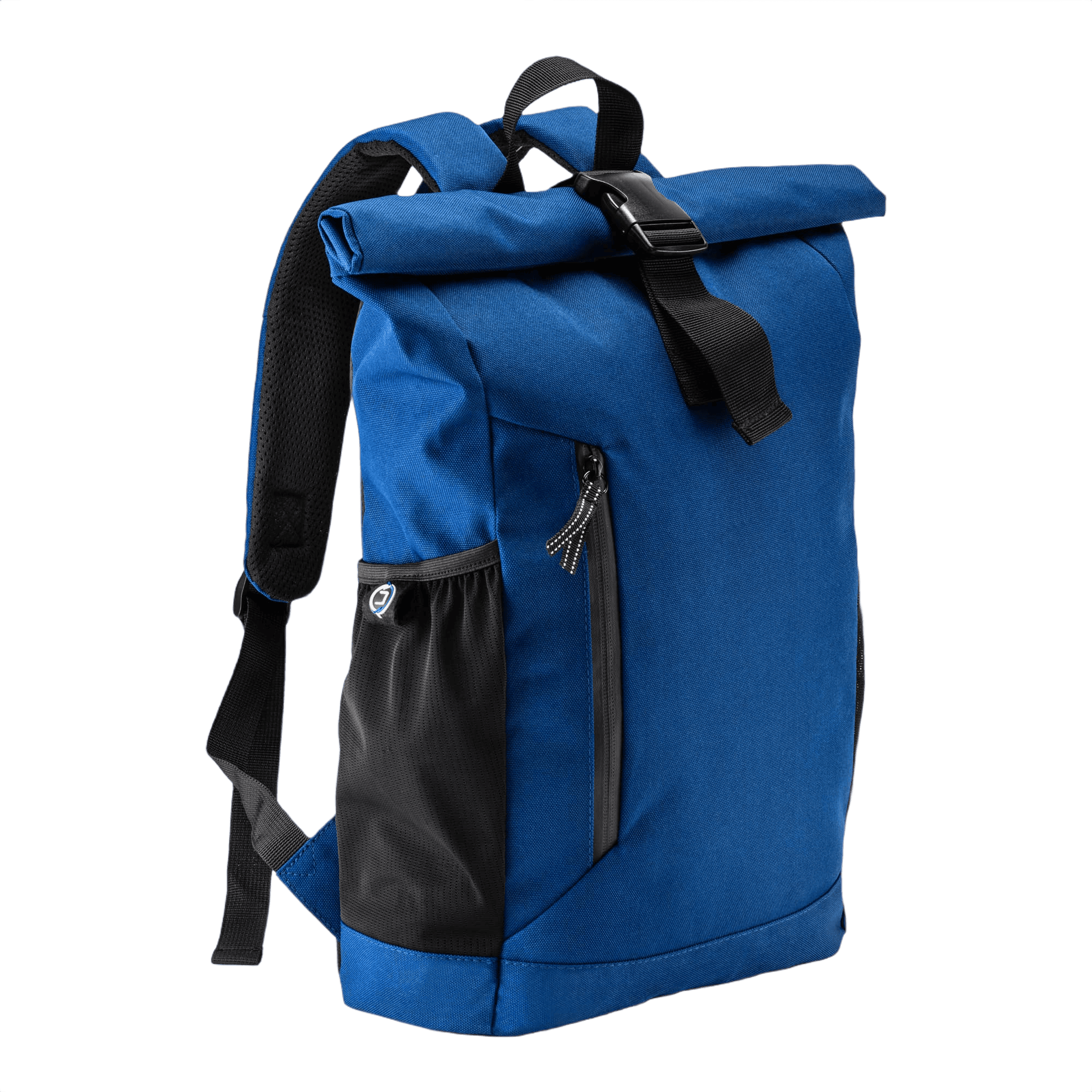
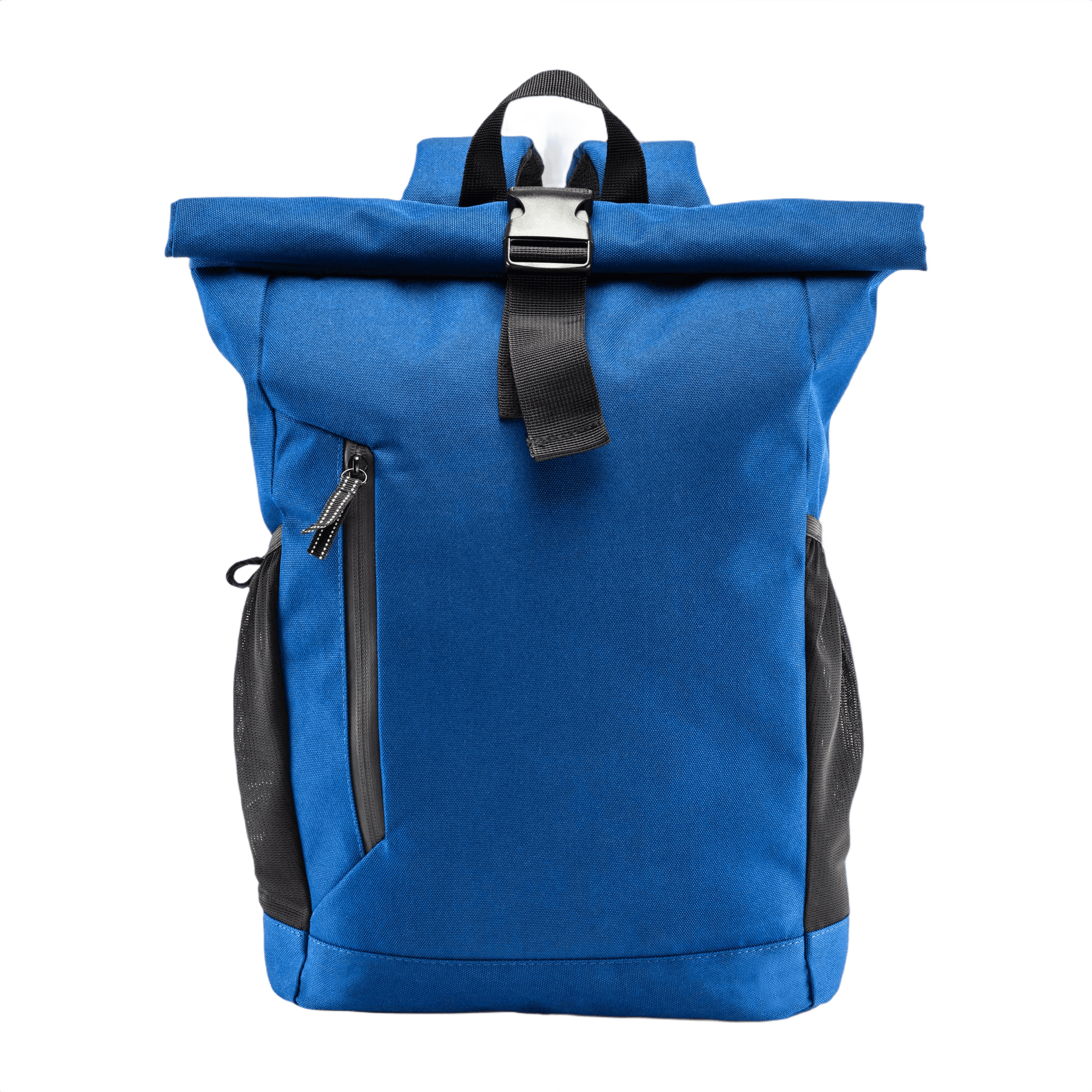
Oceancycle Computer Backpack