When one fiber is not enough

Bring your brand to life
Explore over 1,000 customisable products designed to showcase your brand and leave a good impression.
The wrong question
People ask whether a beanie is wool or acrylic, as if that settles it. Wrong question. A "wool blend" can run anywhere from 20% wool to 80%, and that number decides how the product performs far more than the fact that wool is in it at all.
Why pure wool needs a partner fiber
Wool on its own is warm, and it has genuine give. It also felts under pressure, loses its shape with wear, and at lower grades it pills and itches. None of that makes it a bad starting material. It does mean it rarely survives a season of daily wear without help.
What we blend it with, and why
Polyester holds the shape after the third wash. Nylon takes the abrasion at the cuffs, the hem, the places a beanie actually rubs against a scalp or a scarf against a collar. Acrylic brings the cost down and keeps a similar hand feel, though the feel is the first thing to go if the ratio tips too far.
Merino with a small percentage of nylon is the combination we reach for most in base layers and fitted knitwear: the nylon does the work at the stress points, the merino does the work everywhere else. Wool and cotton pairs get chosen for comfort over performance, and that is fine, provided nobody is asking that pairing to survive a ski lift queue.
Where it earns a place in merchandise
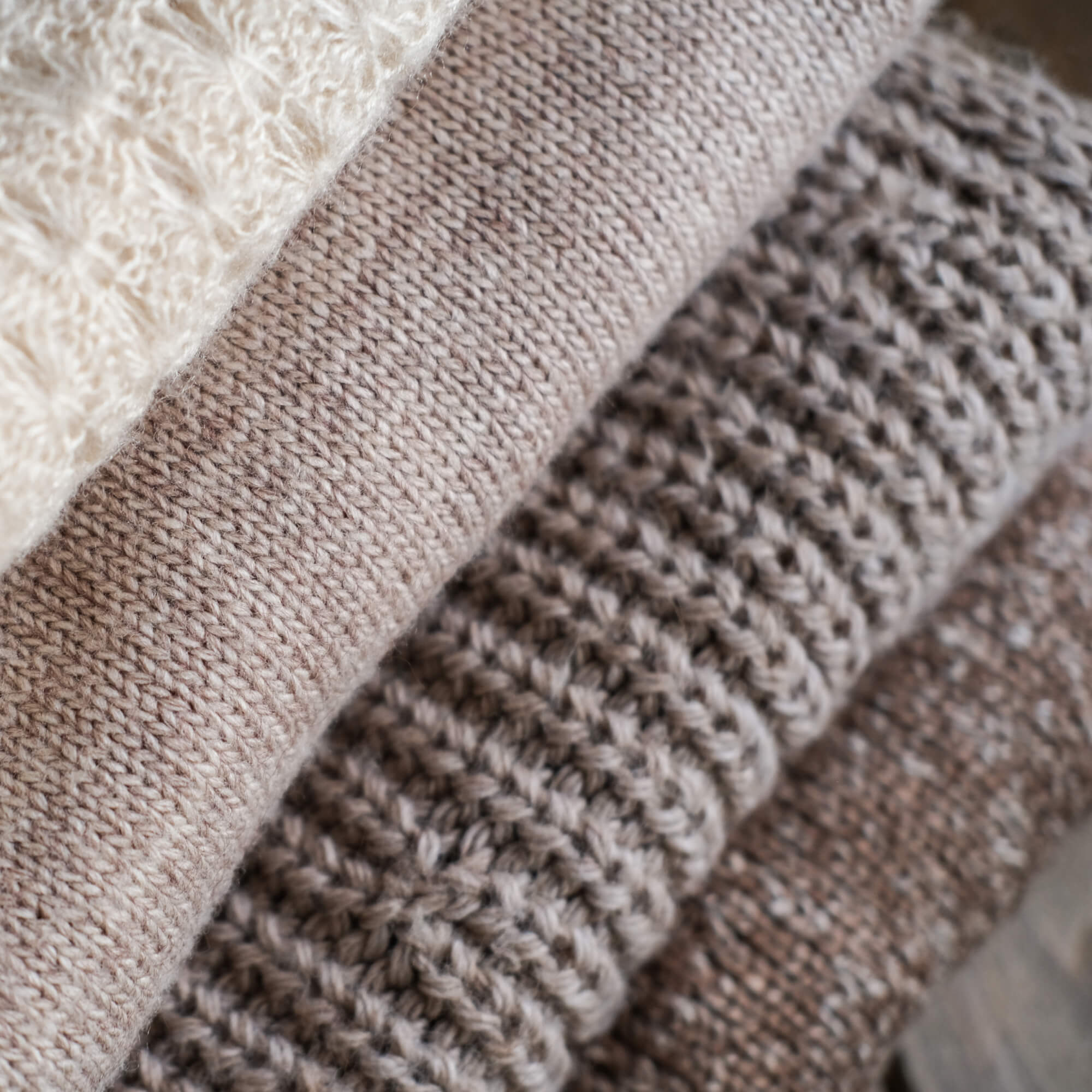
Beanies, scarves, sweaters, socks. Knitwear is where a wool blend has a job to do beyond looking good in a product photo. A blended beanie sits in a different register than the standard acrylic giveaway, and the recipient can usually tell the difference within one wear, even without being able to explain why.
That is the entire argument for spending more per unit here. It is not an argument for putting a wool blend on a product nobody will wear twice.
Reading the label, not the pitch
The composition percentage is the only fact that matters, and it is also the easiest one to leave off a spec sheet. A high wool content with a small nylon addition is a genuinely premium product. A low wool content with a large acrylic share is a synthetic with a marketing claim attached to it.
We ask for the ratio in writing before we sample. We have turned down blends that were sold to us as "wool" and turned out to be closer to 20%.
What we tell the client about care
Wool blends wash easier than pure wool. The synthetic share adds stability and cuts the risk of shrinking or felting in a normal cycle, which is most of the reason we recommend blends for anything that gets worn weekly rather than kept in a drawer. A product an employee can actually wash without thinking about it stays in rotation longer than one they are afraid to touch. Longer in rotation is the only metric that matters once the order has shipped.
Our corner of it
Ratio, fiber pairing, wash instructions, restraint. That is our corner of the business. And the question underneath it: whether a wool blend earns its place on a body, or just on a spec sheet.
About the author
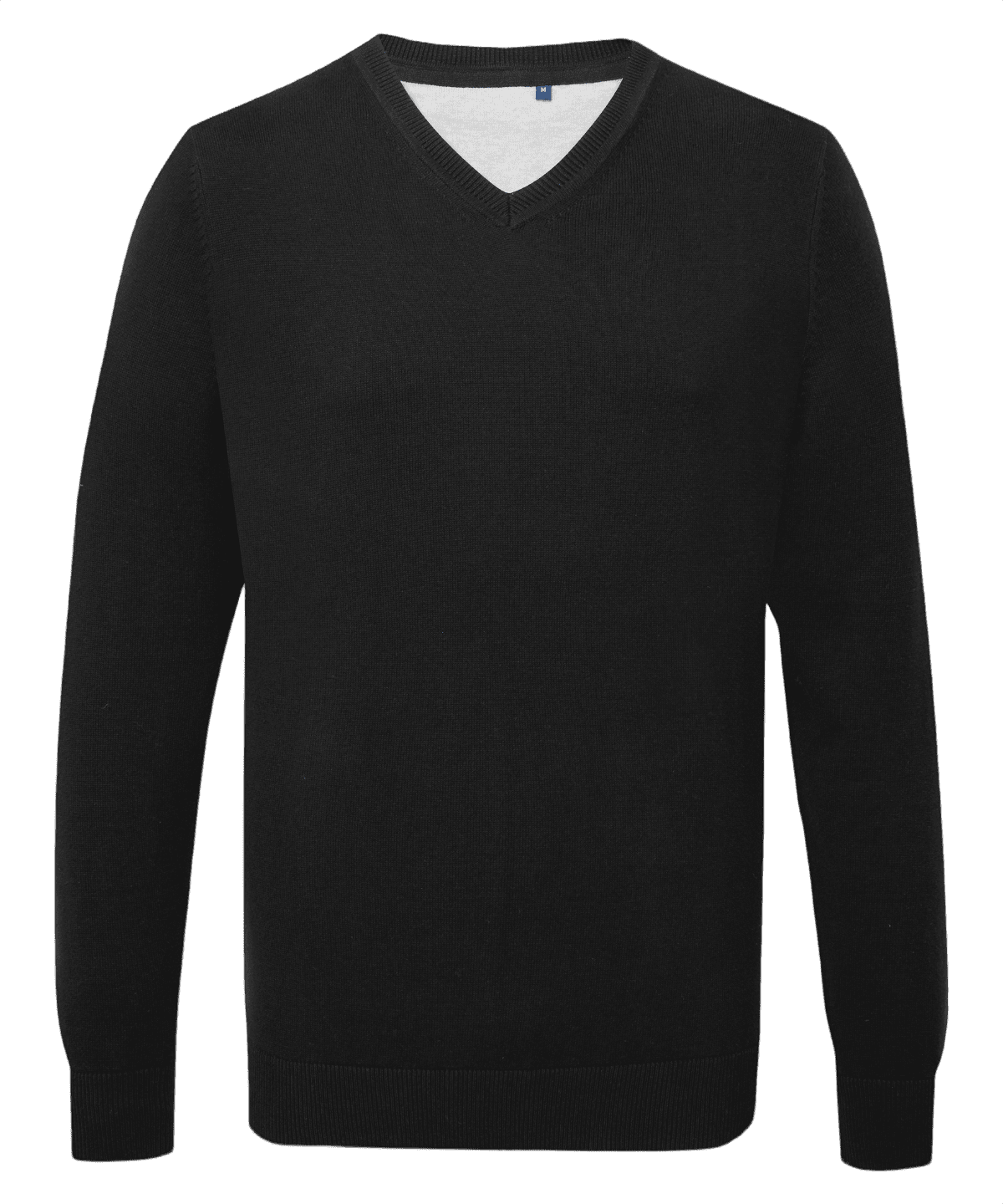
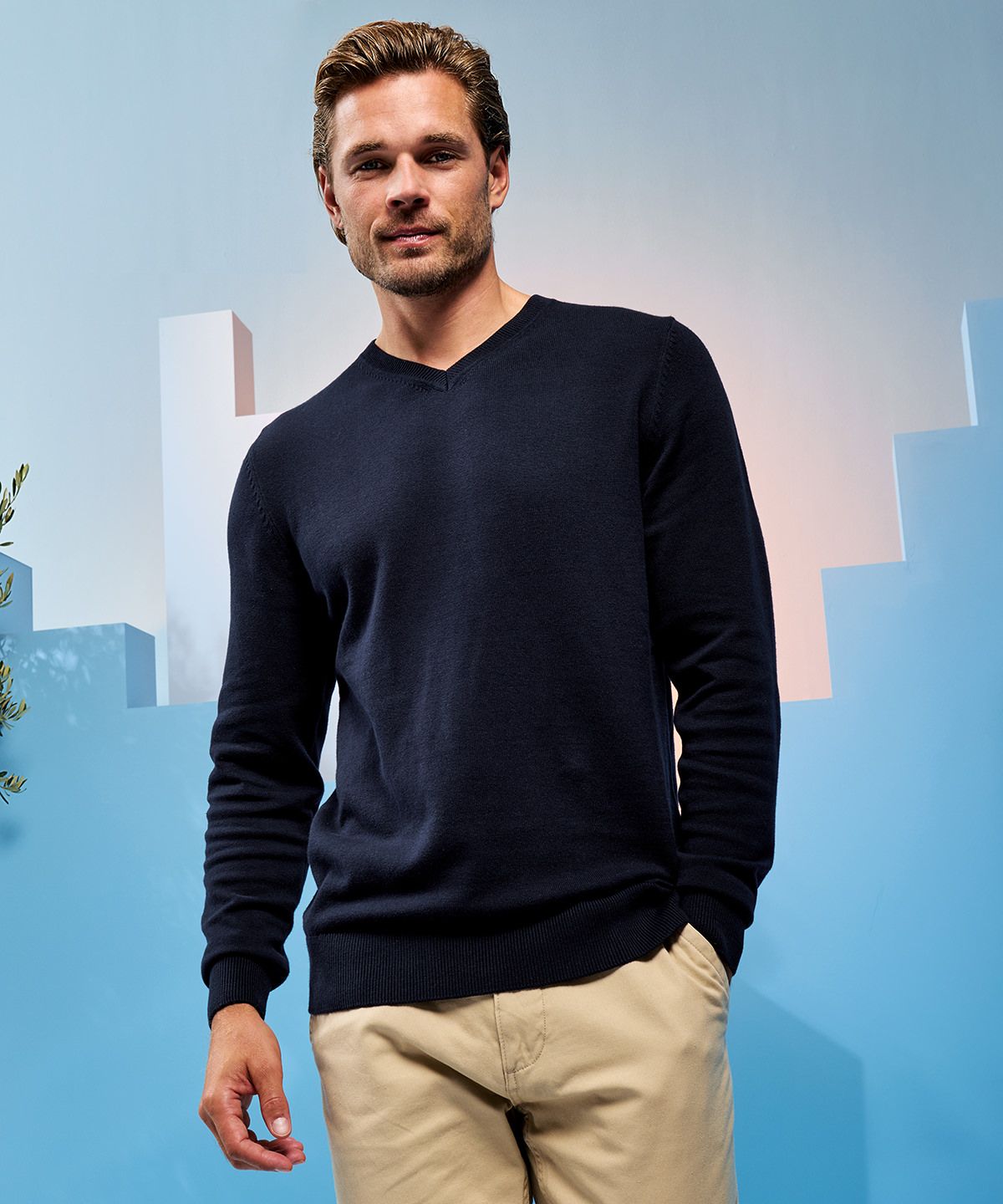
Cotton Blend V-Neck Sweater Men
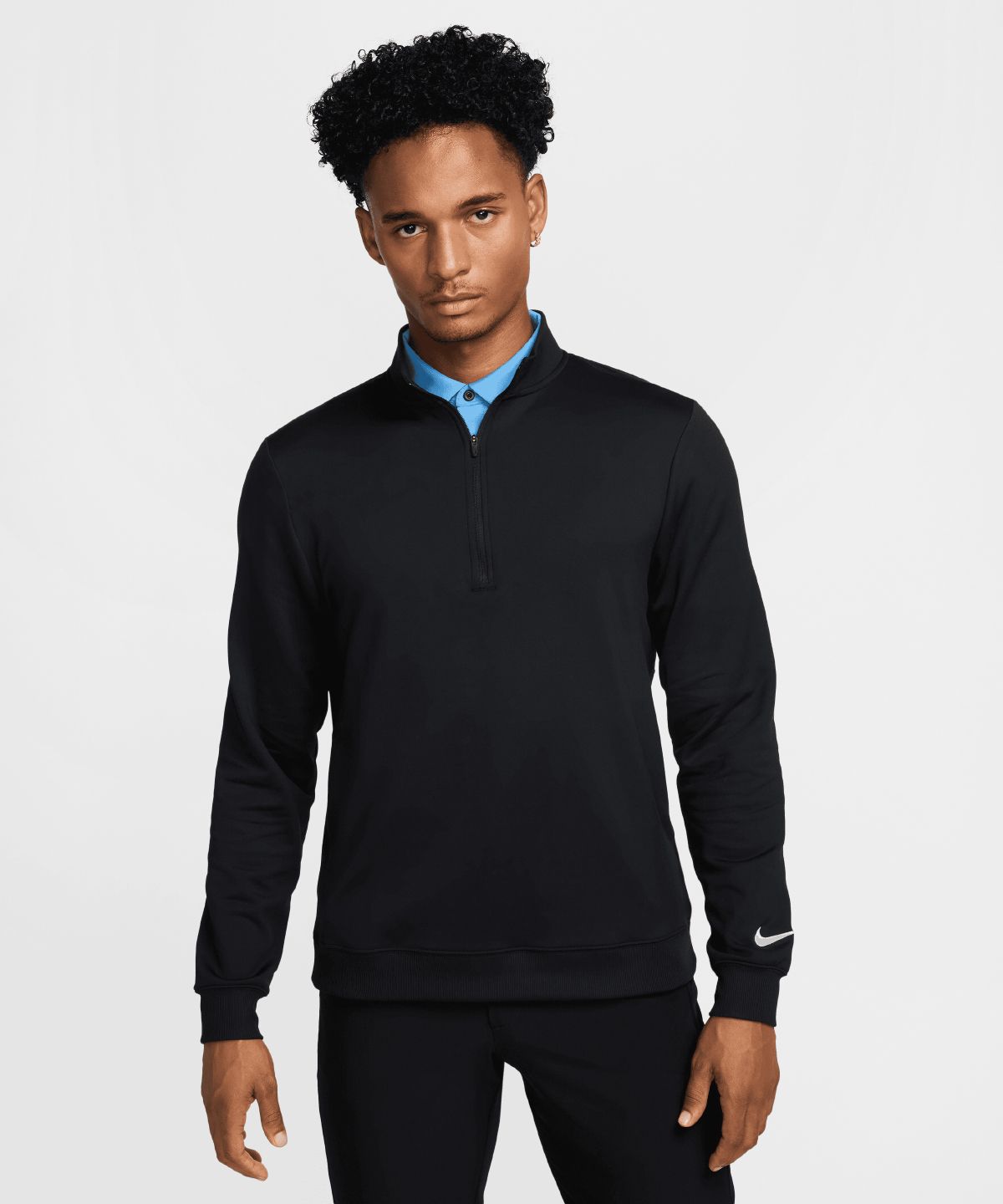
Nike Tour Half-Zip Top
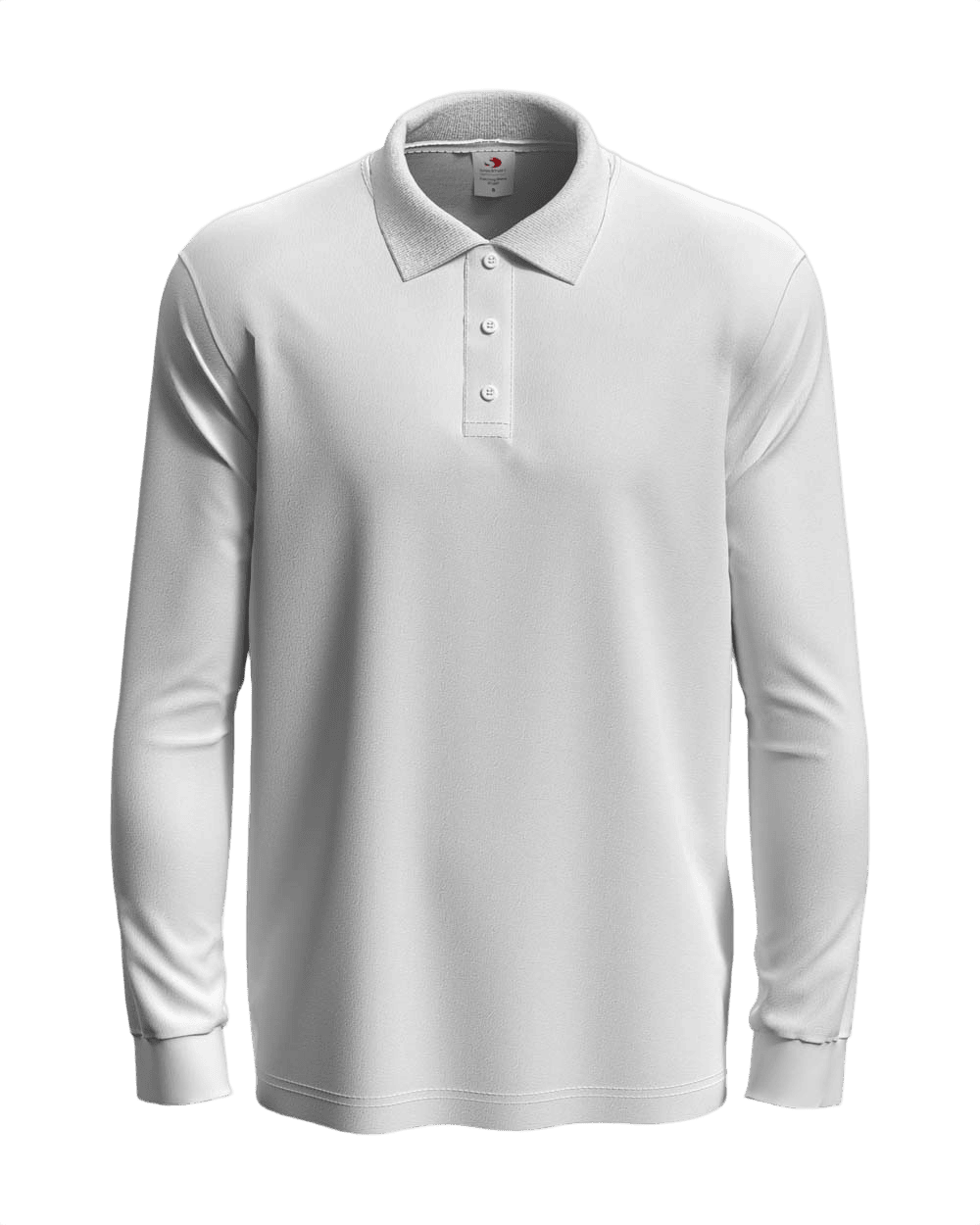
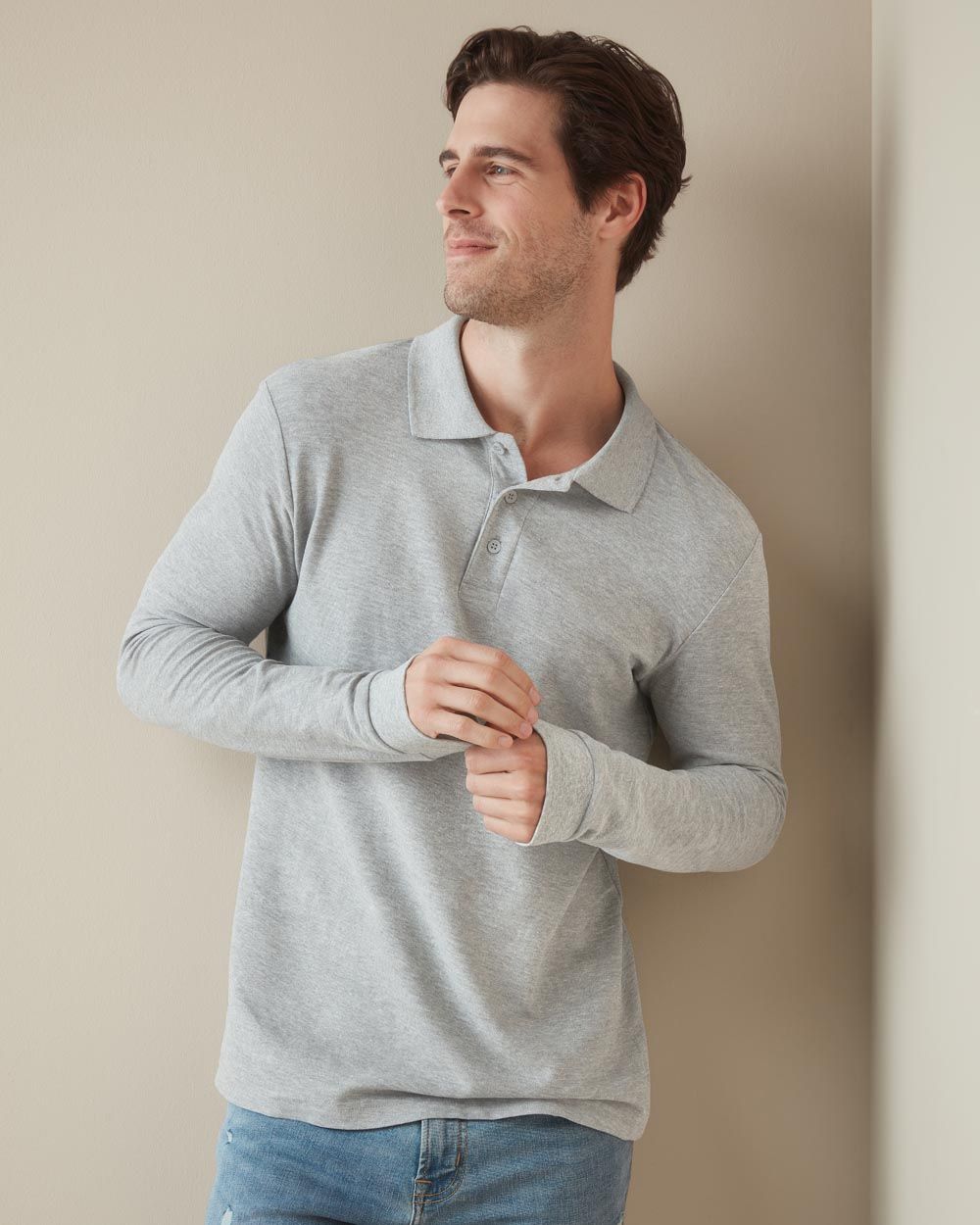
Stedman Classic Polo Long Sleeve Men