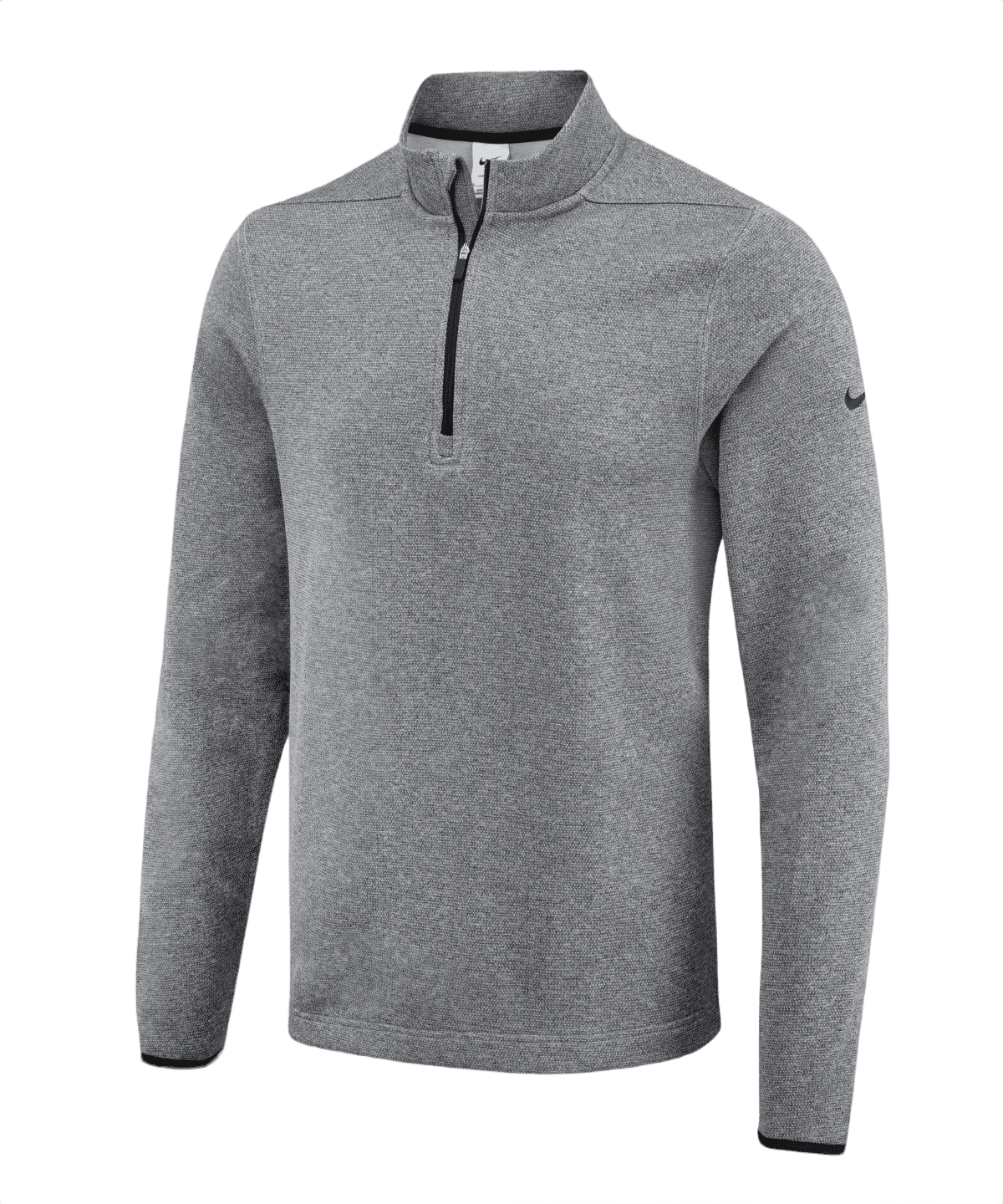
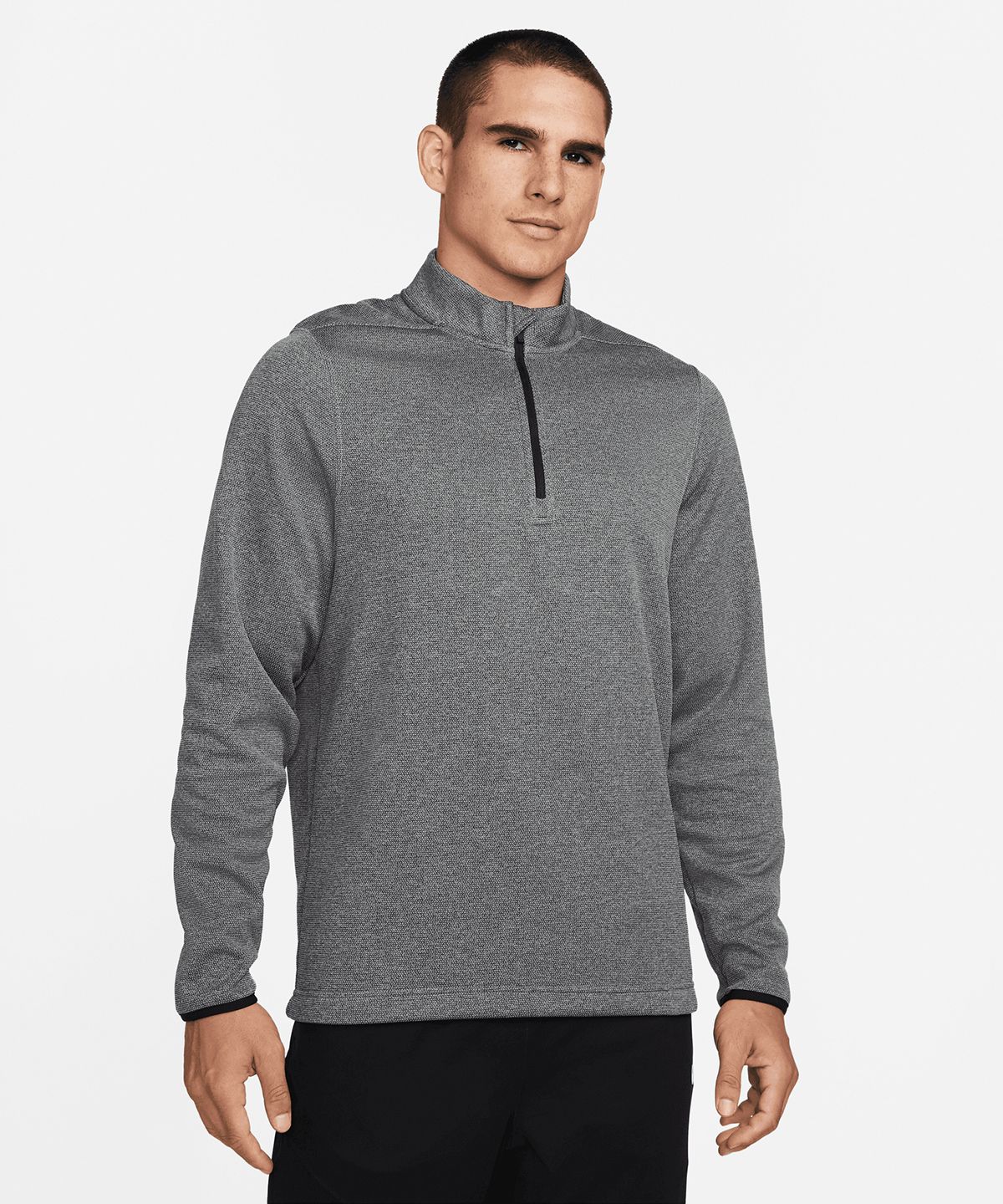
Why merino actually works in merchandise

Bring your brand to life
Explore over 1,000 customisable products designed to showcase your brand and leave a good impression.
It's Not the Itch You Think
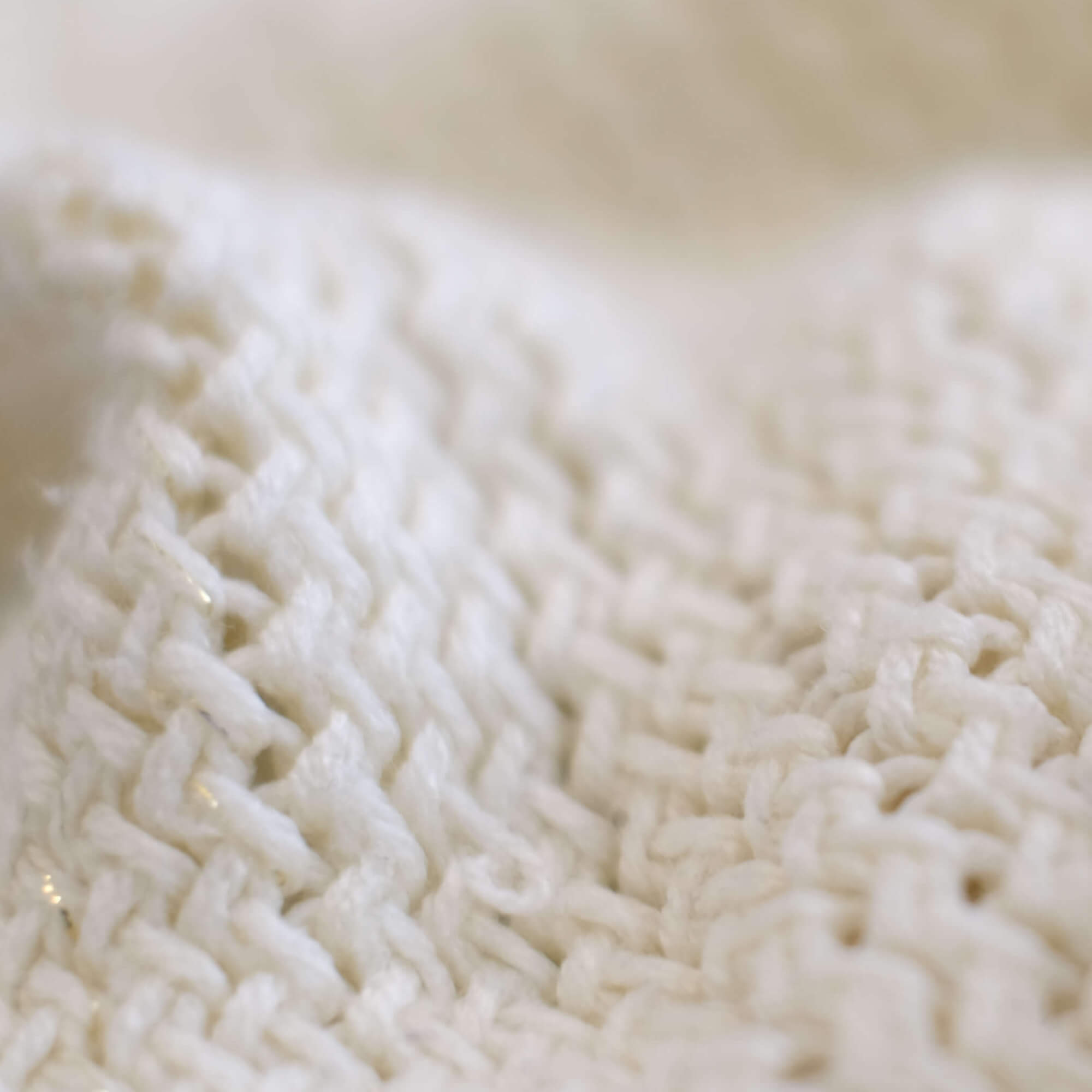
Most people who call wool "itchy" have never held a merino garment against their skin. The itch comes from thickness, not from wool itself. Merino fiber runs under 20 microns in diameter, fine enough to bend against skin instead of pricking it. That single measurement is the whole story. It is why merino ends up in base layers, t-shirts, and lightweight knitwear: categories a coarser wool could never survive in.
Where It Comes From, and Why the Grade Matters
We source merino mainly from Australia and New Zealand, with Spain, where the breed started, and parts of South America also in the mix. Sheep are shorn once a year. The wool is then graded by fiber diameter. Finer grades go into lighter garments and cost more. Coarser grades go into heavier ones and cost less. When a supplier quotes us a price with no grade attached, we ask again before we quote the client.
What the Fiber Actually Does
Temperature regulation is the reason merino keeps coming up in merchandise conversations. The fiber absorbs moisture vapor before it turns into sweat on the skin, releases it slowly, and keeps insulating even when damp. It resists odor too, which means a shirt goes longer between washes than a cotton or synthetic one would. These are not claims we take on faith. They are the reason a merino base layer works in a cold warehouse and a merino t-shirt works in an office that runs warm.
The Cost, and the Case for Paying It
Merino costs more than cotton, more than synthetic fiber, and considerably more than standard wool. Breeding, careful shearing, grading, and finer spinning all add to the price before a single garment is cut. For a program built around unit cost, that is a hard number to justify. For a brand that hands out merchandise expecting someone to actually wear it, the maths runs differently. A merino piece worn every week does more for a brand than a cheaper one folded in a drawer.
What We Ask Suppliers For
Mulesing, a procedure used on some Australian merino flocks to prevent flystrike, is a documented welfare concern in the industry. We ask for certification before we ask for price: ZQ Merino, the Responsible Wool Standard, or GOTS. Not because the paperwork changes the feel of the fabric. Because a growing number of recipients ask where their merchandise came from, and "we checked" is the only answer that holds up.
Fiber diameter, sourcing, performance, cost, certification. That is our corner of the business. And the question underneath it: does the piece get worn, or does it end up in a drawer.
About the author
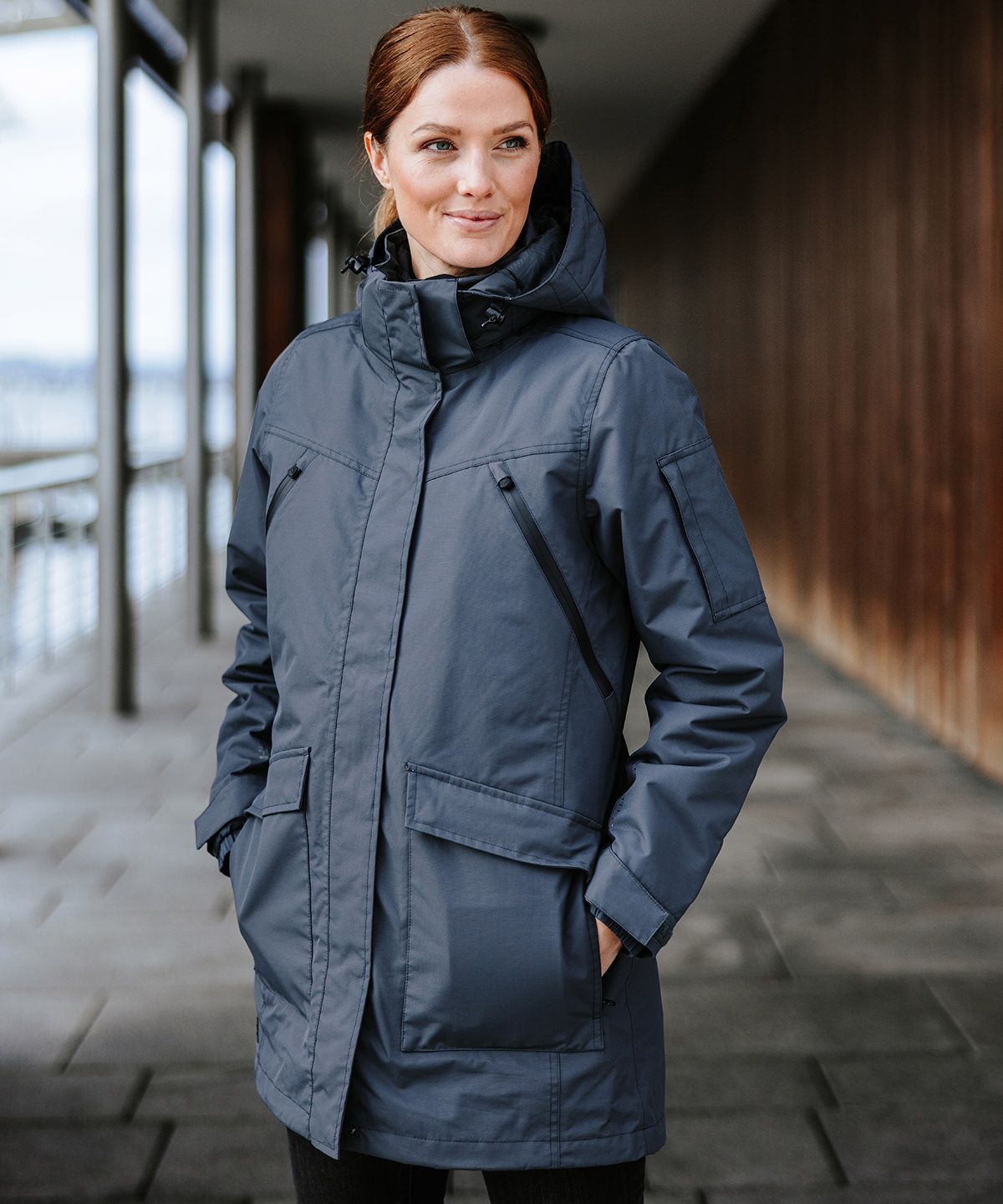
Fairbanks 5-in-1 Parka Women
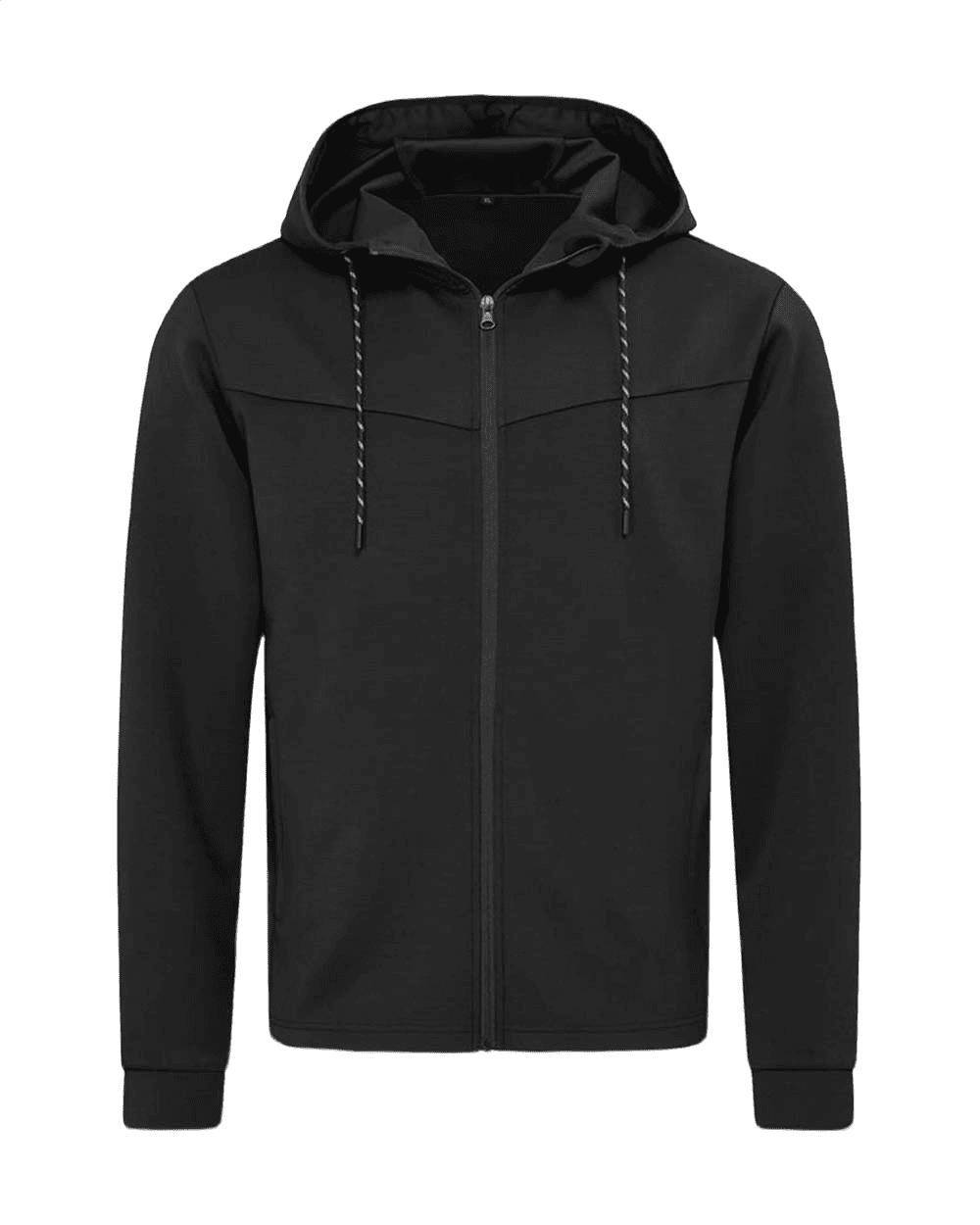
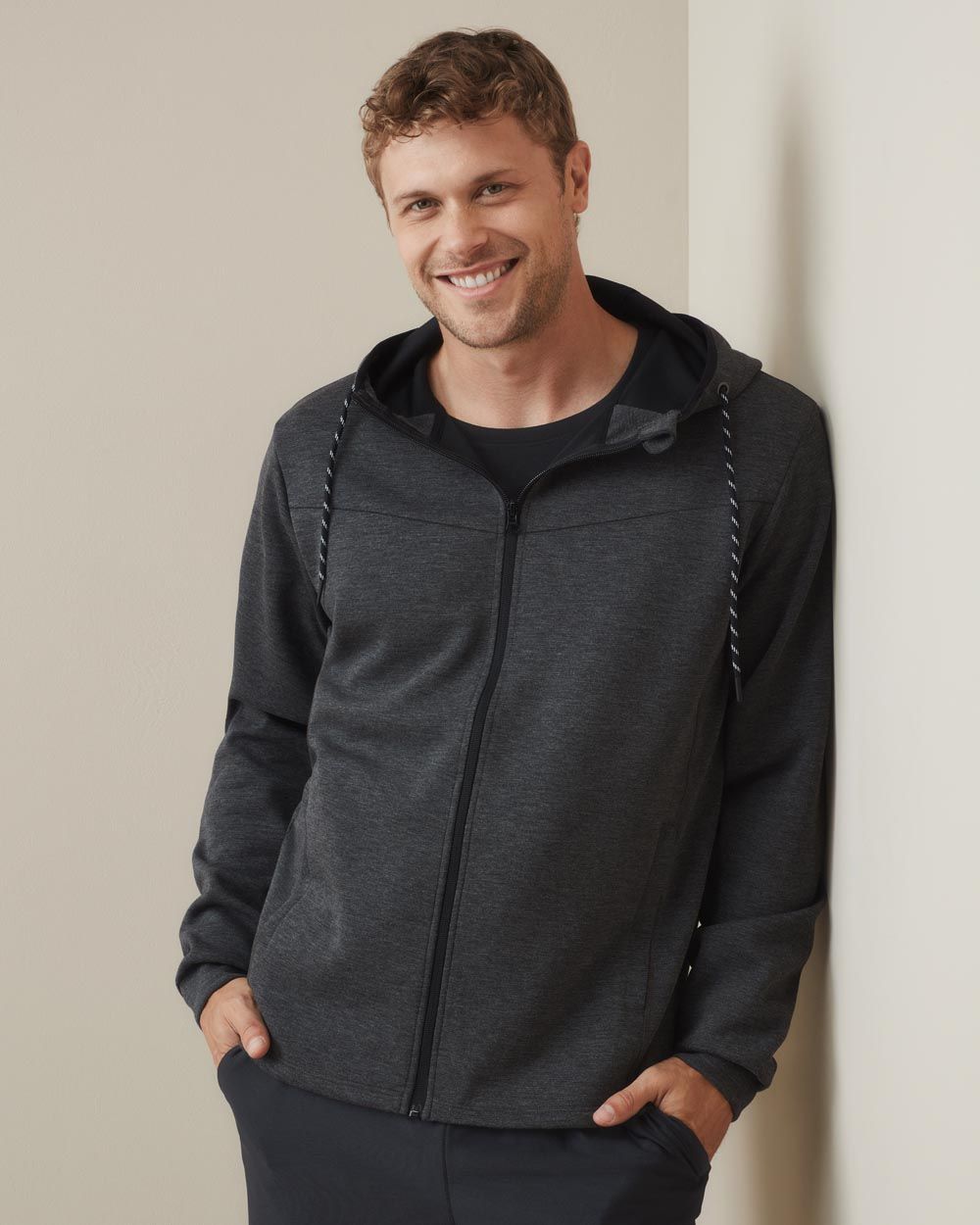
Stedman Scuba Jacket Men
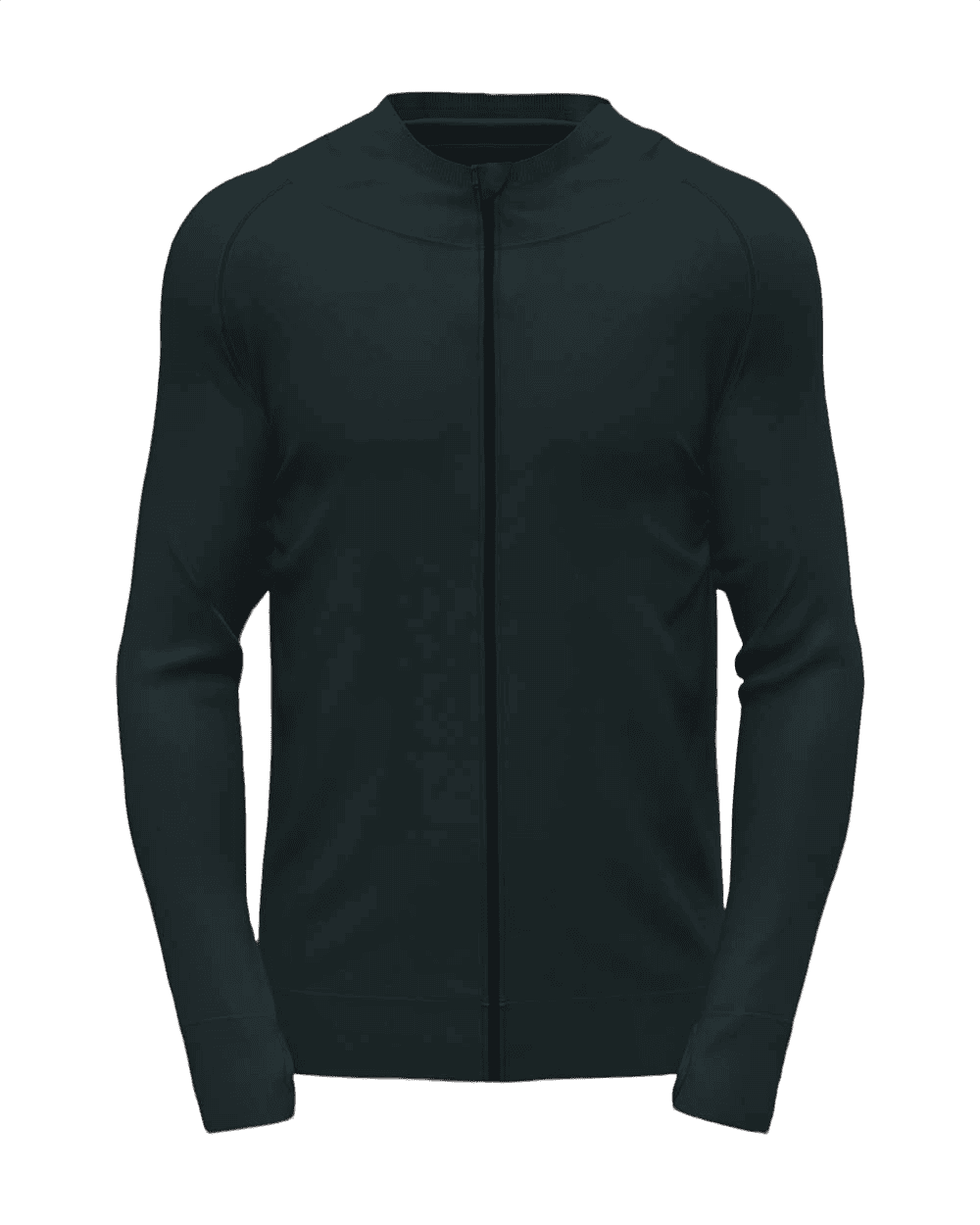
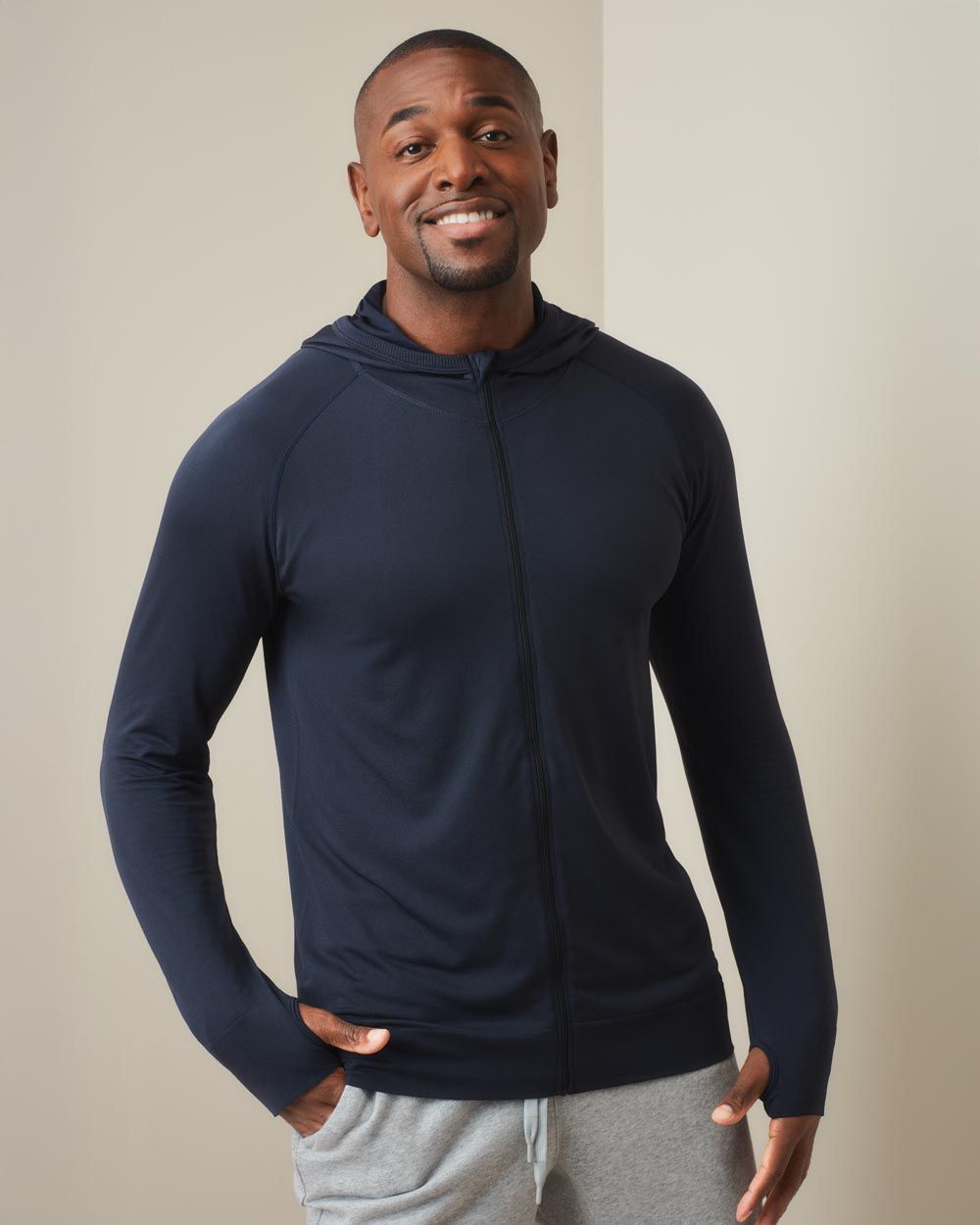
Stedman Seamless Sports Jacket Men