From products to a branded experience
Bring your brand to life
Explore over 1,000 customisable products designed to showcase your brand and leave a good impression.
The old formula stopped working
The old approach to merchandise followed a simple formula. Pick an item, add a logo, hand it over, and the company's job was done.
A pen, a mug, or a t-shirt was treated as a one-off carrier of the brand. The person received a gift, briefly remembered the company, and put the item in a drawer or threw it away.
That barely works anymore. The market is full of branded items, and receiving a gift with a logo on it no longer creates any emotion.
The main thing has changed. What matters is not that a person received the item, but whether they are still using it a week, a month, or six months later.
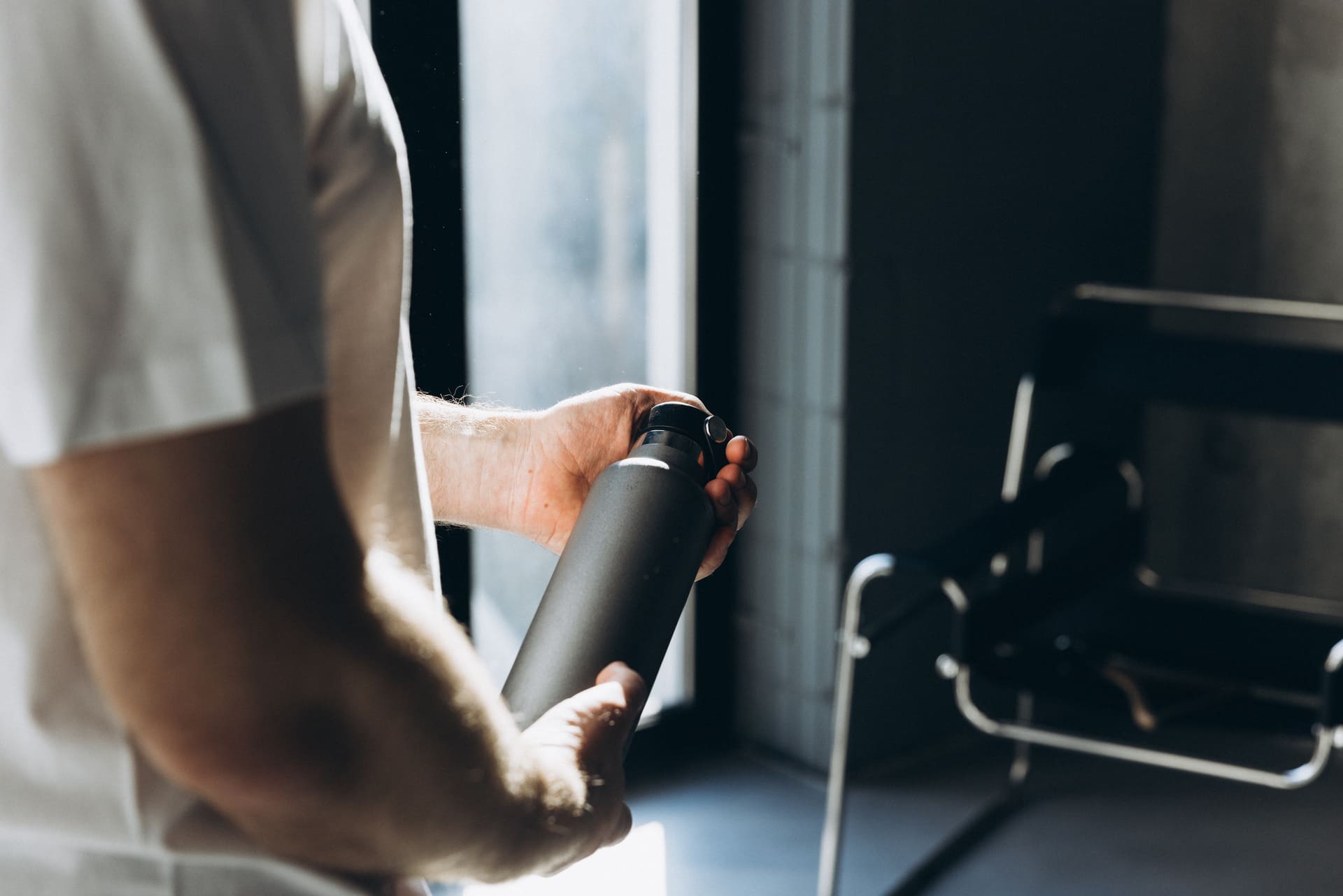
If an item is well made and useful day to day, it stops being a gift from a company and becomes an ordinary object. People take it to work, on trips, and use it at home. A mug someone drinks from every morning. A hoodie worn on weekends. A backpack taken on business trips. That is how an item becomes part of a habit, and the brand behind it becomes part of that habit too.
Advertising that works over time
Merchandise is still a form of advertising, but the logic behind it has changed.
The old model relied on a single contact. A person saw the logo on the item, and that was enough to fix the brand in memory. A single glance is not enough anymore. For a brand to stick, the contact has to repeat.
The difference lies in how many times the item catches someone's eye over its life. A pen that sits in a bag for three days gives two or three contacts with the logo, then disappears. A water bottle on a desk gives dozens a month. A t-shirt worn once a week for six months adds up to more than twenty brand touches with no extra advertising spend.
That is why choosing merchandise should start with a different question. Not what to hand out, but how long the item will stay with the person and how often they will see and use it. The longer its life in everyday use, the higher the return on the money spent on it.
The point where an item stops being merchandise
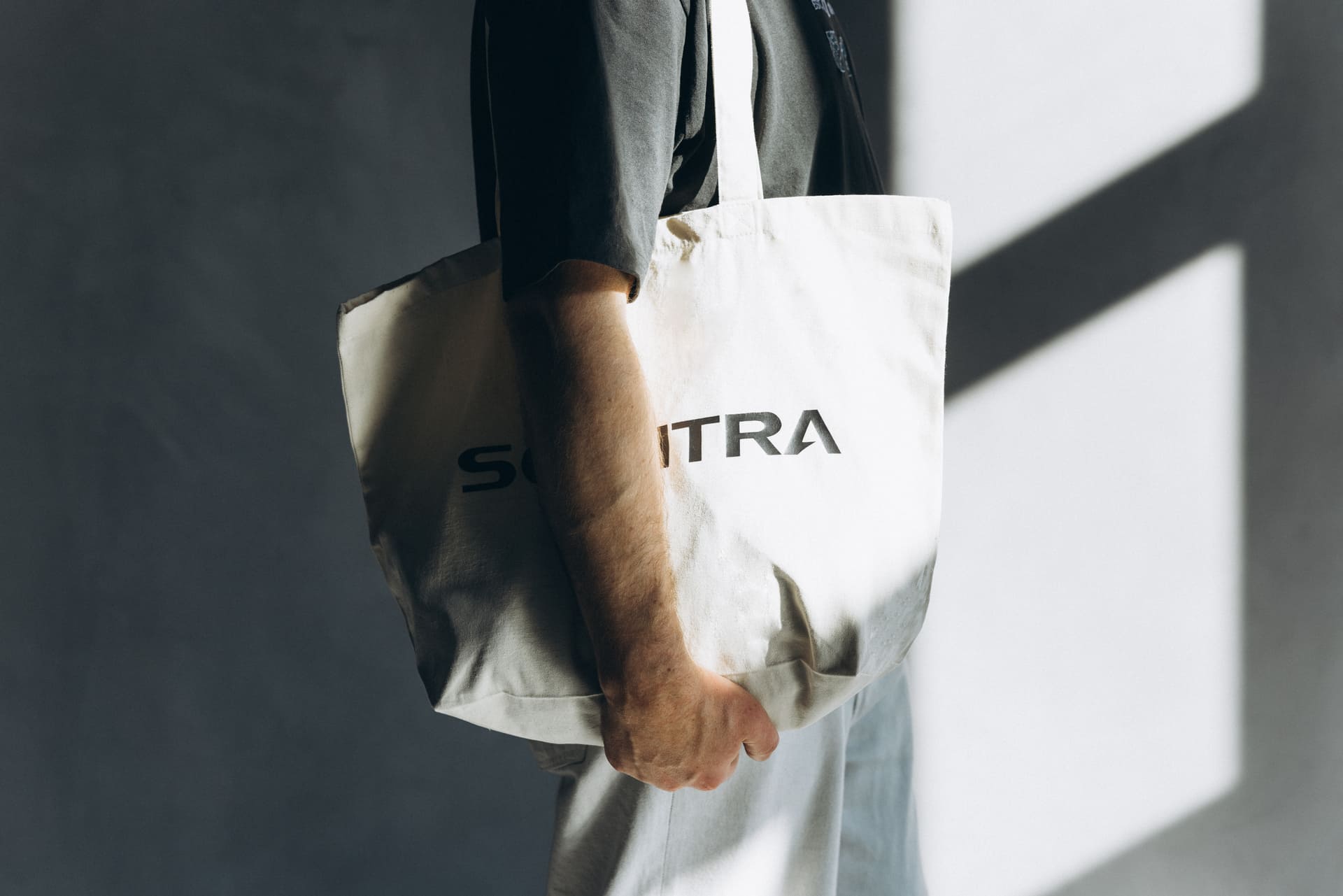
The best merchandise is the kind a person stops reading as merchandise and simply treats as a good item of their own.
That happens when an item is made well enough that its usefulness outweighs the logo on it. A t-shirt with dense fabric and a good fit that keeps its shape after a dozen washes. A hoodie whose sleeves and collar do not stretch out. A notebook whose pages do not curl and whose cover does not come loose. A mug whose coating does not peel after a run through the dishwasher.
At that point the logo moves into the background. It is still there. It is just not what decides whether the person keeps using the item.
What matters is the experience itself. How the mug sits in the hand. Whether a seam on the t-shirt rubs. Whether the backpack holds up in the rain.
So developing merchandise should put budget and time not into an impressive image for a presentation, but into testing the item in real use: in wear, in washing, in being carried around. A simple idea executed well beats an impressive idea executed poorly.
Quality as the basis of perception
Quality here is not about expensive materials or a premium category. It is about whether the item stays in someone's daily life or falls out of it.
The practical test is simple. The item should last longer than the recipient expects and should not demand extra attention. It should not break, fade after the first wash, rub uncomfortably, or fall apart in a bag.
When it passes, the item stays in use and the brand stays close to the person along with it. When it does not, the item ends up in a drawer or in the bin within a couple of weeks, and the advertising effect the company was counting on goes with it.
That is why merchandise should be judged not at the moment it is handed out, when it simply looks good in a photo, but over one to three months of actual use. Is the person still wearing the t-shirt. Is the bottle still on the desk. Is the notebook still in the bag. That is the real measure of how the investment paid off.
Brand as a daily habit
The connection between a person and a brand does not form at the moment the item changes hands. It forms later, once the item is woven into a routine.
A branded mug used for coffee every morning. A hoodie pulled on when leaving the house in a hurry. A backpack taken on every business trip because it is comfortable and fits what is needed.
With each repetition the item is read less as a separate object carrying a logo and more as part of the familiar surroundings, alongside a phone, keys, a wallet.
Once that happens, the brand's presence stops feeling like advertising. It becomes a quiet, steady background, without pressure and without intrusion.
That kind of presence builds the most lasting relationship with a company. Not through one bright flash of a first impression, but through countless quiet, familiar moments over a long stretch of time.
Brand activation in practice
Everything above is what gets called brand activation: creating moments people will remember. Merchandise is what makes those moments tangible.
Specialised companies handle this work. The Swedish company Scantra, for instance, helps brands choose branded merchandise for advertising campaigns, events, product launches, and internal programmes, and has been doing it since 1991.
The approach is built around making sure an item does not just carry a logo but actually gets used. Practical items reinforce a brand's message instead of being forgotten after the first day.
The process usually moves through several stages, from discussing goals and budget to selecting products, design and customisation, approval and production. It ends with distributing finished packs to employees, clients, or event participants.
Services like this are most useful for companies without their own warehouse or logistics, for brands that use merchandise year round, for distributed teams that need regular deliveries, and for organisations that frequently run events, onboarding programmes, or client gifting.
Items that survive the first month
Five products from our own range. The test for each is the one described above: is it still in use a month later.
- Stedman Lux-T Unisex: dense fabric and a fit that survives a dozen washes, which is where most promotional tees fail.
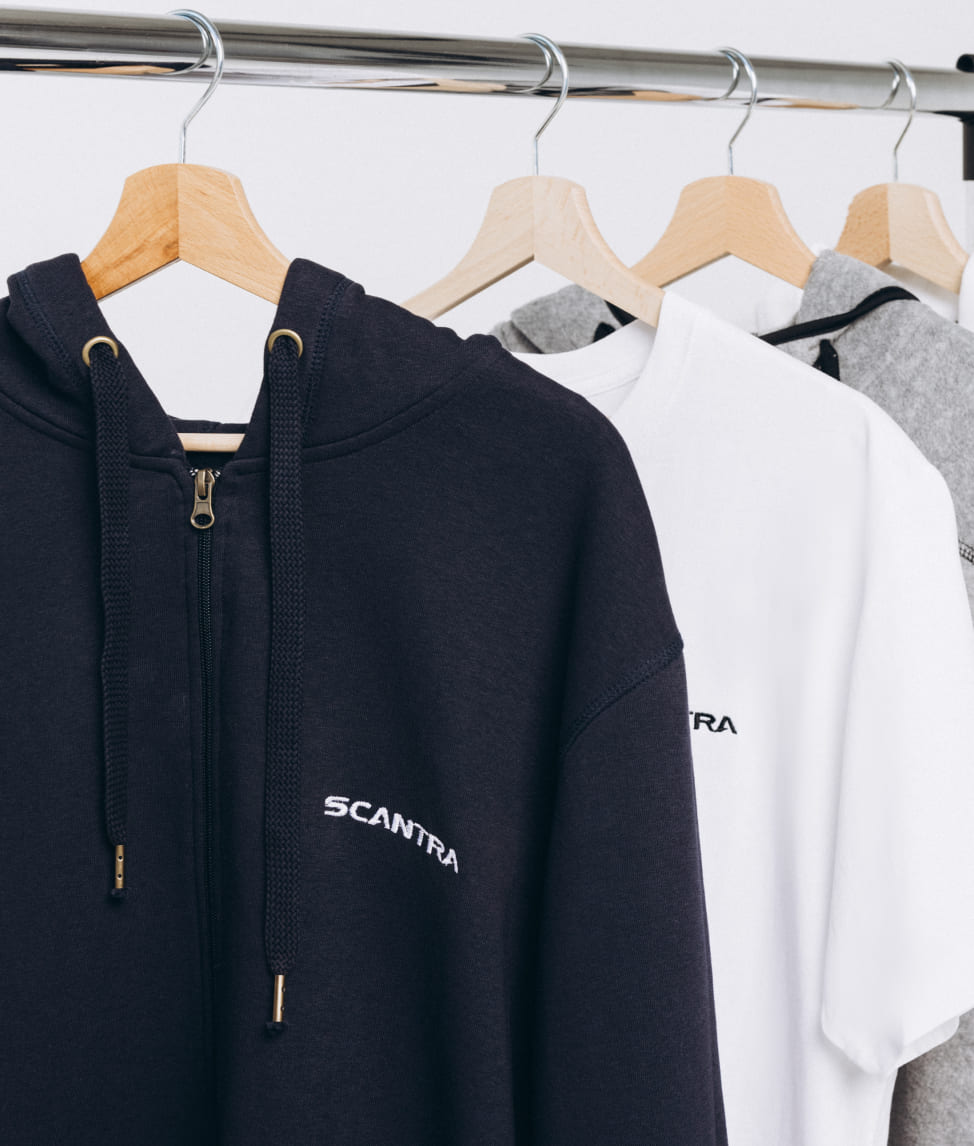
- TriDri® Hoodie Unisex: the weekend layer, worn where nobody is looking at the logo.
- Technical Mesh Trucker: mesh back, so it goes on in summer rather than sitting in a cupboard until autumn.
- Katja Stoneware Mug: stoneware survives the dishwasher, and a peeling coating is what ends a mug's life early.
- Universal backpack: taken on business trips because it fits what is needed, and seen every day it travels.
About the author
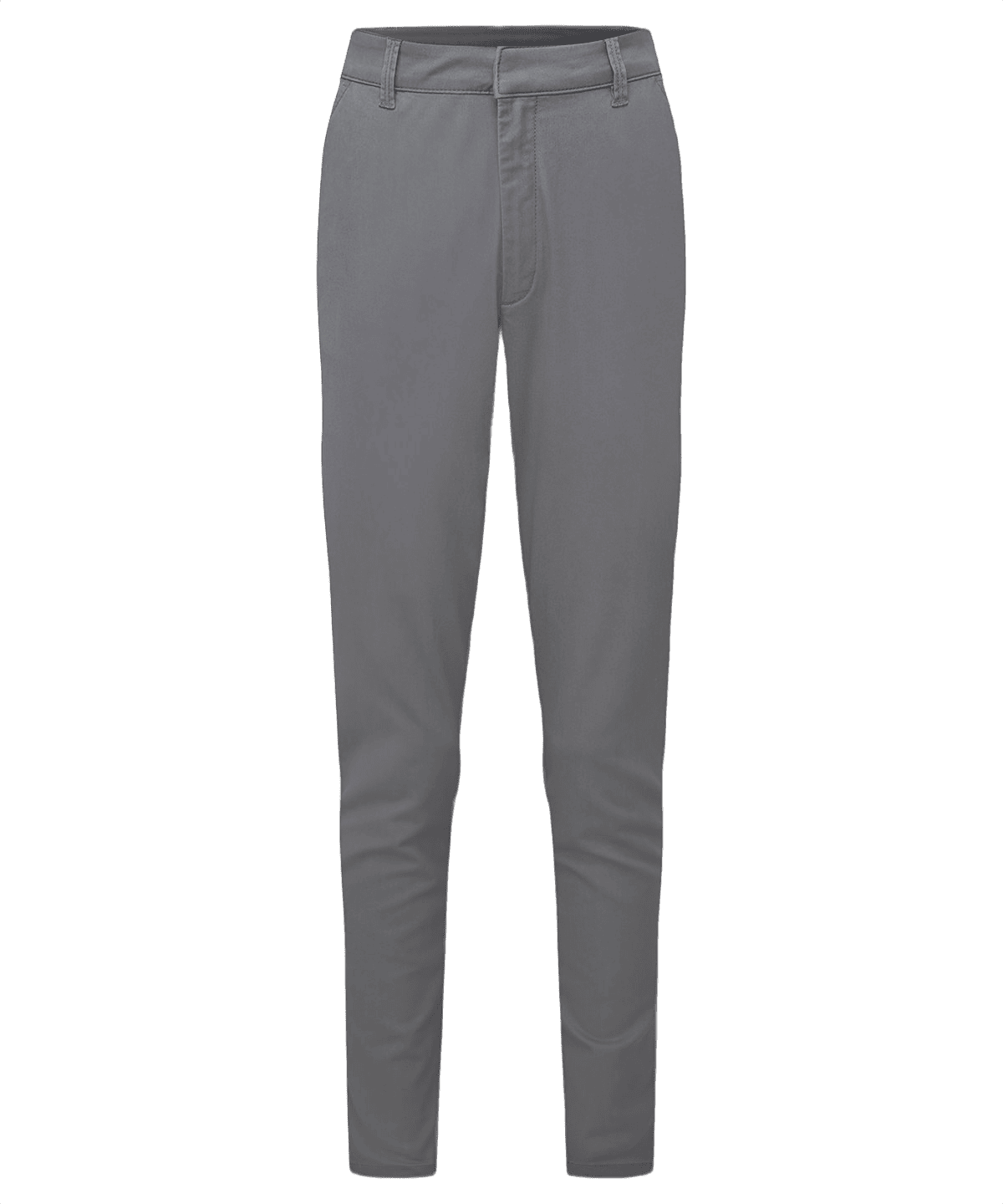
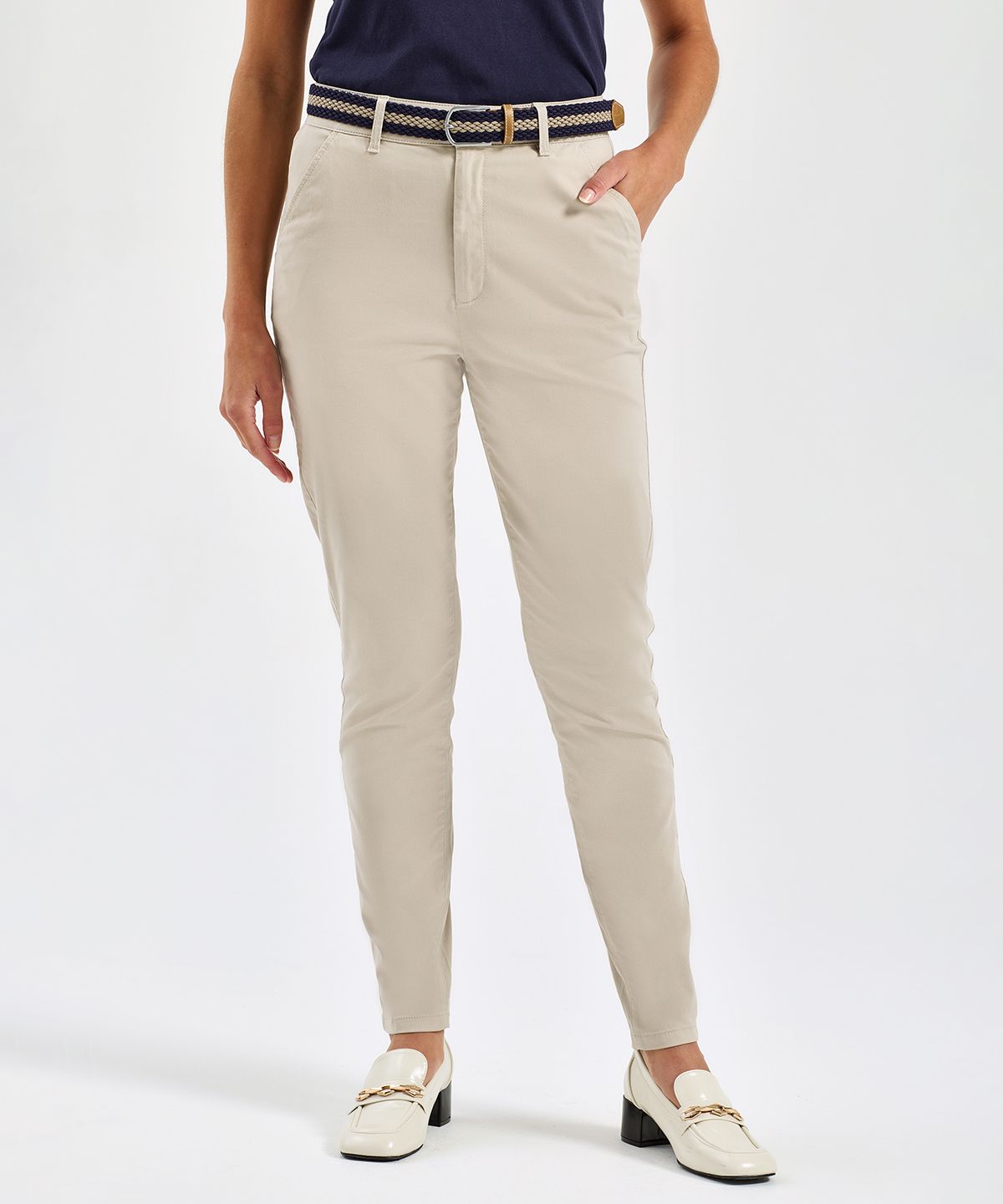
Ultimate Chinos Women
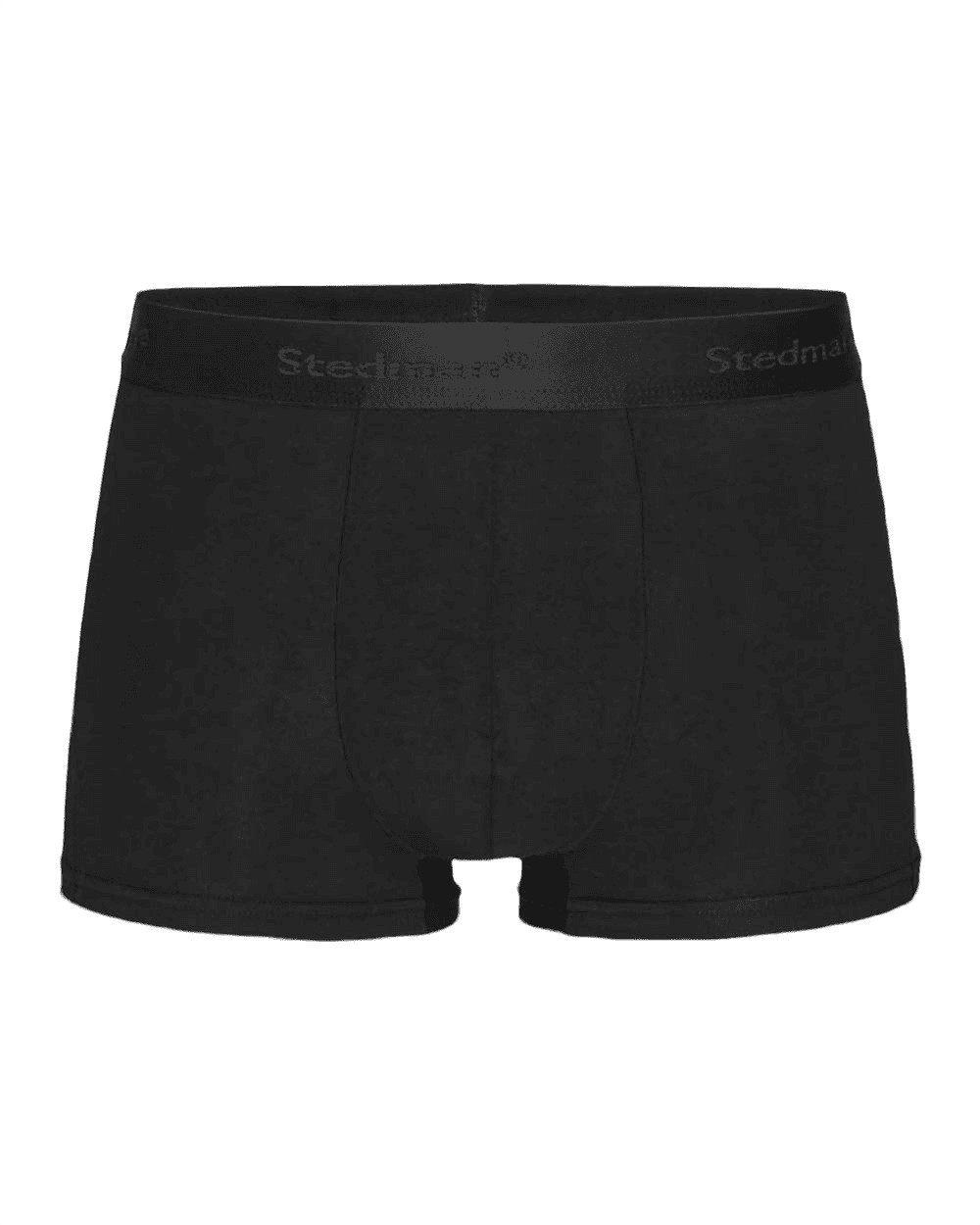
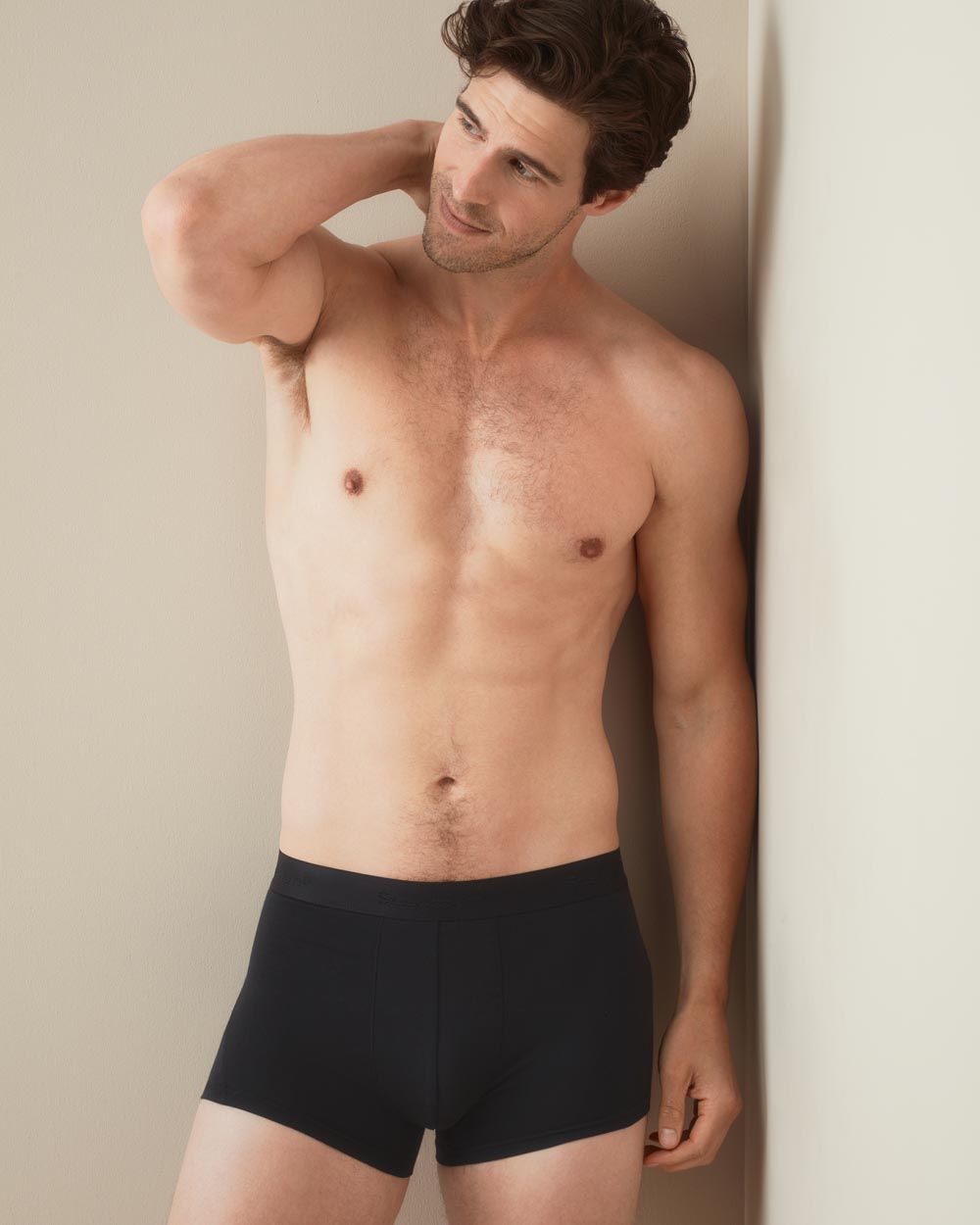
Stedman Stretch Boxers Men
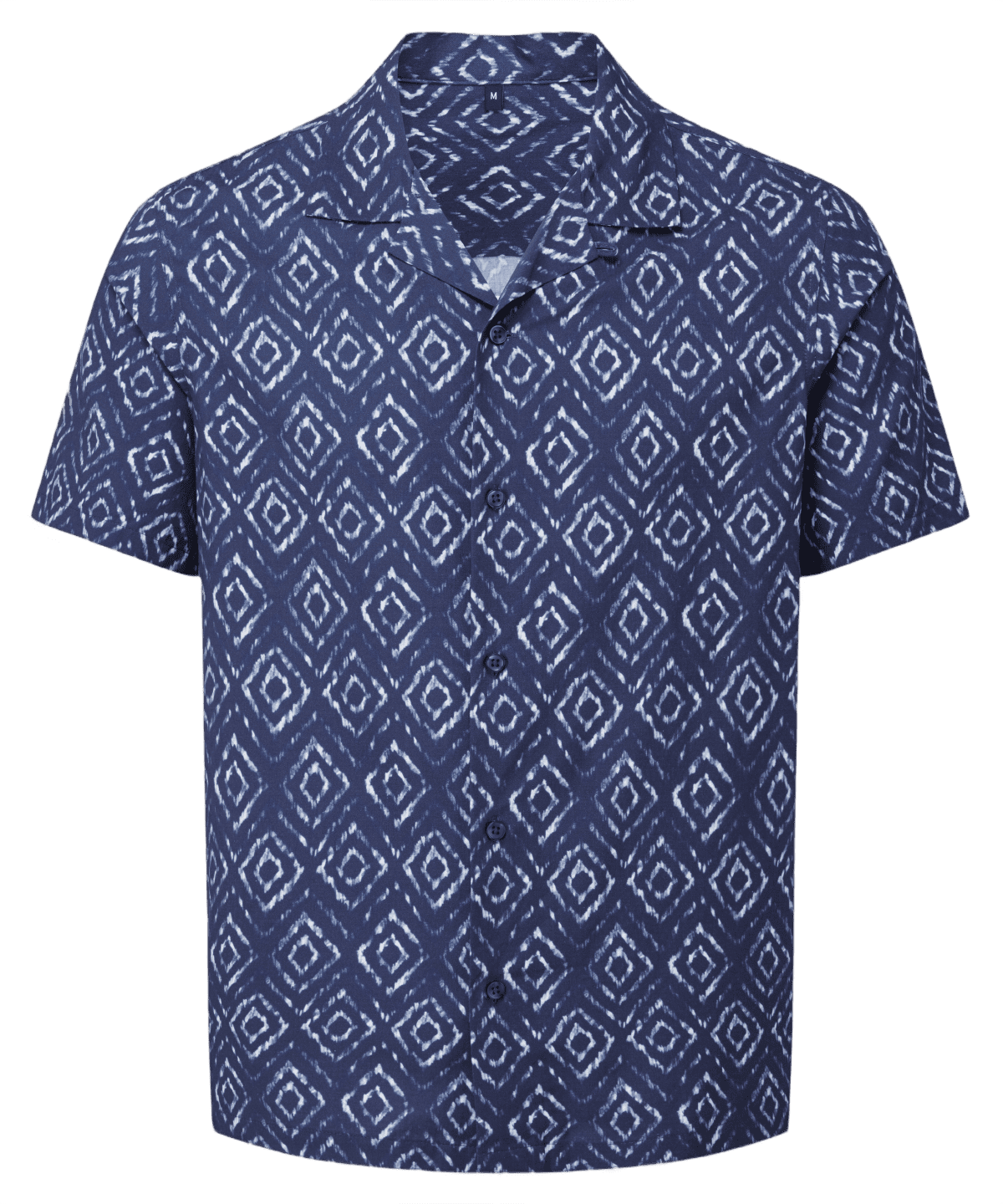
Wombat Men's Shirt