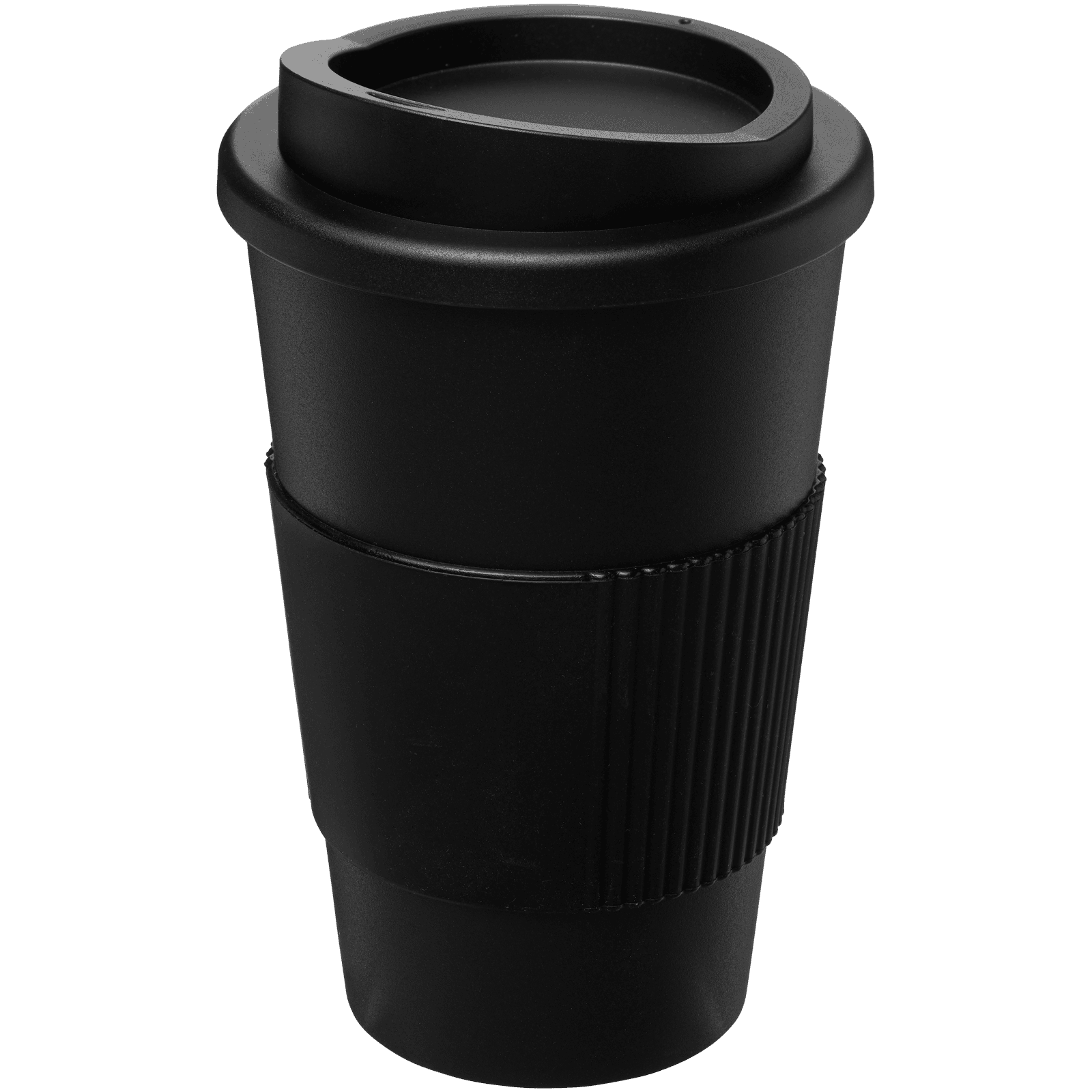
From supplier to everyday use

Bring your brand to life
Explore over 1,000 customisable products designed to showcase your brand and leave a good impression.
Merchandise is a system, not a product
At Scantra we approach the work responsibly and with care. Merchandise is not just a set of products with branding on them. It is a system shaped by how an item is sourced, produced, stored, and finally used.
The product reflects the brand and becomes part of an everyday routine. That is why the visual result is not the only thing that matters. The whole journey does, from supplier selection, where we look at product quality, production conditions, environmental standards, and how people are treated, to how the item is perceived in real life.
Every detail in that process makes a difference: quality, story, aesthetics, usability. Their combination is what turns an ordinary object into a meaningful symbol that outlives a campaign and builds a lasting connection between a brand and its audience.
Four services carry the work.
Sourcing
Merchandise sourcing is the work of choosing products and the suppliers behind them. It sets the foundation for everything that follows: quality, production conditions, and the level of trust a brand can build through a physical object.
At this stage the decision is what goes into production and whether it matches both quality expectations and brand values.
A strong sourcing process is not limited to picking from what already exists. It also means understanding what can be created and how it can develop over time.
If something already exists, it can be sourced. If it does not, it can still be built through a structured sampling process, technical development, and close work with production partners.
Some of the most important work happens here, because this is where an idea becomes a physical object under a controlled process.
Sourcing is also about long-term relationships. Suppliers are not production resources. They are partners who influence consistency, reliability, and the standard of what a brand puts into the world.
Warehousing
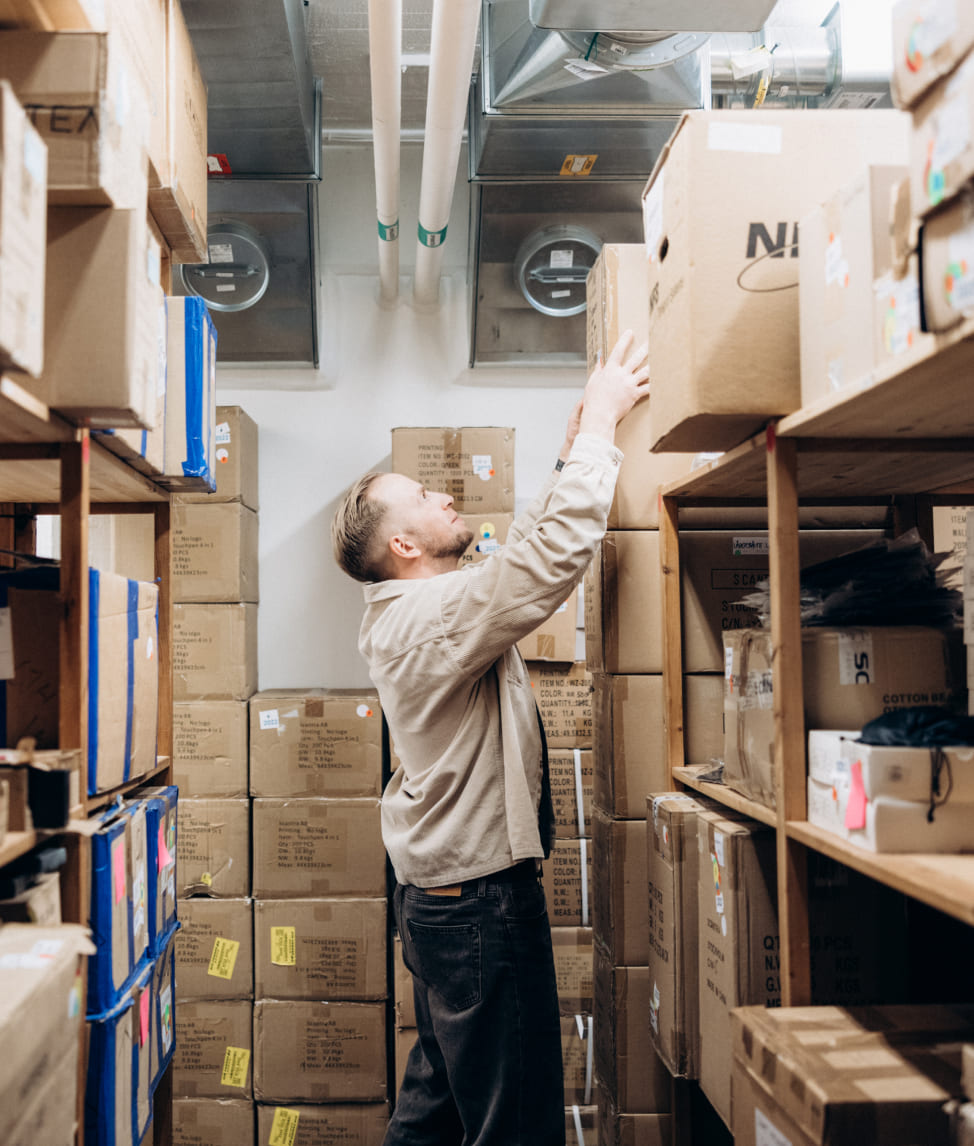
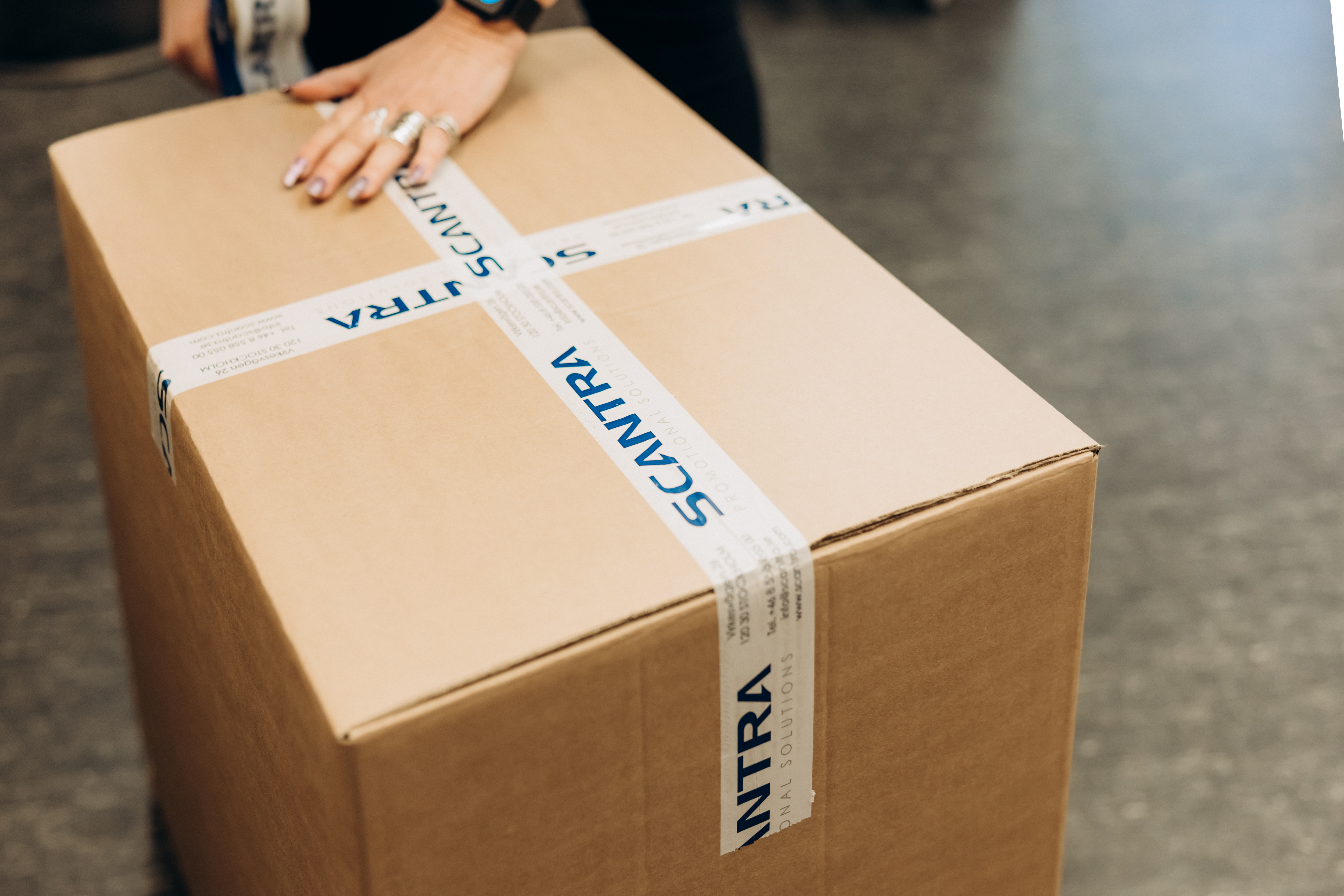
Warehousing decides how stable a merchandise system feels over time. It connects production and delivery into one continuous flow and determines how smoothly products move from storage into real use.
The process usually covers selecting a suitable arrangement, adapting it to the brand, placing orders, and managing storage and shipment from there. The point is that ordering and receiving products stays simple and predictable, with no extra steps for the team.
Warehousing also defines timing. Whether a company works from one office or across several locations, the goal is the same: the right product arrives at the right moment, without delays and without guessing.
Custom design
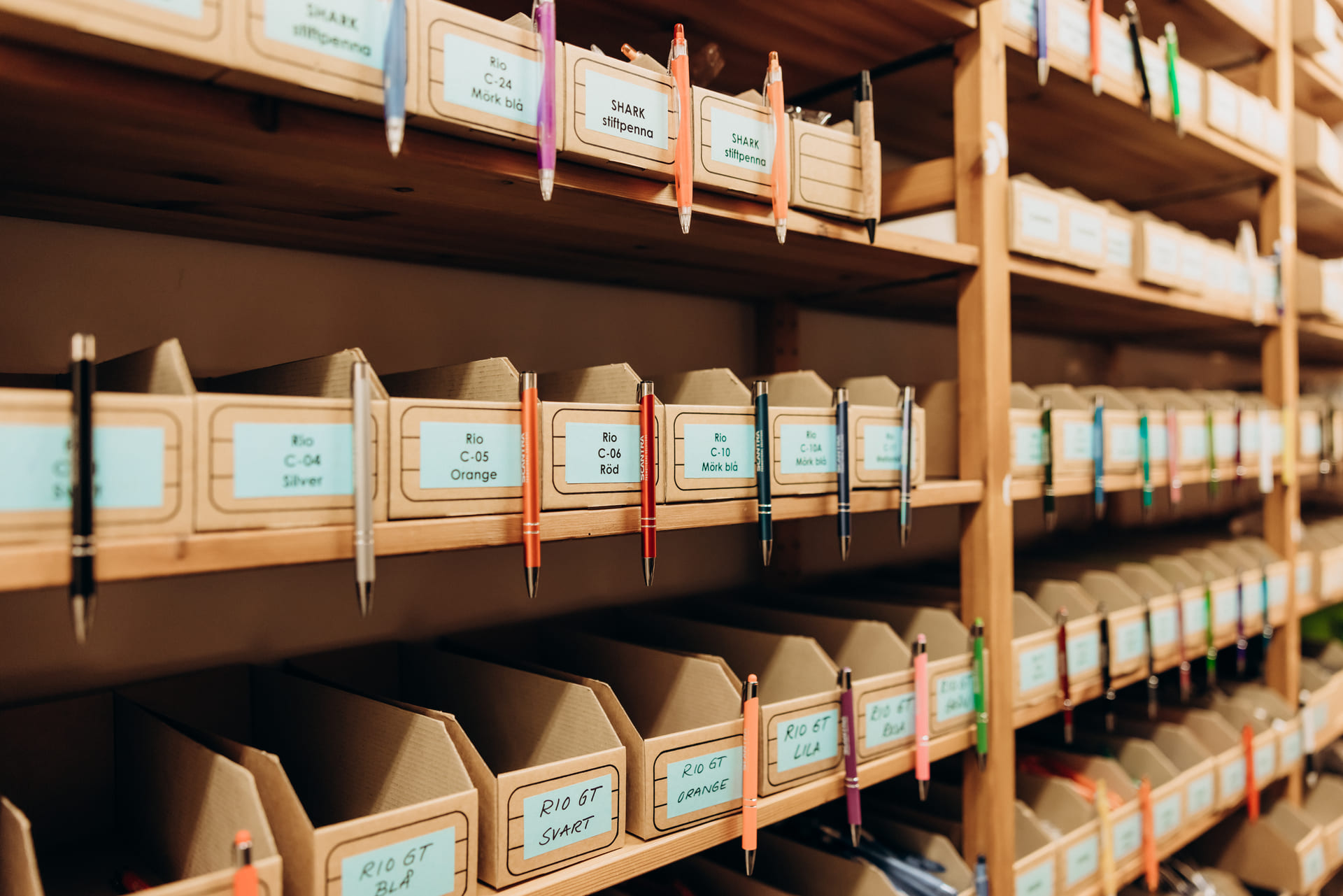
Custom design is the stage where an idea becomes a physical product. This is where it starts to carry a specific brand identity, shaped by choices in materials, techniques, and production methods.
Different goals call for different methods: screen printing for durability and clarity, embroidery for texture and longevity, print on demand for flexibility in small runs, all-over print for full surface expression, and other specialised techniques depending on the material and the use case.
These are not only visual decisions. They determine how a product ages, how it is used day to day, and how consistently it can be reproduced at scale without losing quality.
If a product does not exist, we develop it from concept to finished item. We work with trusted suppliers on material selection, sketches, technical specifications, prototypes, and final production.
The process is structured so that what was imagined can be produced reliably, without losing its original intent.
Brand activation
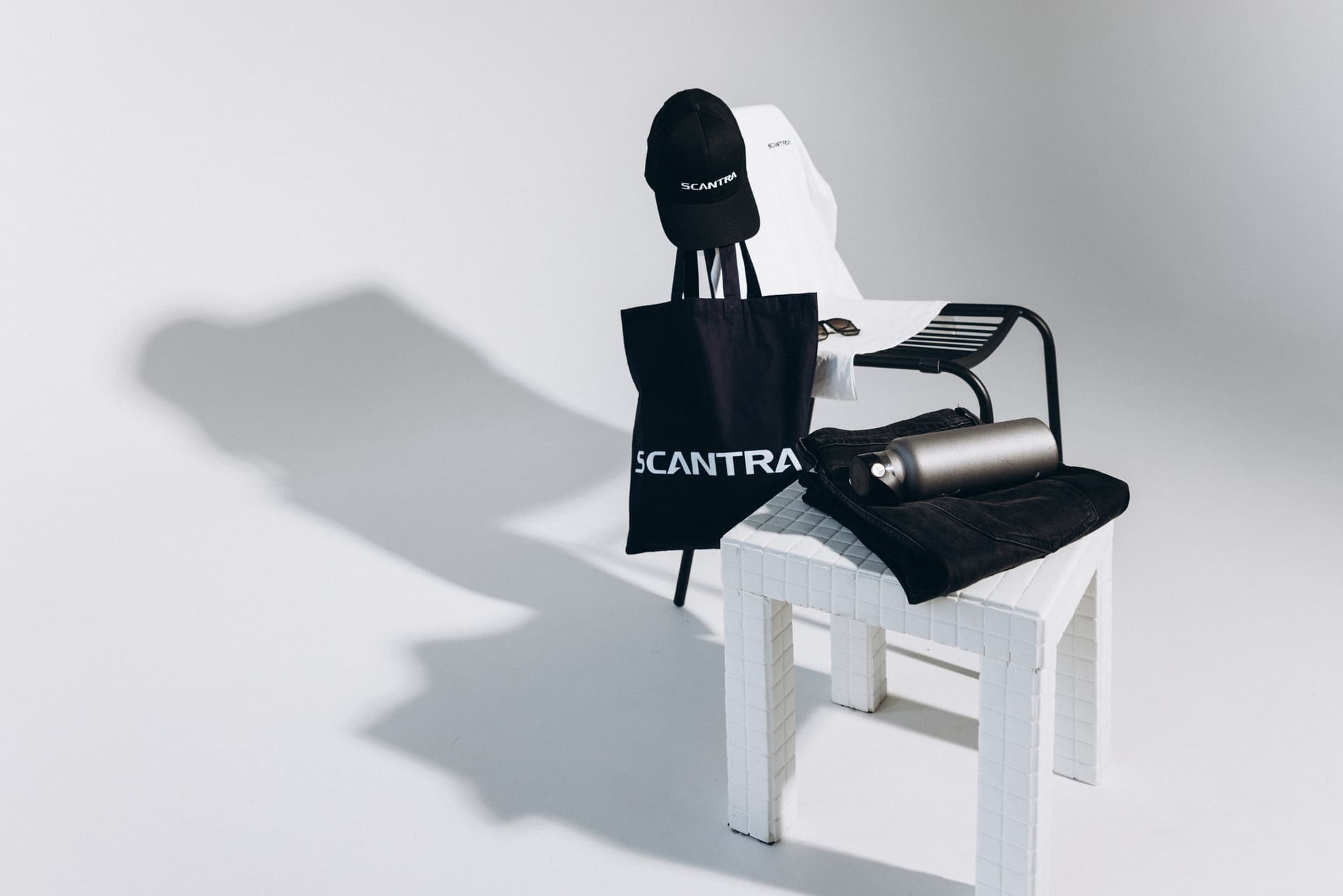
Brand activation is where merchandise moves from production into real experience. It is where a physical product starts carrying meaning: in campaigns, at events, at launches, and in internal company moments.
The sequence is clear. Define the objective and understand the brief. Select suitable products and shape their design. Move through approval and production. Distribute.
Each step keeps the result aligned with the brand and appropriate to the context it will be used in.
The focus is real interaction rather than surface visibility. Practical items that people use naturally extend the life of a message far beyond the moment of distribution. Over time they become part of a routine rather than an isolated brand impression.
This is also where the alignment between sourcing, design, and logistics becomes visible. When those elements work together, merchandise stops being a collection of objects and becomes a coordinated experience that supports communication in physical form.

When the parts line up
When every part of the system is aligned, merchandise stops being a set of separate items and becomes a process where each stage supports the next. That shapes not only the product itself, but how it lives and is experienced over time.
Where the process ends up
Here are five products from our own range. Each one is the end of the same process: a supplier chosen, a decoration method decided, stock held, and the item handed to someone who then uses it.
- Katja Stoneware Mug: stoneware, so it goes in the office cupboard and stays there for years.
- Soda Bottle for Carbonated Drink: built for carbonated drinks, which is the detail most bottles get wrong.
- Desk-Mate® A5 Notepad with Recycled Paper: recycled paper, A5, the size that fits next to a laptop on a full desk.
- Certicpen Shark: a pen gets used until it runs out, and that is the whole test of one.
- EarthAware Organic Cotton Cap: organic cotton, and a cap gets worn outdoors, where cheap fabric shows within a season.
About the author
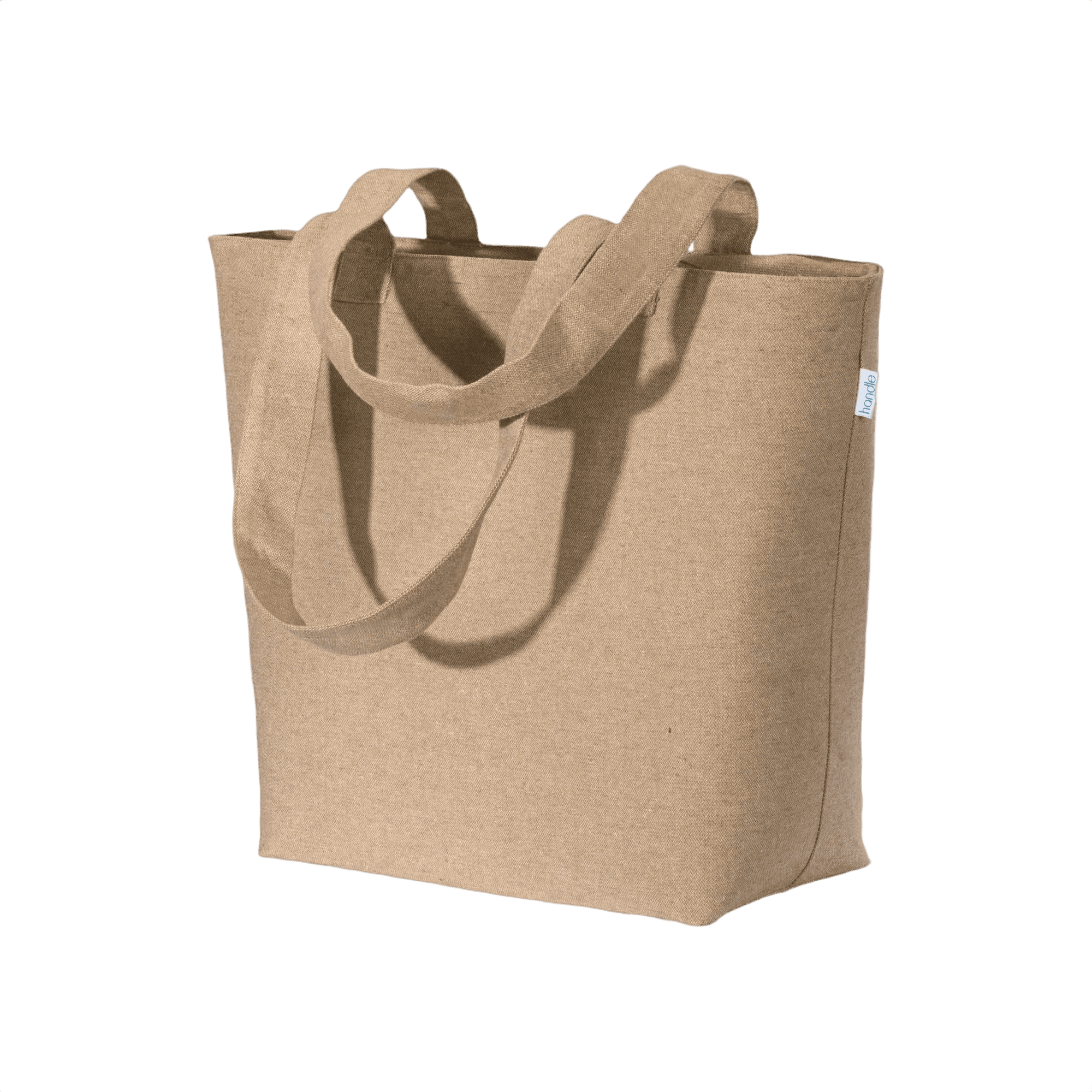
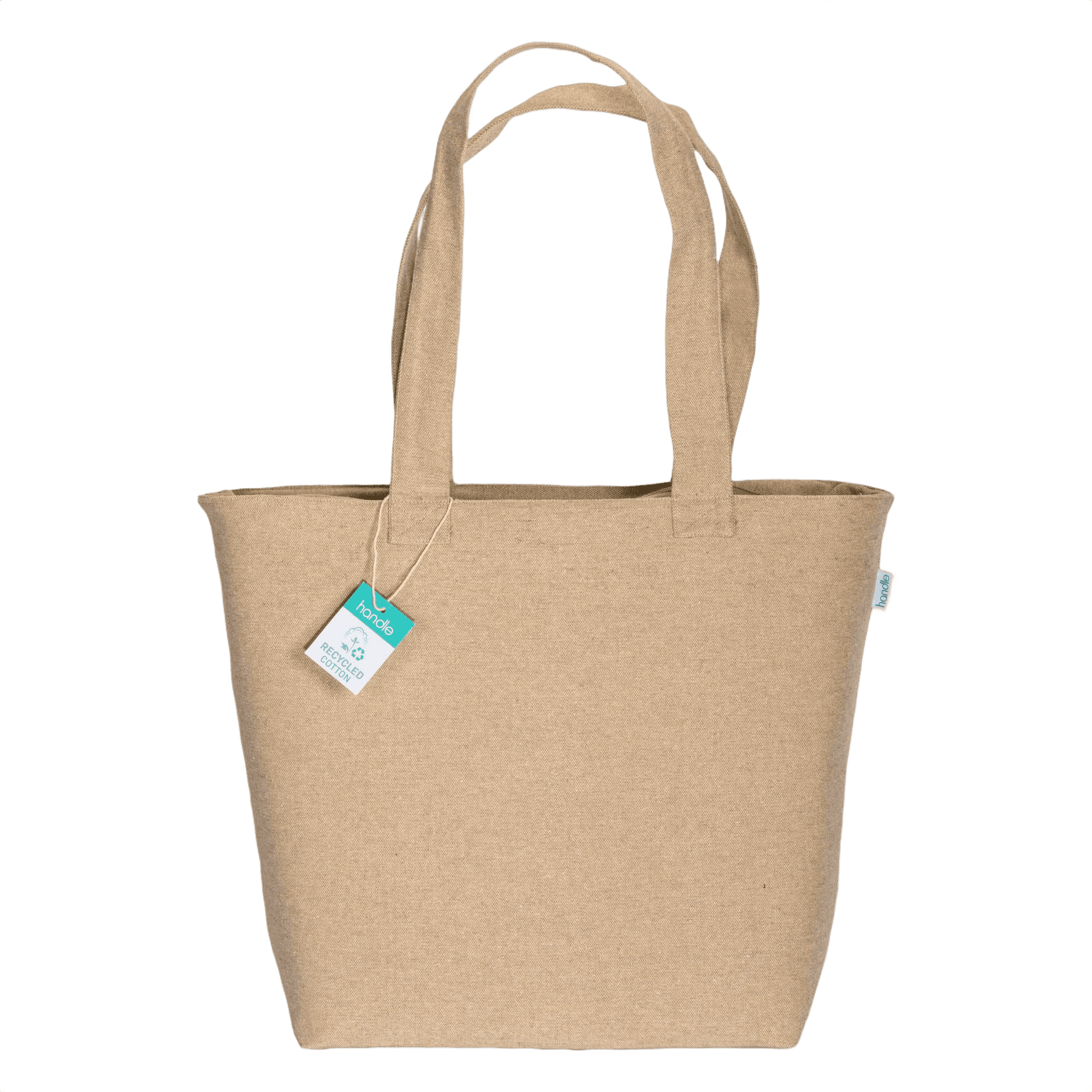
Cotton Shopper with Gusset 280 g/m2
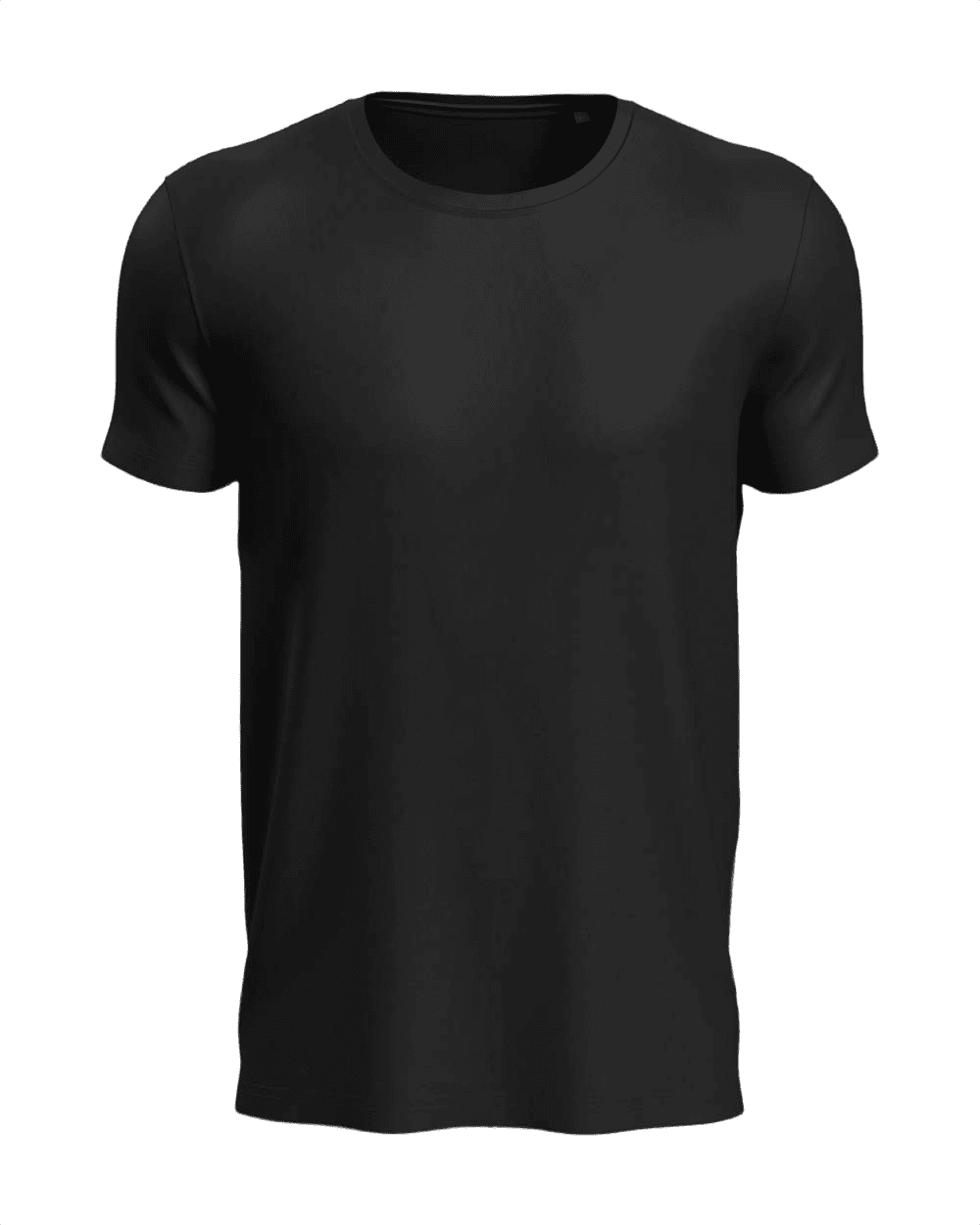
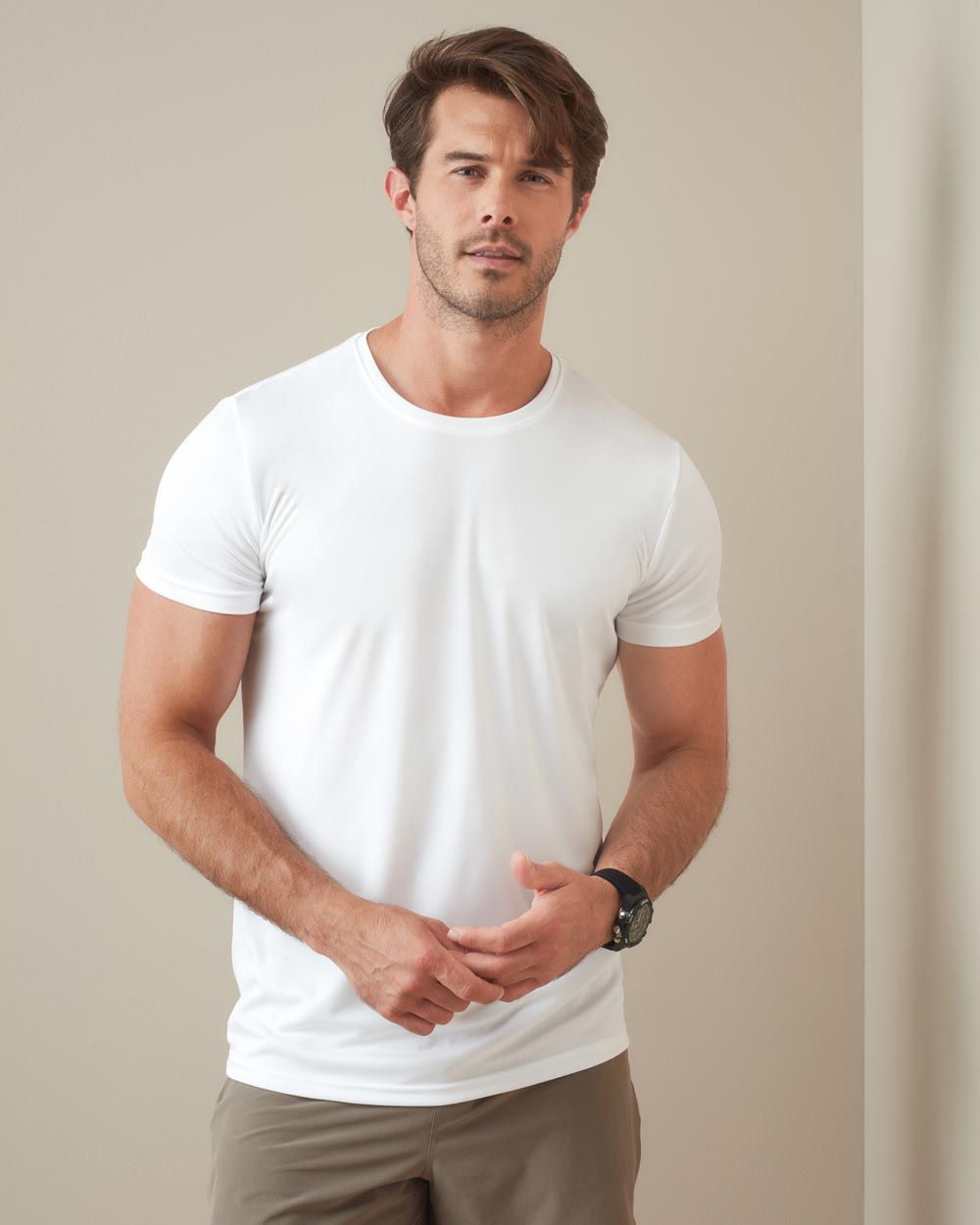
Stedman Sports-T Men
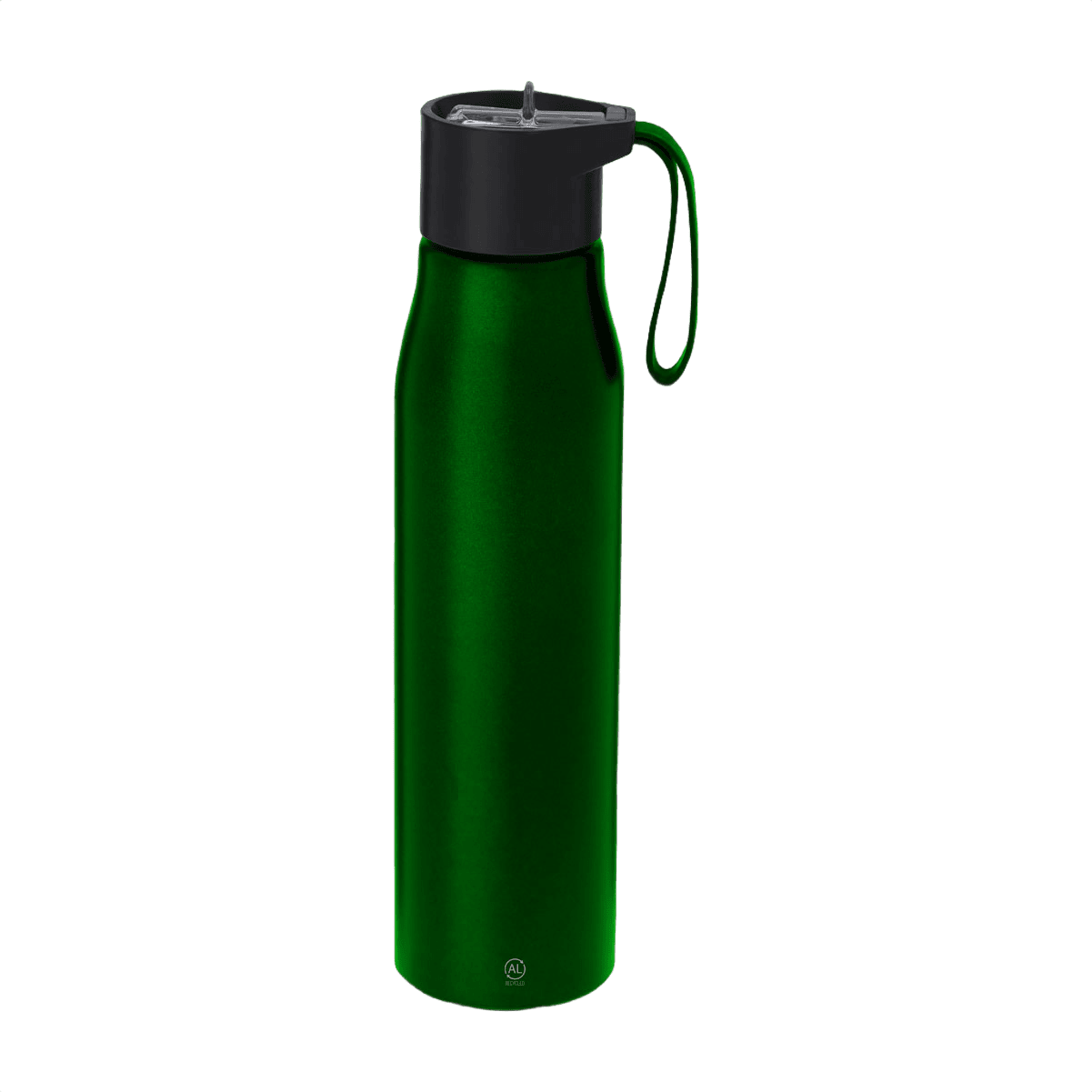
Thorup Bottle