How agencies scale merchandise


Bring your brand to life
Explore over 1,000 customisable products designed to showcase your brand and leave a good impression.
Growth adds more than volume
Agency growth usually brings more than clients and projects. It brings a wider set of merchandise responsibilities. Order volumes grow, new markets are added, and the number of events, onboarding programmes, and client engagement initiatives increases.
With that growth come higher demands on process. Product quality has to stay consistent, suppliers have to be reliable, inventory has to be managed, shipments coordinated across regions, and brand standards held regardless of project size.
So scaling merchandise is less about increasing volume and more about building the right infrastructure. The larger an agency becomes, the more it needs systems that support sourcing, warehousing, production, and logistics without giving up quality or control.
Foundations of scaling
Agencies do not scale merchandise because more products feel impressive. They scale it because merchandise has quietly become one of the more reliable ways to make a brand feel present: at onboarding, at events, in the everyday objects people keep.
The goal is not volume. It is consistency. The same quality and the same feeling, whether an agency is ordering fifty hoodies or five thousand.
Most of the friction in scaling is not creative. It is operational.
Smart sourcing
An agency finds a supplier for one project. The price is good, the samples look fine. Then volume grows and the same supplier cannot hold quality across a bigger run.
We work from an established network of vetted production partners first, and only look further when nothing in it fits. We check materials, documentation, and audited facilities, and we expect certification on every run, not just the first one. Our sourcing process is built around that kind of patience.
If something does not exist yet, we treat it as a development task. Clear specifications, controlled sampling, and a real product on the other side.

Scalable warehousing
Storage sits quietly between sourcing and delivery, and it is exactly where things go wrong if nobody owns it. An agency orders, and from there the goods have to land somewhere organised rather than on someone's desk.
Our warehousing setup matters most for brands without their own logistics, for distributed teams needing regular shipments, and for anyone running frequent events or recurring gifting.
Most of it runs on a ready to ship model. Inventory is bought upfront at a lower unit cost, stored, and shipped on demand as teams need it. Payment can be upfront or tiered. Pricing stays steady either way.

Custom design
There is a point where off the shelf stops being enough. A client wants something that looks like their brand, not a logo dropped onto a generic fleece.
Custom design is mostly about matching the right method to the product. Screen printing for durability, embroidery for texture, print on demand for smaller runs, all-over printing for full coverage.
When the product itself does not exist, we move into full development, from material selection through prototypes to final production.
Brand activation
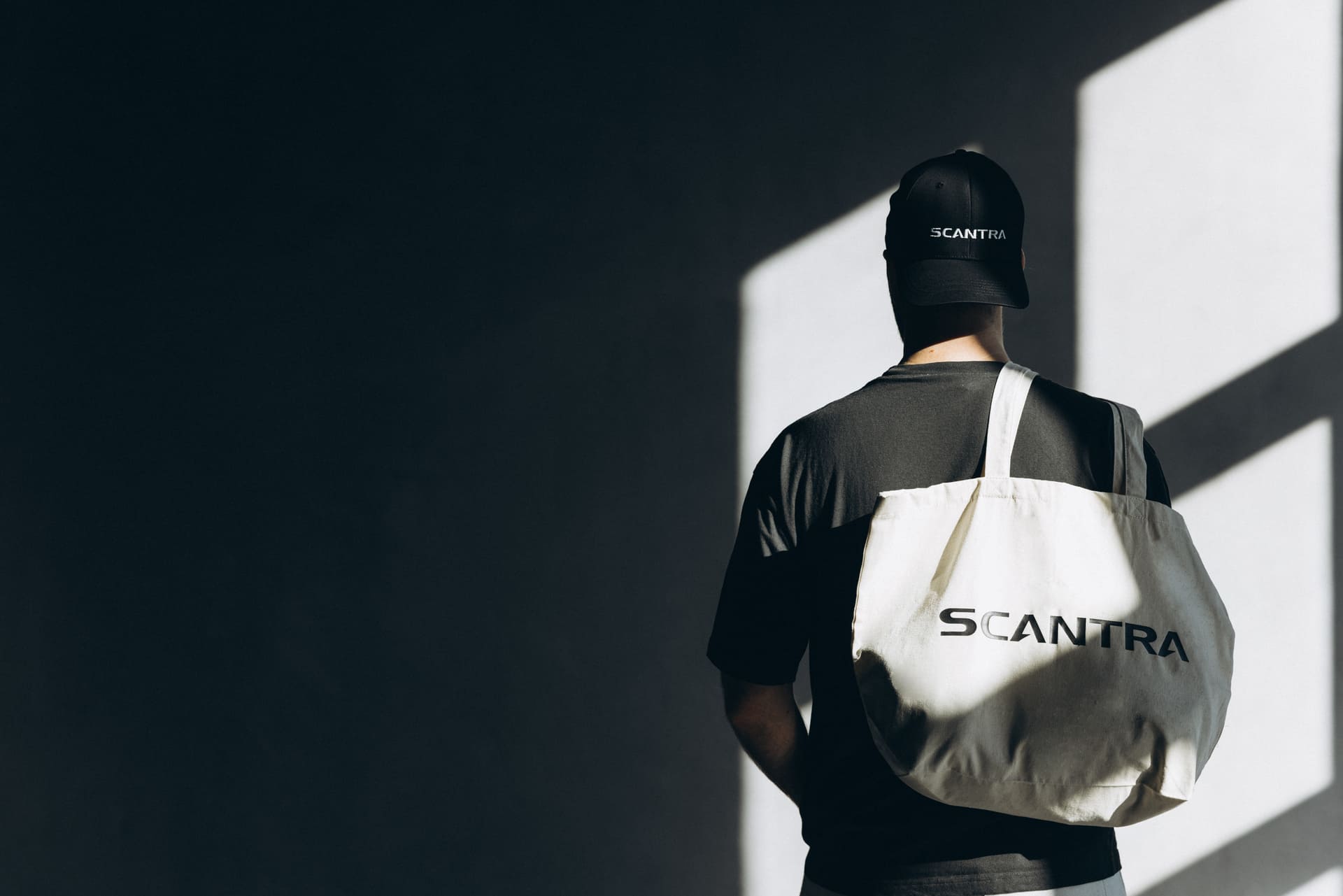
Good merchandise earns its place in someone's daily life. Brand activation is the deliberate version of that: choosing products that support a campaign or a launch rather than whatever is easiest to brand.
We have followed roughly the same shape since 1991. Brief, product selection, design, approval, distribution. The products change. The pattern does not.

Merch packs
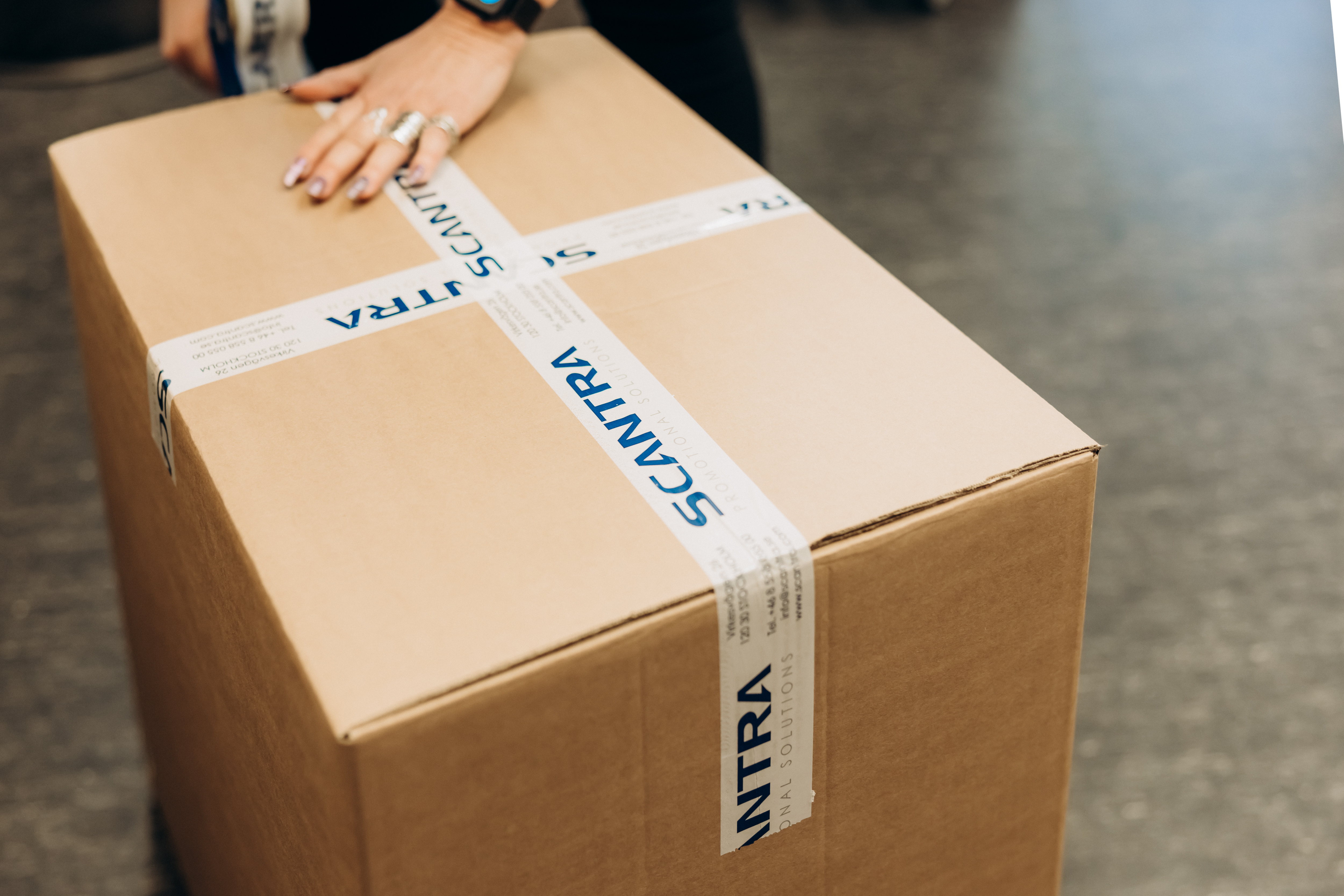
New hires, client wins, and campaign launches all carry a moment worth marking. Merch packs exist for that: curated boxes that say something about the brand before a word is read.
A simple pack with a mug, a notebook, and a card often lands harder than one expensive item.
The hundredth order
Scaling merchandise is not really about doing more. It is about making sure the hundredth order still feels like the first one did. Considered, well made, and worth keeping.
That is the part agencies remember us for.
Five products that repeat well
Five products from our own range. The reason they appear in large programmes is not price. It is that the fifth production run comes out the same as the first.
- TriDri® Hoodie Unisex: the item the article measures scale by: fifty or five thousand, the fit has to be the same.
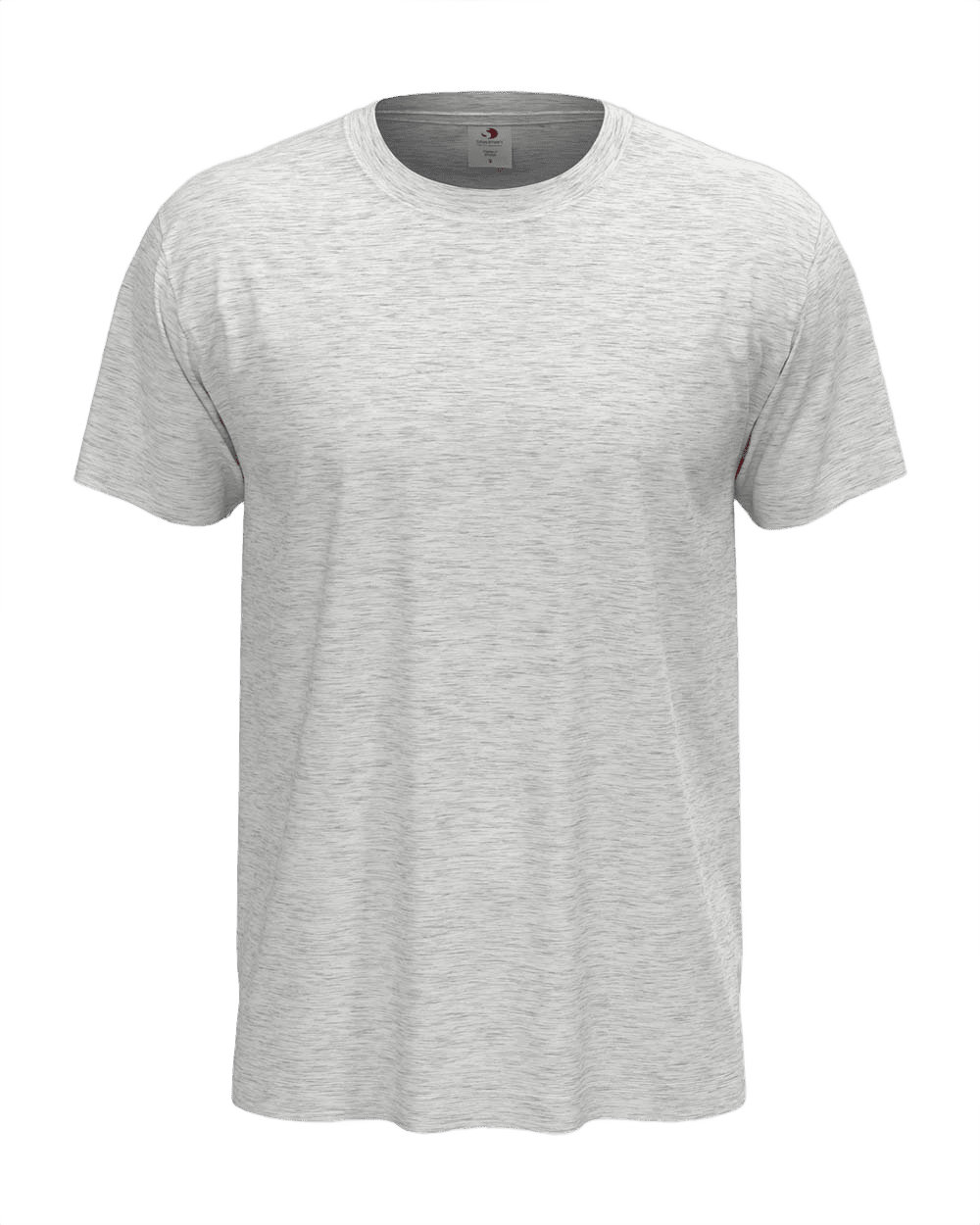
- Stedman Lux-T Unisex: the highest volume garment in most programmes, which makes it the first place inconsistency shows.
- Katja Stoneware Mug: stoneware holds colour across runs, and a mug is what a pack is usually built around.
- Jumpy Notepad: reordered more often than anything else, so the paper stock has to stay the same.
- Classic Gift Card: for the people a shipment cannot reach, which every distributed programme eventually has.
About the author
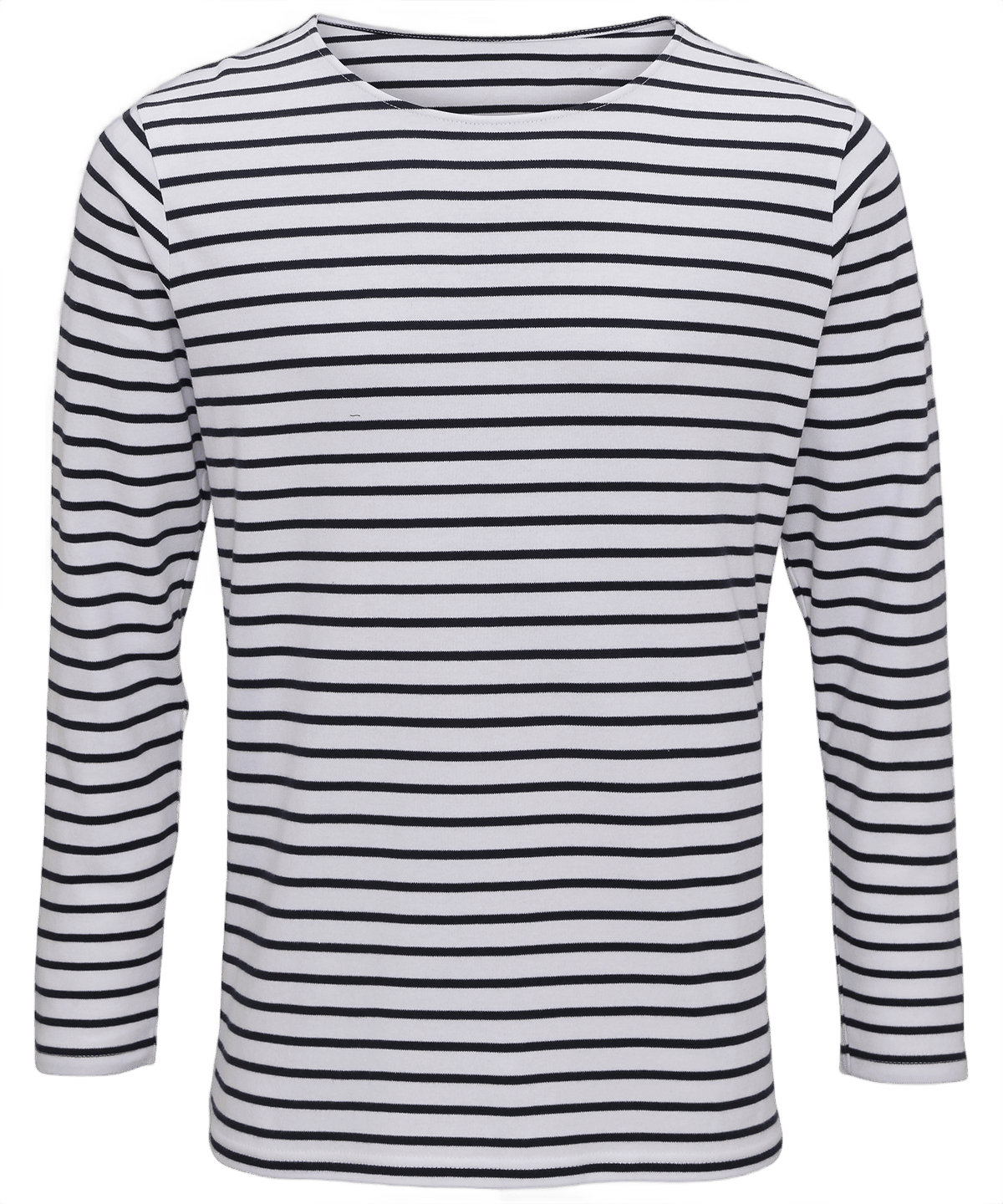
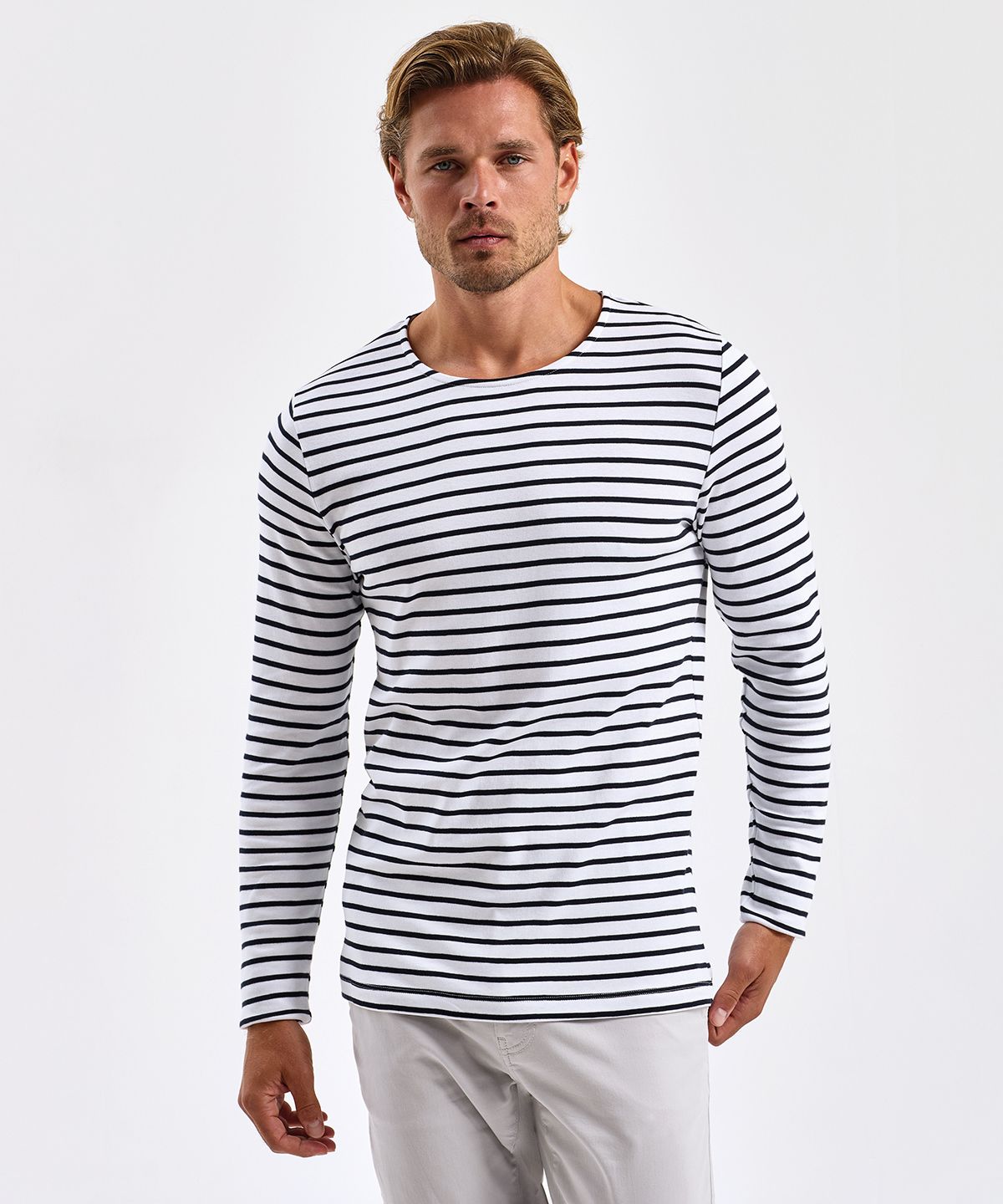
Coastal Long Sleeve Tee Men
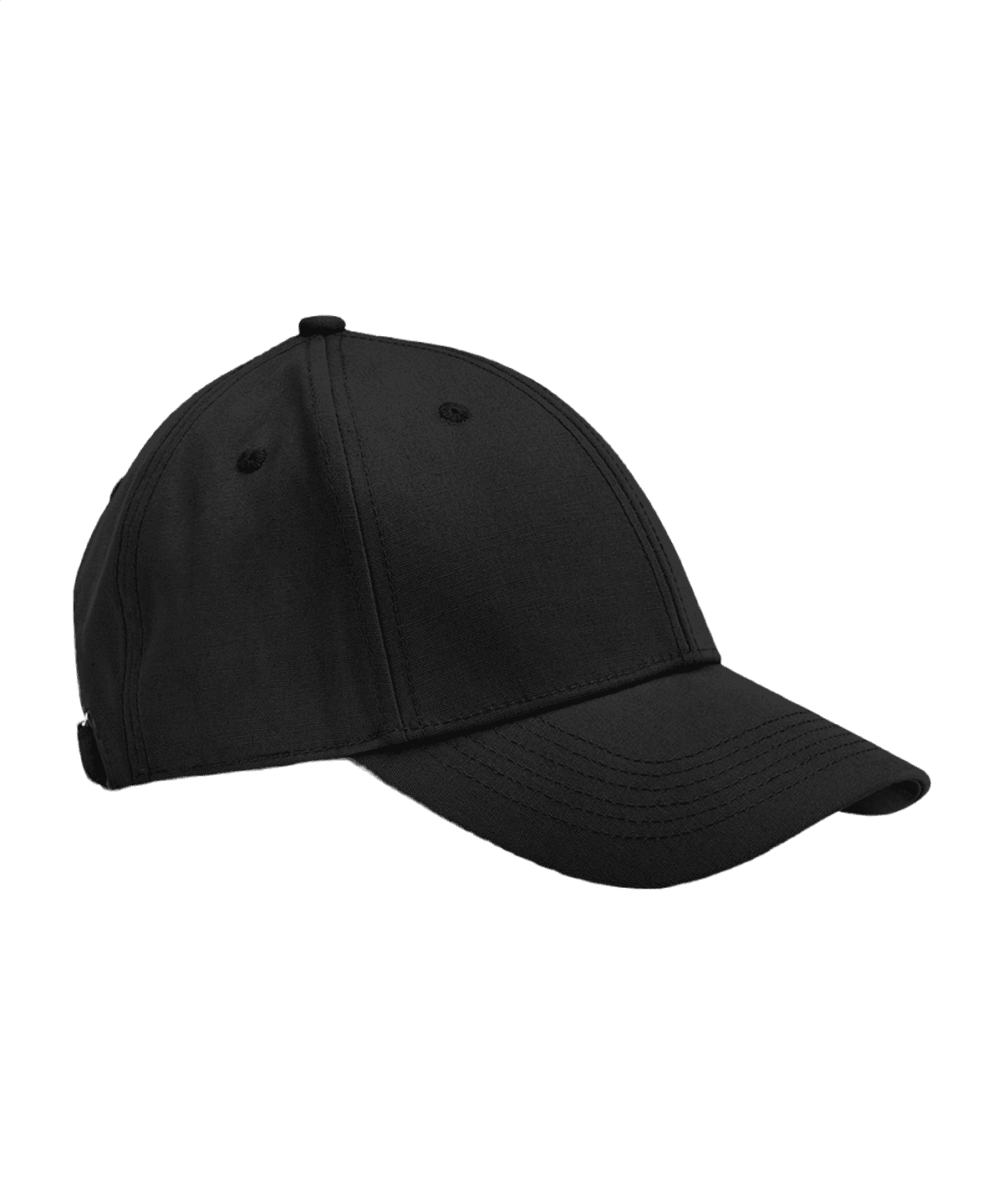
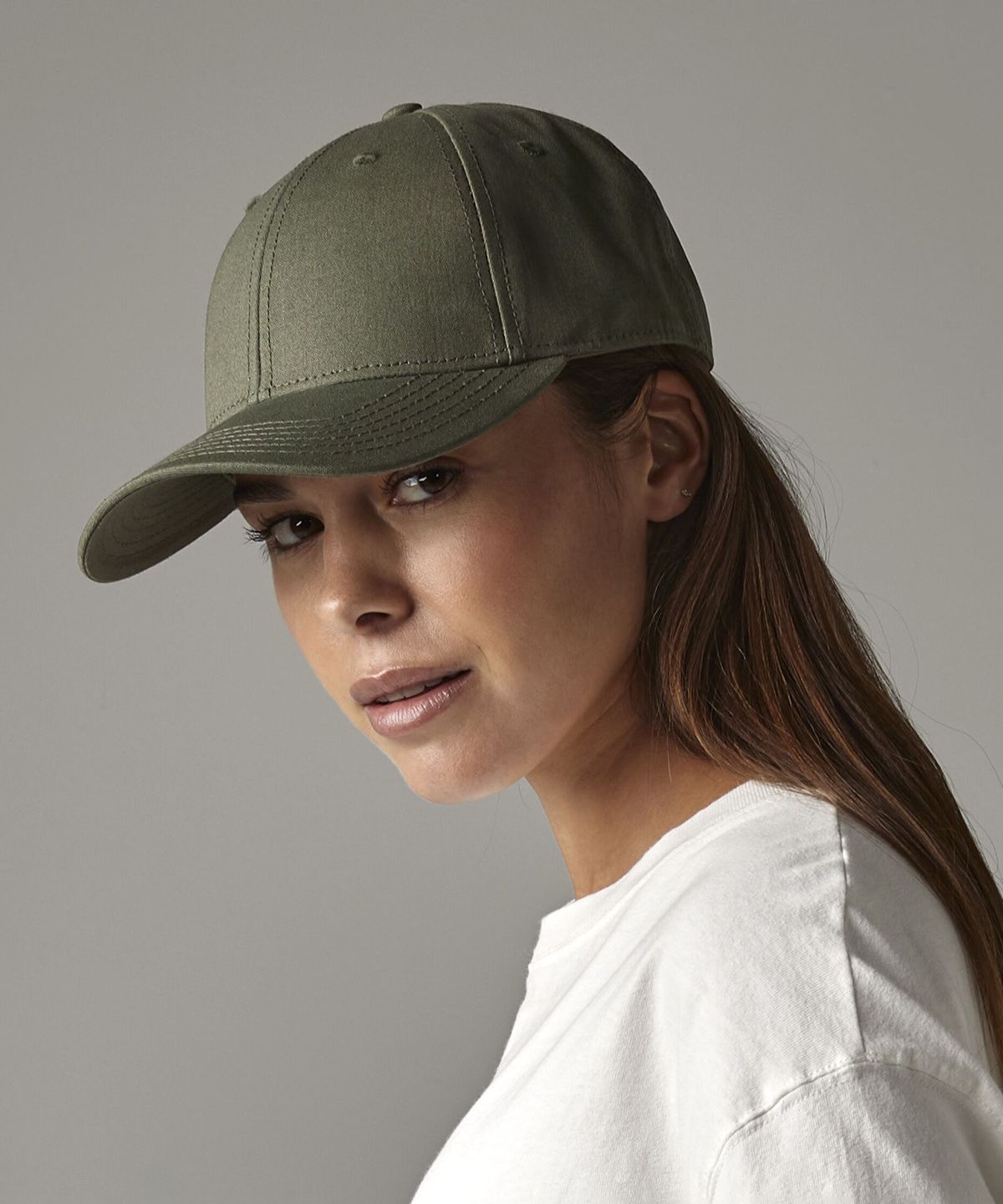
EarthAware® Cotton Canvas 6-Panel Cap
College Hoodie Women